
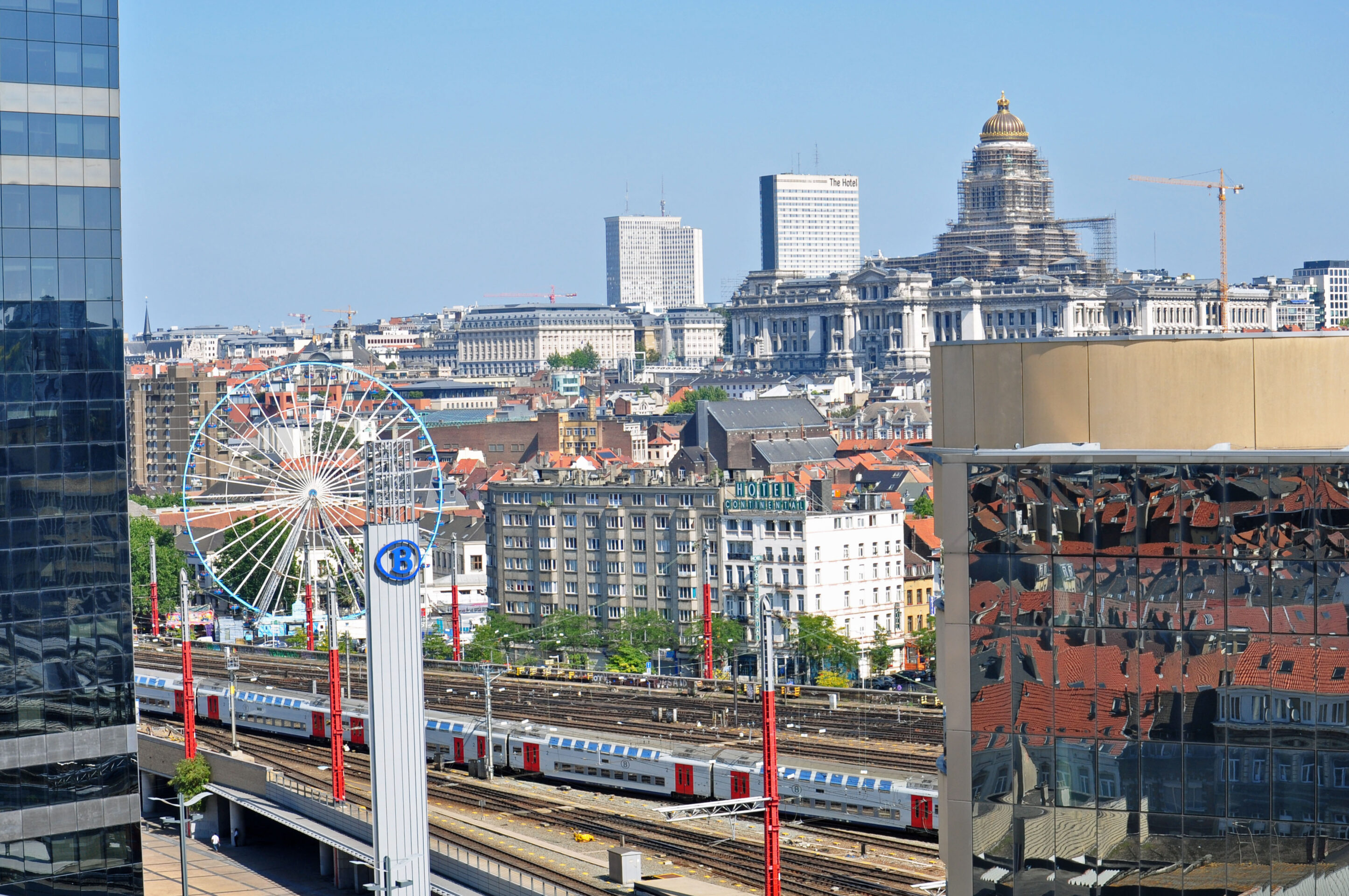
Not so long ago, passengers getting off the train at Brussels-Midi station would be enveloped by the smell of chocolate.
Until the 1990s, Brussels-Midi station was home to the Cote D’Or chocolate factory on Rue France, with many often reminiscing about this peculiar-yet-unique arrival into Brussels. Today, arriving passengers are engulfed by less pleasant smells, with the factory having been partly replaced by a TGV terminal in 1996.
While the station has been the subject of unqualified headlines calling it ‘the most dangerous station in Europe’, the Midi Quarter is in urgent need of revitalisation, finding itself landlocked on the border of three municipalities, Anderlecht, City of Brussels and Saint-Gilles. It is at the centre of severe social problems: poverty, homelessness and drug use. The area also has a population density higher than the regional average.
In August 2023, the station made headlines after sections of the Flemish media compared its crime rate to that of 13 stations in Flanders. Just five months earlier, the Brussels-Capital Region had published its 'Around Midi station' urban renovation plan, set to be completed in 2028.
One of the key issues the plan tries to redevelop the area’s bad use of space, prioritising the introduction of green spaces. The mass of concrete which surrounds the railway lines is vast and underutilised apart from on Sunday’s vibrant Midi market, famous for its fairly-priced and quality produce – making it a vital resource for locals. The other areas are a melange of administrative buildings, hotels and isolated public spaces.
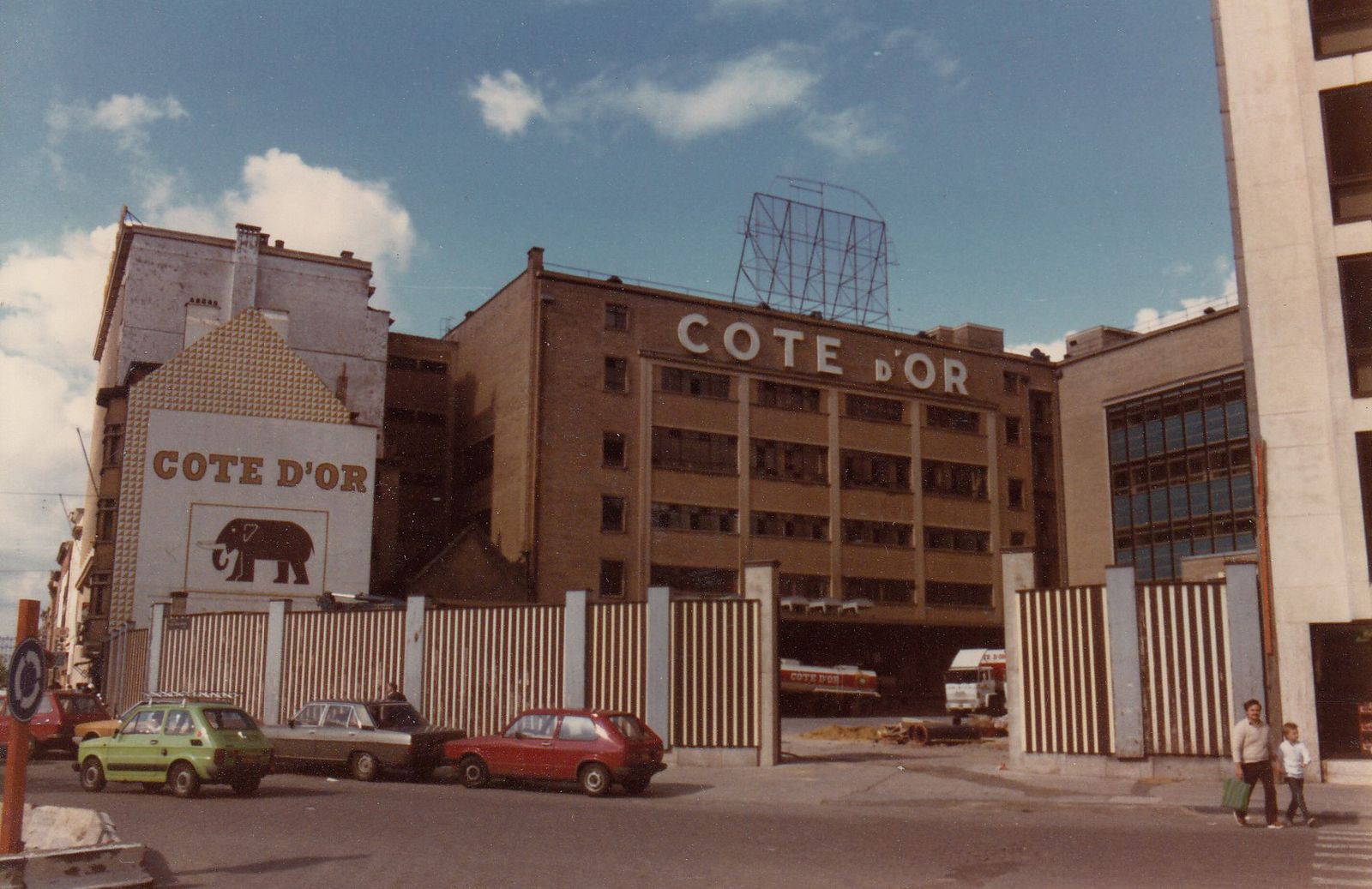
The old Carte D'Or chocolate factory on Rue Bara, behind Midi station. Credit: Heritage Brussels
The arrival of the TGV in 1996, which replaced the chocolate factory on the Anderlecht side, attracted large real estate operations which transformed the area into an administrative center. It continued the disruptive and ongoing trend, which began with the development of the new Midi station and the construction of the Nord-Midi junction in the 1950s. This divided the territory into disconnected sub-neighbourhoods.
On the Avenue Fonsny side (Saint-Gilles), the area also went a profound transformation with the same controversial 1996 renovation plan. Many lost their homes as entire blocks were demolished to make way for offices or mixed-use buildings (shops, hotels, restaurants, cafés and offices).
This could be seen as a later form of Brusselization, the pejorative term of haphazard urban planning associated with the Belgian capital. For example, the old architecture of the neighbourhood was ignored, the new buildings were much taller (e.g. the TUC rail HQ) with liberal use of modern materials.
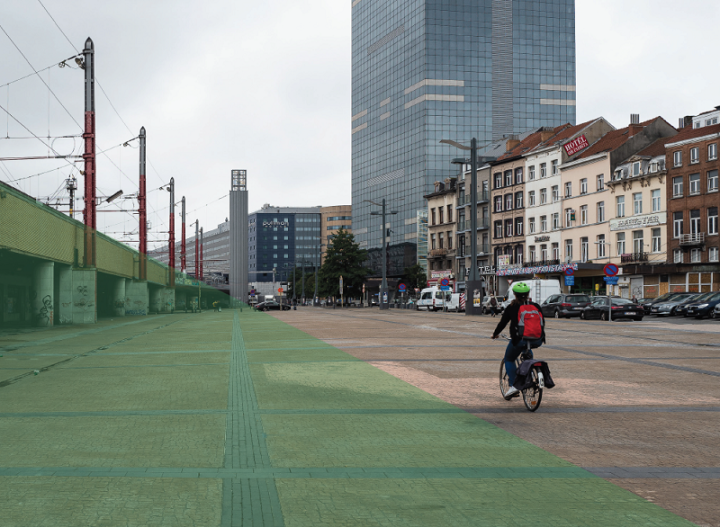
The area for redevelopment around Brussels Midi station (Anderlecht side). Credit: Belga
SNCB's extensive plans
Still today, it feels like Brussels has not learnt its lessons about the misuse of public space with SNCB's plans for the area.
Belgium's rail operator will move into the old derelict post offices on Avenue Fonsny, which has also proved divisive. The project managers OMA, Jaspers - Eyers Architects and Assar Architects are promising "a balance between residential functions, offices and accessibility," while the public authorities "want to create a lively neighbourhood."
To the dismay of local residents, the new building will be extended and sit 10m higher than the average building in the area. In total, the new building will be 60.5m high, with the extension to be made out of metal and placed on top of the concrete origins. Overall, the existing buildings on Avenue Fonsny are to be extended by 30,000 m², bringing the total to 72,000 m². The new building would house SNCB and its subsidiary HR-Rail.
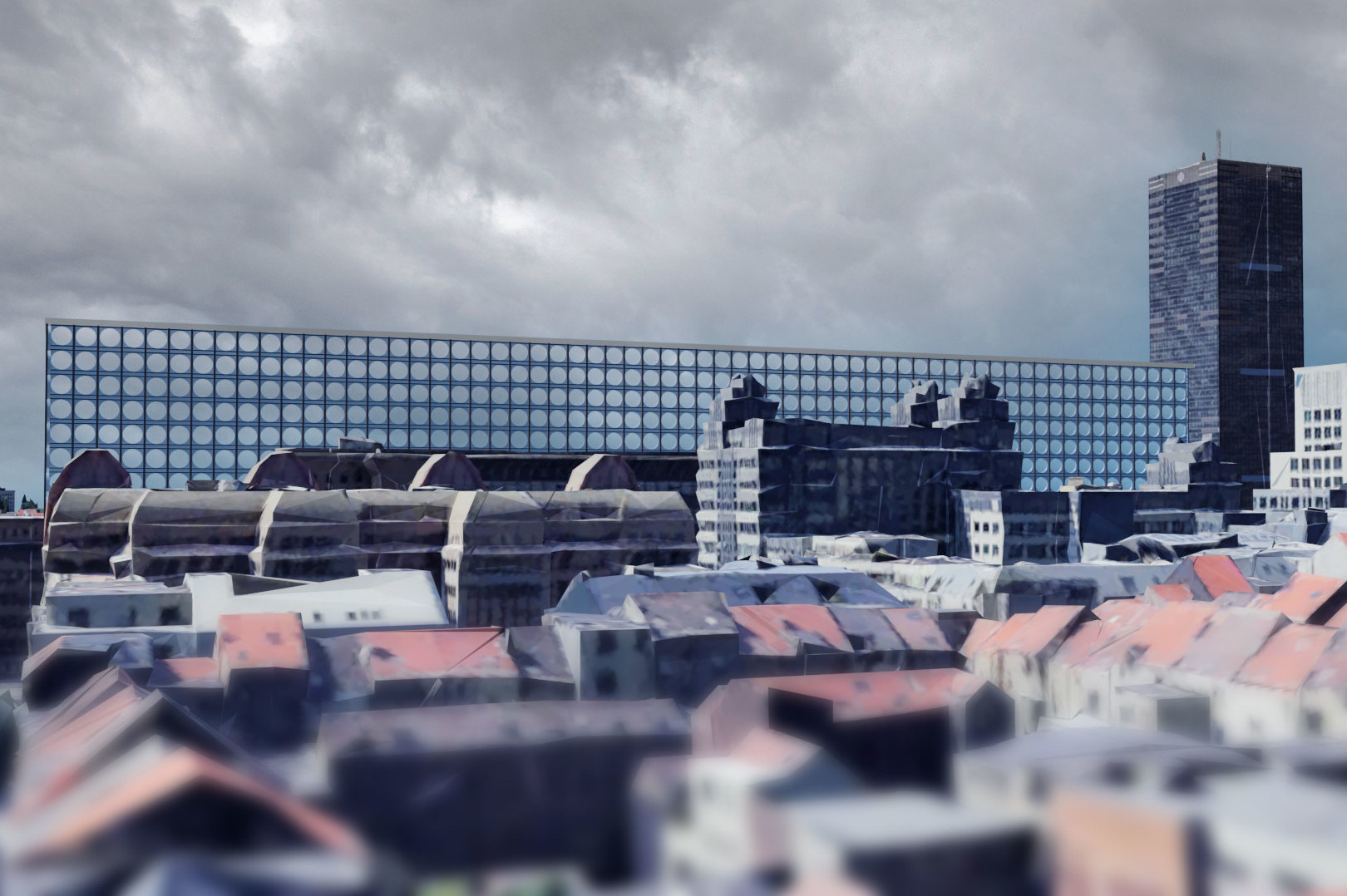
An illustration of the extension of the new SNCB building by Inter-Environment Bruxelles
There are also divisions between surroundings municipalities. While Anderlecht supports the initiative, Saint-Gilles is against it, having lodged an appeal over the disproportionate height and size, privatisation of semi-public land and demolition-reconstruction operations.
The municipality is mainly concerned with the negative impacts (shadow, wind, canyon effect) on the surrounding public spaces and the deprivation of light of Saint-Gilles residents. However, this appeal was rejected by the Brussels-Capital Region, and the plan is set to go ahead.
New 18-storey tower
The urbanisation of the Ilot Tintin, the plot of land on Rue Bara (Anderlecht side), is also attracting controversy with the Move’Hub project.
A new 18-storey tower will rise from the plot of land left derelict since the 1990s. On top of 38,000 m² of new office space, Move'Hub will have 79 apartments, of which 65 will be subsidised by the Brussels public development corporation, Citydev.
Some local residents are angry that his has created yet another "urban disaster" in the Midi Quarter, with a missed opportunity for a much-needed new park. The narrow and privatised interior garden of the development is not enough, residents argue. At the end of February, Saint-Gilles joined forces with Inter-Environment Bruxelles to challenge the building permit granted to Atenor and BPI Real Estate.
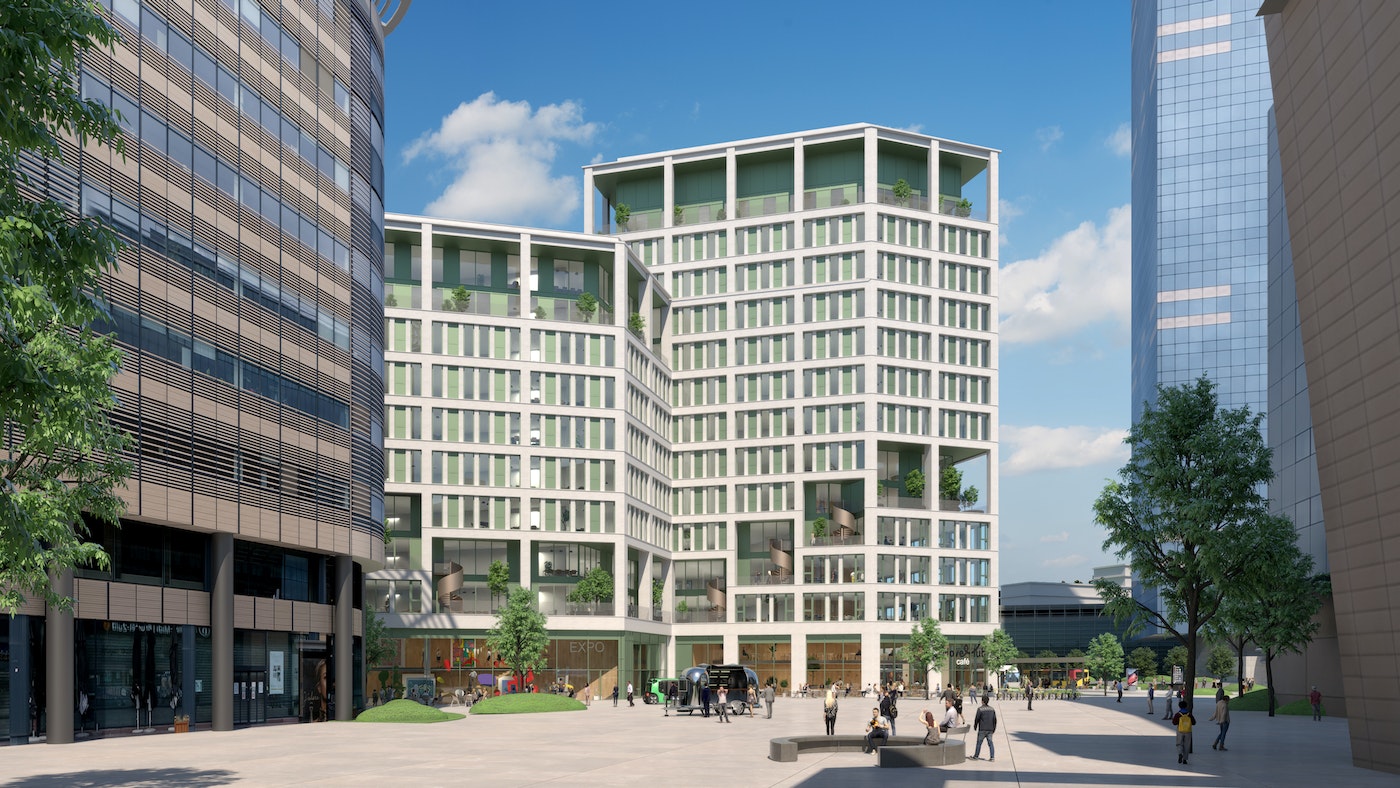
Credit: Immoange
There are also no guarantees for the promise of Move’Hub securing 25% of social housing, the EIB argues. "No social housing, a 77-metre tower and a private inner garden. This project remains problematic," Claire Sohier, coordinator of Inter-Environnement Bruxelles, told L’Echo last month.
Furthermore, the new SNCB headquarters and the Move'Hub tower are in addition to the ongoing disaster of the construction of the Metro line 3 on Avenue Stalingrad. The huge, stalled works have devastated the urban fabric of area into an endless construction site.
It is compounding the misery of locals who are also set to lose the Palais du Midi, a community centre with a school, sports hall and shops. The protected building is set to be gutted from the inside (maintaining the facades) as the region tries to salvage the expensive Metro project. With the development still facing many problems, a public consultation was launched in February.
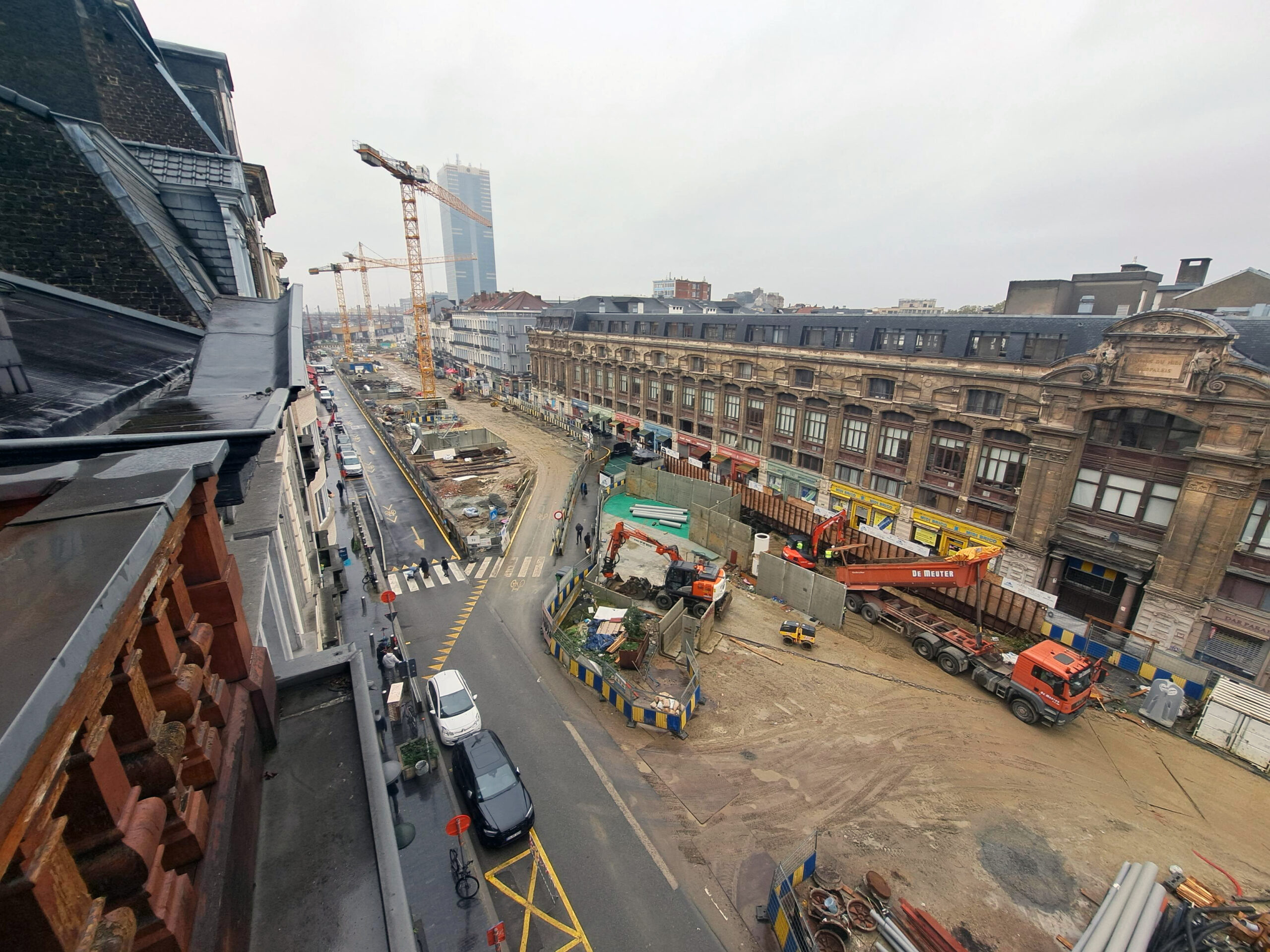
Avenue de Stalingrad near the city centre has long been a construction site due to the works on Metro line 3, with the Palais du Midi in the background (R). Credit: Belga / Timon Ramboer
Into the sunset?
Despite the challenges posed by both public and private interests, real estate speculation and a difficult socio-economic reality, the Brussels Region’s CRU7 ‘Around Midi station’ development plan maintains ambitious goals.
Many of these were developed in consultation with locals' needs and better connect them with surrounding districts that are disrupted by the sprawling railway infrastructure.
One example will be the Esplanade de l'Europe and the Rue Couverte. In particular, plans aim to set up local facilities in the small quadrilateral (the area under the train tracks), including an urban sports centre and a care centre.
A shelter for unaccompanied foreign minors will also be built on Boulevard du Midi. However, this has attracted some criticisms due to its proximity to various drug hotspots, where vulnerable minors are often exploited by gangs.
At the heart of the station, the programme includes the redevelopment of Place Victor Horta, Rue de France, Rue de l'Instruction and the Rue Bara and Rue Vétérinaires crossroads into green or transport-friendly spaces. Cycle paths will be created to make the connection from Rue des Vétérinaires to the Deux Gares block safer, greener and more pleasant, the region stated.
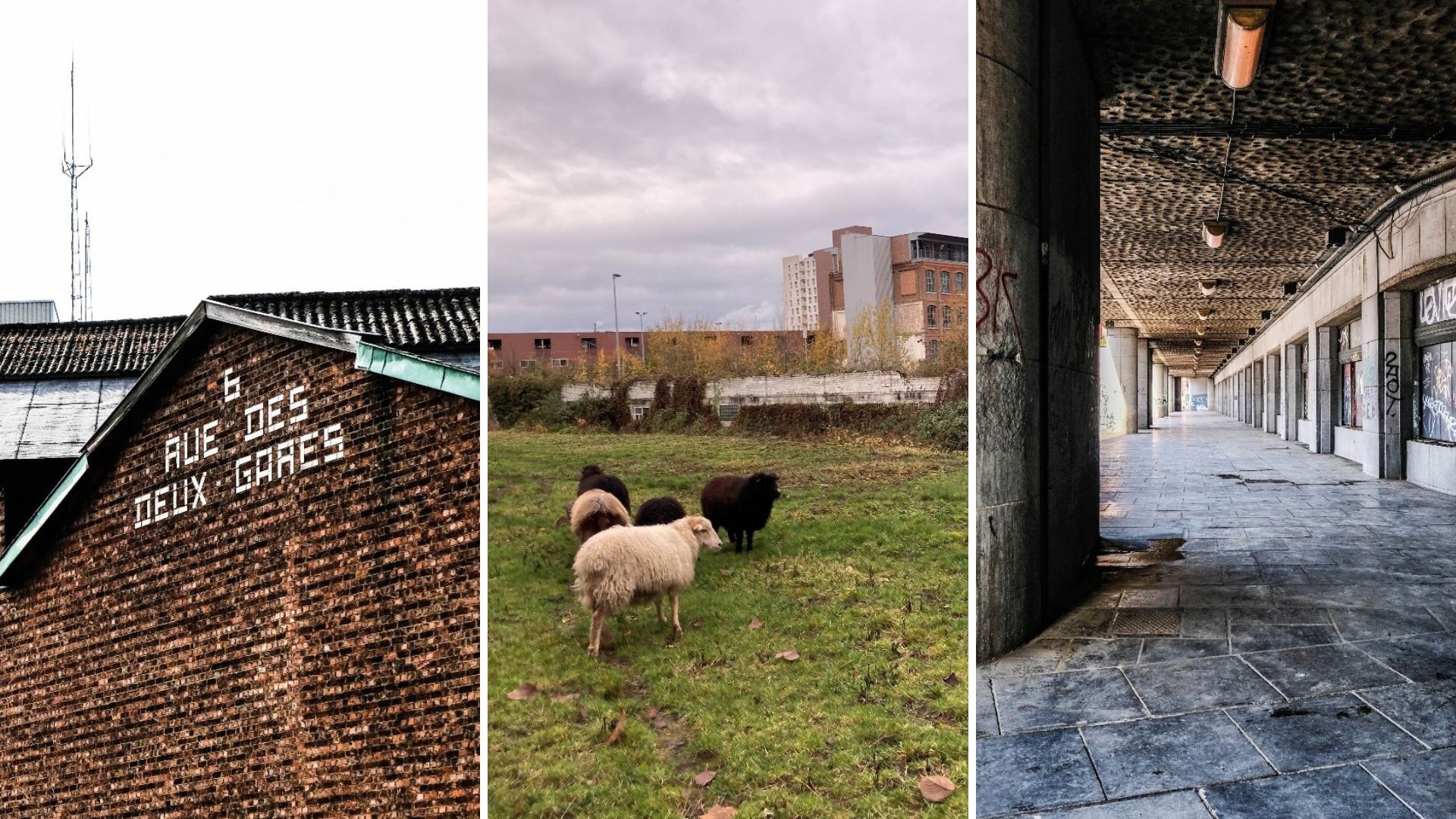
Left to right: Halle depots near the Ilot des Deux Gares; green spaces next to river Senne; the Quadrilaterals. Credit: Perspective Brussels
A new park will also be built along Brussels’ forgotten river, the Senne, on the Anderlecht side, not far from Wiels. The Senne river was covered in the 19th century for sanitary reasons, and sees its last light of day just before Midi station. Overall, the region wants to spend €14 million on greening this particularly densely populated area.
The three municipalities will also be launching calls for projects aimed at tackling the social and health problems of the neighbourhood's disadvantaged residents. Projects relating to public cleanliness, waste management in connection with the Brussels-Midi market, urban climate challenges and local economic dynamics are also welcomed.
While the area's residents and many commuters will not be treated to whiffs of chocolate any time soon – there are still hopes that, one day, the the sun will shine over the Quartier Midi/Zuidwijk.
