
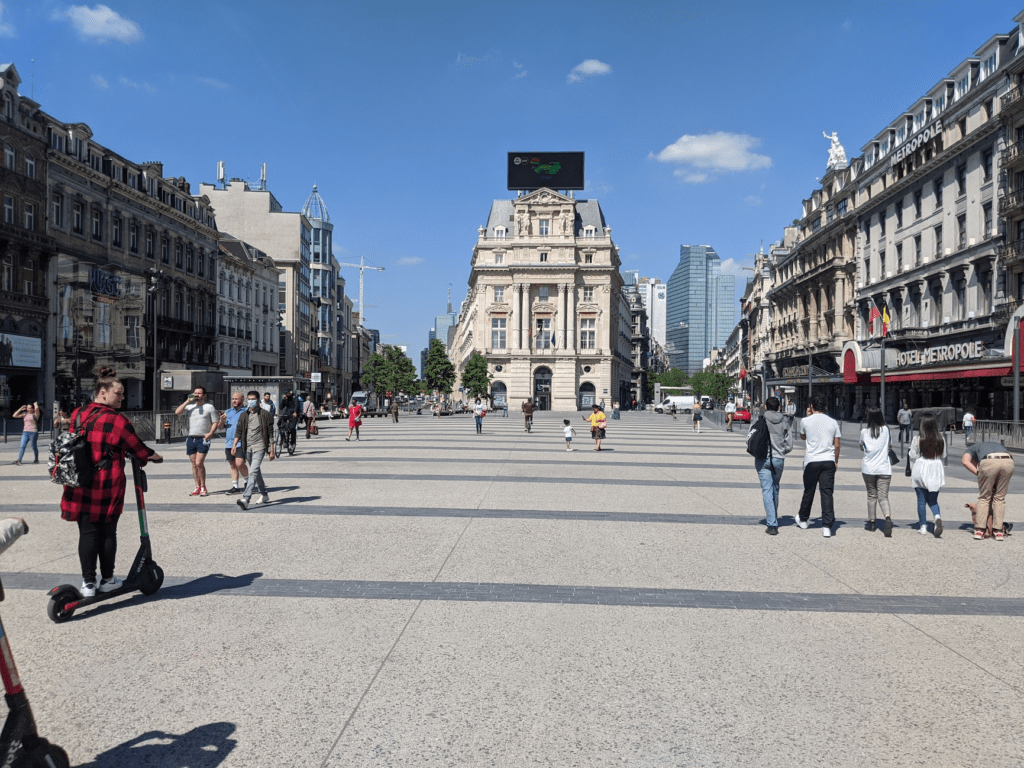
More than 75,000 Belgians moved to another region last year – the highest number in 13 years, according to figures from the Home Affairs Ministry requested by real estate federation CIB. Despite an influx of young people, large numbers of residents continue to leave Brussels.
A total of 36,970 Brussels residents left their region last year, while 20,632 new people settled there. Even though the number of Flemish people moving to Brussels reached a record high (11,618), the capital is failing to retain families, dual-income households, and middle-class profiles in the long term.
"Brussels loses families to the outskirts year after year," said Kristophe Thijs, Communications Director at CIB, who spoke of a "double-edged migration."
"The influx of young people, expats, and single people is not enough to structurally compensate for this loss. The figures reflect a life-stage migration. Young people move to Brussels for study or career, but families leave for peace and quiet, space, and a house with a garden."
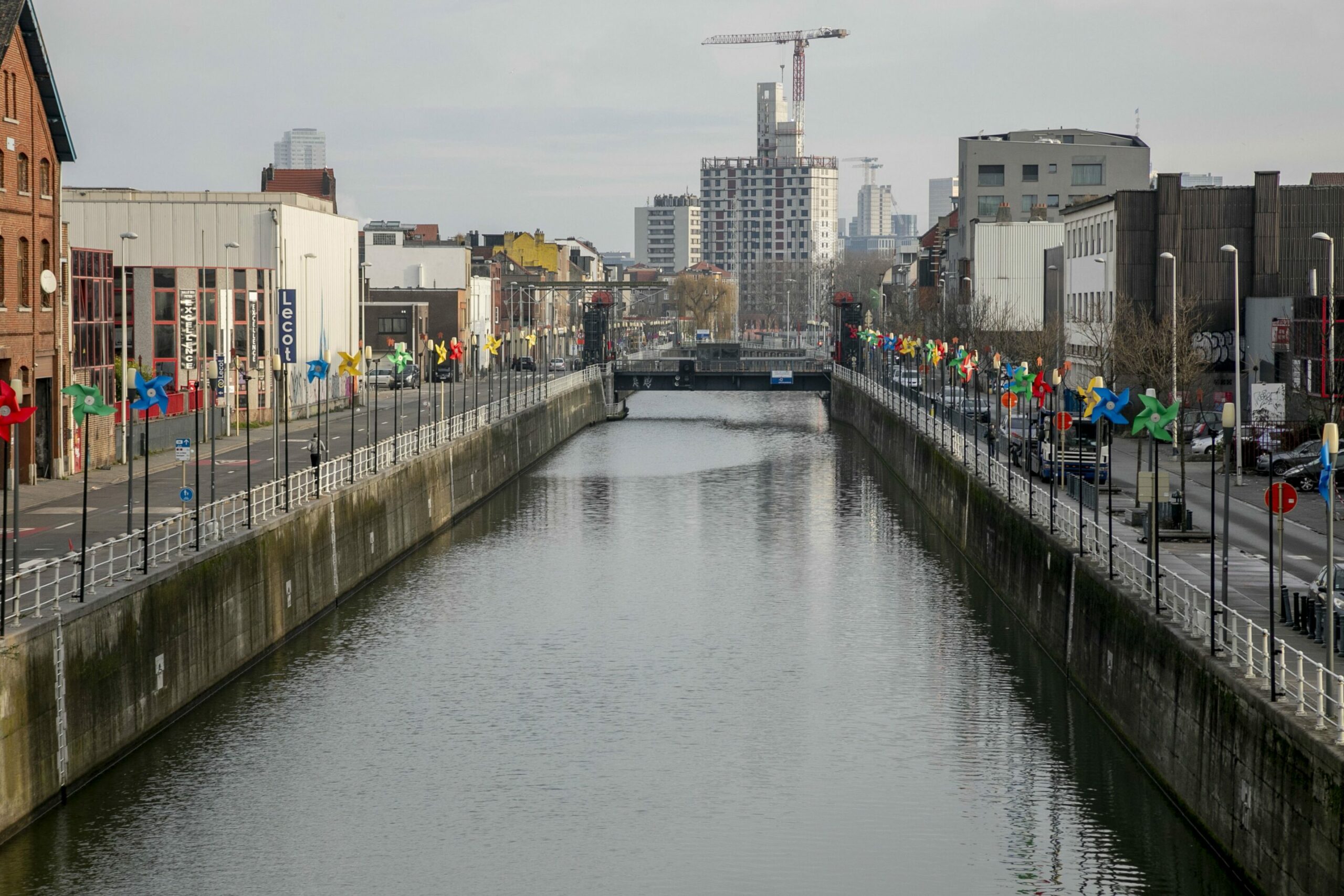
Molenbeek-Saint-Jean. Credit: Belga / Hatim Kaghat
For the CIB, the structural urban exodus points to a policy bottleneck; Brussels is primarily focused on renting, not on "establishing roots." The lack of fiscal and structural incentives for families who want to buy or settle permanently has plagued Brussels "for years."
"Without targeted measures to anchor the middle class, Brussels will lose its socioeconomic backbone to the surrounding municipalities and beyond," the CIB added.
Although a record number of Flemish (11,600) and Walloons (9,014) moved to Brussels, they are too few to compensate for the outflow.
According to Patrick Deboosere, a demographer at the Vrije Universiteit Brussel (VUB), the exodus from Brussels is not a new phenomenon. "Housing prices play a major role in this," he told De Tijd. "The high pressure on Brussels schools and childcare facilities, with their long waiting lists, also plays a role."
Not shrinking
Still, this does not mean that the Brussels population is shrinking. Figures from the Belgian statistics agency Statbel show that the region gained a net of over 6,200 residents in 2024. While this growth is mainly due to migration from abroad, Brussels also remains the only region that registers more births than deaths.
Of the 36,970 Brussels residents who left the region last year, two-thirds (23,699) went to the north of the country. With a record number of nearly 10,000 Walloon residents also moving to Flanders last year, the region welcomed over 33,600 new arrivals.
"Flanders remains a major residential magnet in the Belgian migration landscape," the CIB said. "In particular, the Flemish periphery and medium-sized cities such as Mechelen, Leuven, and Aalst score highly. The region offers an attractive combination of job opportunities, good education, and relatively affordable housing compared to Brussels."
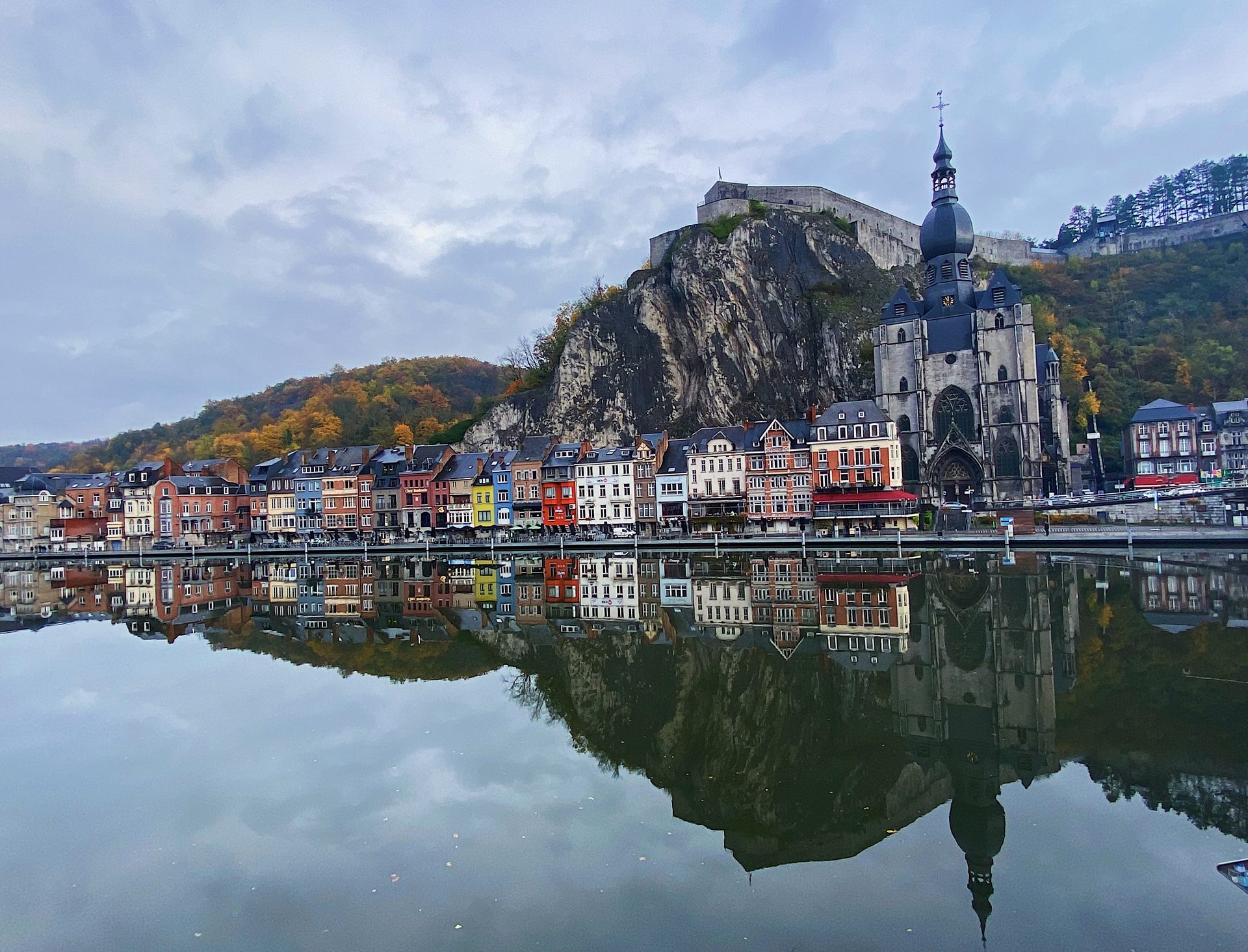
Dinant. Credit: Isabella Vivian / The Brussels Times
Wallonia also saw an influx of both Brussels residents (13,271) and Flemish residents (8,079). Although the economic appeal is more limited, housing affordability remains a decisive factor, according to the CIB. "Border municipalities around Walloon Brabant and Namur are particularly popular."
For the real estate federation, the current migration figures clearly show that housing in Belgium is no longer bound by regional borders, but that policy still is. Housing taxes, premiums, property regulations, social housing, and spatial planning are organised on an island basis, while people move according to different logic: life stage, accessibility, cost, environment, and future prospects.
"Without structural cooperation between regions, people continue to move in a policy vacuum, where housing is too often a consequence of chance rather than choice," they stressed.
