

The summer season has officially ended. As September rolls around and people are getting back into the swing of normal work or school life, a long series of new measures and decisions will be implemented across the country.
The most important changes and how they will impact people can be found here.
Back to school
Smartphone ban takes effect in education
Starting this school year, a smartphone ban will be in effect in all primary schools in Belgium, as well as secondary schools in Flanders. In the third year of secondary school, the ban will only apply during school hours, and schools can choose whether to allow smartphones outside of school hours.
The ban applies not only to smartphones, but also to other smart devices such as smartwatches. According to Flemish Education Minister Zuhal Demir (N-VA), the measure is "a matter of common sense."
An exception may apply to pupils with special educational needs, as well as to those who use a smart device for medical reasons (children with diabetes who need to monitor their blood sugar levels, for example).

Credit: Belga/ Didier De Hoe
Stricter rules for skipping school
Starting this school year, the rules on truancy will become stricter. For example, parents of students who are absent for 30 half days (or more) without a valid reason will lose their school allowance after one school year. Until now, this was only possible after two consecutive school years.
The school allowance is an annual support payment in Flanders for low-income families with school-age children. The allowance is calculated and awarded automatically.
Healthy food at school for 64,000 children
Nearly 64,000 students in 277 Flemish schools will receive healthy food at school this school year, as a result of a call to action signed by 13 cities and municipalities. The schools and municipalities can count on €6.2 million in support from Flemish Welfare Minister Caroline Gennez (Vooruit). A second call will follow in October.
Healthy school meals were a key issue for the Flemish socialist Vooruit party, first leading up to the elections and then in the government negotiations. "Every hungry child is one too many. And someone who is hungry cannot concentrate in class. Neither can someone who eats unhealthy food."
This summer, cities and municipalities could apply for a subsidy for healthy school meals. For every €100 invested by Flanders, €75 is being provided by local authorities. In the initial phase, it will primarily be larger (central) cities that are participating.
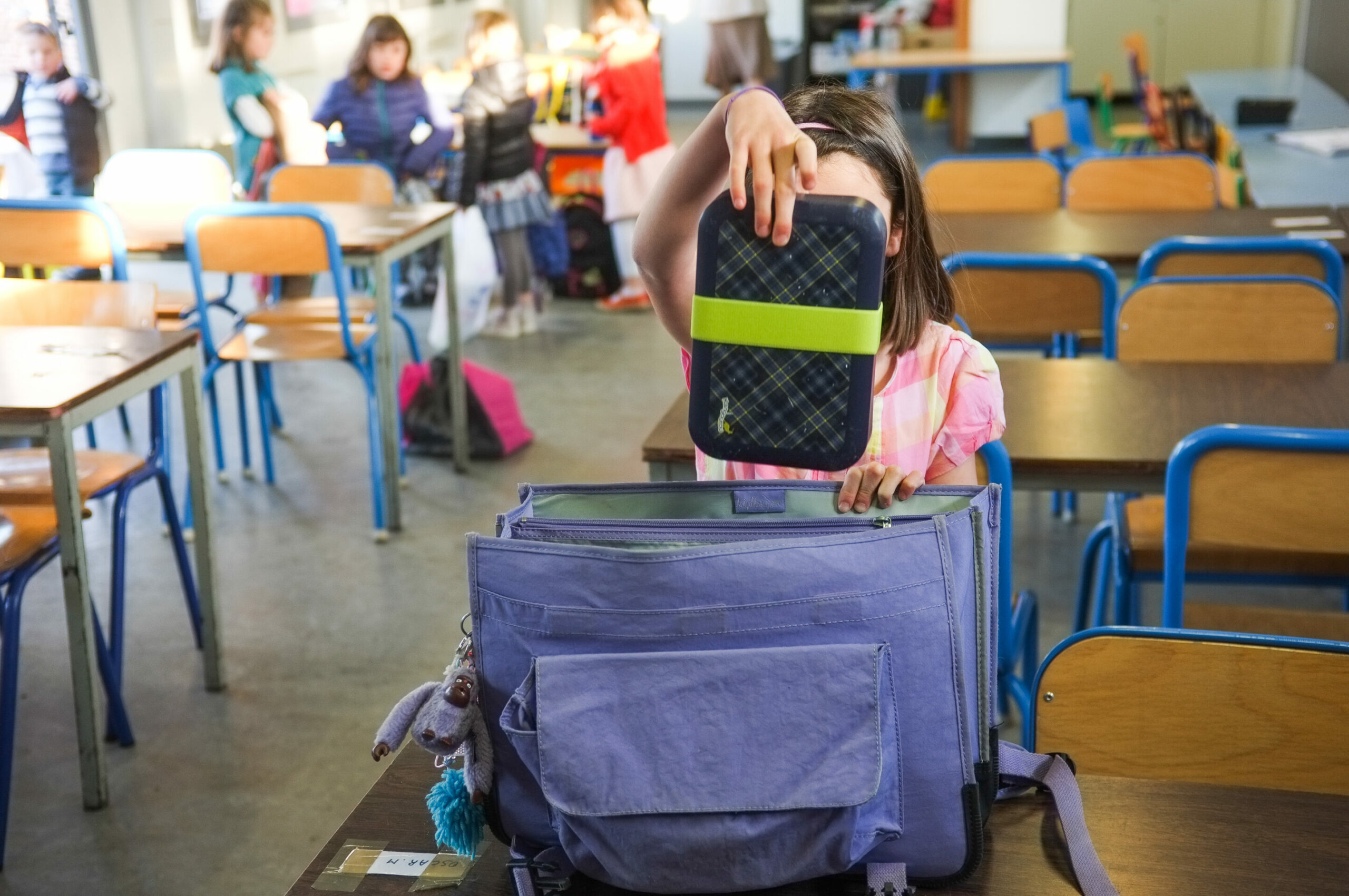
Illustration picture shows a girl with a lunch box at school. Credit: Belga / Bruno Fahy
'Hobby' courses for adults much more expensive
No more learning a new language or pursuing a creative hobby at a moderate price, subsidised by the authorities. A reform concerning registration fees for adult courses comes into effect on 1 September.
The price of courses that are considered "leisure" will increase: instead of €1.50, adult students will now pay €4 per hour. This includes language courses, among others, but also flower arrangement and cooking, among others.
Training courses that lead to qualifications and employment will also increase in price, but only to a limited extent, while those that lead to jobs of which there is a shortage will become less expensive, at €1 per hour of instruction. The measure, which will save Flanders €33 million per year, has been widely criticised.
Additional Dutch lessons for students with language delays
Pupils in primary and secondary education with language delays will receive additional Dutch lessons, as the Flemish Government aims to address declining language proficiency in children.
In primary education, the class council can decide to have pupils take three additional hours of language lessons per week. A similar arrangement will also be introduced in secondary education. Additionally, the existing OKAN classes (reception classes for non-Dutch-speaking newcomers) will be transformed into fully-fledged language classes with a knowledge-rich curriculum, so that non-Dutch-speaking students can transition more quickly to mainstream education.
These measures are part of a broader plan to detect and address language deficiencies early on.
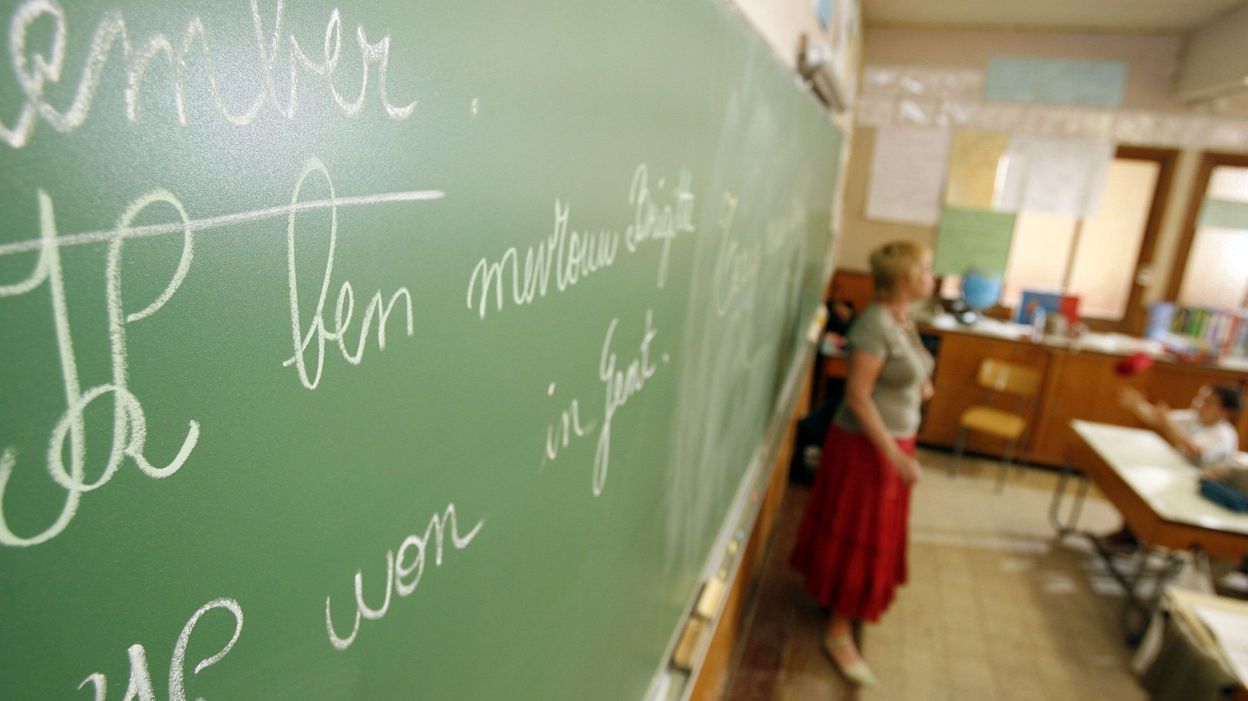
Dutch lessons in school. Credit: Belga
New curriculum for religion classes
For the first time in 26 years, the curriculum for religion classes in Flanders has been updated. The new curriculum will be gradually introduced in all primary schools starting September, before becoming mandatory in 2027.
The biggest innovation is the focus on religious literacy: students must acquire more knowledge about the Christian tradition and learn how it relates to current social issues such as migration, ecology, and peace.
The new curriculum contains 196 pages and focuses on ten major themes, each built around an existential dilemma, such as good and evil or connection and loss. Pupils are introduced to biblical stories, which serve as a starting point for discussions about contemporary issues. This connects the exodus from Egypt to the situation of climate and war refugees. Pope Francis's vision on ecology is also included.
The project was developed based on a survey of 14,000 students, parents, and teachers. According to Jürgen Mettepenningen, who collaborated on the plan on behalf of the bishops, the plan responds to students' requests for more lessons on peace and coexistence, among other things.
Parking in Brussels gets much more expensive
Parking rates in the City of Brussels will increase significantly after the summer, almost doubling. For example: two hours of parking in a green zone will cost €5.50 starting September, compared to €3 currently. Two hours of parking in a grey or red zone will increase from €5 to €9.20.
Additionally, a free ticket for a short stop will remain valid for 20 minutes (instead of 15 previously). With these changes, the City of Brussels says it is joining 12 other Brussels municipalities that apply rates established at the regional level.
The higher rates are part of new parking regulations approved by the Brussels City Council in June. They will take effect in phases. Parking times and the rates for resident permits and parking fines were already adjusted in July.
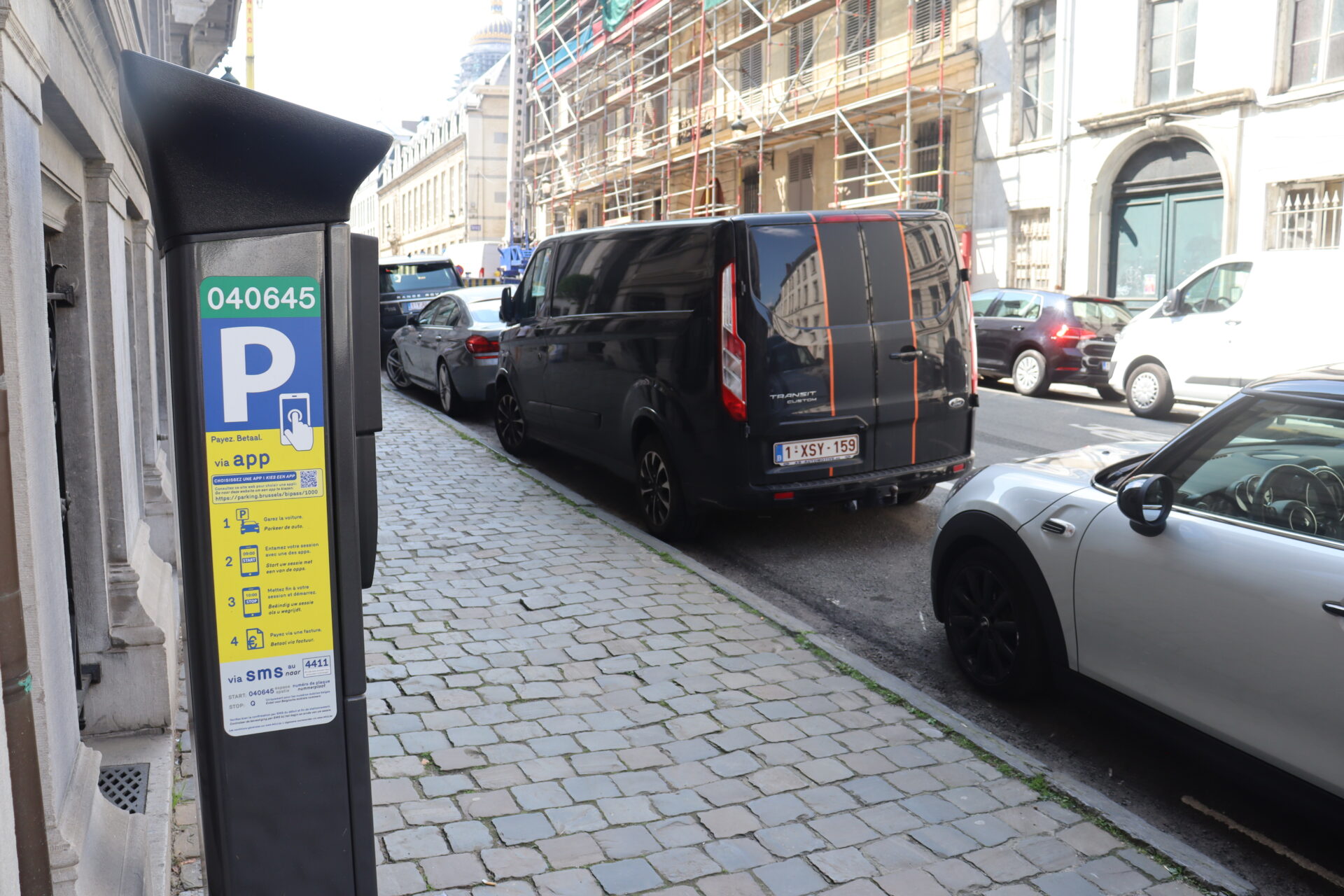
Credit: Lauren Walker/ The Brussels Times
Genetic testing for women in athletics
The World Athletics federation is introducing a genetic testing programme for athletes who want to compete in elite-level women's competitions. They will be required to undergo a one-time test that involves examining the SRY gene, which determines whether the tested individual has the Y chromosome.
This test is a reliable indicator of biological sex: those who do not have a Y chromosome are considered biologically female. The test is administered via a cheek swab or a blood test, whichever is more appropriate. It will apply to the World Championships, which begin on 13 September in Tokyo, Japan.
"The philosophy we uphold at World Athletics is to protect and promote the integrity of women's sport," said Sebastian Coe, president of World Athletics. "We say that if you want to compete at the highest level in the women's category, you must be biologically female. It has always been very clear to me and the World Athletics board that gender cannot take precedence over biology."
Sportpaleis becomes AFAS Dome
The Antwerp Sportpaleis event venue will officially be known as AFAS Dome Antwerp from this month. The new name was chosen as part of a long-term partnership with the Dutch software company AFAS.
This is the first time since its completion in 1933 that the now nearly century-old venue has been renamed. The intention is to use the funding from the new naming partner to invest heavily in the event venue, which is part of the be•at group, which also includes Lotto Arena in Antwerp, Forest National in Brussels, Trixxo Arena in Hasselt, and Capitole Ghent.

Helicopter picture shows the Antwerp entertainment hall Sportpaleis. Credit: Belga/Dirk Waem
Health, doctors and pharmacies
Gel nail polish containing harmful substance banned
Gel nail polish containing TPO (trimethylbenzoyl diphenylphosphine oxide) is being banned in the EU. From now on, it is no longer allowed to be sold or used, meaning many nail technicians will have to throw away their stock and find an alternative.
The substance, which causes the polish to harden under a UV lamp, can cause skin irritation and is also likely harmful to fertility. Anyone selling gel polish containing TPO after 1 September will face a fine of €1,000 to €120,000.
The website of the well-known brand Pink Gellac stated that their gel polish does not contain TPO. The new European legislation also adds 21 other substances to the list of prohibited cosmetic ingredients.
All of these substances are carcinogenic, mutagenic, or harmful to reproduction.
Doctors and dentists will no longer issue paper certificates
The paper certificates that patients must submit to their health insurance fund for reimbursement after their doctor's visit will be a thing of the past from now on. Doctors and dentists will be required to invoice electronically from now on, according to the National Institute for Health and Disability Insurance (NIHDI). The obligation applies to all outpatient services, meaning all treatments outside of a hospital stay.
Most doctors and dentists already invoice electronically, and therefore most patients no longer receive paper certificates. By the end of 2024, general practitioners were invoicing almost 95% of all services electronically, dentists over 83%, and specialist physicians almost 85% of consultations.

Credit: Canva
Patients will always receive a receipt with the amounts paid, either on paper or electronically via the eBox.
There are still some exceptions. For example, doctors who were at least 67 years old at the beginning of 2023 may still invoice on paper. The same applies to dentists who were at least 63 years old at the beginning of 2024.
New regulations change the prices of certain products sold in pharmacies
The prices of certain products sold in pharmacies, such as non-reimbursed cosmetics or nutritional supplements, will change following the decision by the General Pharmaceutical Association (APB) to no longer provide indicative prices for products with an unregulated price structure.
The decision does not apply to products with a regulated price structure (such as medicines or healthcare services reimbursed by the National Institute for Health and Disability Insurance), regardless of whether they are reimbursed or not.
For all other products with an unregulated price, each pharmacist will be able to set their own retail price based on the purchase price, the desired margin, and other parameters.
Service voucher companies must report additional costs
From now on, service voucher companies in Flanders must register any additional costs they charge customers with the government – which should lead to an online price comparison tool.
Many service voucher companies not only charge users the cost of the vouchers, but also additional administrative costs. They use this money for things like cleaning products, travel expenses, or staff training. The cost is sometimes calculated per hour, per week, per month, or per year.
Now, companies must report the additional costs and indicate how they spend this extra money. These details will then be published. "This way, it is clear to consumers from the outset which service voucher company charges which financial interventions," said the Flemish Government.

Credit: Rawpixel
Stricter conditions for training leave
The conditions for using 'training leave' in Flanders will become stricter: only those who work at least four-fifths and an average of at least 28 hours per week will still be eligible.
Training leave is available to private sector employees. In certain cases, employees may be absent from work to attend training or study for a specific course, while retaining their pay. Until now, employees were required to work at least 50% of their working hours as salaried employees.
Unions and employers reacted with dissatisfaction to the tightening. "The government is strongly committed to activation. Investing in employee training and guidance is a logical addition. But we are seeing a reverse trend. Cutting back on lifelong learning is jeopardising our prosperity," said Stijn Gryp, national secretary of the Christian trade union ACV.
