
From the cost and the different contracts to solar panels and more, matters related to energy concern everyone. And oftentimes, they can be confusing. To shine a light on the complexities, consumer protection organisation Testachats dives into a topic affecting customers for The Brussels Times. This month, the focus is on dynamic energy rates and negative prices.
Understanding where your electricity comes from and how it is used is key to understanding how much customers are paying for their energy usage. Previous explainers delved into energy bills, how (and when) to switch suppliers, solar panels and heat pumps, this one focuses on a new type of energy contract.
What is a dynamic energy rate exactly?
"Having a dynamic energy rate in your contract means that the energy price changes every hour. When there is a lot of energy available, the price is low. When there is little available and/or a lot of people using it, the price is higher," Laura Clays, spokesperson for Testachats, told The Brussels Times.
This means savings can be made in the afternoon and at night, she stressed. "Around 20:00, when solar power disappears and many families are using electricity, the price can easily be five times higher."
For a contract with a fixed energy rate, the price per kilowatt-hour (kWh) consumed is determined in advance. This rate is fixed for the entire term of your energy contract and therefore does not fluctuate with energy market prices.
"This means that fixed rates offer the most security, but they are generally more expensive than variable and dynamic rates," Clays said.

Credit: Belga
With a variable rate, your price fluctuates with changes in the energy markets. This price is adjusted monthly or quarterly based on the daily price quotes on the energy exchange to which your contract is linked.
"This means you do not know in advance how much you will have to pay for your energy consumption," she said, adding that the timing of your consumption within a given month (i.e., which days or hours you use a lot or a little energy) does not affect your price.
Dynamic energy tariffs are a relatively new phenomenon and, for now, they are not very popular. However, experts expect their popularity to grow in the coming years as the electrification of people's energy needs increases.
In Flanders, it has been possible to sign up for a dynamic contract for some time now. Around 15 suppliers now offer at least one dynamic tariff. Since June 2025, it has also been possible to sign up for a dynamic tariff in Brussels.
A dynamic energy rate, something for me?
While it is technically possible to sign up for such a dynamic tariff in Brussels, there is no commercial offer yet but Clays is confident that one will become available soon. "Meanwhile, it is already available in Flanders. And in Wallonia, the rollout is lagging behind."
You can only sign up for a dynamic tariff if you have a digital meter. Additionally, you must authorise your grid operator to forward the quarterly readings from your meter to your supplier.
With a dynamic energy tariff, you pay a fair price for the electricity you use: your rate is directly linked to fluctuating market prices. With a fixed or variable tariff, on the other hand, you pay an average price, regardless of when the electricity is used. This increases the risk for the supplier, which translates into a higher risk premium for the consumer.
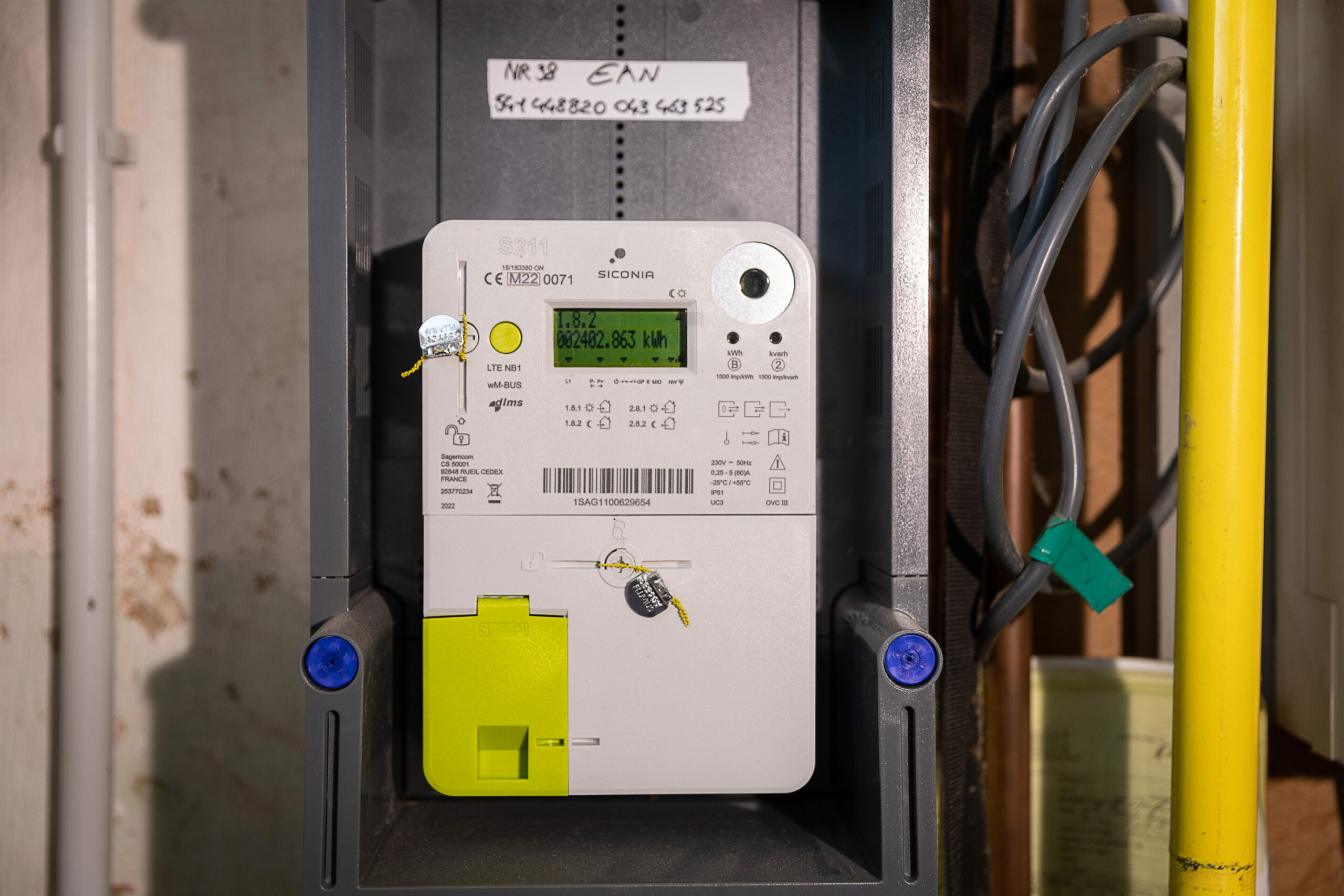
A smart digital electricity meter. Credit: Belga/ James Arthur Gekiere
If you have many appliances in your home that consume a lot of electricity (such as an electric car, heat pump, home battery) and you can schedule your consumption for low-cost hours, a dynamic tariff can help you save on your energy bill, especially when prices drop below zero.
"A dynamic tariff does require more effort than a fixed or variable tariff," Clays said. "Those who do not keep a close eye risk having to pay more."
Ideally, you would have 'smart' control systems in your home that do this work for you, such as a smart charging station that automatically charges your car when cheap electricity is available. "However, such systems also represent an additional expense."
Those with solar panels generate their own electricity during the day when prices are lower. In that case, you should keep in mind that the feed-in tariff for such a dynamic tariff also varies hourly and can even be negative at times.
Negative electricity prices, what does that mean?
Negative electricity prices occur when there is so much electricity available that suppliers will pay to get rid of it. With a dynamic electricity contract, you receive money to consume electricity at that time, but you also have to pay if you want to feed electricity from your solar panels into the grid.
"The number of hours with negative electricity prices has already broken a record this year, and we still have a few more hours to go," Clays said. "So, there will be more and more times when there is so much electricity available that you can be paid to use it."
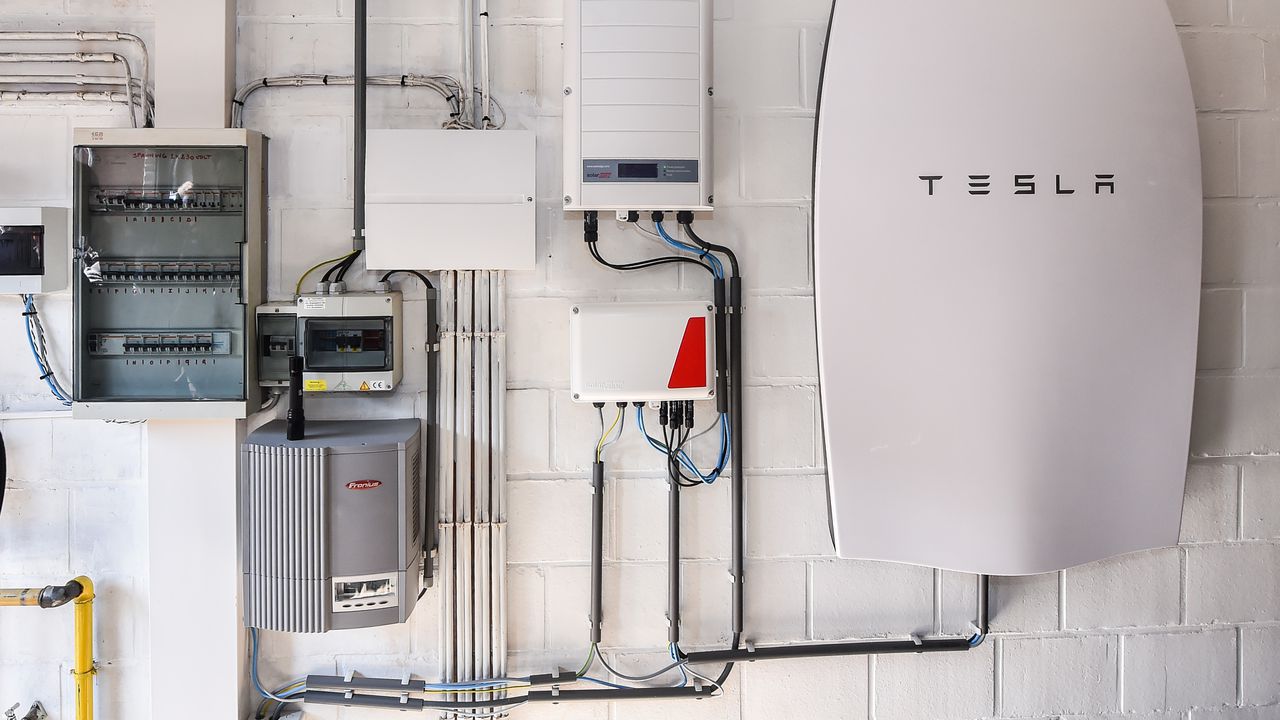
Home battery. Credit: Pixabay
Variable contracts are normally exempt from negative electricity prices, although that is no longer always the case. With some variable contracts, you have to pay per kilowatt-hour fed back in during the summer months (this was the case in April for an Octa+ contract, for example).
"Now that the number of hours with negative electricity prices is increasing every year, it is not inconceivable that this will also occur more often with variable contracts," she said.
Self-consumption is the key, as is access to plug-and-play home batteries. "Hopefully, these will be approved for the Belgian market this fall, because they are considerably cheaper than full battery installations and that way give more people access to higher self-consumption."
