
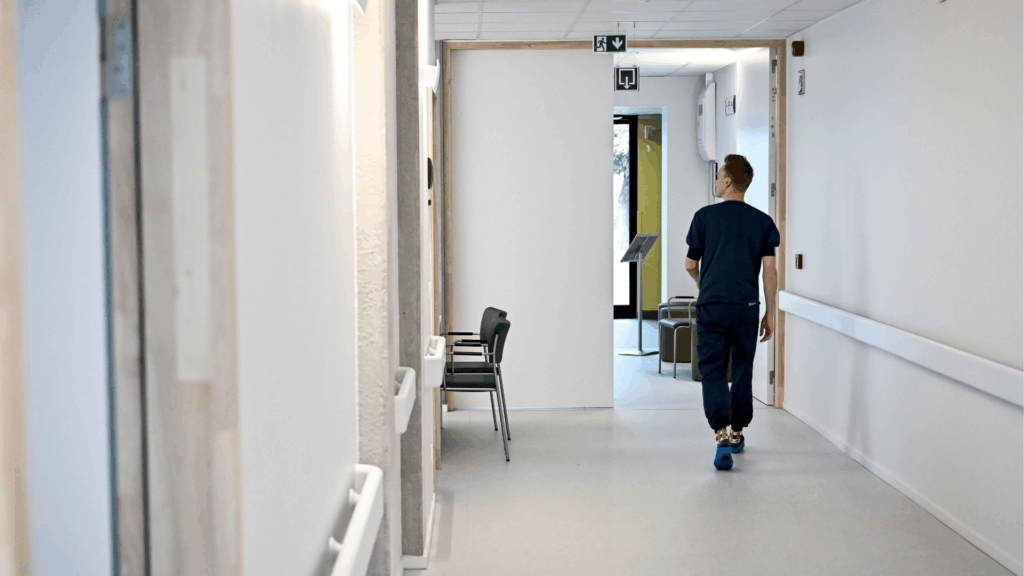
Several days had passed, but Dennis Kredler wasn’t feeling any better.
Two GPs told him it was most likely a regular flu and that some rest would help. But every hour that passed, Kredler just kept feeling worse.
Since going back to bed didn’t seem to do the trick, Kredler and his wife decided to call for an ambulance.
He remembers being rushed to an emergency department of a hospital and then, without his prior knowledge, being put to sleep, into a medically induced coma.
It was just over a week after he was sent to the hospital that he woke up again. “They told me: ‘You had sepsis, you’re lucky you survived,’” Kredler recalled.
That was the first time he ever heard about sepsis.
‘My story is very typical’
Kredler had parts of his foot amputated in 2016 as a result of septic shock, which he developed due to sepsis, an extreme reaction of the immune system to an infection.
Sepsis is estimated to affect around 41,000 people every year in Belgium, leading to over 7,000 premature deaths yearly.
Yet diagnosing it early can be difficult, in part due to the lack of public awareness of the condition, the varied symptoms, as well as a lack of medical training or national measures to combat sepsis.
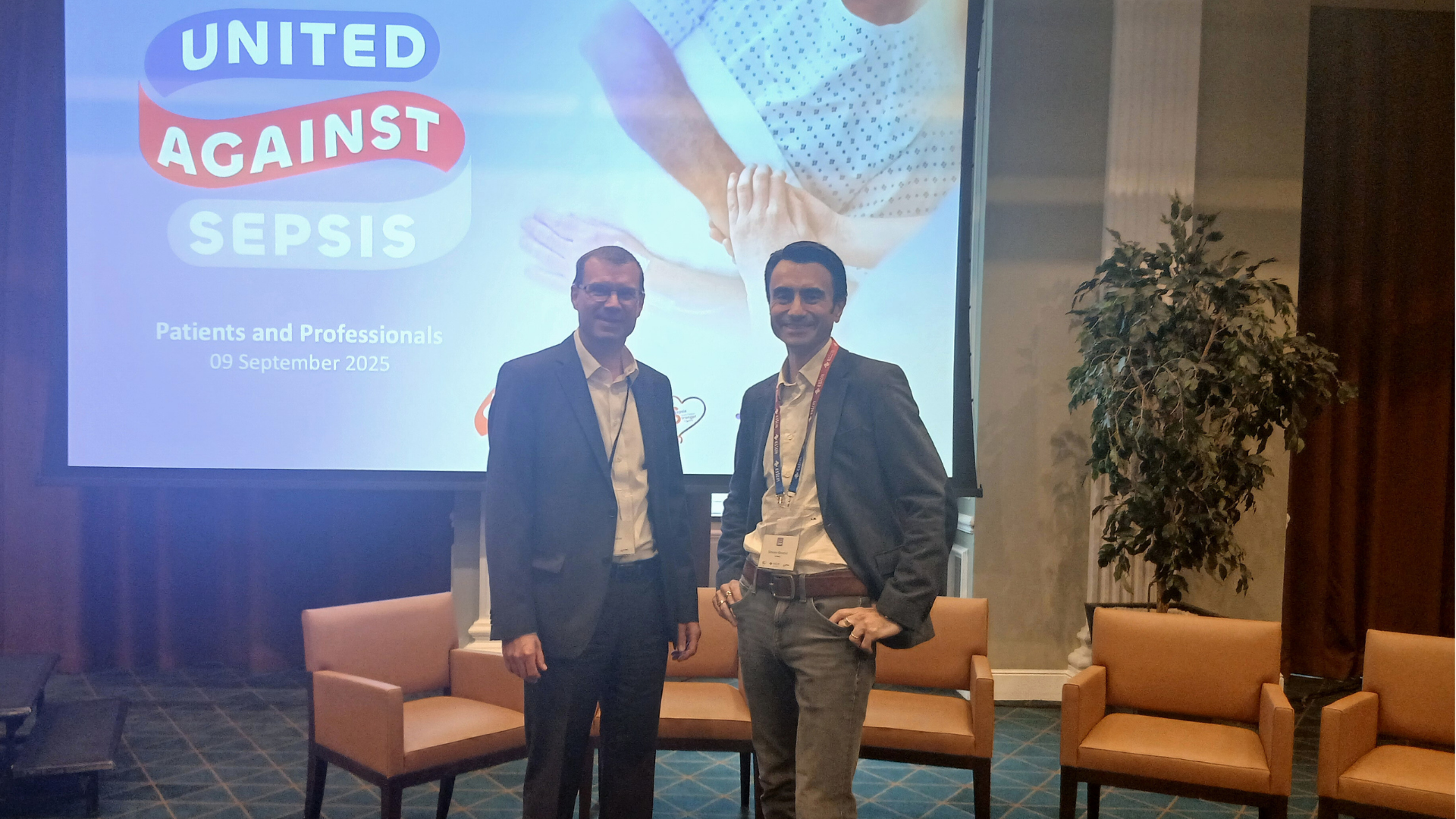
(L-R) Dennis Kredler and Simone Mancini from the Global Sepsis Alliance. Credit: The Brussels Times
The issues in healthcare systems in terms of measures to screen for and treat sepsis, which Kredler saw in his experience, led him to the non-profit Global Sepsis Alliance, with which he has been working to advocate for better sepsis policies.
Kredler's experience echoed the stories of survivor after survivor who were present at the United Against Sepsis (UAS) conference in Brussels on Tuesday, days ahead of World Sepsis Day on 13 September. “My story is very typical,” said Kredler.
Signs of sepsis
Sepsis can be caused by bacteria, a virus or a fungus. While anyone could develop sepsis, some are more at risk, including those with weakened immune systems, very young children, adults over 60 years old, or people who have recently undergone surgery.
The signs of sepsis are varied, and different symptoms can arise at different times. “Sepsis is a thriller. It's suspense. It's sometimes even a horror story...it's so unpredictable and it's so subtle in those early stages,” explained Dr Amy Campbell at the UAS conference on Tuesday.
The symptoms include fever or low temperature, extreme chills, slurred speech, drowsiness, confusion, fast heartbeat, low blood pressure, difficulty breathing, and body pain.
In children under 5 years old, symptoms commonly include difficulty in feeding, frequent vomiting or lack of urination.
Responding to Sepsis
As sepsis progresses very quickly, the treatment is most effective when it is diagnosed early. Those who suspect having sepsis are advised to seek the help of medical professionals immediately.
Once in the care of medical staff, treatment tends to include antimicrobials for the infection, as well as IV fluids or vasopressors to address low blood pressure.
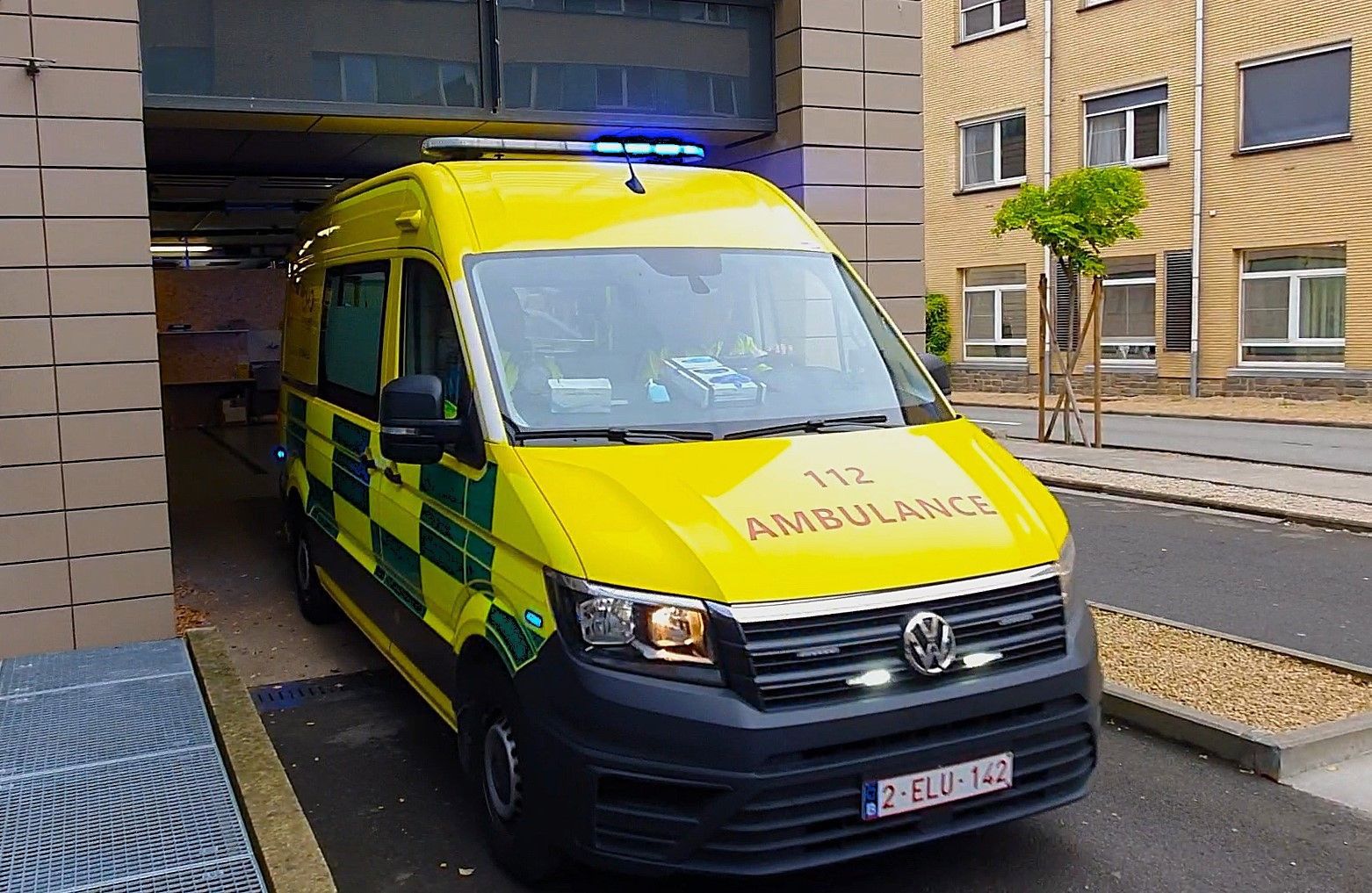
Sepsis is a medical emergency and requires fast action to be treated. Credit: Belga/Laurent Cavenati
While some patients with sepsis may make a full recovery without complications, others can suffer long–term consequences. This includes fatigue, muscle pain, organ damage, amputations, swollen limbs, respiratory issues, sleep problems or hair loss, for example.
In addition, there can be psychological and emotional effects, such as panic attacks, brain fog, concentration issues, depression, or PTSD.
National solution?
On Tuesday, the Federal Minister of Health, Frank Vandenbroucke, announced that Belgium was set to hire a coordinator to help implement the measures to combat sepsis proposed in 2024.
“I think that’s very encouraging…to see that in Belgium, sepsis is now firmly on the radar…that’s very important,” said Kredler.
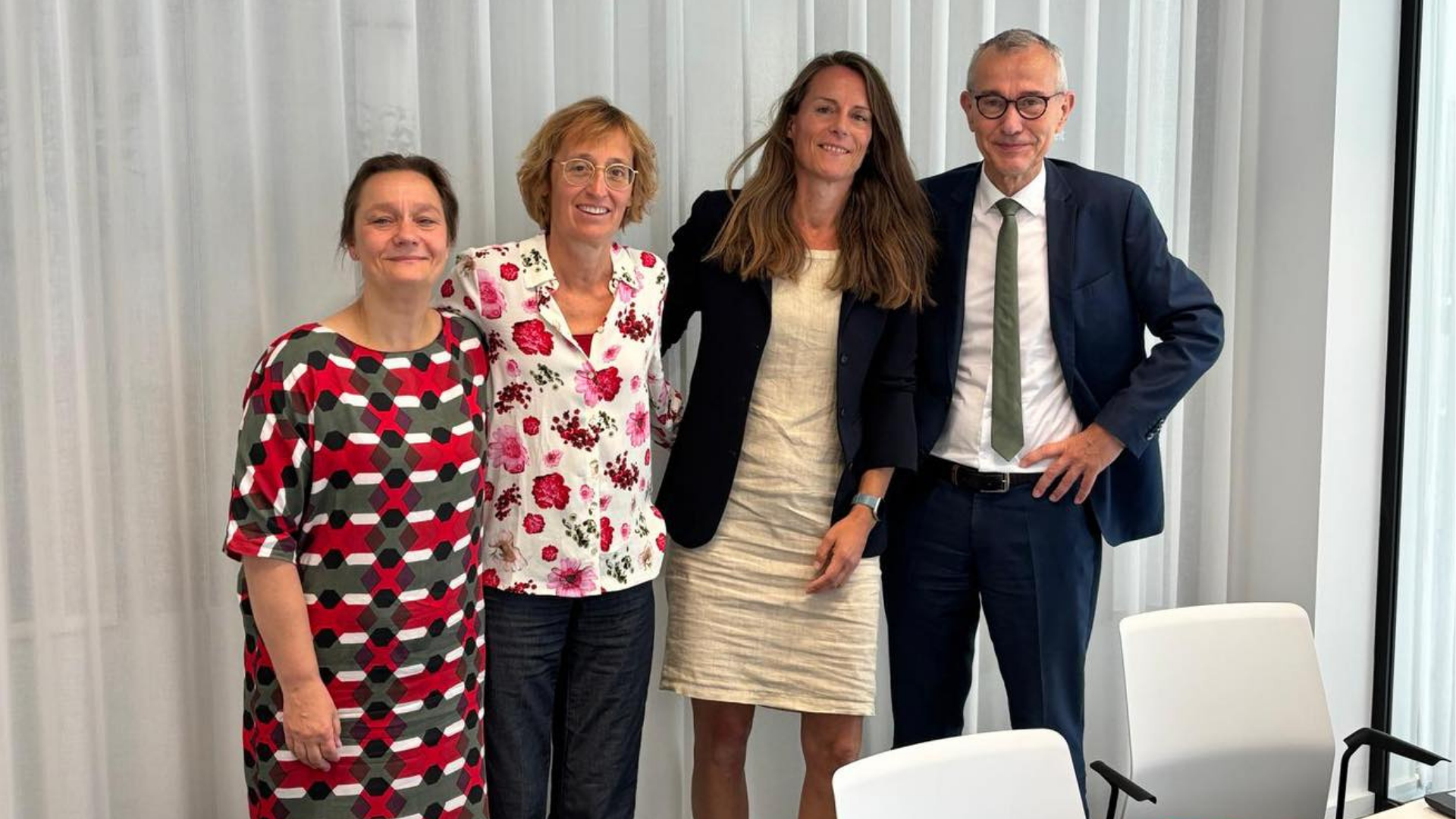
(L-R) Dr Erika Vlieghe, who worked on the proposed national sepsis plan, and sepsis survivor and Sepsibel spokesperson, Ilse Malfait, meeting with Federal Health Minister Frank Vandenbroucke (R) to discuss the proposed plan. Credit: Facebook/Sepsibel
While the progress was welcomed by the Belgian Sepsis organisation, Sepsibel, their spokesperson and sepsis survivor, Ilse Malfait, underscored the need for a quicker implementation of the national sepsis plan, and for other countries to follow suit.
“Patients and families deserve better. In Belgium, there is a strong foundation. The plan is written, yet it remains on paper, unrealised,” she said. “Governments are called to move from promises to implementation, from words to results. Together, patients, professionals and policy makers can save lives.”
