
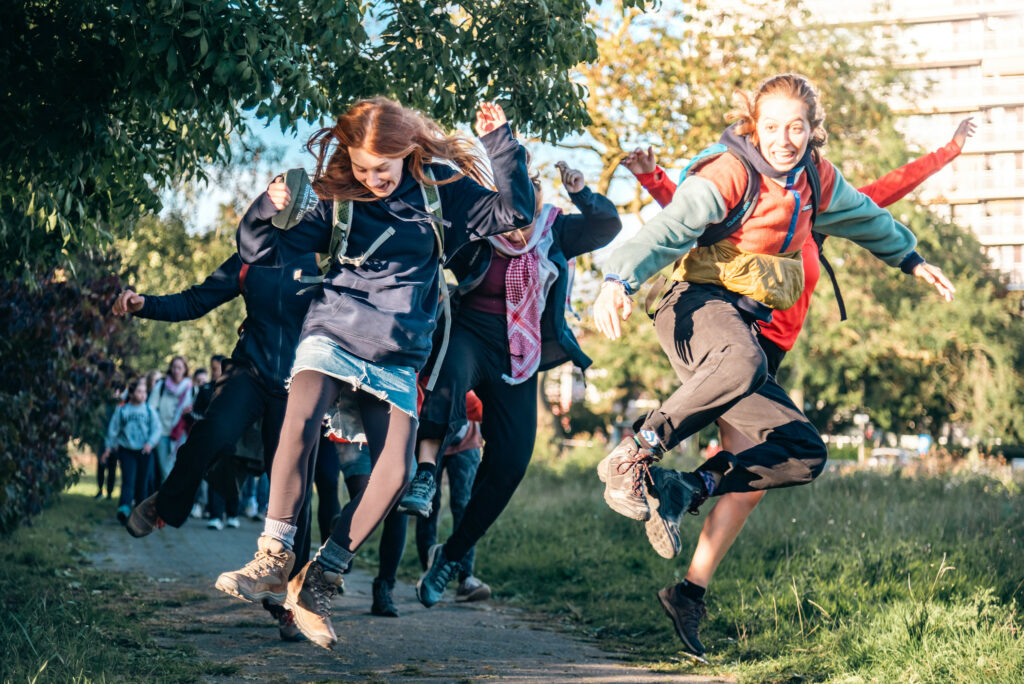
Every year, thousands of people embark on a hike to raise money for Flemish non-profit Vluchtelingenwerk Vlaanderen. Next week, on Sunday 21 September, the event will celebrate its tenth anniversary. But where does the money go and how has the project changed over the years?
The idea for a 'Refugee Walk' first came about in 2016, when Belgium's political climate shifted and the non-profit's government funding was cut. The team at Vluchtelingenwerk Vlaanderen had to come up with an innovative way to raise funds to continue their work and services for people fleeing war, disasters and persecution.
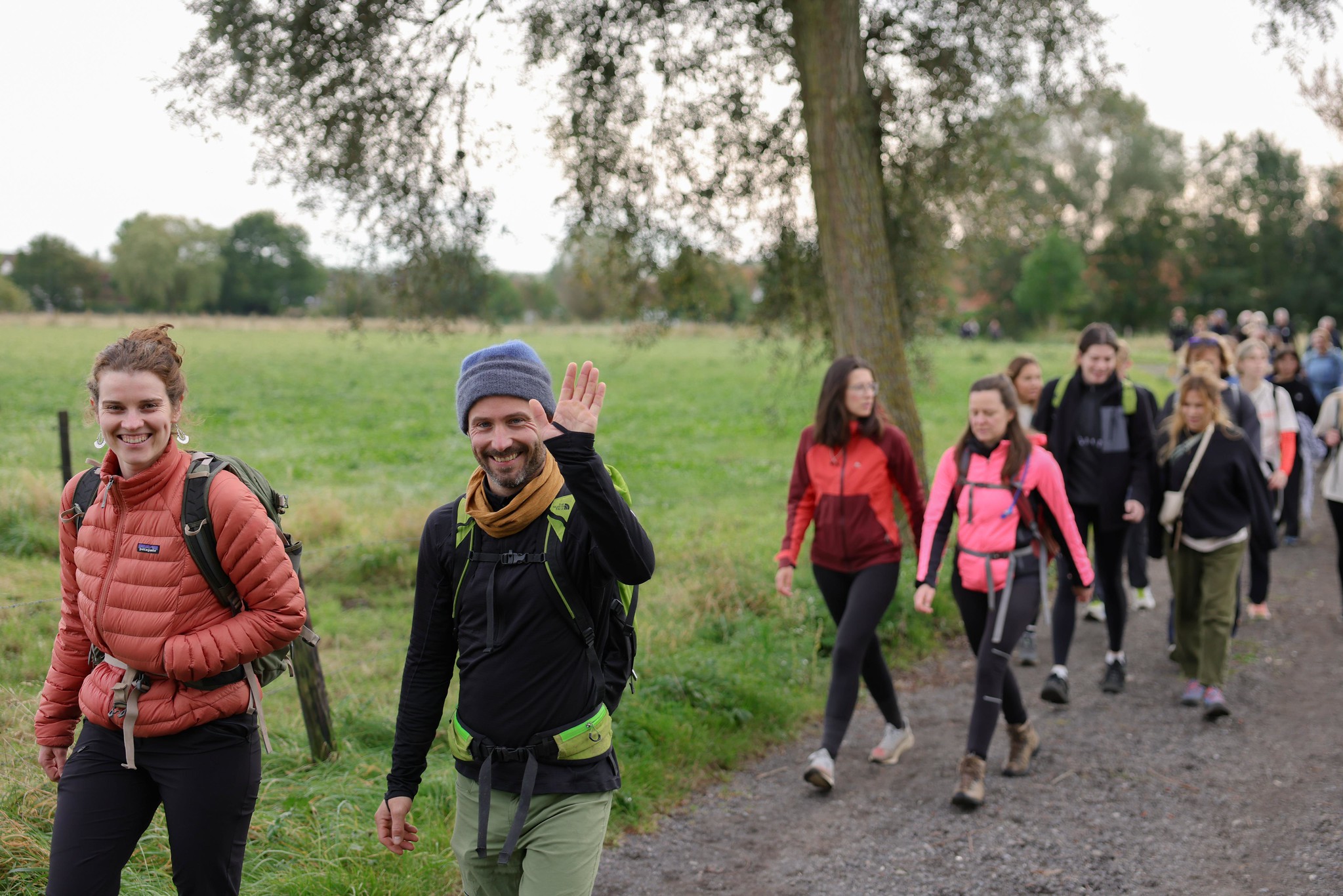
"The first edition only had around 500-700 participants. It was 10 km, 20 km, or 40 km, and there was only a central event," Eline Fuertes, Vluchtelingenwerk Vlaanderen's communications officer, tells The Brussels Times. "But it has become bigger every year. We should have 4,000 participants next weekend."
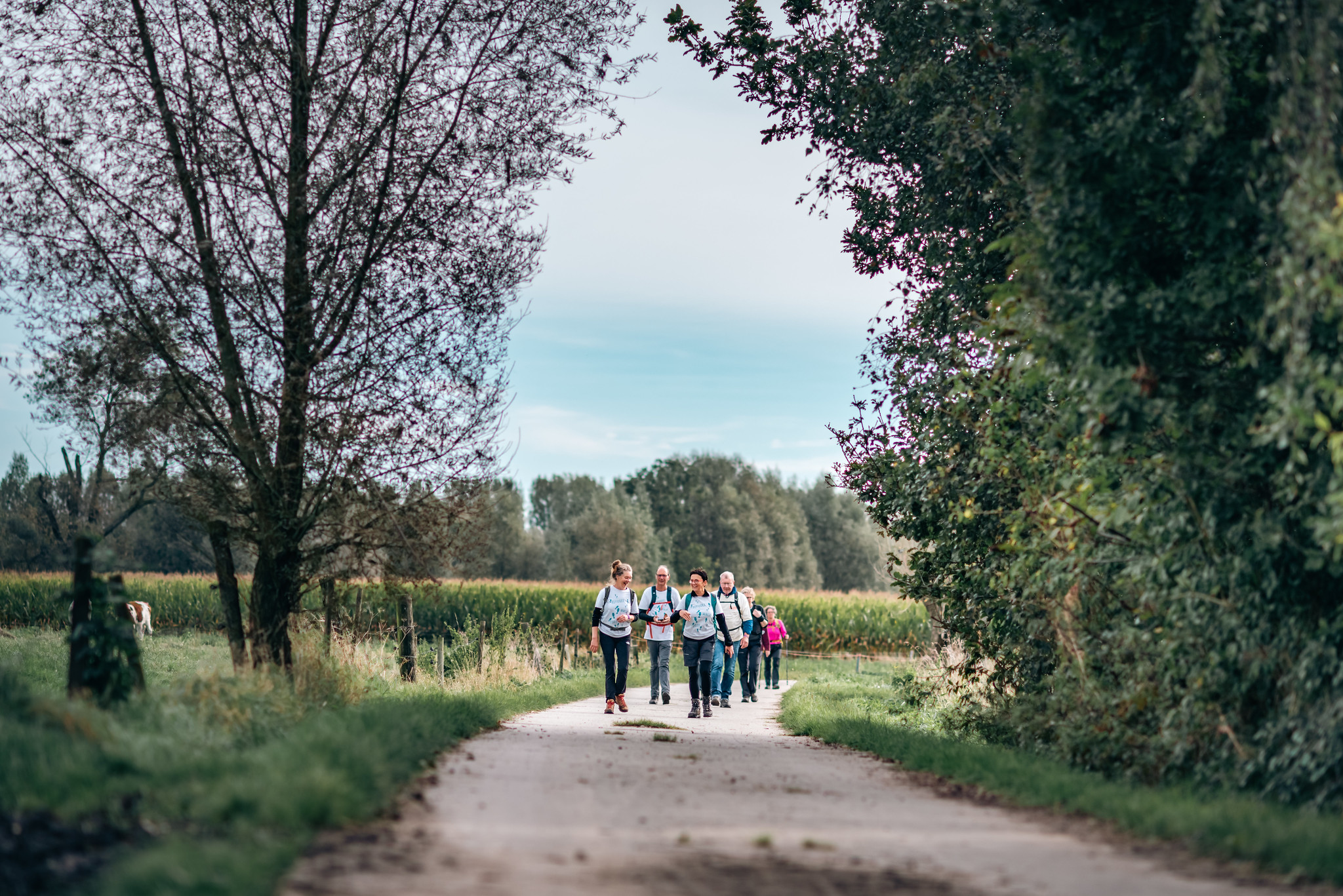
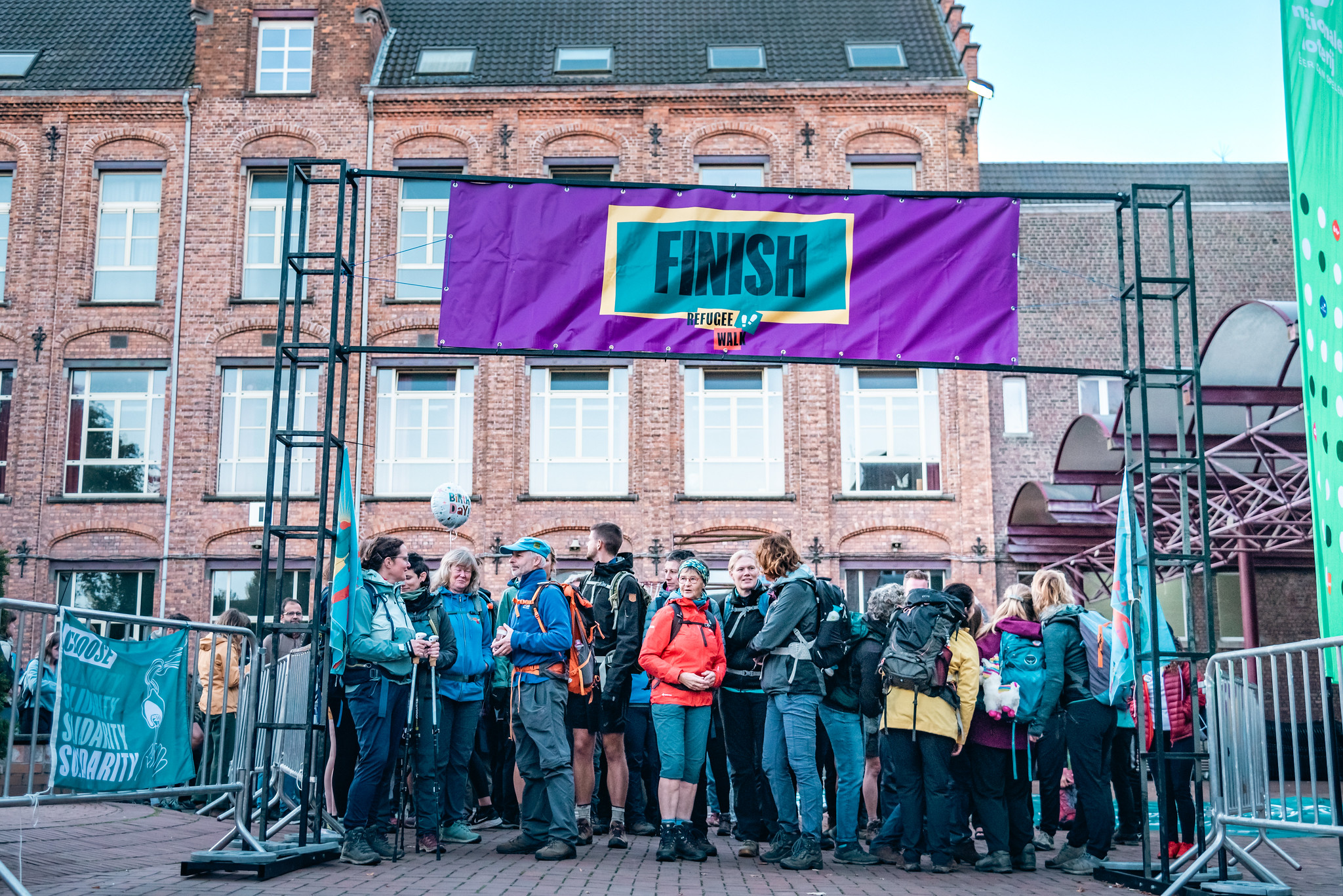
The Covid-19 pandemic has allowed for the Refugee Walk to also become more flexible. Participants can now choose to create their own route from anywhere in the world, instead of being bound to the central event (which is in Ghent this year for the second time).
Where do donations go?
The Refugee Walk is the non-profit's biggest source of income, alongside monthly donors. "Our monthly donors and the Refugee Walk is the reason why we can still exist." Due to recent tax reforms, she says there is extra pressure on organisations such as Vluchtelingenwerk Vlaanderen to source funding and donations. "And the opinions they create on migration are not helpful as well."
Donations allow for Vluchtelingenwerk Vlaanderen to continue operating its Startpunt service, where team members go to greet refugees who have just arrived in Belgium and help them start their asylum process. The team speaks some 20 languages to communicate with refugees in their mother tongue and explain their rights and how the entire process works.
Credit: Vluchtelingenwerk Vlaanderen
In addition, Fuertes says many people work in the policy team, putting pressure on the government to change its stance on migration, and improve the rights of LGBTQ+ refugees and simplify family reunification.
"[Policy makers] have made some awful decisions on reception and family reunification. This results in families with young children – and even babies – ending up on the streets. It has never been worse than it is now."
There is also a big team of lawyers who work at the Legal Helpdesk, which refugees can contact to get free legal advice on their individual applications. The Helpdesk reached a milestone of 10,000 cases in January this year – a bleak reminder of the scale of the reception crisis.
A team of five regional coordinators works on regional projects, collaborating with smaller organisations who help refugees in the country and help them settle into their new life. The communications team works to spread awareness and change public discourse surrounding migration, while an education team work on creating tools for teachers with refugees in their classes.
Credit: Vluchtelingenwerk Vlaanderen
Vluchtelingenwerk Vlaanderen does not have capacity to organise more fundraising events on top of the Refugee Walk, but there are other ways people can get involved. "We also have a platform where people can donate and the funds that are raised on that platform go to volunteer organisations in Belgium who work for refugees. We're always looking for volunteers in the field, such as volunteering as a lawyer at our legal help desk or at our assessment team," Fuertes says.
"The most important thing is that you speak English – and preferably another language – to tell people about their rights, to comfort them, to give them information and some food in the mornings."
Showing solidarity
As well as raising money for a good cause, Fuertes says the day itself brings people a lot of joy. "It's such a fun day filled with lots of laughter and solidarity," she says.
"For me, it's a heartwarming day because all year I'm confronted with so much bad news about our work. But on this day, we are surrounded by people who do care about every human, and people with a refugee background and want to show solidarity. Everybody wants to do something nice for another human, and that's highly valued."
Registrations to participate close on Monday 15 September. For more information on how to sign up, see here.
Credit: Vluchtelingenwerk Vlaanderen
