
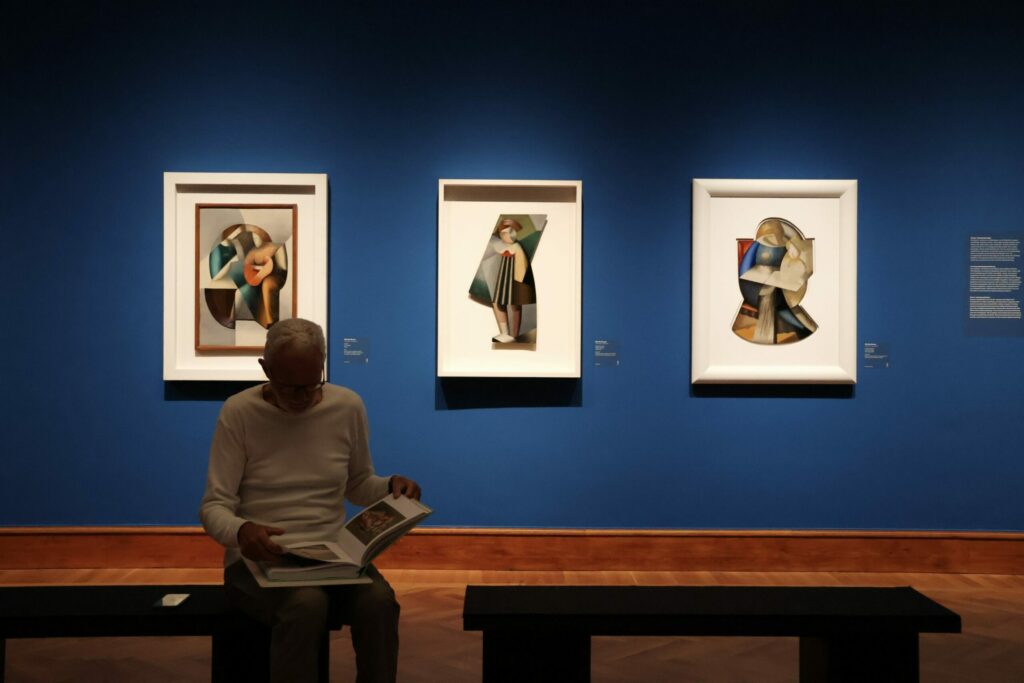
The Royal Museum of Fine Arts Antwerp (KMSKA) has started the new season with a powerful message: to reclaim the place of Belgian modernist painter Marthe Donas in the history of the interwar European avant-garde movement, alongside her then-partner, Ukrainian-American sculptor Alexander Archipenko.
The gallery's new exhibition, 'Enchanting Modernism', brings together Donas’s most important paintings from 1916 to 1920, alongside works by Archipenko and fellow members of La Section d’Or - a collective of cubist artists and friends.
Who was Marthe Donas?
Born into an upper-middle class family in Antwerp, Donas eventually established herself as the first internationally-recognised Belgian female avant-garde artist. But getting there was not easy. She had to battle against the sexism of the male-dominated art world, and even adopted a gender-neutral name, Tour Donas, to get her work displayed.
Donas studied painting at the Royal Academy of Fine Arts in Antwerp, despite her father’s disapproval. As war engulfed Europe, Donas fled to Dublin, where she worked in Sarah Purser’s stained-glass art studio. In 1916, she moved to Paris and studied under French cubist painter André Lhote.
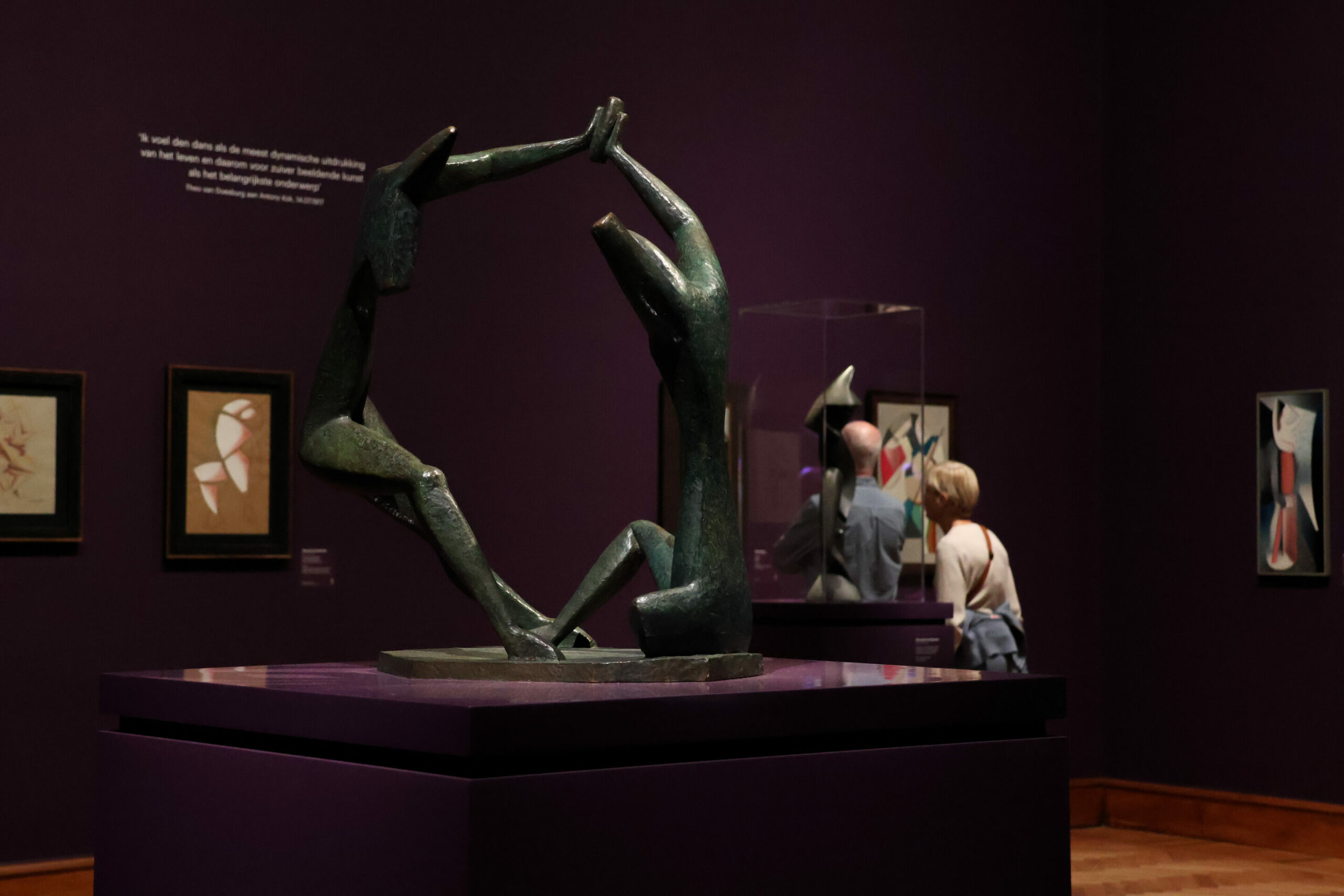
Large Dance (1912), Alexander Archipenko. Both Donas and Archipenko explored human forms in motion in their work, often inspired by contemporary dancers. Credit: The Brussels Times
Creative dialogue
Donas and Archipenko met in Nice in 1917, when much of the Paris art scene had relocated to the south of France to escape the privations of the First World War. Together, they became a driving force of the modernist movement.
When Donas and Archipenko met, he was already a revolutionary figure in modernist sculpture. He noticed her talent, and at his initiative, they worked side by side in a shared studio. Donas both learned from him and developed her own innovations.
Donas has experimented with many elements of cubism and futurism, including those of Archipenko. She explored ways of introducing texture and tactility to cubist composition - as did many of her counterparts.
Yet her works have a certain refinement, unique to her hand. This refinement is particularly striking when compared with similar techniques used by Albert Gleizes, whose works are on display in room four of the exhibition.
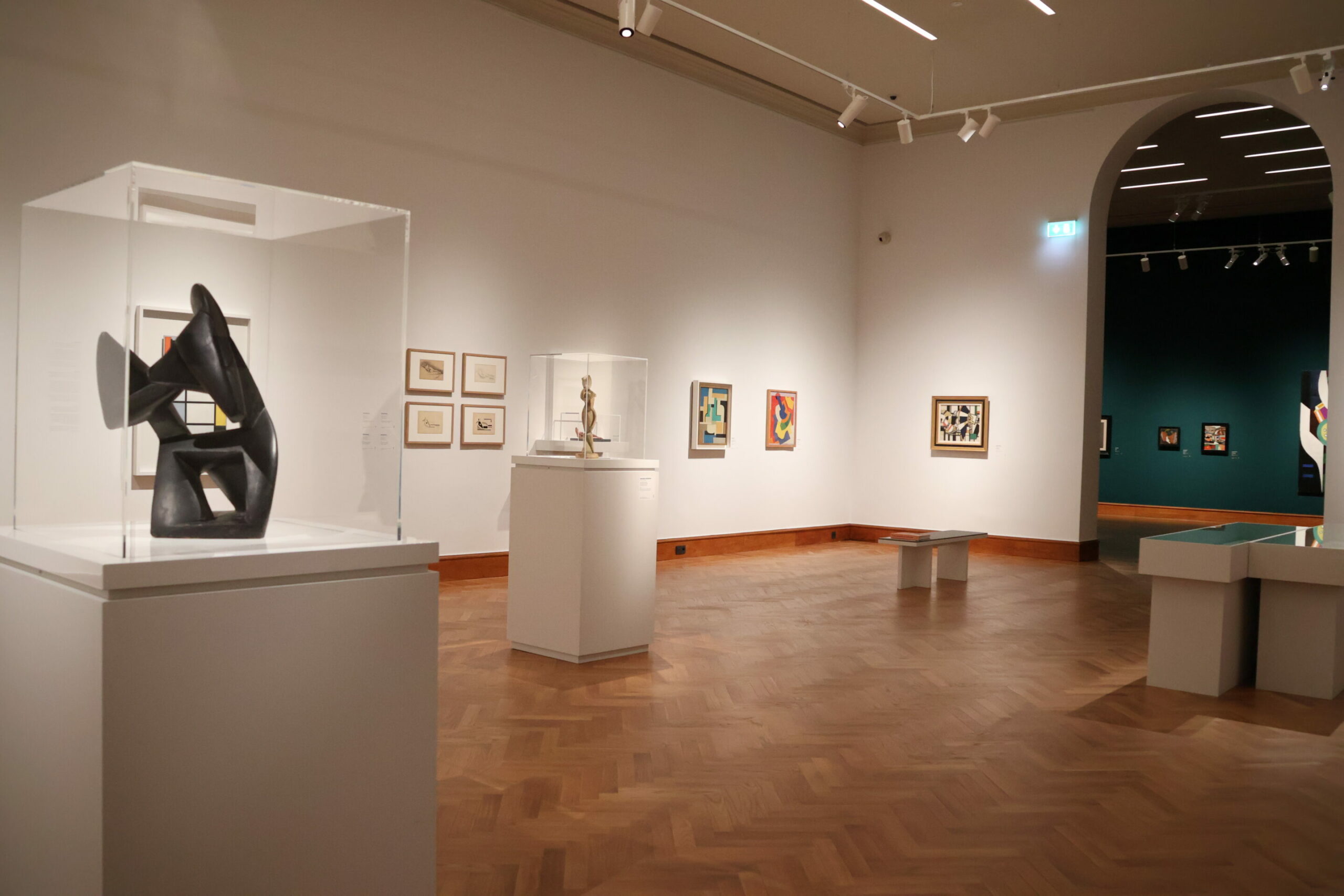
The couple were prominent figures within La Section d’Or. Donas, in particular, communicated with the Dutch collective De Stijl to organise exhibitions in the Netherlands. The final rooms of the exhibition (rooms four and five) trace this international network and its influence.
Exhibition highlights
Among the highlights of the KMSKA exhibition are Stilleven (1917), Donas’s first fully cubist painting; The Dance (1918–19), long-thought lost and rediscovered in a private Japanese collection in 2016; and Archipenko’s Two Women, which further illustrates the creative dialogue between sculpture and painting that Donas and Archipenko cultivated together.
KMSKA’s curator has done a wonderful job at highlighting both the creative cross-pollination and individual styles of Donas and Archipenko.
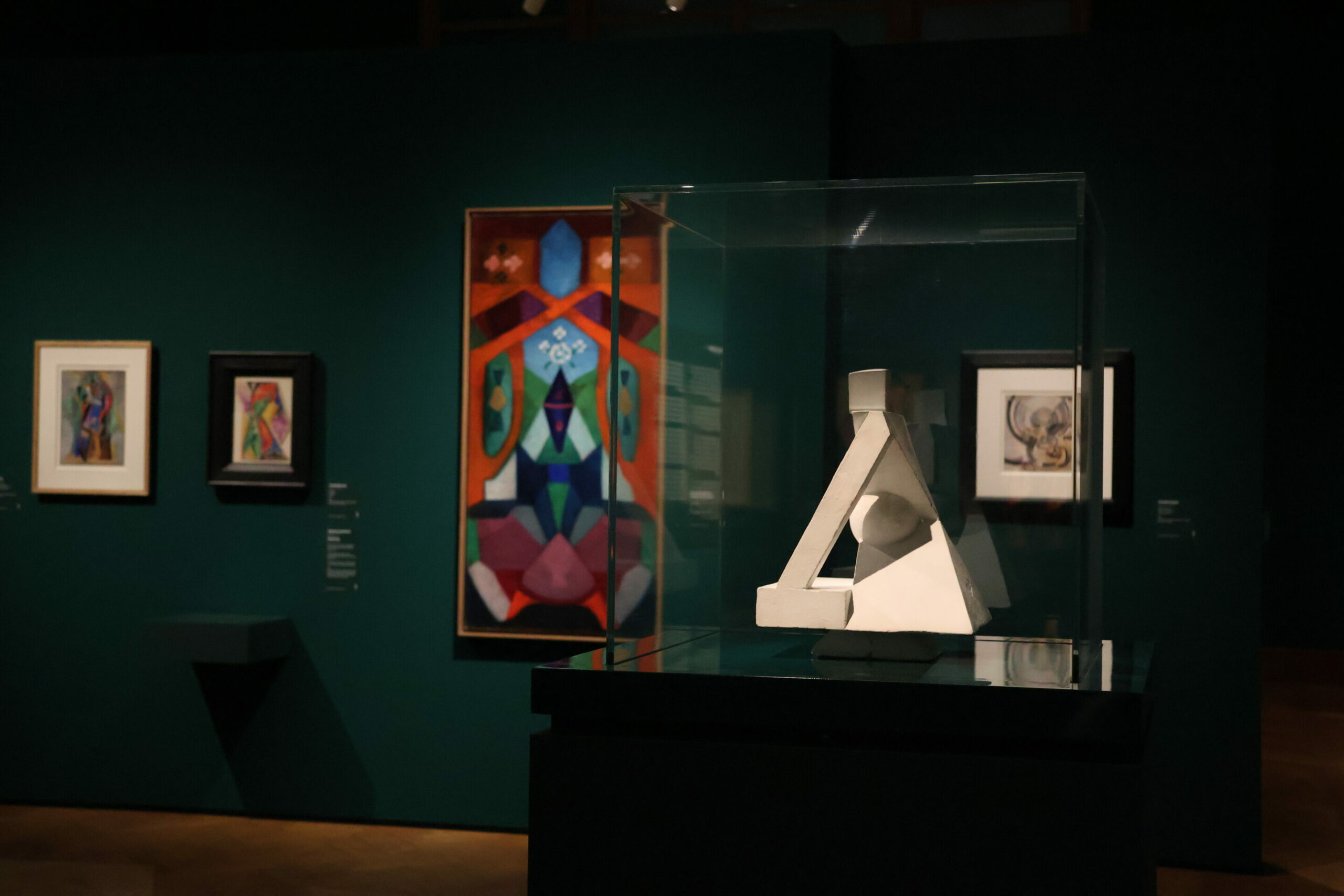
The end room further showcases the works of fellow artists of La Section d'Or, as well as early cubist works by René Magritte, as a teaser for the second major retrospective KMSKA unveils in November.
Works by Piet Mondriaan, Georges Vantongerloo, and Augusta Helleßen position Donas within the broader avant-garde movement.
“Not many artists can confidently take their place beside Mondriaan — Donas can,” said Adriaan Gonnissen, curator of Enchanting Modernism.
Donas, Archipenko & La Section d'Or. Enchanting Modernism is on display until January 11, 2016. Plan your visit here.
