
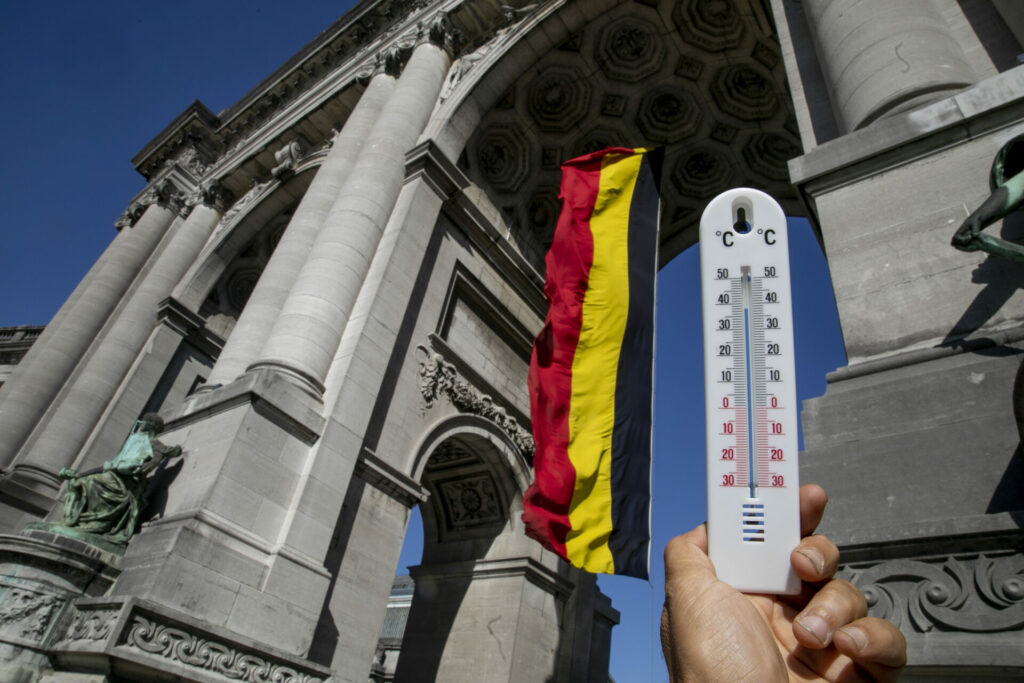
Without additional climate measures, Belgium’s economy and national security are at serious risk, warns a new study by the Climate Risk Assessment Centre (CERAC), released on Thursday.
CERAC's Belgian Climate Risk Assessment highlights potential consequences, including thousands of heatwave-related deaths, infrastructure problems, food supply disruptions, and pandemics.
Luc Bas, director of CERAC, emphasised the urgency of action, stating, “The question is no longer whether climate disasters will occur, but when and how we will respond to them. Belgium must coordinate politically to prevent such disasters.”
The institute criticised current fragmented policies, calling for a cohesive adaptation strategy to address climate risks with the same urgency and resources as other major security threats.
Vulnerable groups, including the elderly, socially disadvantaged individuals, farmers, and urban residents, are expected to bear the initial brunt of climate impacts. However, the report warns that ultimately all of society will be affected.
Cerac painted a grim picture of Belgium’s economy, referencing the €5.2 billion in damages caused by 2021 floods in Wallonia and Limburg. Future similar disasters may lead to comparable costs and could increase public debt by 15% by 2050, requiring fiscal adjustments equivalent to 1.4% of GDP.
Insurance companies face mounting pressure due to the rise in climate-related claims, with some reinsurance providers potentially withdrawing from the Belgian market. This could make insurance inaccessible or unaffordable for both individuals and businesses, echoing trends already seen in France.
Water shortages are expected to threaten Belgium’s key industries such as chemicals, pharmaceuticals, food production, and tourism. Annual agricultural losses could escalate to tens of millions of euros, destabilising farm employment and food supply chains. CERAC urged a shift towards sustainable farming practices to mitigate this impact.
Health risks are also dire, with over a thousand additional heatwave-related deaths projected annually, even under favourable scenarios. Increased allergies, mental health issues, and air pollution are anticipated alongside the heightened spread of diseases like avian flu, bluetongue, dengue fever, and chikungunya due to exotic mosquitoes. “Without proper adaptation, the healthcare system risks becoming even more overwhelmed,” warned CERAC.
