
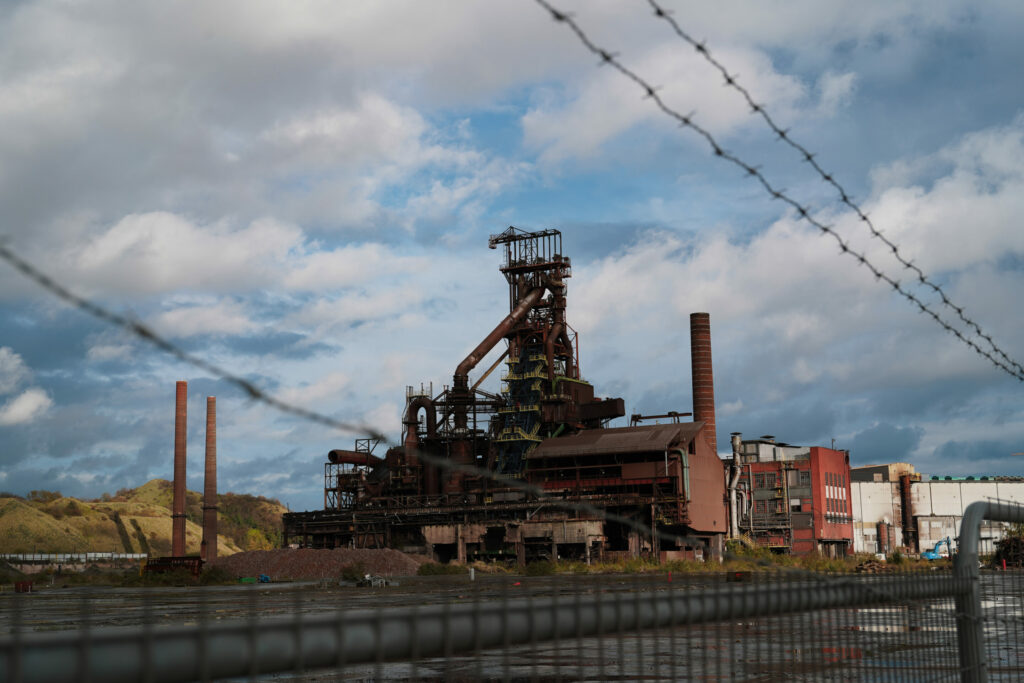
Long dismissed as the ugly face of Wallonia’s industrial downturn, Charleroi is entering an unexpected second life.
Visitors aren’t coming for charm or postcard views, but for the rawness of abandoned factories, street art, and the stories buried in its concrete, embracing its past rather than disguising it. The city is quietly reshaping its reputation.
Charleroi has long carried the reputation of being Europe’s ugliest city. Once Belgium’s coal and steel powerhouse, the region was so heavily industrialised that it became known as ‘Le Pays Noir’, or ‘The Black Country’.
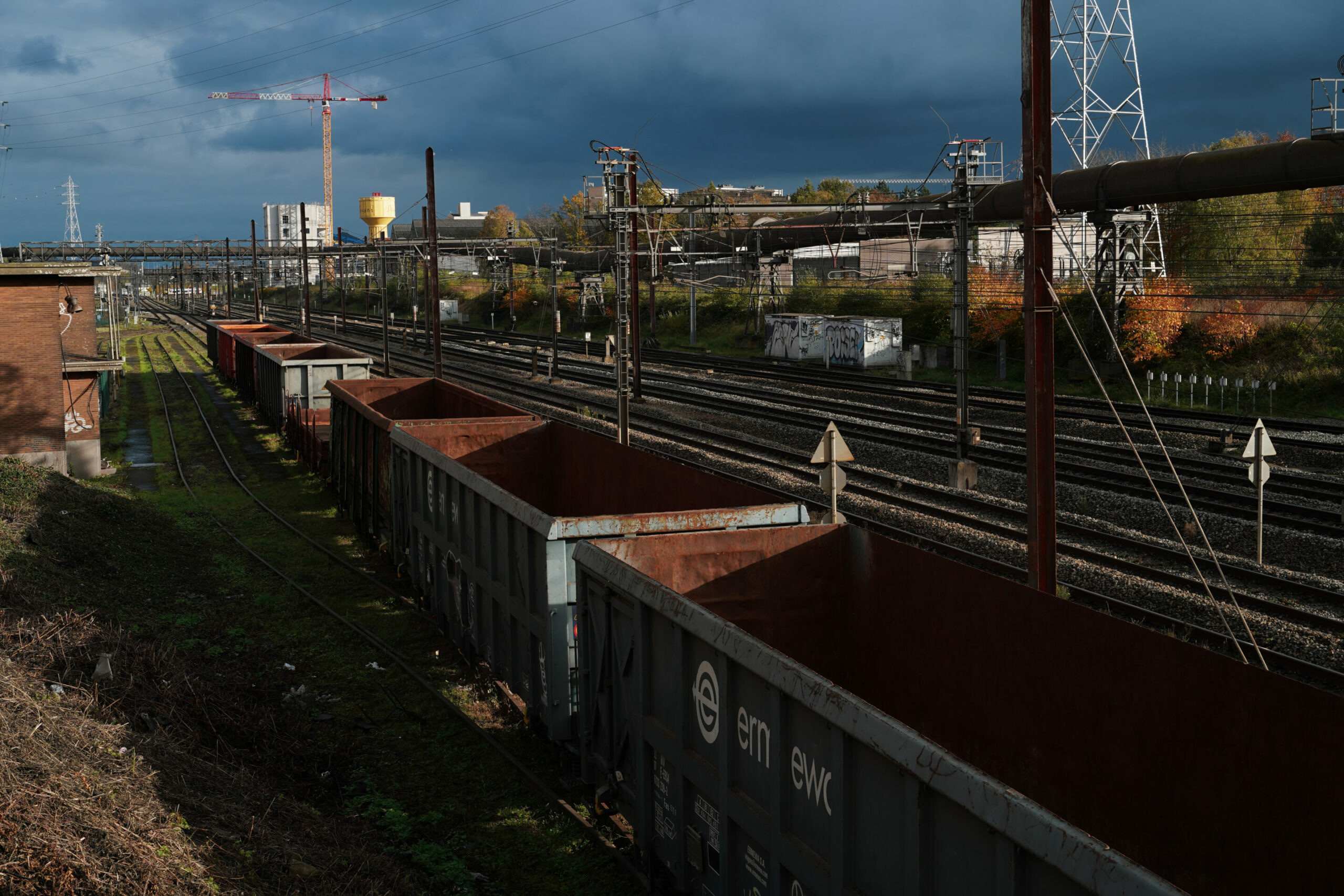
When coal mines and factories closed in the late twentieth century, the city entered a period of deep decline. Abandoned sites, ageing concrete, and shrinking neighbourhoods portrayed their image in a negative light for decades.
Credit: Vicente Torre Hovelson/ The Brussels Times
Nowadays, Charleroi is experiencing an unexpected form of tourism. Instead of hiding its industrial scars, the city has become a destination for visitors drawn to decline, abandoned spaces, and urban exploration. This trend, sometimes called doom tourism, has gained popularity through social media and online travel communities.
A good example of this is Backpacker Ben, a UK-based travel vlogger who visited the city and made a vlog titled “Charleroi! The World's Ugliest City”. It’s videos like his that have put the city on many urban exploration enthusiasts' bucket lists and exposed Charleroi to English-speaking internationals.
Credit: Vicente Torre Hovelson/ The Brussels Times
In addition, Charleroi has an international airport nearby, which serves as a hub for budget airlines such as Wizz Air and Ryanair, making the city easily reachable from many major European cities. This has given residents even more opportunity to capitalise on the city's reputation by creating guided tours such as Nicolas Buissart's "Charleroi Adventure".
Charleroi Metropole Tourisme’s website describes the tour as “an invitation to intrepid visitors to join a wildly offbeat urban safari." With his fun approach to clichés, this Charleroi artist provides a wacky tour through the heart of the abandoned industrial landscape.
Credit: Vicente Torre Hovelson/ The Brussels Times
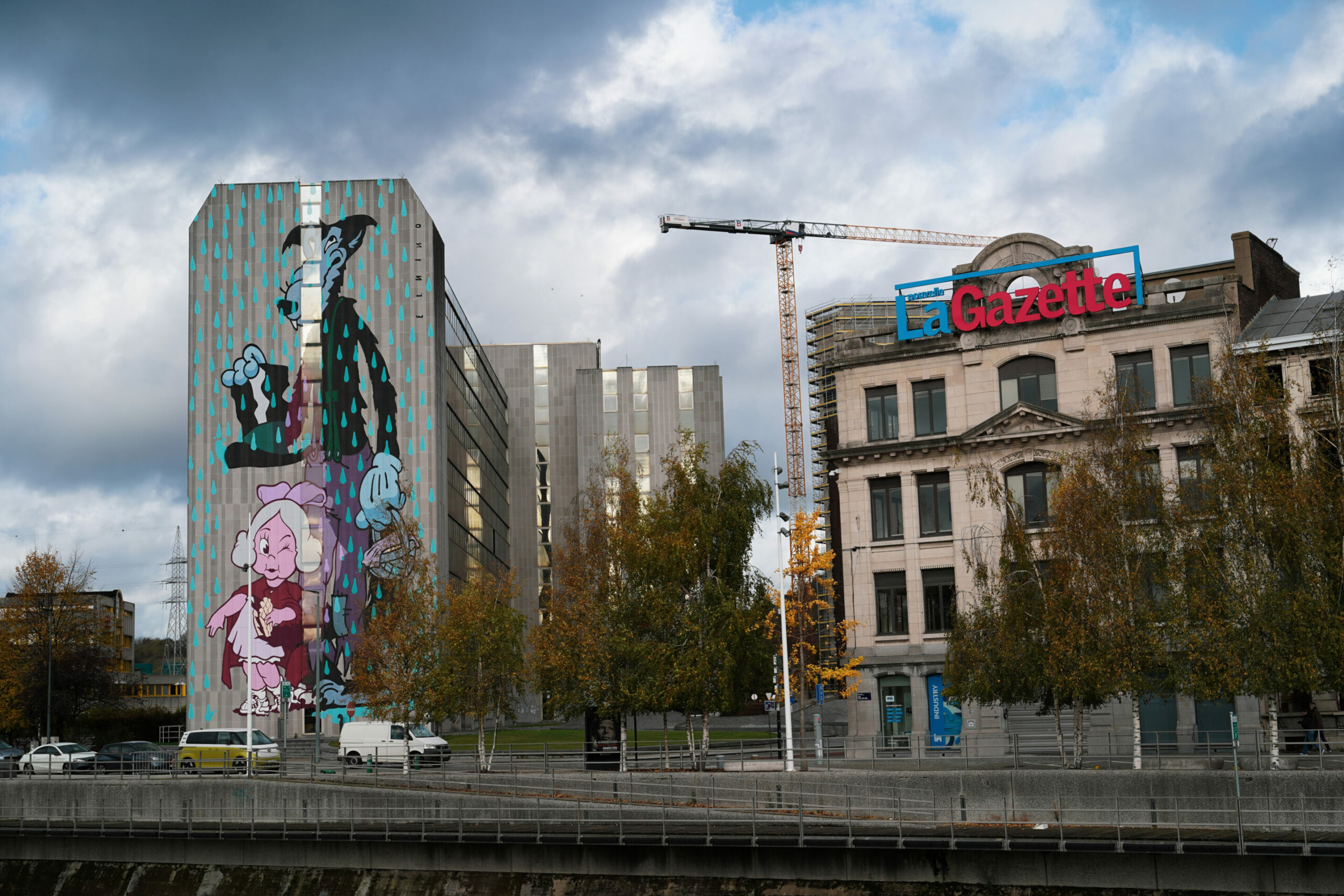
Upon arriving in Charleroi to check the city out for myself, I was pleasantly surprised by the town's centre. In fact, the area surrounding the station is quite pleasant, and although there are signs of urban decay even in the city centre, those signs are accompanied by a nice river walkway, an area for shopping, restaurants, cafes, and plenty of areas with benches to sit and enjoy a sunny day.
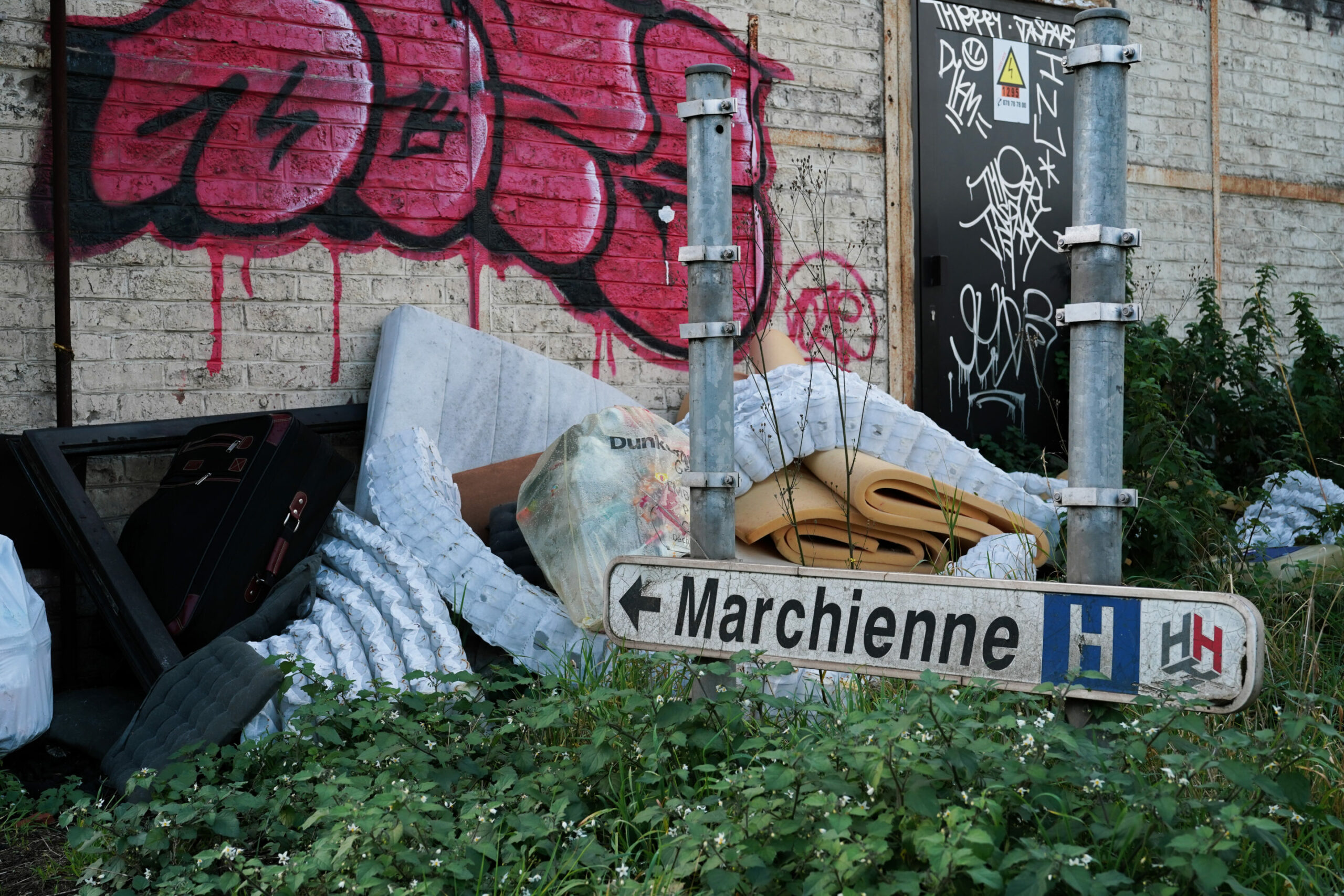
Throughout the entirety of the city, there are both professionally made murals as well as graffiti, which adds a lot of colour to the city, which is quite nice when you come to Charleroi on a partially cloudy day, as I did.
Credit: Vicente Torre Hovelson/ The Brussels Times
A fun fact about Charleroi is that it is actually another hub for Belgian comic art. The famous Belgian publisher Éditions Dupuis, which publishes Spirou and many other iconic comics, has its roots in Marcinelle, a suburb of Charleroi. Because of this, the city has many statues of different comic book characters.
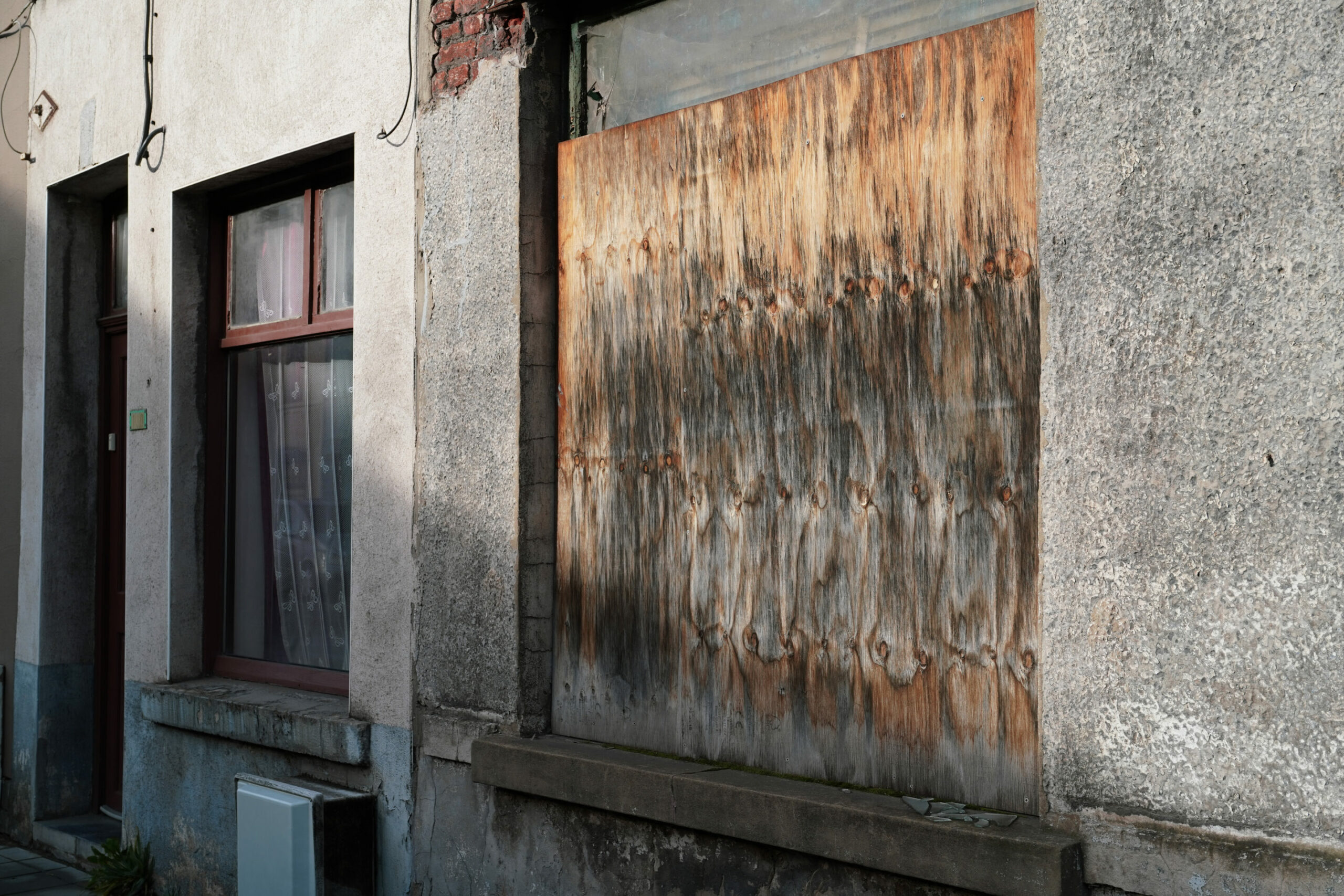
Once you leave the town's centre, it is when you start to feel and see the effects of de-industrialisation. Whilst walking through the outskirts, I was virtually alone, maybe encountering a cyclist every ten minutes if that. However, this was not a negative experience by any means; in fact, it was novel considering most urban environments are overpopulated.
Credit: Vicente Torre Hovelson/ The Brussels Times
The outskirts contain several of Europe’s most recognisable industrial ruins. Former cooling towers, silent steelworks, and abandoned power facilities remain standing.
Sites such as the former Power Plant IM, once a major location for urban explorers, and the Bois du Cazier mining site, now a UNESCO World Heritage location, reflect the city’s industrial past as well as its tragedies.
The Bois du Cazier was the site of the Marcinelle mining disaster in 1956, which claimed 262 lives and remains a defining moment in local history.
Exploring these areas provides a unique perspective on Charleroi. As you cross the almost deserted streets, you can feel the city's rich history.
