
As the end of the year approaches, Belgians prepare for a Christmas that blends religious traditions, folklore, and family gatherings. While customs vary by region and family, some practices are widely observed across the country.
Saint Nicholas kicks off the season
While the festive season in the United States typically begins with Thanksgiving, in Belgium it truly starts on 6 December with Saint Nicholas Day. Children place shoes by the fireplace or door, sometimes adding a treat for the saint’s horse (or donkey), in hopes of receiving small gifts or sweets in return.
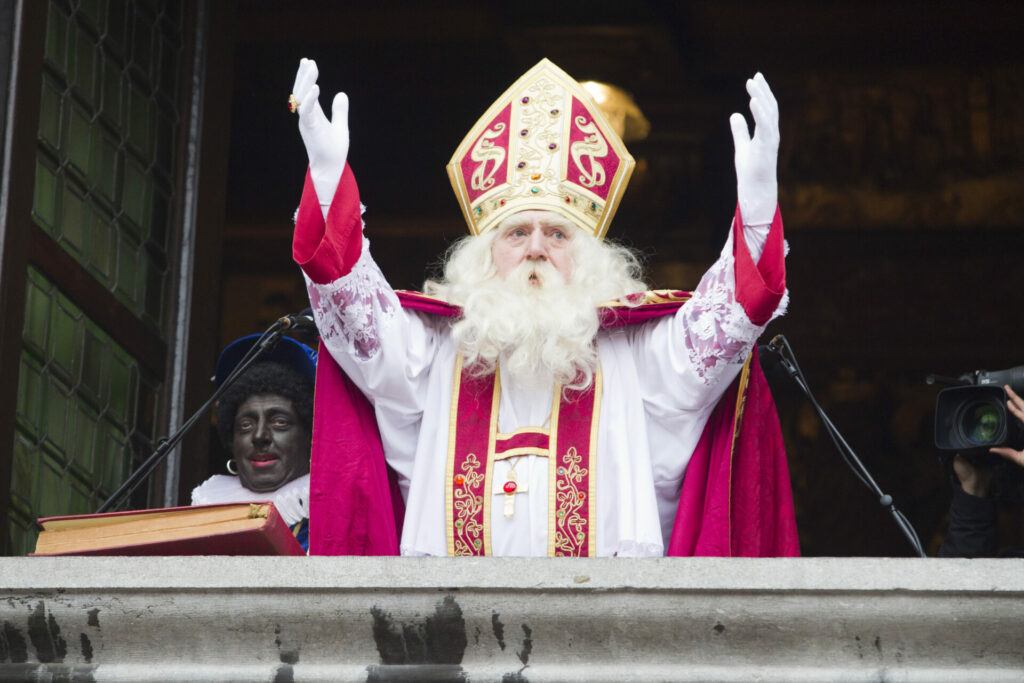
Saint-Nicholas. Credit: Belga Image
This tradition remains especially popular among children, even as modern Christmas customs, such as Santa Claus, have become more widespread.
Decorations, including Christmas trees and nativity scenes, are typically set up after Saint Nicholas Day. Families may choose real or artificial trees, and festive lights illuminate homes throughout December. As Jean-Marc De Pelsemaeker, project officer at the Albert Marinus Center, explains to The Brussels Times, “The Christmas tree is not that old; it appears from the 16th century.”
Similarly, the nativity scene remains a central symbol: “Now, even if you are not practising or Catholic, I know people who are atheists, not baptized, and who still gather around the tree,” says De Pelsemaeker.
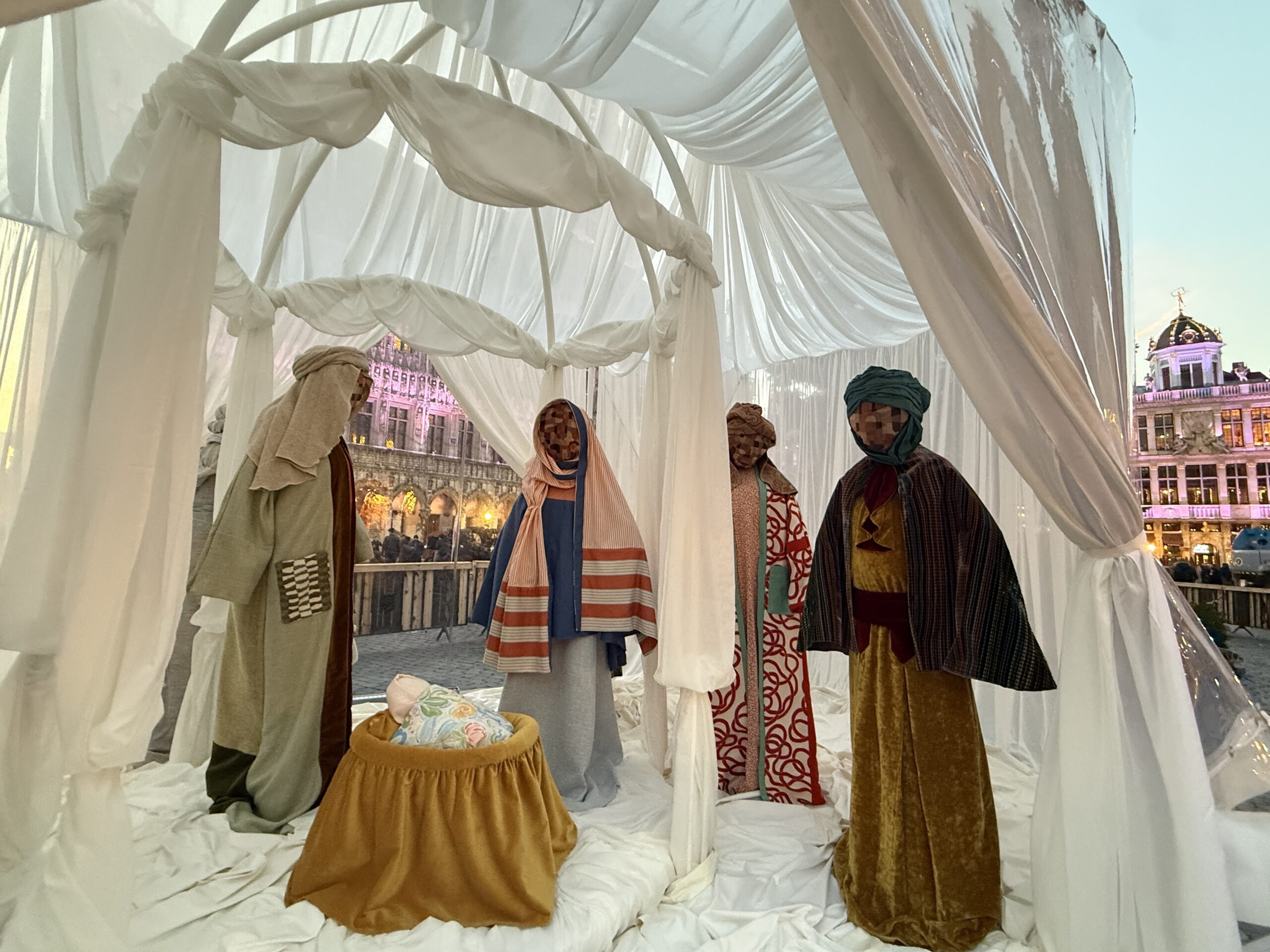
The modern Nativity on Brussels’ Grand-Place. Credit: The Brussels Times/Léa Huppe
Christmas Eve: Dinner and midnight mass
The main celebrations take place on Christmas Eve. Known as “Kerstavond” in Dutch and “Réveillon de Noël” in French, the evening is marked by a festive family meal. Dishes vary by family, but common features include seafood, turkey, or stuffed capon, followed by desserts such as the traditional Yule log.
“This religious celebration has become more of a popular family gathering,” De Pelsemaeker notes. “We have a meal like at the winter solstice, with rare foods that we eat less often, like oysters, lobsters… quite new things, because before, when people were practicing, they had to fast before midnight. People would eat pieces of bread, light food, and after midnight, after the mass, they would have the real Christmas meal.”
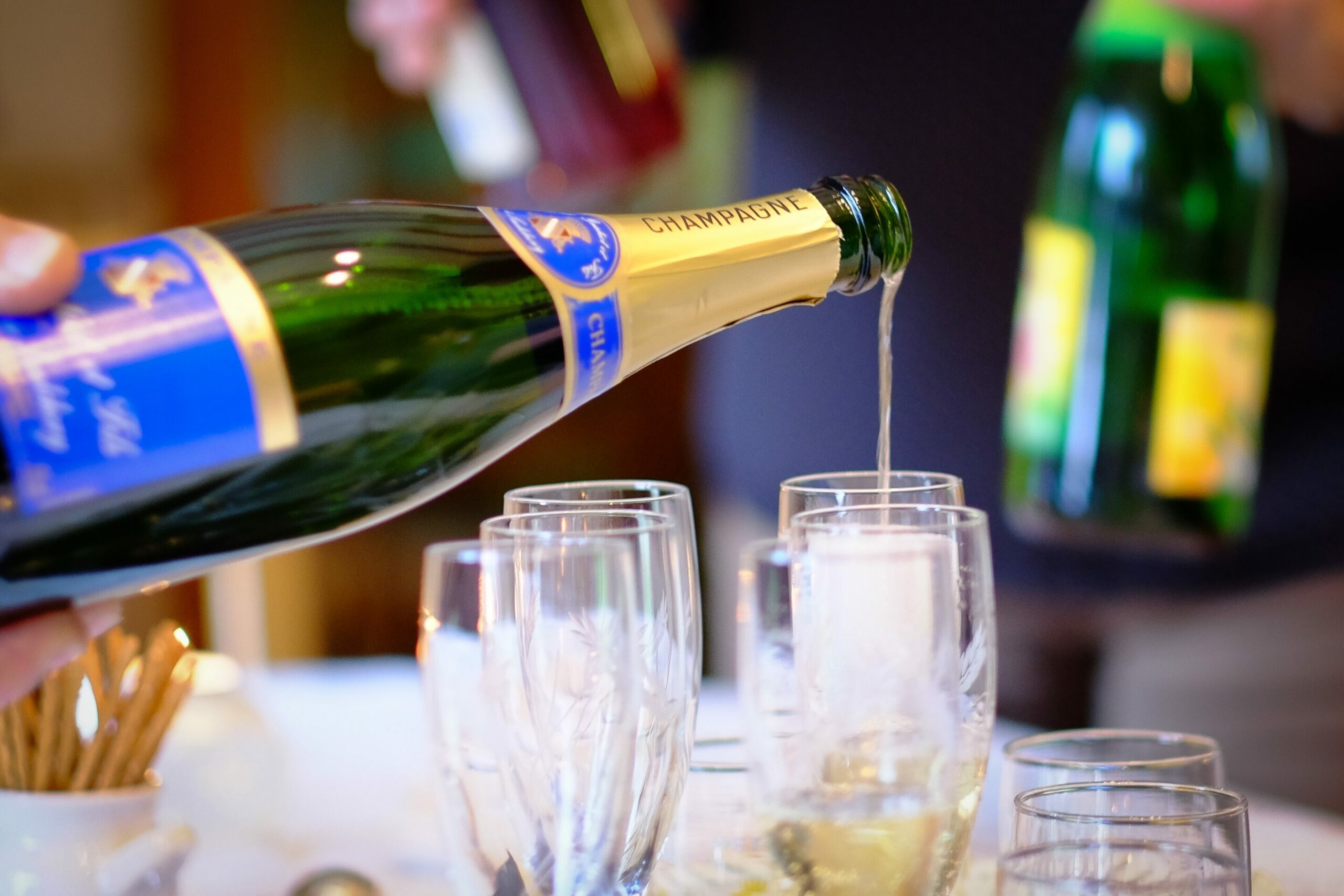
Champagne is usually part of the celebrations. Credit: Belga Image
For devout families, midnight mass is an important part of the evening. This service celebrates the birth of Jesus and draws many to local churches.
Gifts under the tree
Gifts are commonly placed under the Christmas tree on the night of 24 December and opened either after dinner or following the midnight mass. “Historically, we didn’t offer presents for Christmas, only fruits. We started to offer presents after the Second World War”, De Pelsemaeker observes.
25 December is generally quieter, with informal family lunches or visits to relatives. Some households enjoy a second festive meal, while others use the day to relax and catch up with extended family.
Belgium does not celebrate Boxing Day on 26 December, unlike countries like the UK, Canada, Australia, and New Zealand.
Unique Belgian treats
A particularly Belgian tradition is the cougnou, also called the cougnole in Wallonia. Originally, it did not include a baby Jesus; instead, it was a round piece of bread or cake decorated with scenes from popular or religious life. Today, a sugar baby Jesus is typically placed on top.
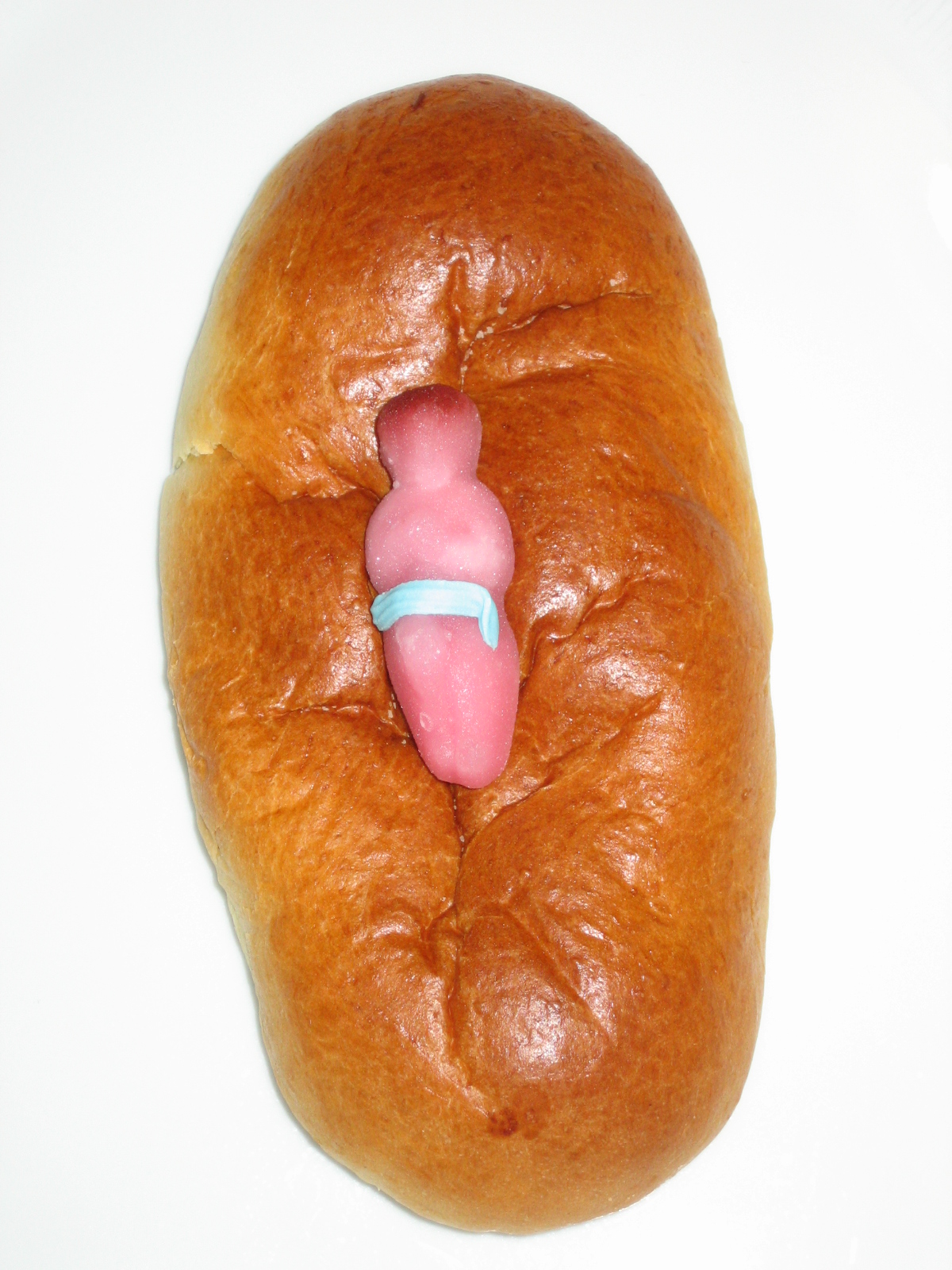
The cougnou pastry. Credit: Wikimedia
“Normally, the cougnou is only eaten the day after Christmas,” De Pelsemaeker explains. “Eating it earlier is considered bad luck, but this tradition of sweet bread is very deeply rooted.”
Blending tradition and modernity
Belgian Christmas traditions reflect a mix of religious, family, and popular customs. The Advent period, particularly Saint Nicholas Day, builds anticipation for the holiday, while modern influences like Santa Claus, chocolates, and Christmas markets add to the festive atmosphere.
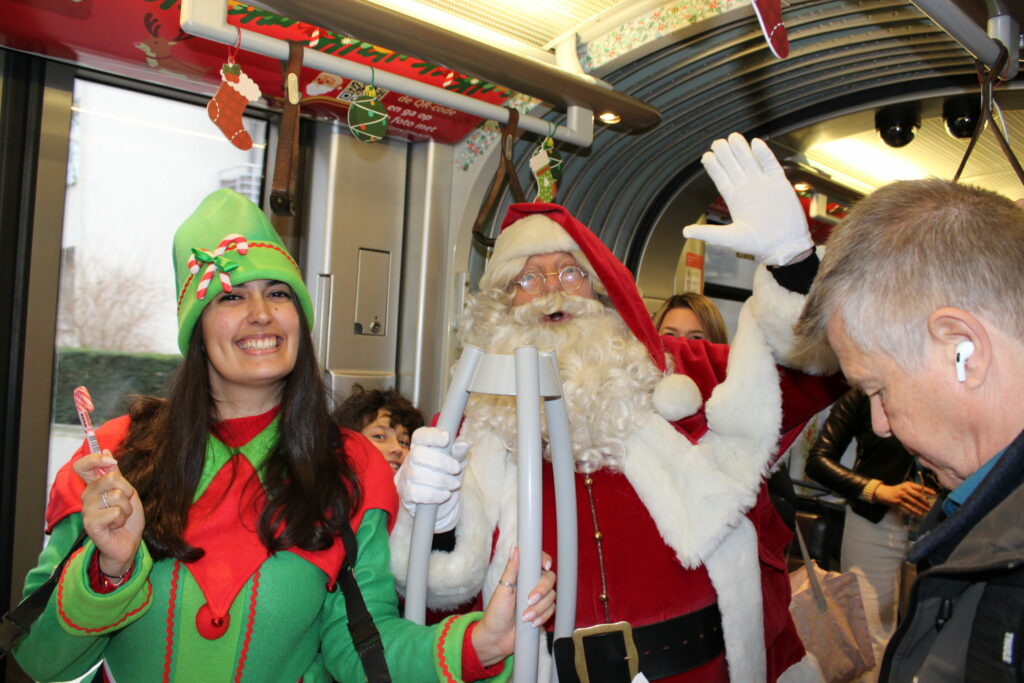
“Santa Claus, he is really a 20th-century invention, because before it was Saint Nicholas,” De Pelsemaeker notes. “It’s mostly the influence of the United States that changed Christmas; Santa Claus became red thanks to Coca-Cola.”
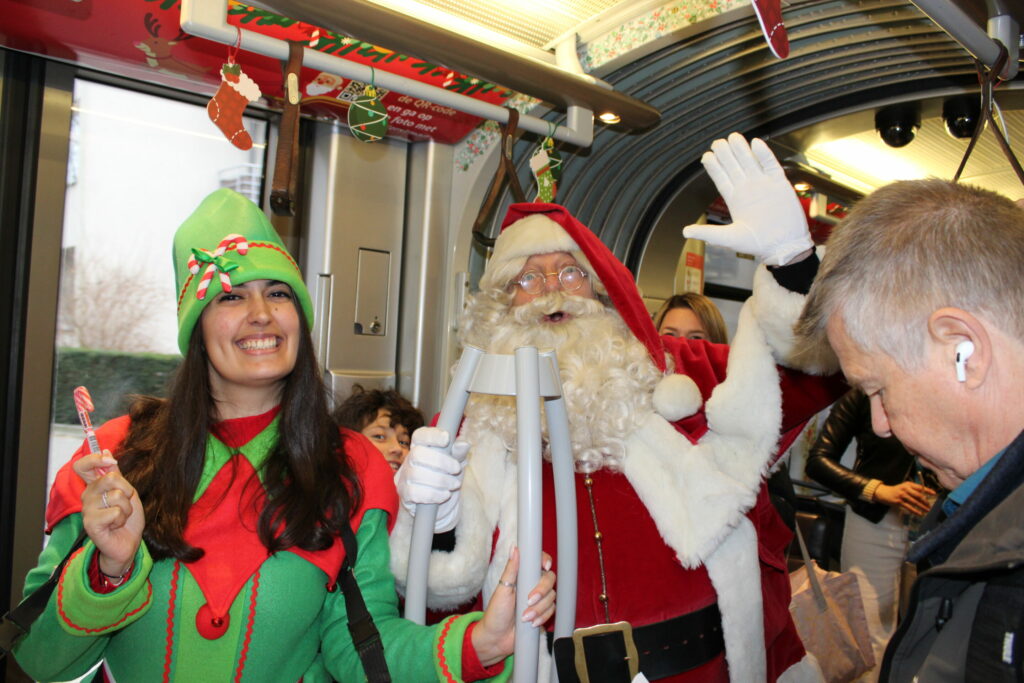
Santa Claus. Credit: The Brussels Times
Sociologically, De Pelsemaeker observes a renewed interest in religious practice among young people. “We can clearly see a return to religious practice, many more young people are getting baptised. It’s a deliberate choice, a search for identity.”
Even as Christmas evolves, the holiday remains a deeply rooted mix of family, faith, and festivity - a celebration that is uniquely Belgian.
