
Belgian Defence Minister Theo Francken (N-VA) confirmed that no soldiers will be sent to Greenland as Europe mobilises to defend the territory from the unprecedented attacks from US President Donald Trump, VRT reports.
Last night, Greenlandic, Danish and US officials met in Washington to discuss the future of the Arctic nation, an autonomous territory within the Kingdom of Denmark and therefore part of the American-led NATO alliance.
The parties agreed to continue discussions and to set up a joint working group, which is expected to meet for the first time within the coming weeks.
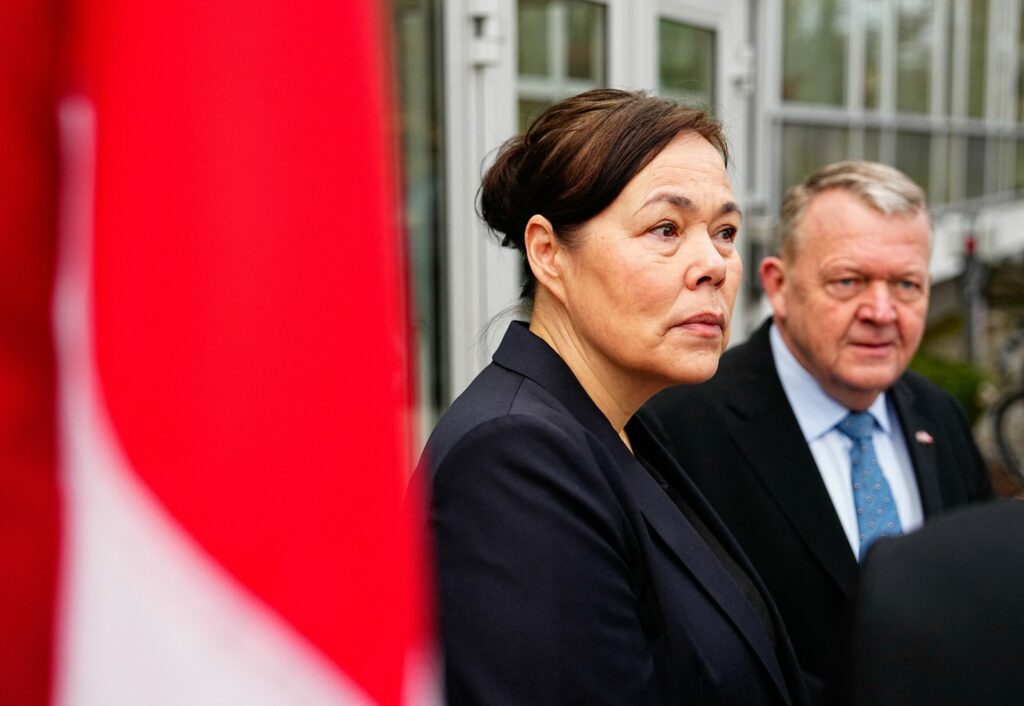
Despite their "fundamental disagreement," they will have to "agree to disagree," Danish Foreign Minister Lars Løkke Rasmussen said.
Consultations with US Vice President JD Vance and Secretary of State Marco Rubio were "open and constructive", although, according to Rasmussen, positions remain fundamentally divergent. "We have not been able to change the American position on Greenland," he said.
Both countries remain in discussions and establish a "high-level" working group to explore the possibility of a "common way forward".
Sweden, Norway and France have committed to sending troops to the country, with the first soldiers reportedly on their way to Greenland. Germany has also said on Thursday it is willing to send troops.
On Belgium's side, there has not been a commitment to send any soldiers for now, but the question has now arisen.
"We have not received a question from NATO, the EU or bilaterally," a spokesperson for the Defence Ministry said to VRT. However, Ministry of Defence, together with the government, will "see what they can do if Belgium is asked".
Tensions nevertheless persist. Shortly after the end of the talks, the White House shared a cartoon on X, suggesting that Greenland's population would have to choose between alignment with the US or with China and Russia.
He emphasises that the relationship with Denmark is still very good, but that the US "needs" Greenland.
Earlier on Wednesday, US President Donald Trump called on NATO to help the US annex Greenland. "If we don't, Russia or China will," he added.
"We'll see what happens," he said. "I think a solution can be found."
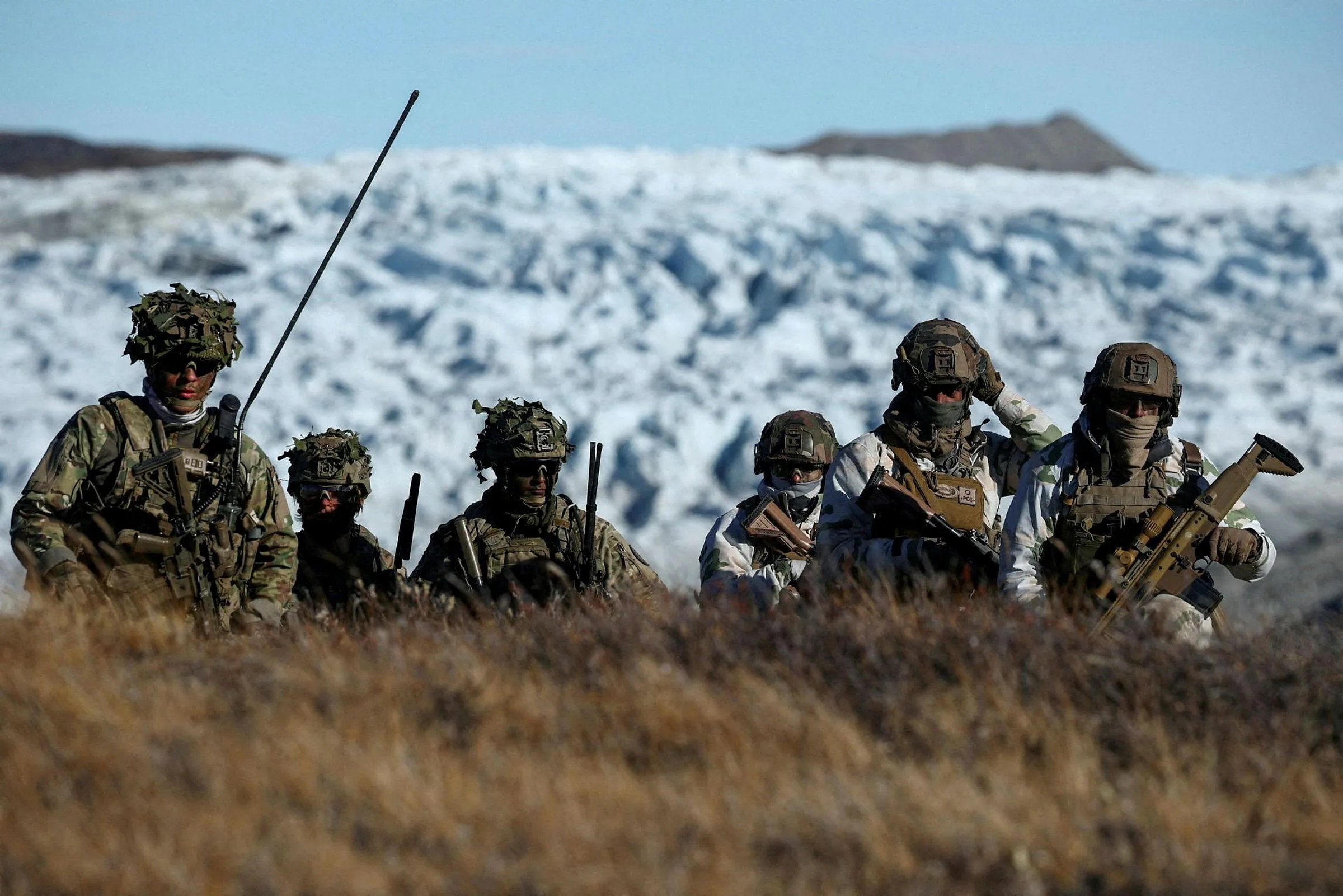
Invasion is probably not Trump's preferred option for acquiring Greenland. Military threats are rather merely a negotiating tactic.
Karen Van Loon, Arctic geopolitics specialist at the Clingendael Institute and the Egmont Institute, told VRT that the answer is more nuanced when it comes to Russia and China's presence in Greenland.
"There is no presence in Greenland itself, that has been proven. But the Arctic is very large and extends over 8 countries, including Russia. So if it's looked at that way, those ships are around there."
In addition, the melting of the ice releases a shipping route between the Atlantic Ocean and the Pacific Ocean.
"That's a major reason for Trump why Greenland should join the U.S. This new shipping path requires the US to lay a new geopolitical puzzle."
