
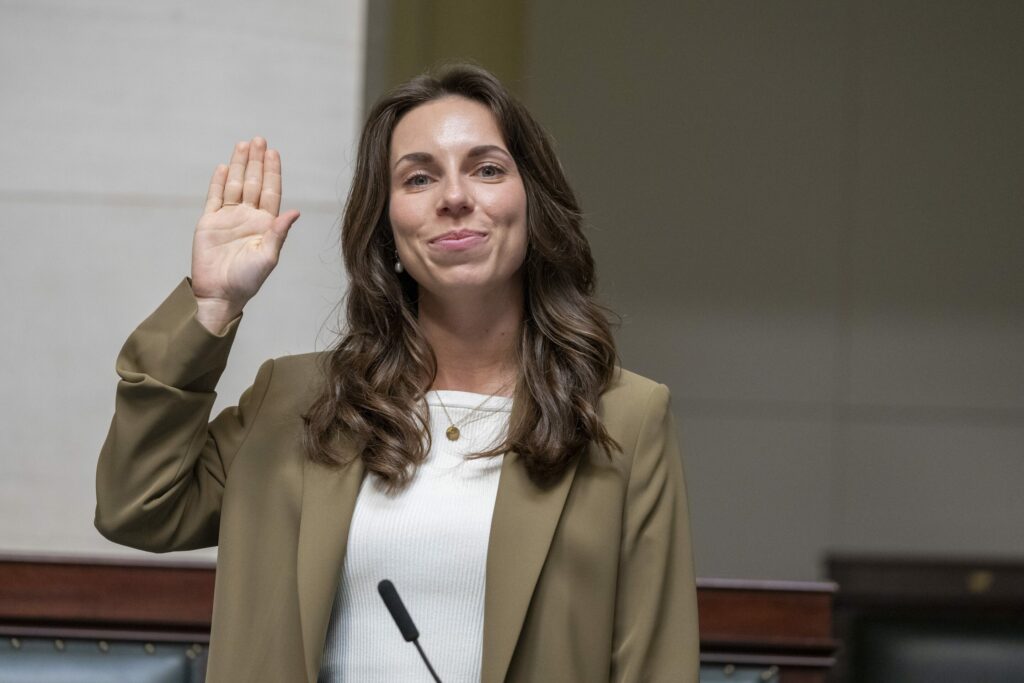
A social media post by Halle mayor, describing Brussels as "an oil slick that keeps spreading", has triggered fierce backlash from politicians in the Brussels-Capital Region, with several condemning the comments as racist.
Eva Demesmaeker (N-VA), the Flemish nationalist mayor of the Brussels periphery town, addressed rising nuisance and violence in the centre of Halle.
While stressing that "99% of young people pose no problem", she argued that a small group, often commuting from outside her municipality, was responsible for recurrent incidents.
"Most of the students who cross the line are not from Halle," Demesmaeker wrote, referring in particular to young people travelling from Brussels municipalities such as Anderlecht, as well as from Vilvoorde.
She compared Brussels to a polluted lake, adding that local measures would remain ineffective "as long as the leak in the tanker isn’t fixed".
In under three months, Halle recorded 111 serious incidents, according to figures cited by Demesmaeker, including theft with violence, assaults and harassment.
The mayor defended increased patrols, community guards and more cameras, while rejecting calls to close parks or remove public benches.
However, the language and imagery used in the post has drawn fierce criticism from Brussels politicians across party lines.
"It is scandalous how certain N-VA politicians systematically portray our capital as a problem," said Elke Van den Brandt, Brussels Mobility Minister for Groen to Bruzz.
"Comparing Brussels and its residents to an oil slick and sludge that needs to be cleaned up is utterly reprehensible and racist." she added.
Her party colleague, Brussels MP Emile Luhahi, described the language as "intellectually lazy" and warned that it "openly flirts with racist imagery".
He added that Brussels remains the economic engine of the country, where hundreds of thousands of Flemish residents work every day.
For Socialist Party MP Ridouane Chahid, the remarks amounted to stigmatisation and political deflection.
Speaking to La Dernière Heure, the former mayor of Evere argued that "by portraying yourself as a victim, you are also highlighting the inability of the Federal Government, of which her party is a member, to provide sufficient resources."
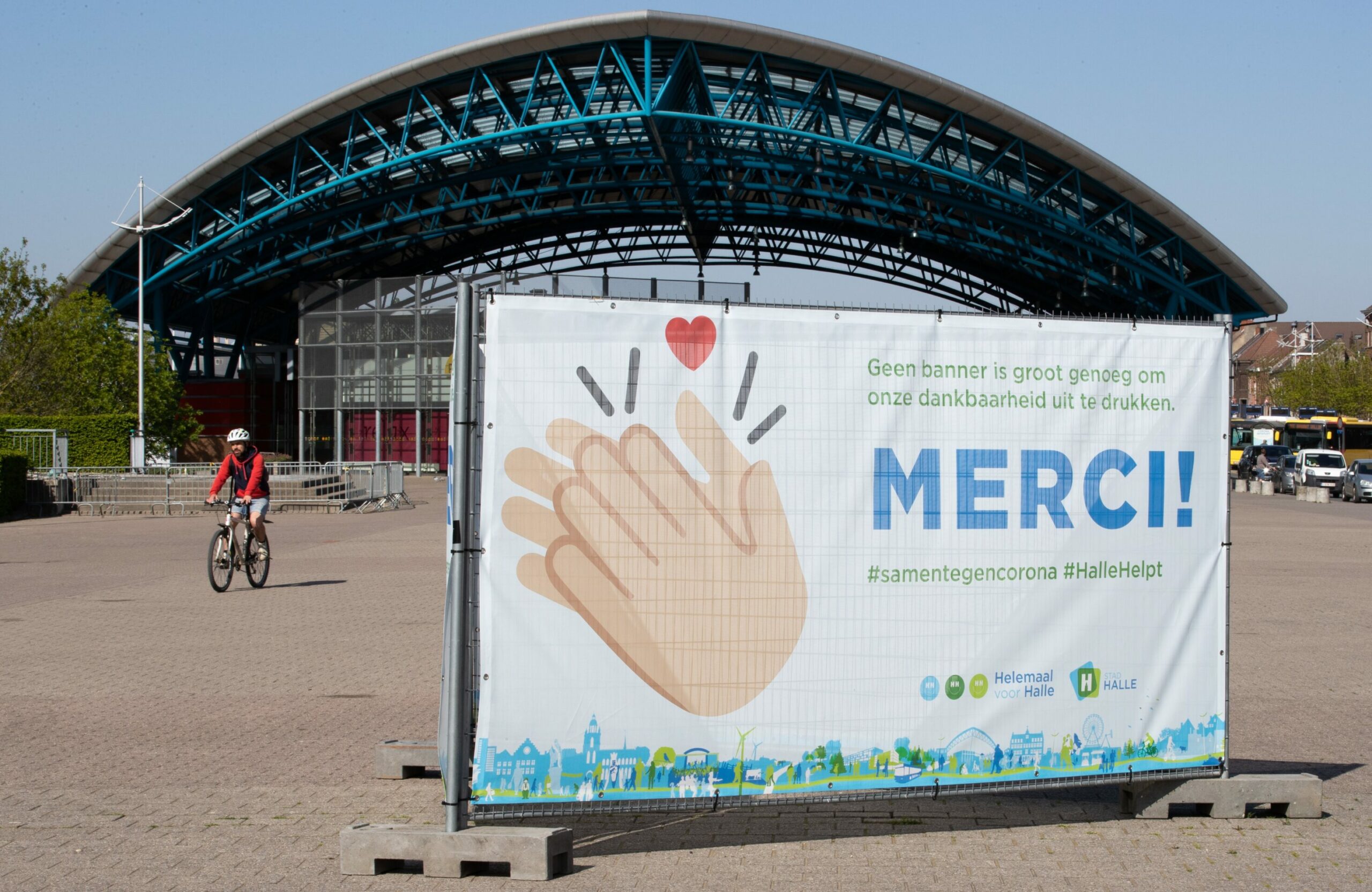
An illustration picture shows the train station of Halle, Tuesday, 21 April 2020, in Halle. Credit: Belga / Benoit Doppagne
Ilyas Mouani (Vooruit) likewise criticised what he called "unnecessarily stigmatising statements". Speaking to Bruzz, Mouani warned against the danger of equating Brussels' diversity with social decay. "Referring to diversity as an ‘oil slick’ that poisons everything does not solve anything," he said.
The metaphor itself has a controversial history. Flemish journalists already used the term "Brussels oil slick" in the 1930s to describe the perceived 'Francisation' of the Flemish periphery, a historical parallel that several Brussels politicians say makes its revival particularly troubling in the current political climate.
Others, however, her fellow party colleagues have voiced sympathy for the concerns raised in the Flemish periphery, including Flemish Minister for Brussels Cieltje Van Achter (N-VA) who said residents affected by nuisance were entitled to demand solutions.
However, when contacted by The Brussels Times, Demesmaeker said that her position was fully set out in her Facebook post, adding that she did not see the need for further clarification or a follow-up interview at this stage.
