
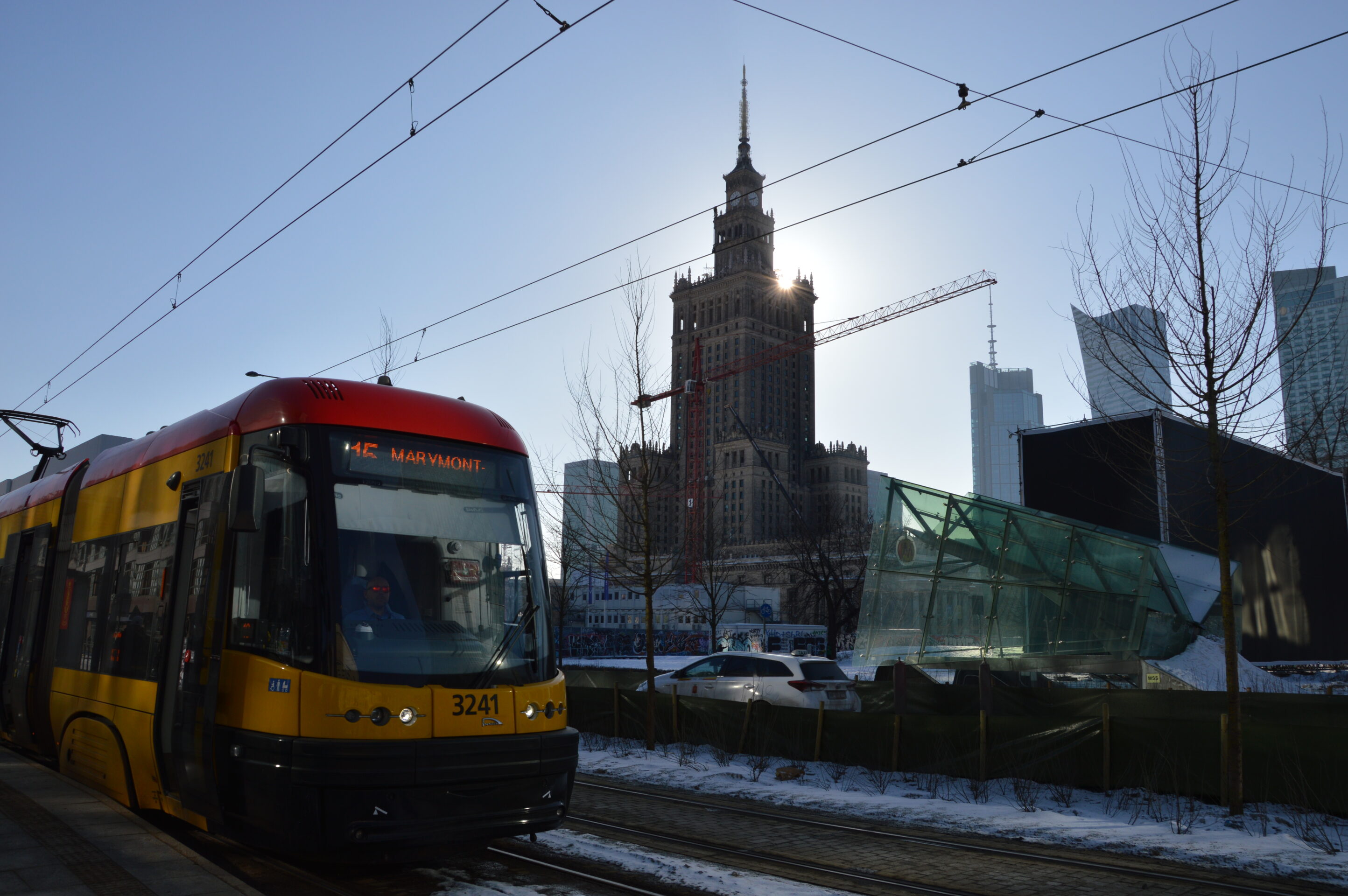
Ingrid did not plan to leave Belgium for good. She arrived in Warsaw for a three-month internship at the Belgian embassy, fully expecting to return to Brussels afterwards. Within weeks, though, she and her partner Karol began to have doubts about their return to Belgium.
As the question became whether to build their future in Brussels or Warsaw, the couple realised their next chapter would begin in Poland. Raised between two cultures and two languages, their move was not a leap into the unknown, but a return to a familiar country that now offers something different.
For Karol, the move felt increasingly inevitable. Born in Poland, he moved to Belgium at the age of one, after his grandmother opened the migration route in the early 1990s, seeking better economic prospects following the fall of the Iron Curtain. His parents followed soon after.
Three decades later, Karol took the road in the opposite direction. After finishing his studies in architecture, he opened his own café and bagel shop in central Warsaw, where he now works behind the counter.

Karol and Ingrid pictured in Karol's cafe and bagel shop in central Warsaw. Credit: Noémie Naudin
From migration of necessity to migration by choice
Karol and Ingrid are part of a small but increasingly visible group: Belgians of Polish descent choosing to settle in Poland and reversing the migration path taken by their parents decades earlier.
Karol and Ingrid’s choices are part of a broader structural shift, according to Dr. Paweł Dobrzański, Associate Professor of Economics at Wroclaw University of Economics and Business.
In a by-gone era of post-communist transformation millions of Poles, such as Karol’s family, left the country out of necessity, Dr. Dobrzański says. They created a large Polish diaspora in Belgium, known as “Polonia”. The Polish community in Belgium is estimated at around 170,000 people, according to 2023 data from the Polish statistical office, BISA.
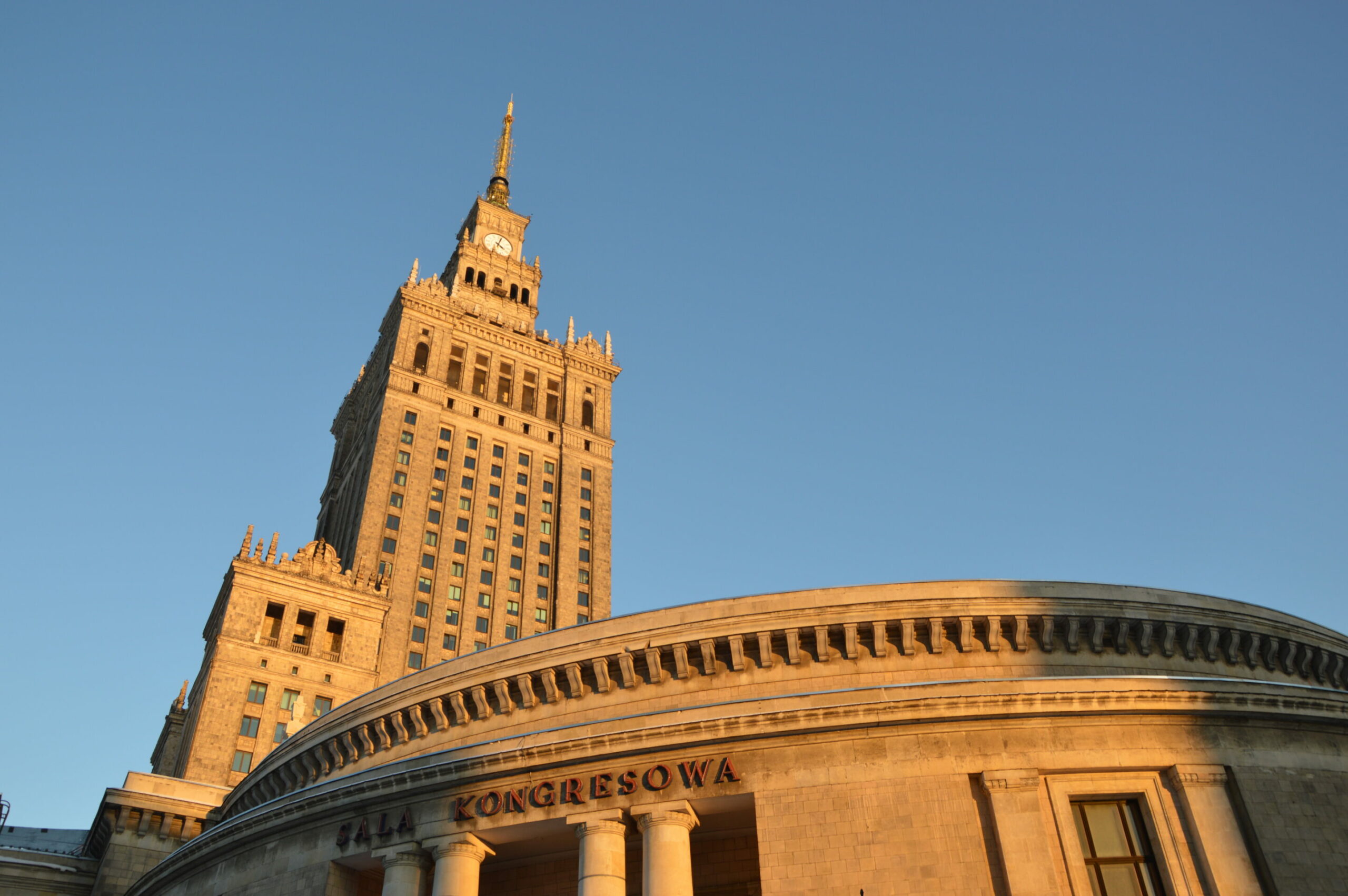
Many young people are choosing to make Warsaw their home. Credit: Noémie Naudin
“Today, many are returning with professional experience, capital and international networks,” says Dr. Dobrzyński, describing how the return of Poles from abroad boosts the country economically - and socially.
“What we are witnessing is not a reversal of hierarchy, but the gradual dissolution of it,” he explains. “Poland is no longer a ‘left-behind’ country – it is a country that has caught up faster than many in Western Europe are willing to acknowledge.
“Millions of Poles left the country out of necessity. Today, many are returning with professional experience, capital and international networks. This return migration has become a powerful mechanism for economic upgrading and knowledge transfer.”
The changing migration patterns are reflected in statistics. According to Belgium’s statistical office, Statbel, while the flow of migration from Belgium to Poland remains roughly stable at around 2,500 people per year, the flow in the opposite direction has dropped significantly – from an average of 6,300 people per year in 2015 to 3,600 in 2025.
Administrative ease and tax incentives
So what made Ingrid and Karol want to set up home in Poland, rather than returning to Belgium?
Practical considerations played a big role in their decision. Setting up a business proved strikingly simple in the Polish capital. “I opened my company in one day,” Karol says. “Everything is digitalised and efficient.”
Ingrid, who is under 26, also benefits from Poland’s youth tax exemption, which spares young workers from paying personal income tax – a sharp contrast with Belgium’s heavier tax burden on labour. “For someone under 26, the tax advantages are a real incentive,” she explains.
The couple describe a broader change in quality of life since settling in Warsaw. Despite rising prices, they say the balance between income and living costs remains more favourable than in Belgium. Public transport, cultural events and restaurants are more affordable. Ingrid says she also feels safer living in Warsaw.
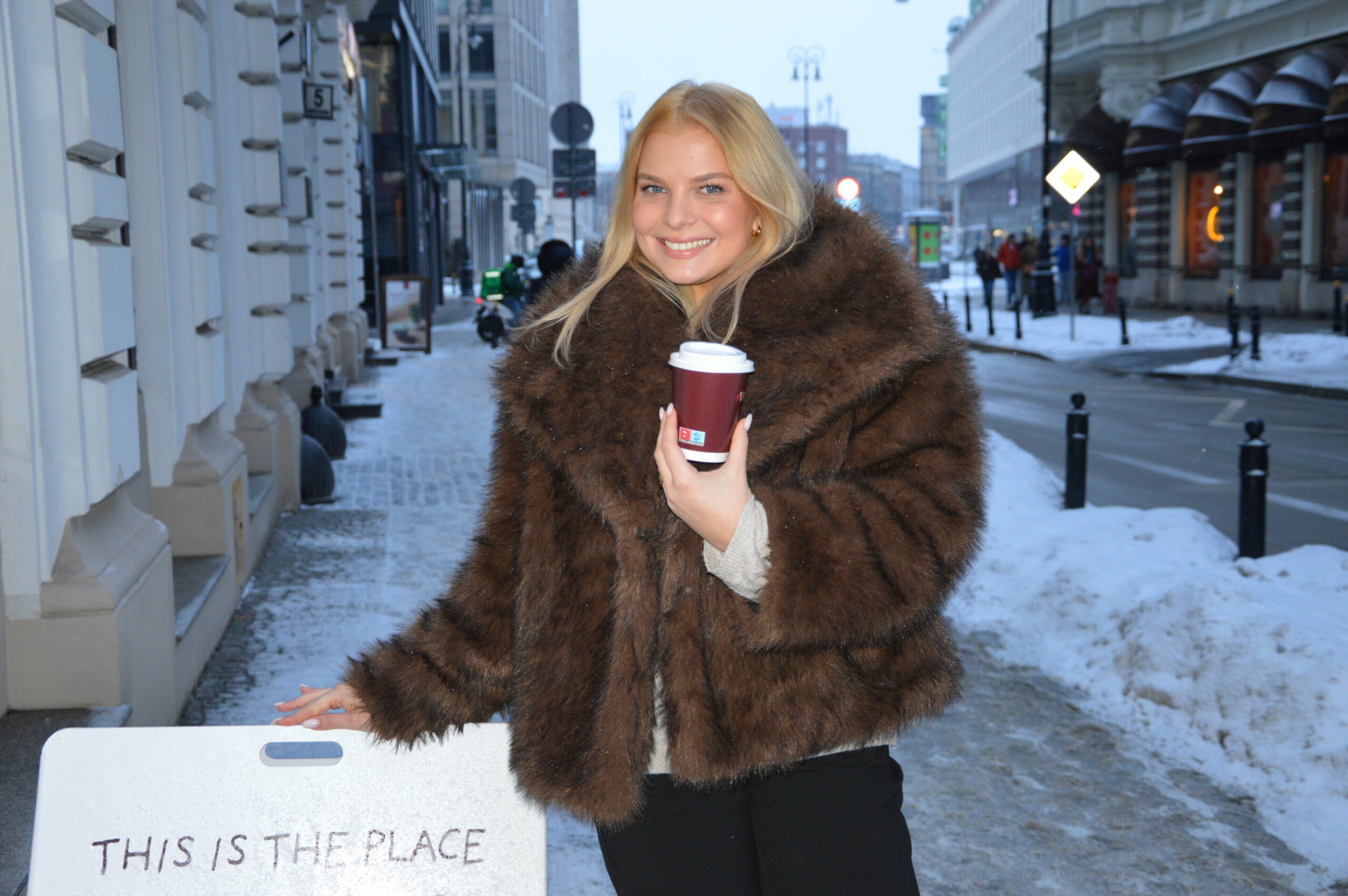
Ingrid is from Anderlecht but now lives in Warsaw. Credit: Noémie Naudin
Between two identities
When asked whether she feels more Belgian or Polish, Ingrid, who grew up in Anderlecht, hesitates. “I don’t really know,” she admits. “I grew up Belgian, but at home everything was Polish.”
There are lots of things she misses about Belgium, she says. Her close friends and family are still there, and although she says the food scene in Poland is excellent, Belgium offers a “much wider variety of international cuisines”. She also misses the “spontaneous, lively atmosphere” of social life in Belgium.
Karol, by contrast, has always felt culturally Polish. He points to Poland’s strong sense of national identity, visible in everyday life through religious and cultural traditions — from Fat Thursday to Easter and Christmas.
“For us, moving to Poland wasn’t about going backwards,” Ingrid adds. “It was about moving forward.”
'I’m not just surviving – I’m actually living'
Their experience is not by any means unique. Mateusz, 25, moved to Warsaw almost a year ago after finishing his studies in Belgium. Like Ingrid and Karol, he grew up explaining how to pronounce his Polish name – a detail he now mentions jokingly.

Mateusz, 25, moved to Warsaw almost a year ago after finishing his studies in Belgium. Credit: Noémie Naudin
Love played a role in his decision to move to Poland – he moved in with his Polish girlfriend – but it was not the only factor. “Here, I’m not just surviving. I’m actually living,” he says. “And that changes everything.”
Economically, he says he manages better in Poland, despite earning a local salary. “I save more money living in Poland than I would in Belgium under similar conditions.”
“High living costs, housing pressure, and taxation in many Western European countries are increasingly influencing the decisions of young people”, Dr. Dobrzyński says. “It’s not just about costs. It’s about the balance between ambition and quality of life.”
A shifting economic balance
Poland’s strong economic outperformance is hard to look past. In real terms, Polish gross domestic product (GDP) has grown 220% in the 35 years since 1989 – the fall of communism.
The European Commission expects the country's strong growth to continue into 2026, and the country has attracted hundreds of foreign companies – including more than 700 Belgian firms registered locally.
This makes language skills a key asset. “If you speak several languages, especially French, there are many opportunities,” Mateusz says.
As Polish migration balances begin tipping into previously unseen negative territory in the UK, Germany, and the Netherlands, Warsaw has embarked on a victory lap, portraying the shift as a sign of the country’s renewed economic pull.
“There’s nothing to wait for. Come back!” Polish Prime Minister Donald Tusk wrote last year under a promotional video on X, part of a government push to encourage Poles to return home.
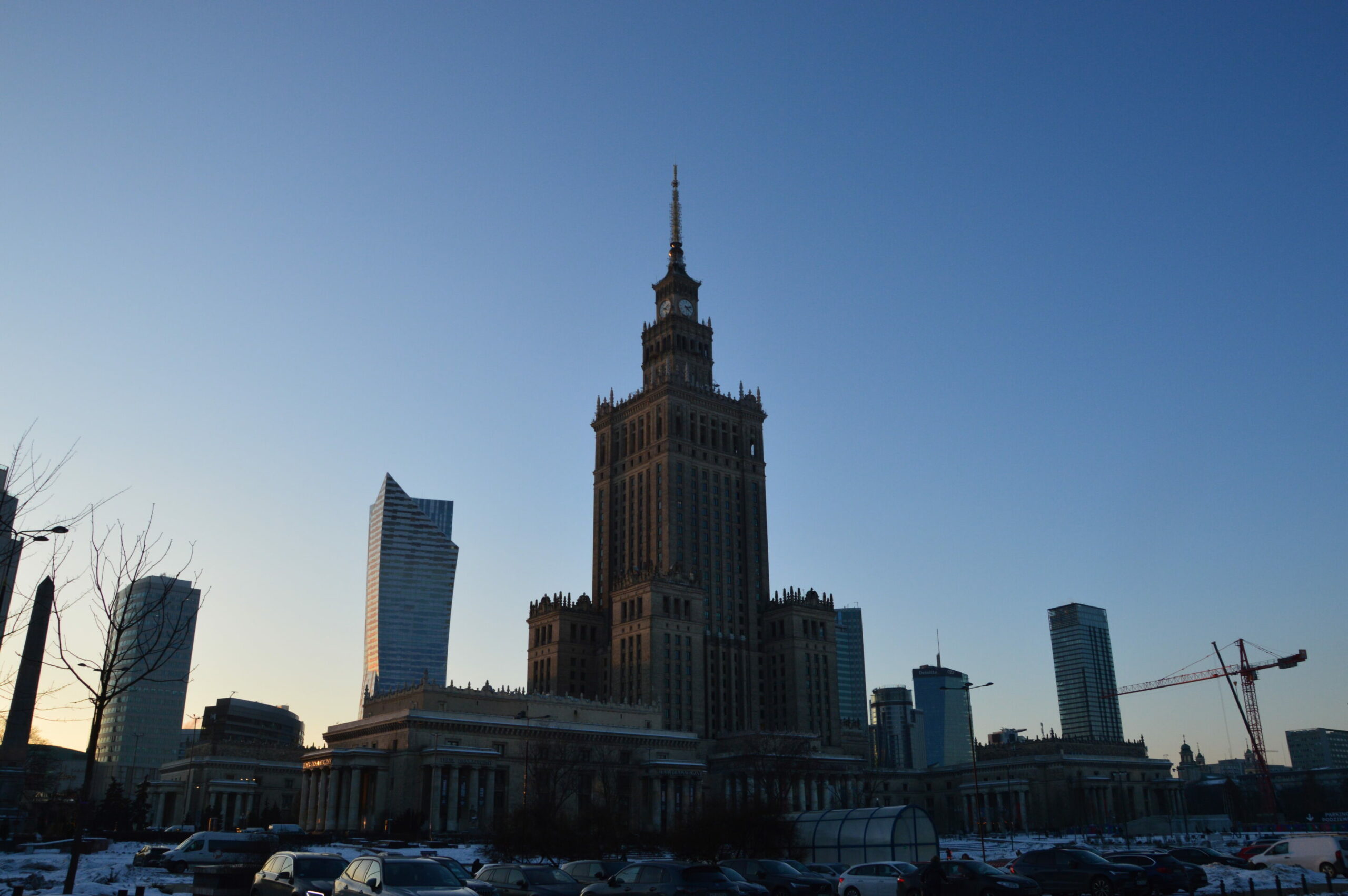
Polish GDP has grown 220% in the 35 years since 1989.
Rethinking the ‘Eldorado’
Mateusz notes a persistent gap in perception between those who stayed in Belgium and those who left. “There is still this idea that Belgium or France are an Eldorado,” he says. “Maybe they were in the past. That’s no longer the case today.”
But when it comes to identity, he embraces both sides. “I don’t feel more Polish than Belgian, or more Belgian than Polish. I’m somewhere in between — and I like that."
When he told his Belgian friends he was moving to Poland, they were shocked, he recalls. "Are you crazy? You’re going to live on a farm,” they told him.
His parents, by contrast, welcomed the decision, feeling that through Mateusz a part of them would reconnect with their homeland.
Like many migrants, they had always imagined returning one day. “I feel like I’m living the life my parents would have wanted for themselves,” Mateusz says. “Knowing they’re happy for me makes me really happy.”
For a generation born in Western Europe but raised with Polish roots, moving east is no longer an act of sacrifice. It is increasingly a deliberate choice. What was once a migration of necessity is becoming, for some, a migration of ambition.
