
The number of cyclists during morning rush hours in Brussels increased by 15.3% in 2025 compared to 2024, surpassing the average annual growth rate of 12.2% observed since 2010, according to findings by ProVelo.
This data was collected through over 100 hours of manual counting conducted in 2025 as part of ProVelo’s Bicycle Observatory. Supported by Brussels Mobility, these counts have been systematically carried out since 1998 at 26 locations across the capital during morning peak hours.
In addition to counting, ProVelo also collects qualitative insights through surveys to better understand cyclists’ experiences.
Despite the rising number of cyclists, the gender split among riders has remained steady at 60% men and 40% women for several years. Among all bicycles observed, 22% were equipped to transport children, primarily featuring longtail designs (48%) or cargo bikes/trailers (20%). Child seats, follow-me devices, or third wheels made up the remaining 32%.
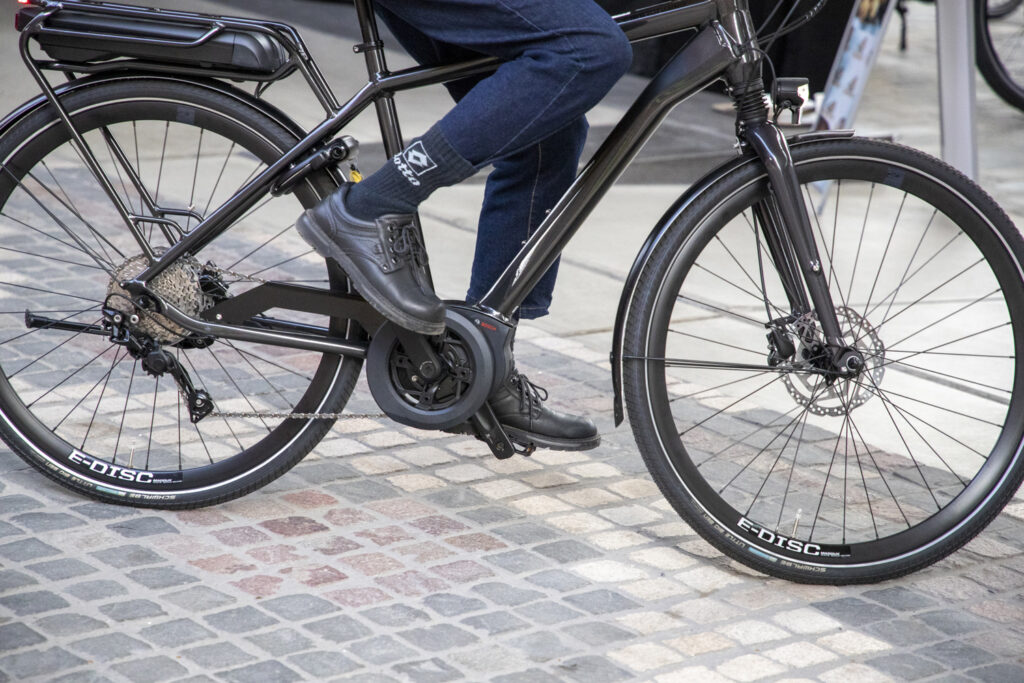
Cyclists are nearly evenly divided between using electric bicycles (49%) and traditional pedal-powered bikes (51%). Electric bicycles cover longer distances on average (7.6 km) compared to traditional bikes (5.2 km). Notably, in 2025, electric bikes were used more frequently for leisure purposes (52%) than for commuting (49%).
Micromobility devices, such as scooters, accounted for 9% of all vehicles tracked in the observatory, while bicycles made up the remaining 91%. Scooter users are predominantly men (80%), with 47% owning their scooters and 53% relying on shared devices.
