
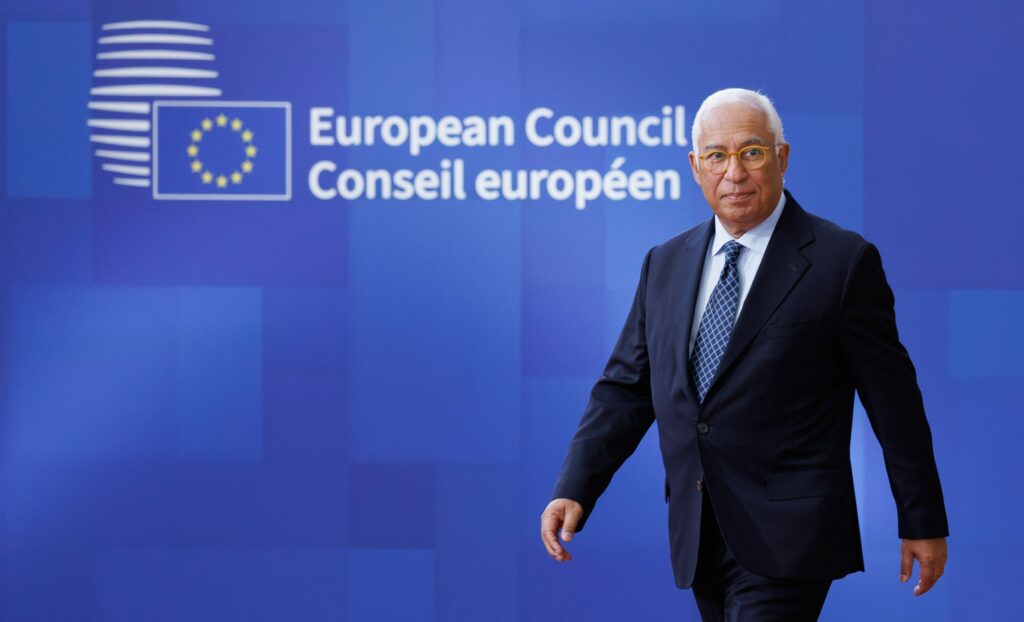
The European Union will need to engage in dialogue with Russia one day, but that time has not yet come, European Council President Antonio Costa said in an interview with the European Newsroom.
Costa clarified that discussions should focus on European security and peace in Ukraine, and not on energy matters. His comments followed controversial remarks by Belgian Prime Minister Bart De Wever, who had suggested normalising relations with Russia to regain access to affordable energy.
In a weekend interview with the newspaper L’Echo, De Wever touched on the idea of renewing ties with Russia, sparking widespread criticism. On Monday evening, amid international backlash, he clarified that normalisation would not be possible without a peace agreement deemed acceptable by both the EU and Ukraine.
Speaking to the European Newsroom on Monday afternoon, Costa acknowledged that dialogue with Russia would be necessary “one day”, but emphasised that “it is not yet the time”.
He urged EU leaders to avoid disrupting US President Donald Trump’s ongoing efforts to secure a fair and lasting peace. Costa cautioned, however, that Europe must prepare for the possibility that Trump might abandon these efforts or that they might fail, at which point the EU would need to take responsibility.
Costa argued that the EU’s current priority should be maintaining economic pressure on Russia and supporting Ukraine. He stressed Europe’s strategy of ending reliance on Russian energy supplies rather than negotiating lower energy prices with Moscow.
Condemnation of De Wever's remarks
De Wever’s earlier remarks were criticised sharply during a parliamentary session on European affairs on Tuesday morning. Socialist Party leader Paul Magnette condemned the prime minister’s statements as “shocking” and “defeatist,” accusing him of tarnishing Belgium’s reputation.
In response, De Wever dismissed the criticism as a “hypocritical witch hunt” and pointed to recent comments made by Elio Di Rupo of the Socialist Party that were critical of Ukrainian President Volodymyr Zelensky. He reaffirmed the clarifications he had made the previous evening.
Michel De Maegd from Les Engagés warned against weakening Europe’s stance by discussing normalisation with Russia. He praised the diplomatic efforts of Vice Prime Minister Maxime Prévot to steer the conversation back on track at the European level.
François De Smet, a deputy from DéFI, criticised De Wever’s comments, stating, “A prime minister should not say such things.” While acknowledging De Wever’s later attempts to clarify his position, he pointed to “discord within the majority” on key international issues.
