
Ten years ago, on Wednesday 22 March 2016, Belgium was struck at its core. Twin attacks at Brussels Airport and the Maelbeek metro station killed 32 people and injured more than 340. A decade later, the trauma remains not only in the memories of victims and their families, but in the institutions that were forced to confront the aftermath.
A book - ten years later
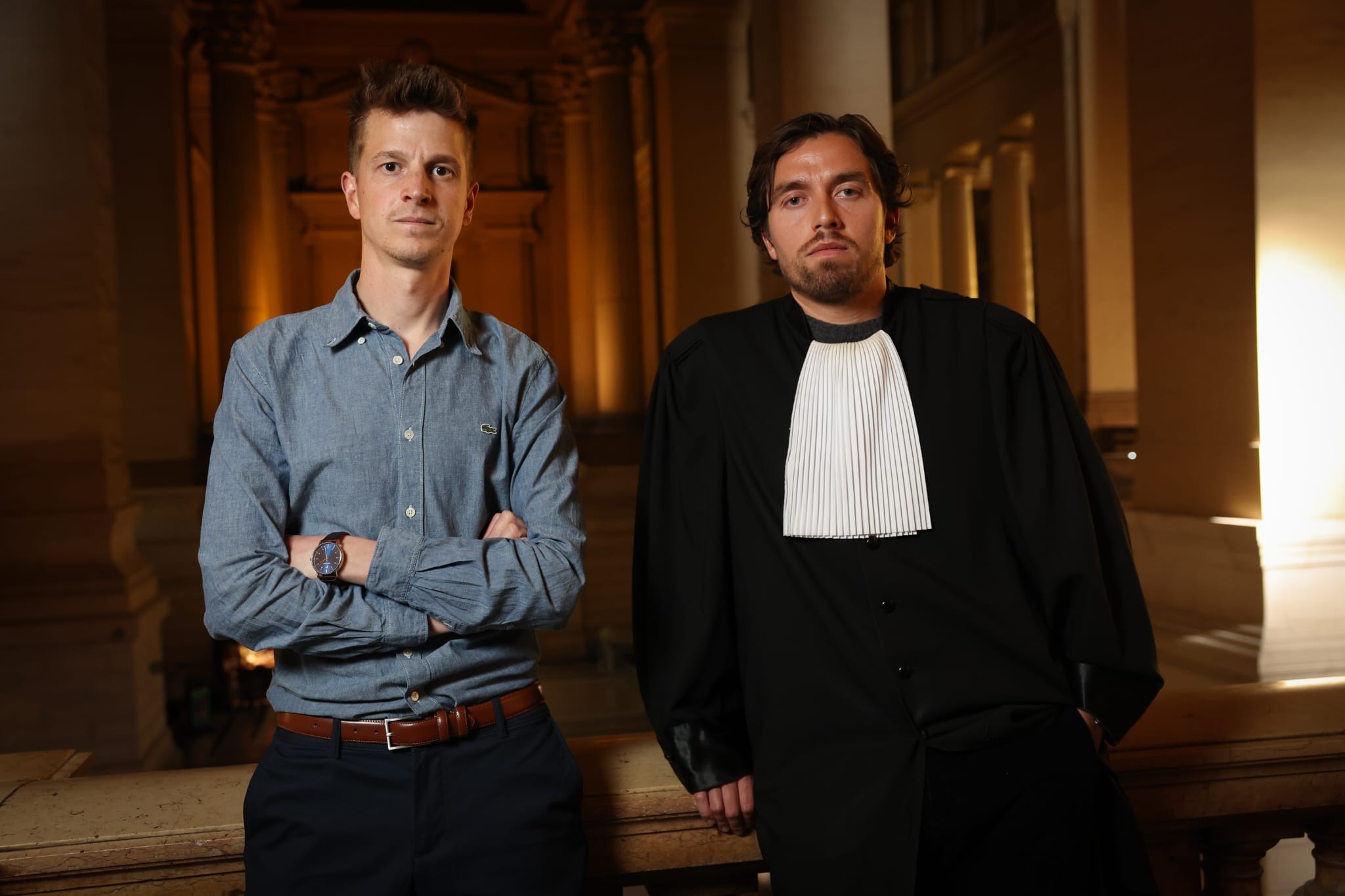
Published in 2026 by Racine, the book Les attentats de Bruxelles. Le procès du siècle raconté par l’avocat d’un accusé (The Brussels Attacks: The trial of the century told by a defence lawyer) brings together the perspectives of a defence lawyer and a journalist.
Its authors, Michel Degrève Garnica and François Garitte, combine legal insight with reporting to document the inner workings of the trial. A criminal lawyer, Degrève Garnica, distinguished himself during the Brussels and “Paris bis” attacks trials, securing the acquittal of his client twice alongside Sébastien Courtoy.
His work focuses on major crime, terrorism, and social media law. Garitte, a journalism graduate from UCLouvain, collaborates with several media outlets and notably writes legal columns for the daily La Libre Belgique.
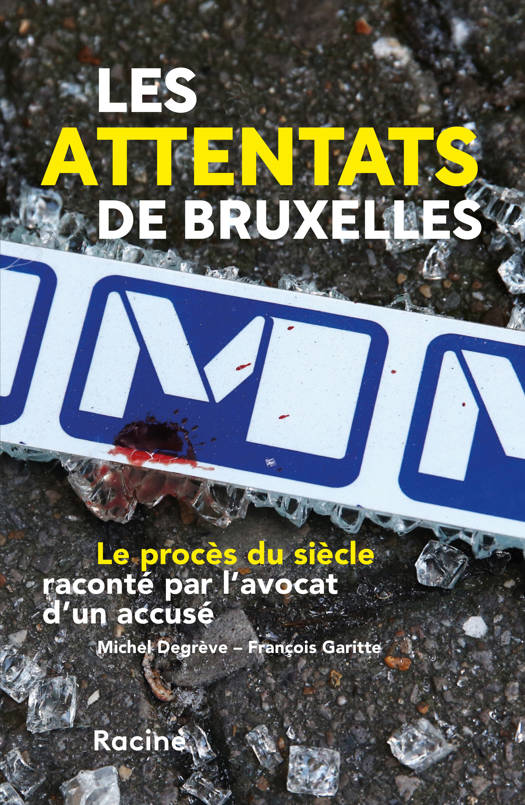
The cover of the book. Credit: Racine
The day everything changed
For François Garitte and Michel Degrève Garnica, that day marked the beginning of a journey they could not have imagined, one that would eventually lead them inside the country’s largest criminal trial of all time.
“I was a journalism student at the time,” François Garitte told The Brussels Times. “That very day, we were in the car, heading to a reporting assignment in the South of the country, when the first news came in. It was a shock, but we stayed in our work bubble. It was only when we returned to Brussels that it really hit.”
Michel Degrève Garnica, then a law student at ULB, recalls how confusion gave way to realisation. “I was studying for exams at the library when it happened. At first, I was just distracted. People were talking; something was happening. Then we understood there had been an attack at the airport. After that, everything escalated.”
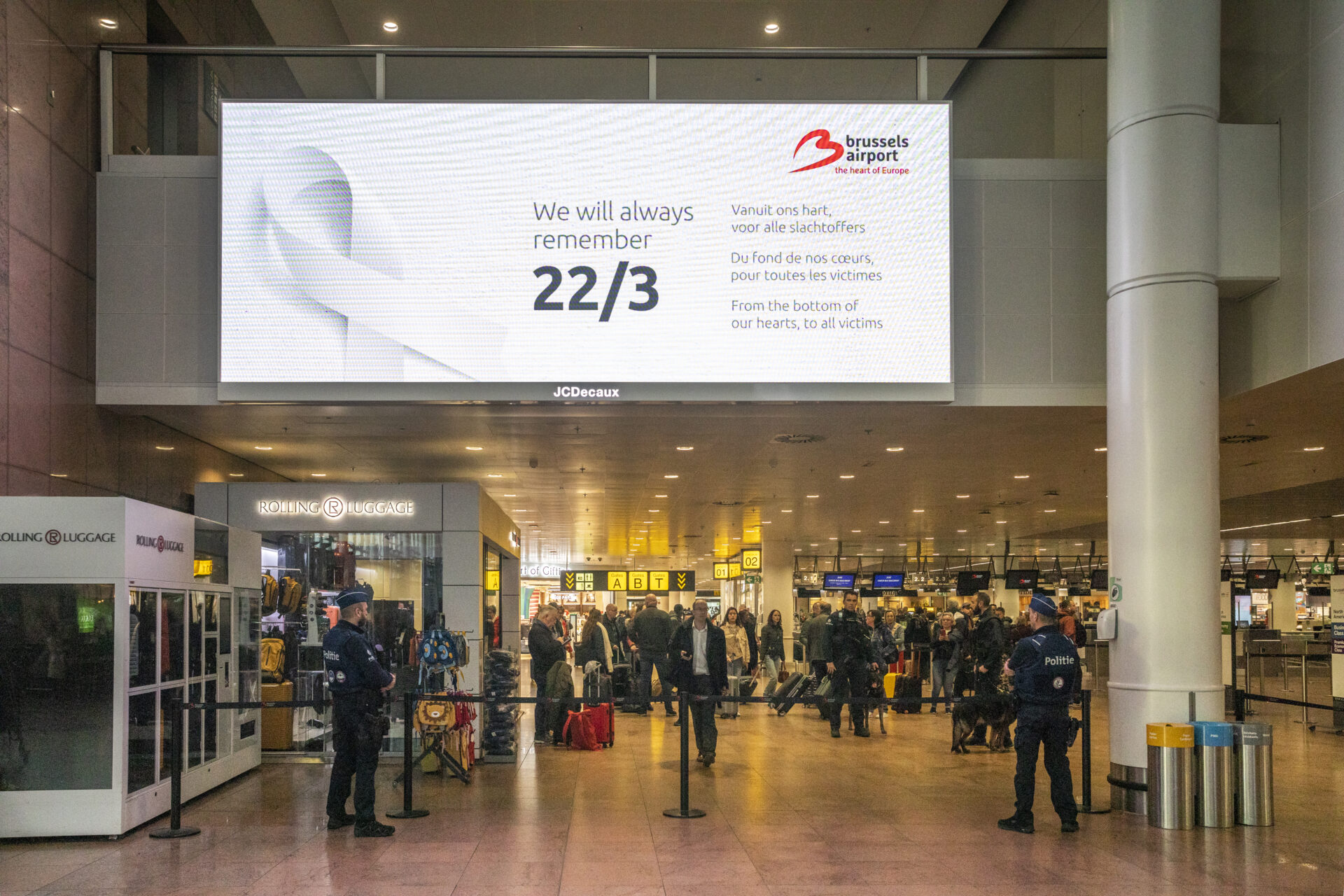
A poster at Brussels Airport in Zaventem to commemorate the 2016 terrorist attacks. Credit: Belga/Hatim Kaghat
From students to key witnesses of history
Seven years later, both men found themselves connected to the trial of the Brussels attacks - a judicial process unprecedented in Belgian history, spanning months of hearings, hundreds of thousands of pages of evidence, and dozens of accused.
“I never imagined I would one day write a book about these events,” says Garitte. “The connection only came later, when the trial began.”
For Degrève Garnica, the shift was even more striking. “I didn’t have a strong vocation to become a lawyer at the time. The idea that I would take part in that trial, and as a defence lawyer, was completely unthinkable.”
The trial, held in the highly secured Justitia building - a former NATO site transformed into a courthouse for the occasion - resembled a judicial fortress. Inside, 12 jurors and 24 alternates were tasked with navigating a case of extraordinary complexity, reconstructing the workings of a terrorist network through years of investigation.
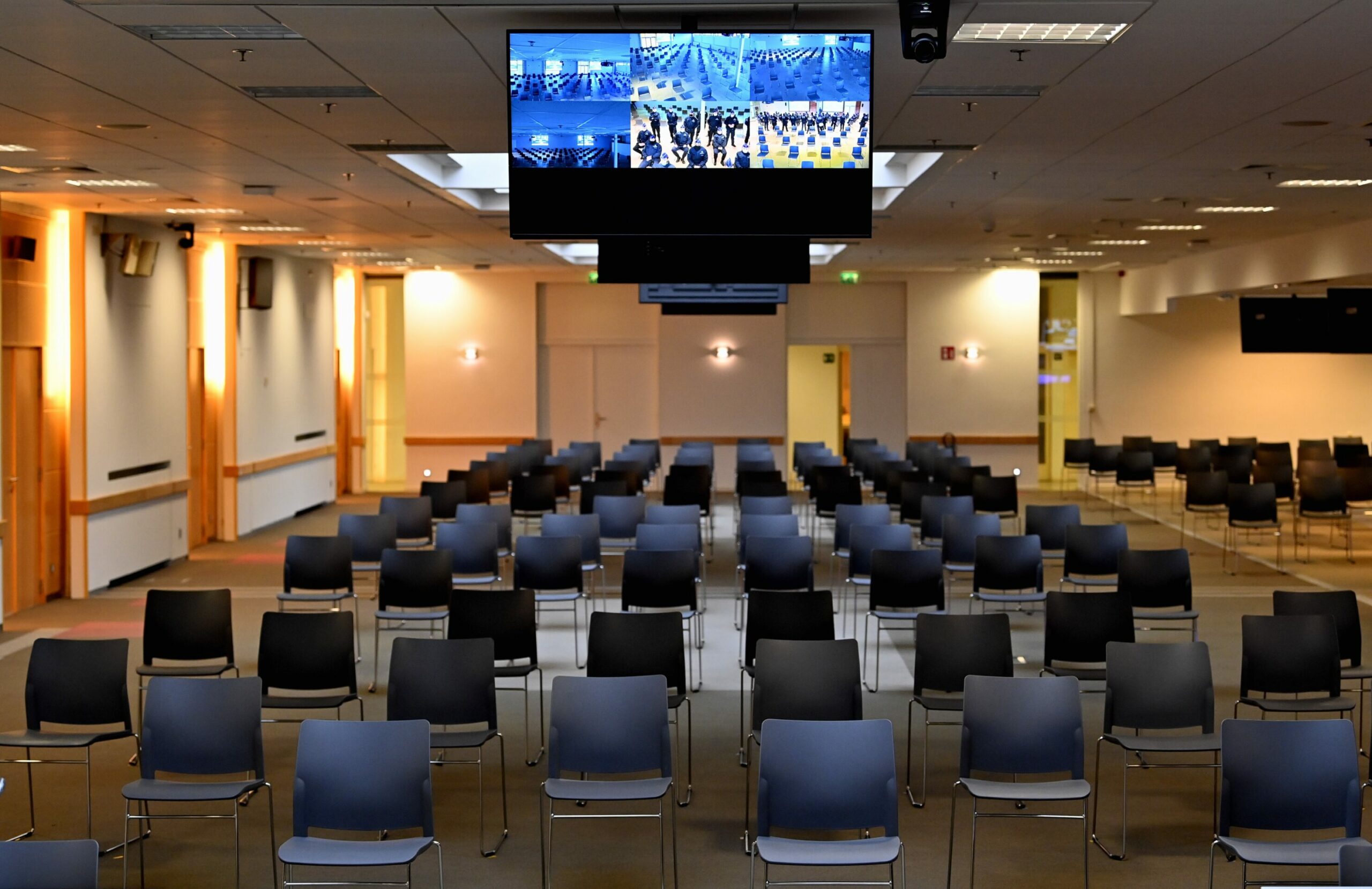
Illustration shows a visit to 'Justitia', the courtroom at the former Nato headquarters building, in Haren. Credit: Belga / Eric Lalmand
A trial under pressure and a sudden turning point
For Michel Degrève Garnica, the experience became even more intense in the middle of the proceedings. On 20 February 2023, renowned criminal lawyer Sébastien Courtoy, his mentor and co-counsel, was found dead at his home after suffering a heart attack.
“It was my first pleading after Sébastien Courtoy’s death,” Degrève Garnica recalls. Suddenly, the young lawyer was thrust into a leading role in one of the most high-profile trials in Belgian history.
“I was 27 and still an intern. At first, I relied on my mentor. But after his death, I was suddenly pushed into a leading role. You have to keep going with one conviction: that you are defending an innocent man.”
The pressure was immense: legal, emotional, and media-driven. His client faced life imprisonment for providing logistical support to the attackers, notably by making an apartment available.
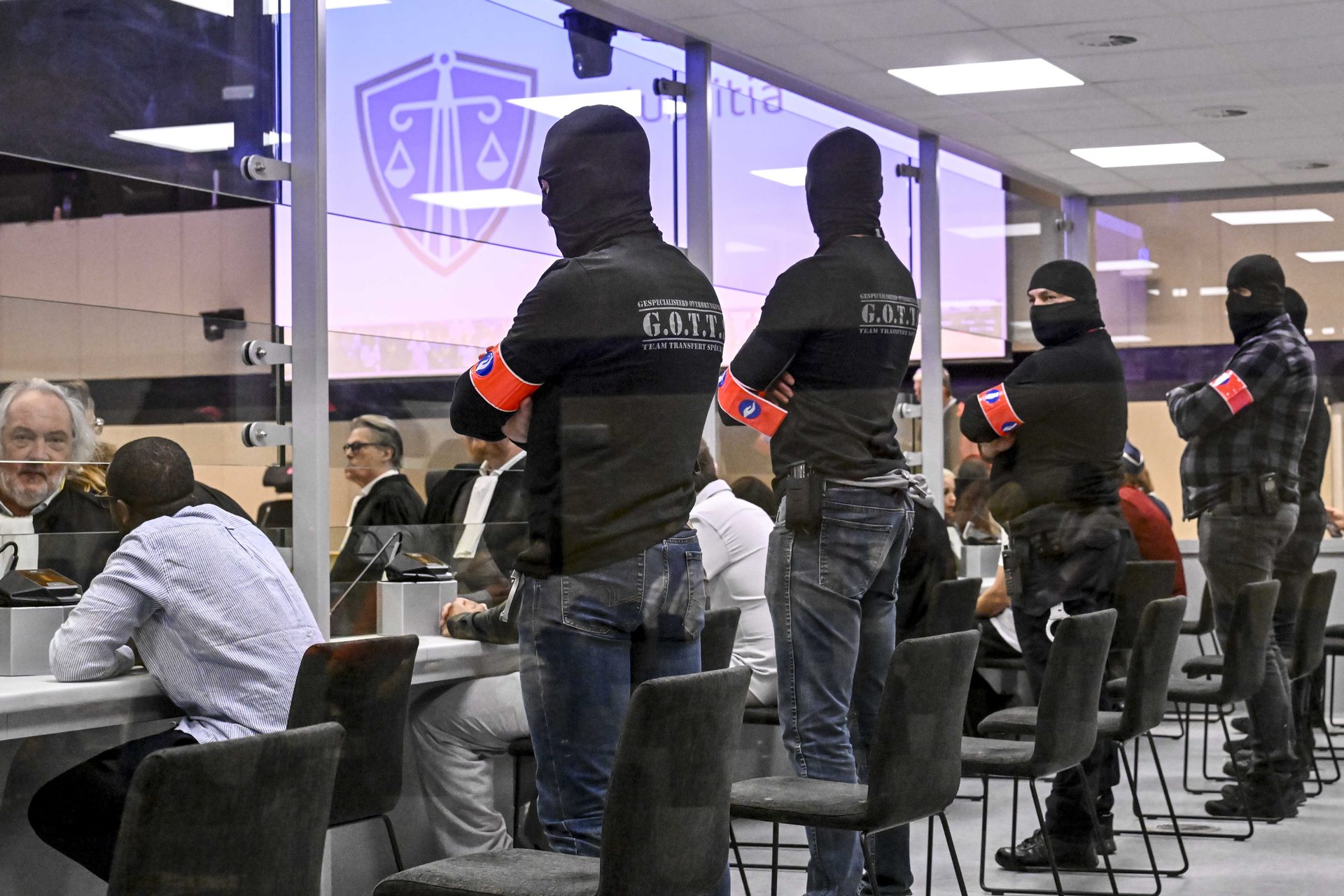
Police officers pictured as they stand behind the accused in the box at a session with pleadings concerning the sentencing at the the trial of the 2016 Brussels terrorist attacks. Credit: Belga/Dirk Waem
The defence’s point of view
In the book, the authors deliberately chose to tell the story from the perspective of the defence - a standpoint often overlooked in cases of terrorism.
“Because we live in times where fundamental rights are sometimes weakened,” explains Degrève Garnica. “Showing the defence’s perspective is a way of reminding people that justice can be carried out with dignity, without compromising the law. It’s also about saying: look, we did this properly, without abandoning our values.”
In that spirit, the accused is kept anonymous through the book, even though many in Brussels already know his identity. “This is not a book about a specific defendant,” adds Garitte. “It’s about the trial itself.” Degrève Garnica adds: “We wanted to explain how such a massive judicial process unfolds - its stages, its actors, its mechanisms”.
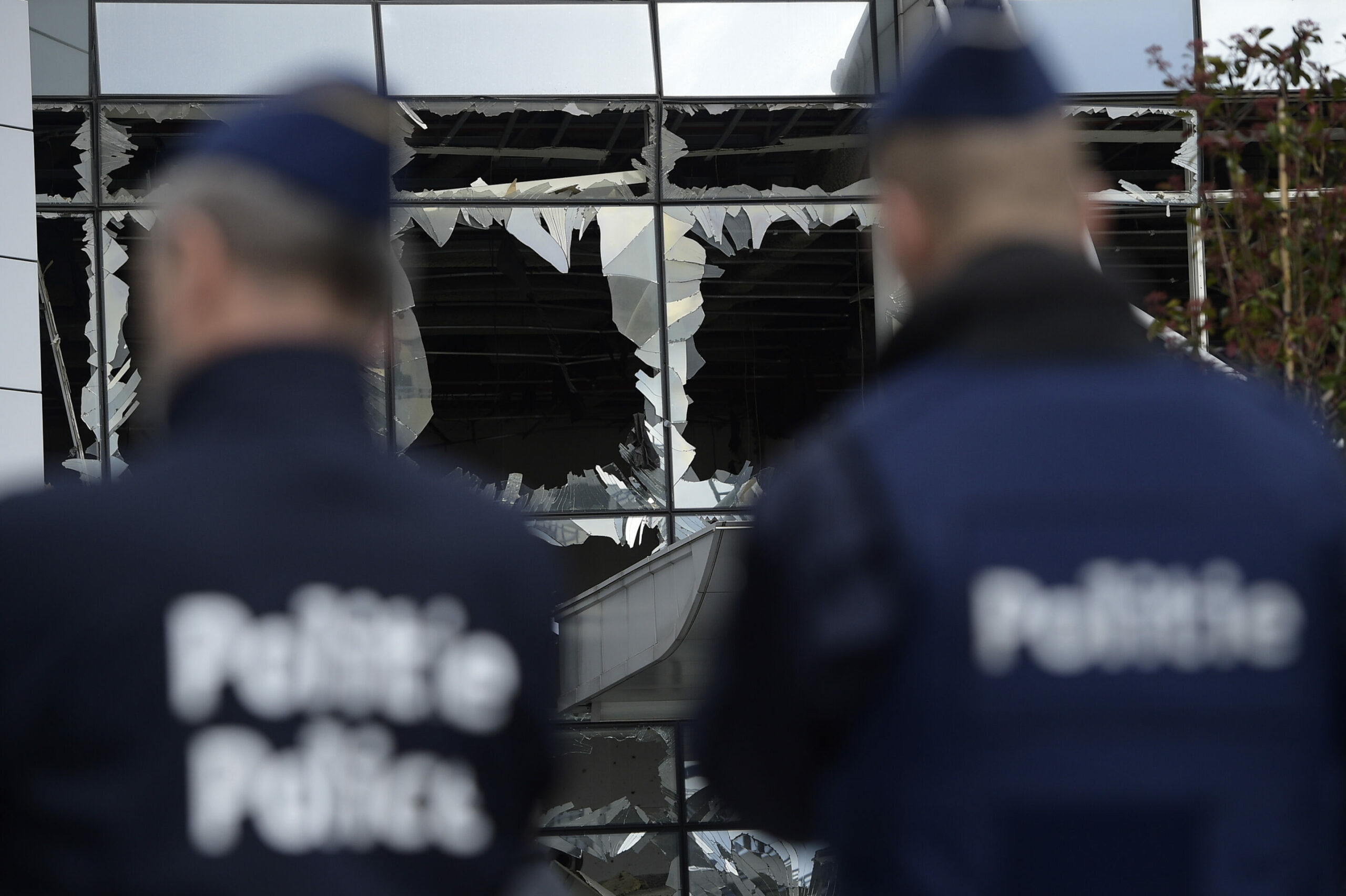
Illustration picture shows the damaged front of Brussels Airport, in Zaventem, Wednesday 23 March 2016. Credit: Belga/ Yorick Jansens
The weight of testimony
Among the most powerful moments of the trial were the testimonies.“The testimonies of victims and first responders were the most moving,” says Garitte. “They described scenes of war in the heart of Brussels. It was extremely powerful and deeply human.”
Survivors, families, police officers and firefighters took the stand, recounting in detail the chaos and horror of that Wednesday morning. For many, the courtroom became a space of recognition and, sometimes, confrontation.
For Degrève Garnica, however, every moment carried weight. “Testimonies, interrogations, pleadings everything felt extremely significant. I was in a constant state of pressure.”
Justice under the strain of emotion
Beyond the facts, the trial raised a fundamental question: how does a democratic system judge acts of terrorism without compromising its principles?
“It was an unprecedented trial in terms of scale,” Degrève Garnica explains. “But what stands out is that despite the immense emotional weight, the rule of law held firm. At several moments, procedural safeguards could have been undermined. But Belgian justice resisted. It never compromised on fundamental rights.”
The client of Michel Degrève Garnica was ultimately found not guilty and was acquitted. For Garitte, the role of the jury was equally significant. “It’s a triumph of democracy. After months of hearings, it’s the citizens who deliver a nuanced verdict.”
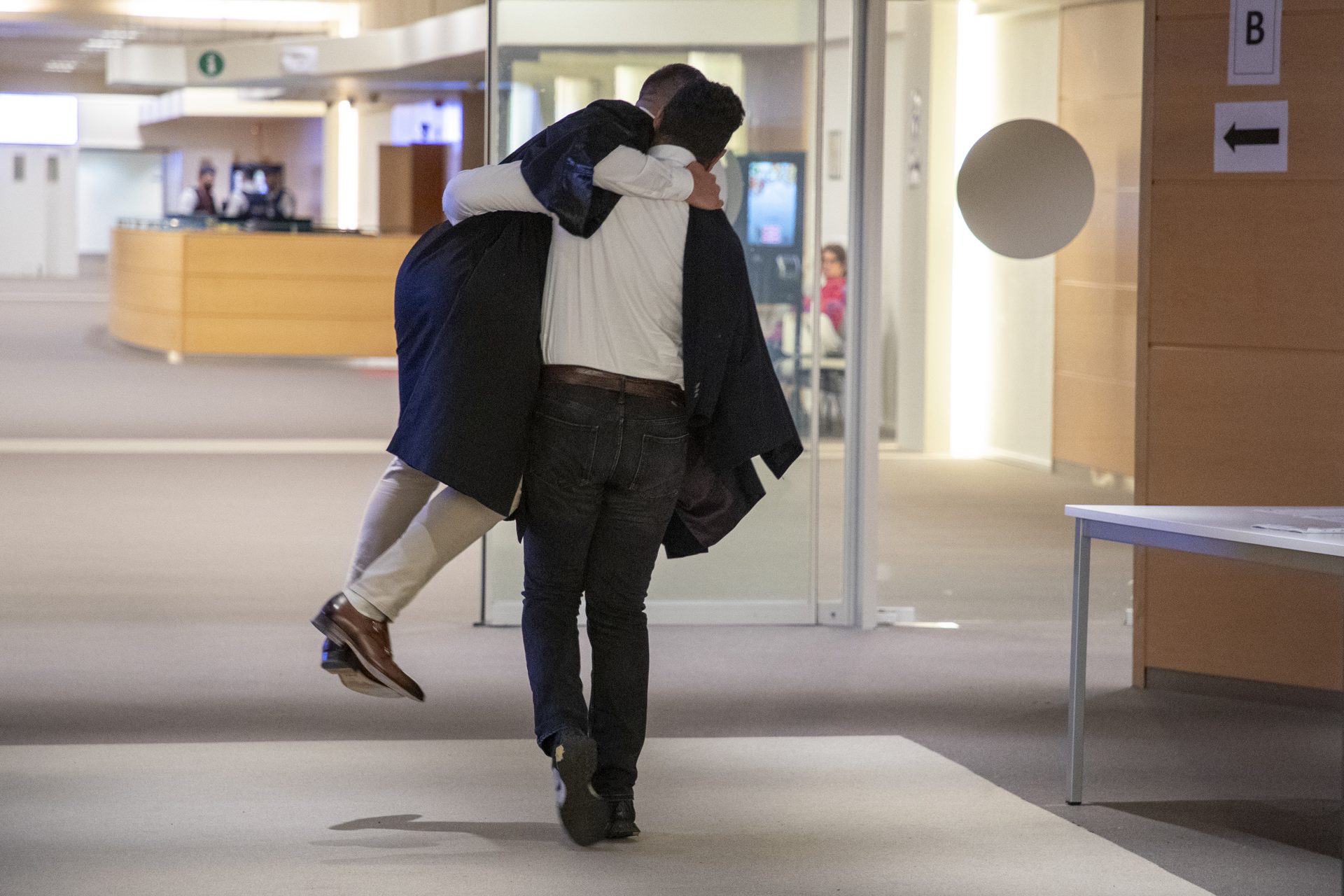
The accused embraces lawyer Michel Degreve after receiving a not-guilty verdict. Credit: Belga / Nicolas Maeterlinck
A necessary trial
Was the trial useful? Both men respond without hesitation. “More than useful: it was necessary,” says Degrève Garnica. “It provided answers not only for the victims, but also for the accused and for society as a whole.”
Yet the impact remains profoundly personal. “For victims, there is no single answer,” notes Garitte. “Some may have found clarity, others not.”
“This is something that has left a deep mark on Brussels,” Degrève Garnica adds. “Even today, its traces remain. This event created real trauma among the city’s residents; everyone carries both conscious and unconscious scars. Recognizing them is what allows us to move forward as citizens.”
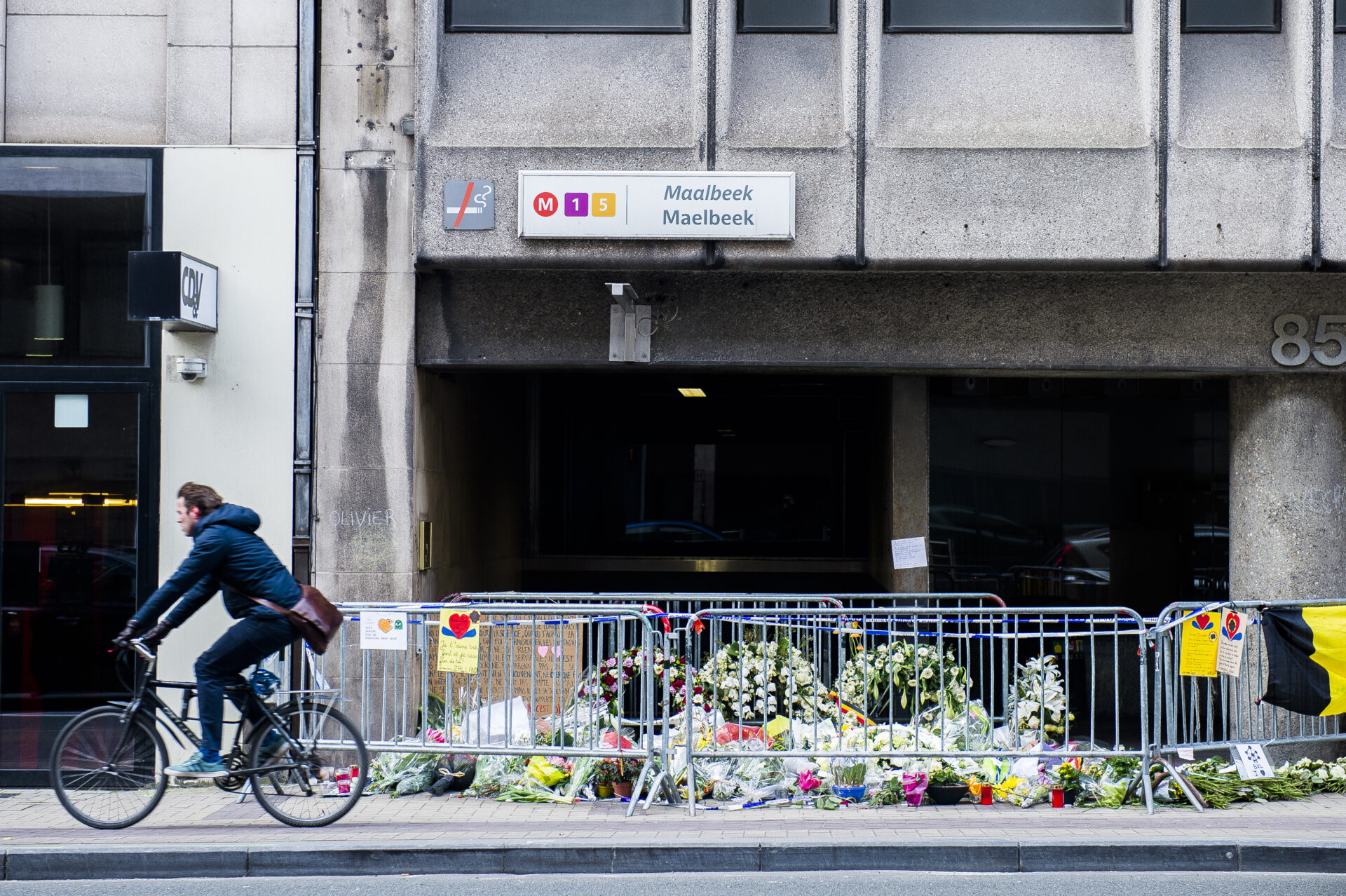
Maelbeek metro, one week after the terrorist attacks. Credit: Belga Image/Laurie Dieffembacq
Remembering - and understanding
Their book does not seek to retell the attacks themselves, but to document what came after: the long, complex, often exhausting process of justice. “I wanted to place the reader inside the courtroom,” says Garitte. “To understand how such a trial actually works.”
For Degrève Garnica, the message is broader. “We need to remember what happened, learn lessons from it, recall the exemplary nature of Brussels society. We can be proud of what our justice system achieved with measured judgment, and we can be proud to be Brussels residents.”
Ten years after the attacks, that may be one of the lasting legacies of the trial: not closure, but a demonstration that even in the face of terror, the rule of law can endure.
