
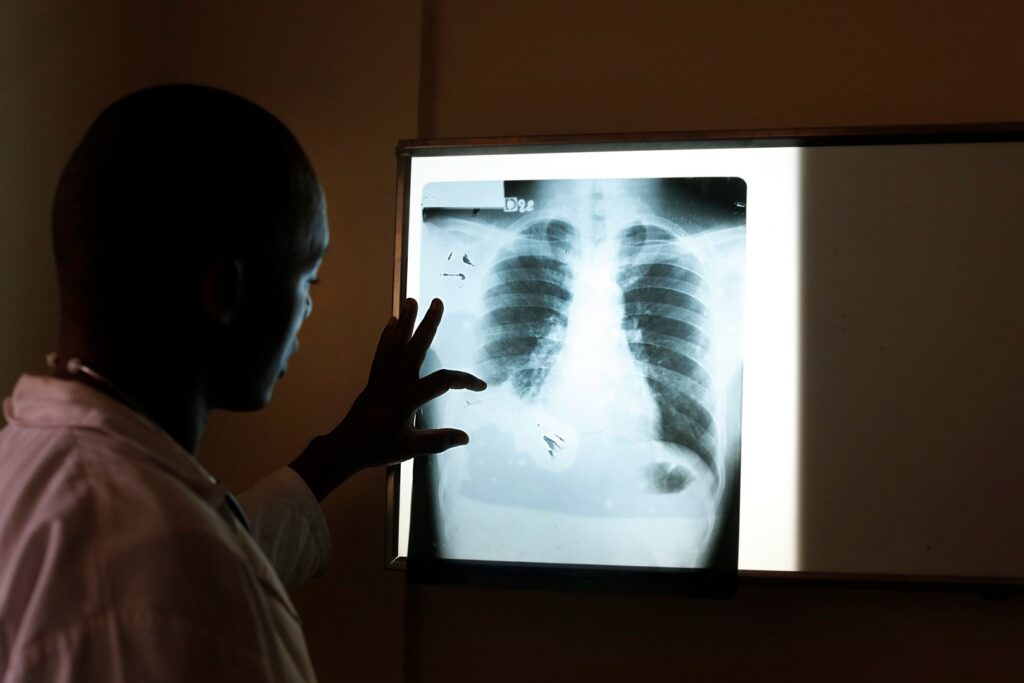
Tuberculosis is on the rise in Belgium, with the number of cases rising around 10% in 2024 compared to the year before. The rate is almost three times higher than the national average in the Brussels-Capital Region.
In Belgium, 950 new cases were recorded in 2024 – bringing the country's average to 8.1 tuberculosis infections per 100,000 inhabitants. In Brussels, that figure is almost three times higher: 22.4 cases per 100,000 inhabitants.
"If we want to eradicate tuberculosis in Belgium, we cannot ignore the international context," said Pascale Barnich, Executive Director of the Damiaanactie medical aid and development organisation.
To mark World Tuberculosis Day on 24 March, Damiaanactie and BELTA (Belgian Lung and Tuberculosis Association) are highlighting the seriousness of the disease.
Not stopped by borders
Globally, tuberculosis remains the deadliest infectious disease. It primarily affects the lungs and remains fatal without treatment.
According to figures from the World Health Organisation (WHO), approximately 10.7 million people are infected annually, and more than 1.2 million die.
While effective treatments exist, cuts to healthcare and social services threaten to seriously undermine years of progress in tackling the disease, according to the organisations.
This decline in global funding for prevention and care could lead to five million additional infections and two million preventable deaths between 2025 and 2035.
"Greater spread in the rest of the world will inevitably have consequences for Belgium too," Barnich said, adding that tuberculosis "does not stop at national borders."
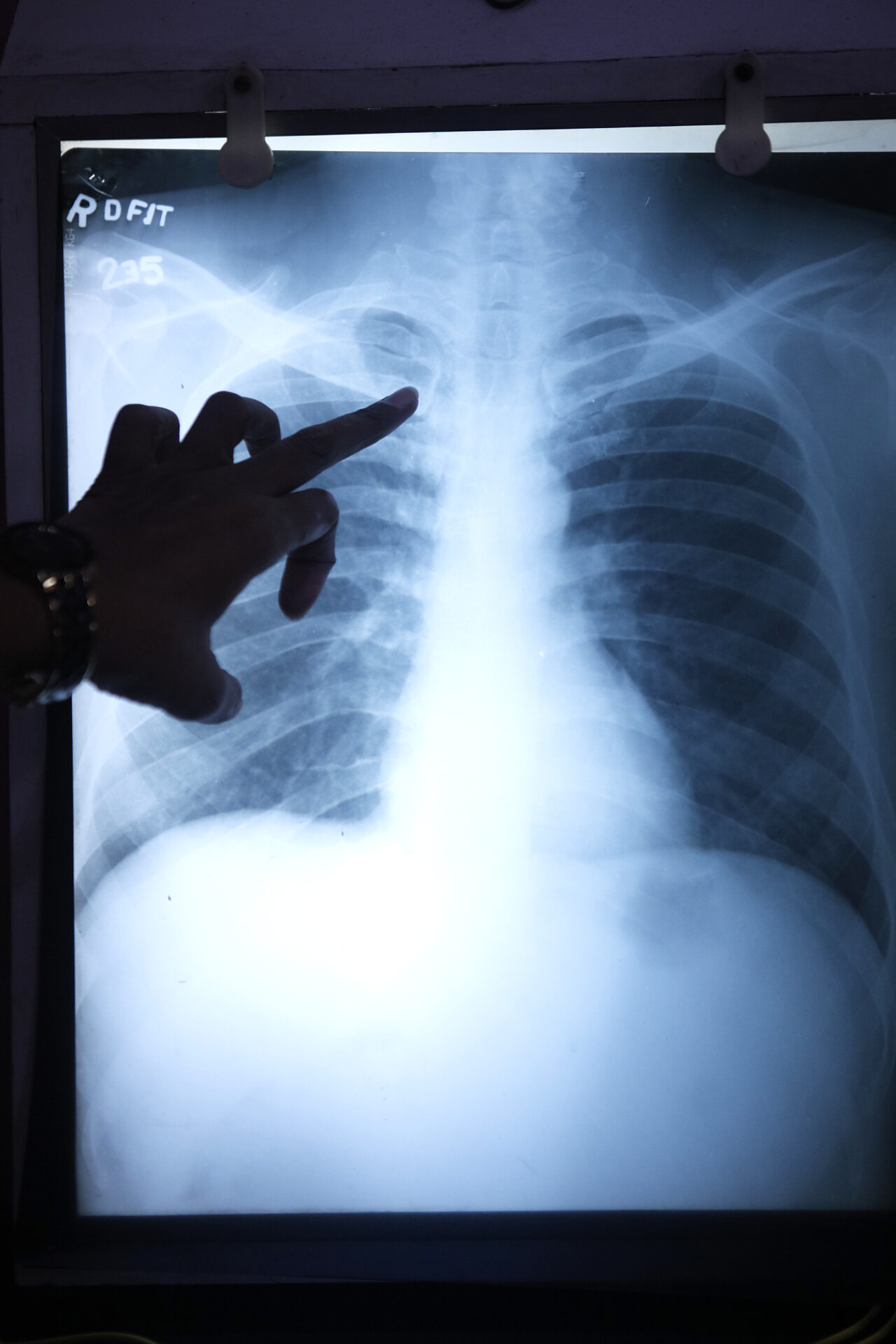
Tuberculosis X-Ray. Credit: Bepublic
The organisations stressed that the disease "remains a real and growing challenge to public health", and primarily affects people "living in highly vulnerable circumstances."
In Belgium, too, poverty and the social environment play a major role. Here, tuberculosis mainly affects people living in poverty, who lack stable housing and have difficulty accessing healthcare.
The planned cuts in the country's healthcare sector, social services and support structures primarily affect the most vulnerable groups – precisely the people most at risk of tuberculosis.
The WHO points out that recovery depends not only on accurate diagnosis, prevention and access to care, but also that social support for patients throughout their entire treatment is a decisive factor for success.
If that support is lacking, there is a real risk that patients will not complete their treatment, according to the WHO. "This not only increases mortality but also means that patients may unwittingly play a role in the spread of an even more resistant form of the disease."
Removing barriers
Therefore, Damiaanactie and BELTA advocate a sustainable and integrated approach. "Every person, regardless of their socio-economic situation, must have access to high-quality healthcare," the organisations concluded.
In Brussels, BELTA, with support from Damiaanactie, provides accommodation at ‘Het Huizeke’, where more than 50 people have been housed over the past five years.
In addition to housing and appropriate medical treatment, residents also receive social support. Food aid is also available for patients in need.
"In our project with Damiaanactie, we see that social support really makes a difference: the success rate in Brussels is approaching 85%, which is significantly better than before," said Wouter Arrazola de Oñate, public health director at the Respiratory Health Centre of Expertise. "In some years, we even achieve a 100% recovery rate among the people we support."
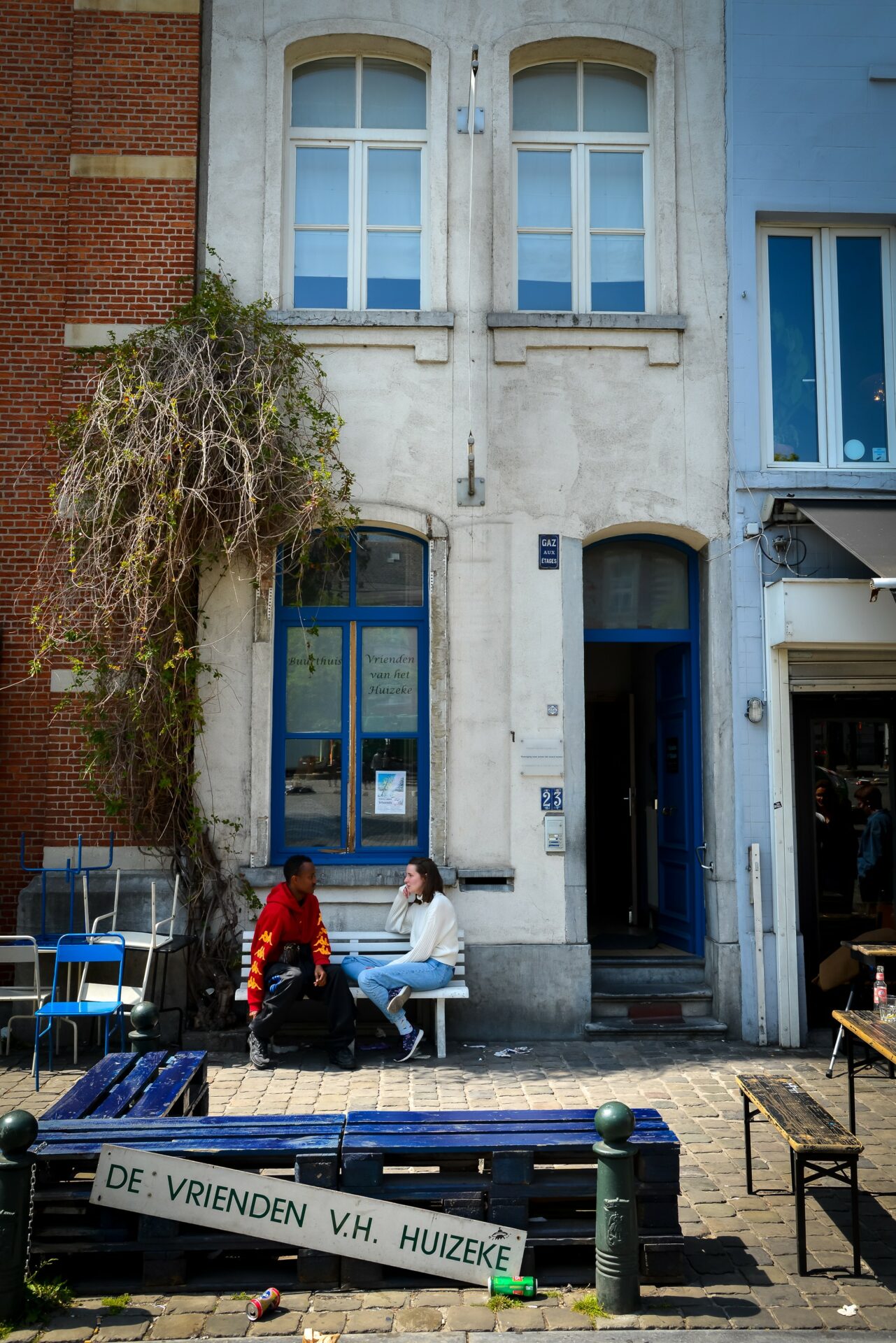
Vrienden van het Huizeke in Brussels. Credit: Bepublic
However, social support for the most vulnerable patients after diagnosis is not enough; it is equally important to remove barriers to care.
Due to the prolonged absence of the Brussels Government, several organisations were forced to cease their activities, including initiatives that offered medical consultations to vulnerable groups and organised mobile healthcare campaigns.
BELTA worked with these organisations to identify people suspected of having tuberculosis and fears that their disappearance will lead to significant delays in diagnosis, thereby increasing the risk of disease transmission. "This could affect up to 10% of all Brussels patients," said Arrazola de Oñate.
Globally, too, the WHO is warning of the risk of a setback in the fight against tuberculosis due to declining government funding, increasing geopolitical instability and the resurgence of crises worldwide.
