
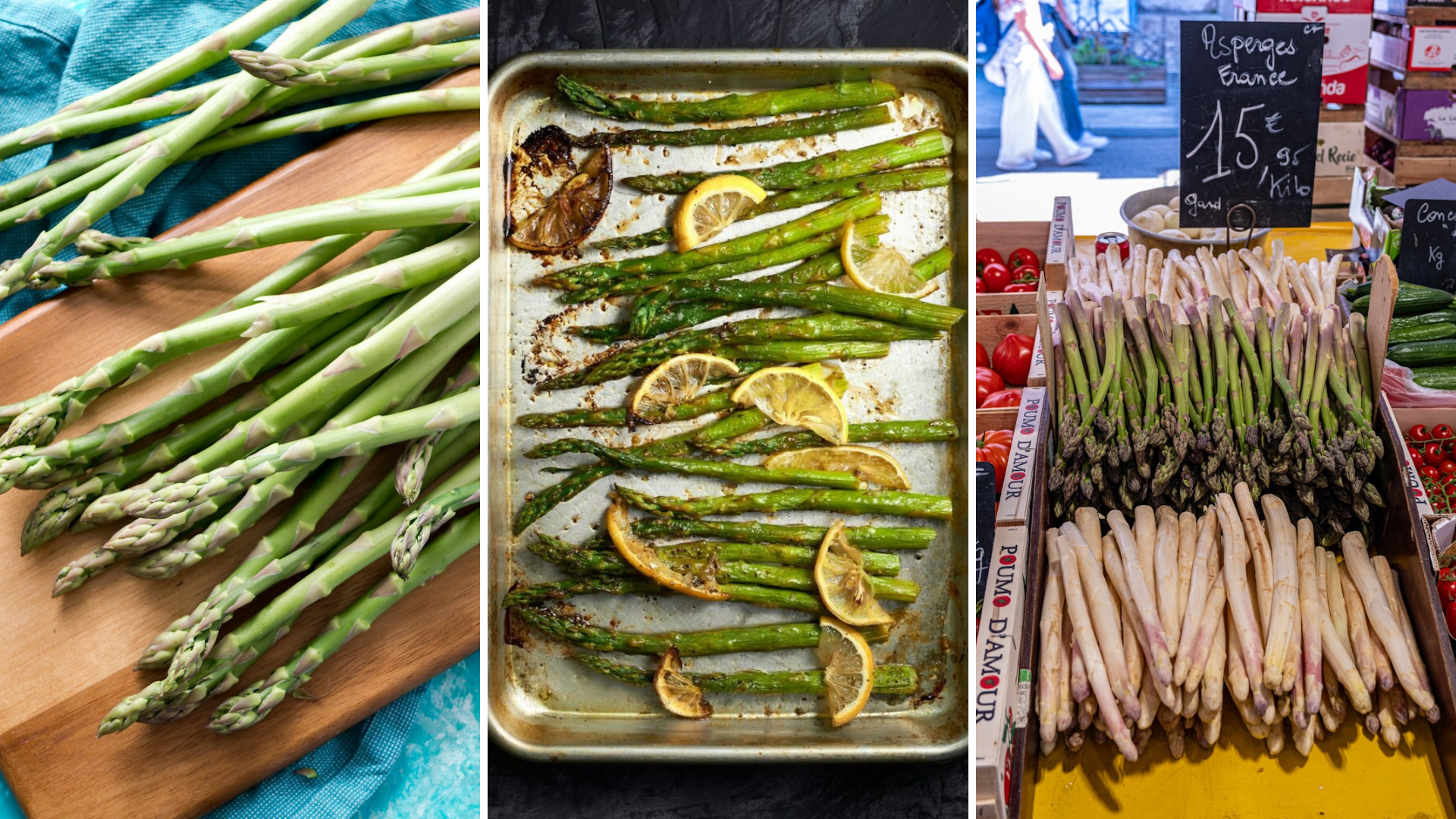
Temperatures have (finally) risen, and the spears are emerging from the soil: L’asperge est arrivée! Loved by emperors, courtiers, and grandmothers alike, asparagus has a taste like no other – some adore it, others twitch their noses at it.
If you’re on the fence, it helps to know that our ancient ancestors could not get enough of asparagus. Perhaps they were enchanted by its silky, tender texture, or its mildly nutty, slightly umami flavour, or maybe they simply bought the hype that it was the ultimate aphrodisiac.
Although it grew wild along the sandy sunny coastal regions of the Eastern Mediterranean and North Africa, and even appears in an ancient Egyptian frieze dating to 3000 BC, asparagus began to be seriously cultivated by the Romans around two millennia ago.
Emperor Augustus probably had a hand in this, as he was completely smitten: he even organised dedicated ships, christening them the Asparagus Fleets, for transporting the asparagus across the empire. He reportedly coined an expression, velocius quam asparagi coquantur (‘faster than asparagus cooks’), which he used when barking orders that needed to be carried out pronto.
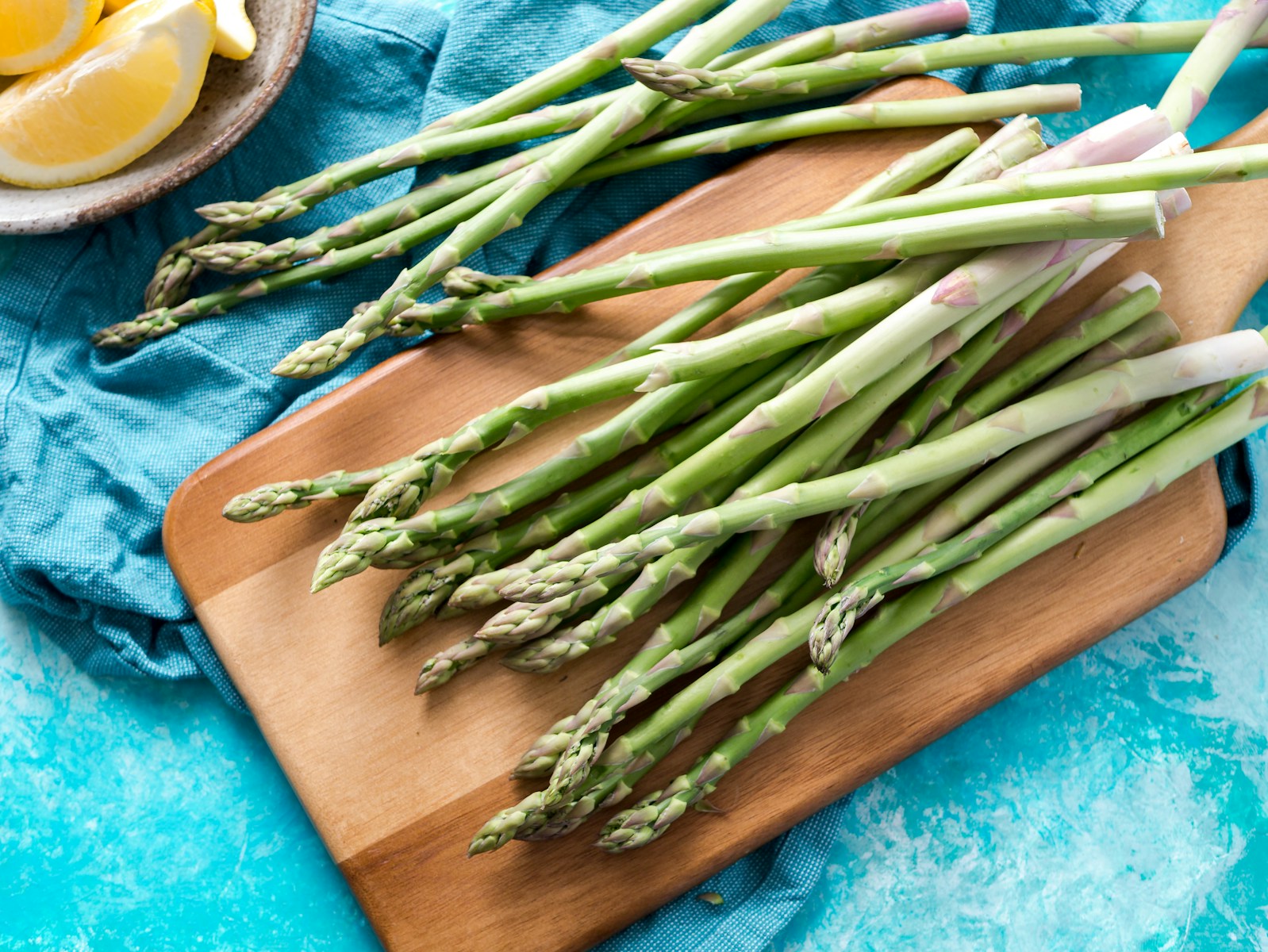
Credit: Christine Siracusa/Unsplash
Part of the asparagus allure may have been its reputation as an aphrodisiac. Its - ahem - shape and supposed effects on vitality gave it a long-standing romantic reputation. But there was more than romance for the Romans: they were fascinated by the fact that asparagus spears can grow up to 7–10 cm in a single day under ideal conditions. In fact, their meticulous cultivation and farming techniques were recorded in great detail by the one and only Pliny the Elder.
After the fall of the Roman Empire, asparagus faded somewhat from everyday use, but it re-emerged in Renaissance Italy and France and became a luxury vegetable in royal courts. Take King Louis XIV, for example. He loved asparagus so much that he had it grown in heated greenhouses so he could eat it year-round, which was quite a flex in the 17th century.
From France, it spread to neighbouring Belgium, where Flanders had – and still has – an ideal terroir for it: sandy, well-drained soils and a cool but stable climate. The region is especially suited to growing white asparagus, which is more delicate than green.
A Belgian love affair
Incidentally, white asparagus is not a different kind of asparagus, it’s the same one, sans chlorophyll: it is grown underground, without exposure to sunlight. How? Farmers pile soil over the crown in late winter and harvest them before they break through the soil and before they start turning green. Because of the extra work involved for the white asparagus, they are considered a seasonal delicacy, often referred to as ‘white gold’ in the Benelux area.
But in Belgium, the love of asparagus is rooted in family tables, not royal courts. There was never an Augustus or Louis waving their magic wands; it was simply Belgian grandmothers waiting for those first bunches each April to make Asperges à la flamande, the kind of dish that says spring is here.
To this day, asparagus is mostly eaten only in its short season, from April to June, and markets, restaurants, and homes all lean into that window. This creates anticipation and a bit of ritual around it. What can I say? Velocius quam asparagi coquantur … there’s no dilly dallying when it comes to enjoying these beloved spears.
If you’re not yet convinced, here is a list of health reasons why you might want to adopt the country’s passion for this wonder veg:
Asparagus health benefits
- Asparagus contributes to our fibre intake. Higher fibre in our diet means better health, including a lower risk of cardiovascular disease, improved blood pressure, and blood sugar control.
- Asparagus is part of the lily family so it’s a cousin of garlic, onions and leeks. This means it is particularly rich in fructans, a type of prebiotic fibre which reaches our large intestine mostly undigested, allowing the ‘good’ gut bacteria to feast on it.
- It also contains vitamins and minerals, including vitamins A, B, C, and E, folic acid, potassium, magnesium and calcium.
- Asparagus has a wide range of bioactive compounds, especially rutin and other flavonoids, glutathione, asparagine and saponins. Together, these improve the composition of the gut microbiota, boosting the immune system and helping our body to better neutralise harmful molecules called free radicals.
- A small human trial found that asparagus reduced participants' levels of salivary stress hormones and improved sleep quality.
How to prepare and cook asparagus
White asparagus needs a little extra TLC, so it's best to peel it carefully using a vegetable peeler from just below the tip all the way down to the base. Then trim the woody ends 3cm from the bottom before cooking so the spears stay tender and silky.
Green asparagus is simpler: trim the woody end, leave the skin, and cook briefly to keep that fresh, crisp bite. They can even be eaten raw – if you’re ever in the vicinity of the island of Gozo, Malta at this time of year, get hold of some wild asparagus – it’s the best in the world.
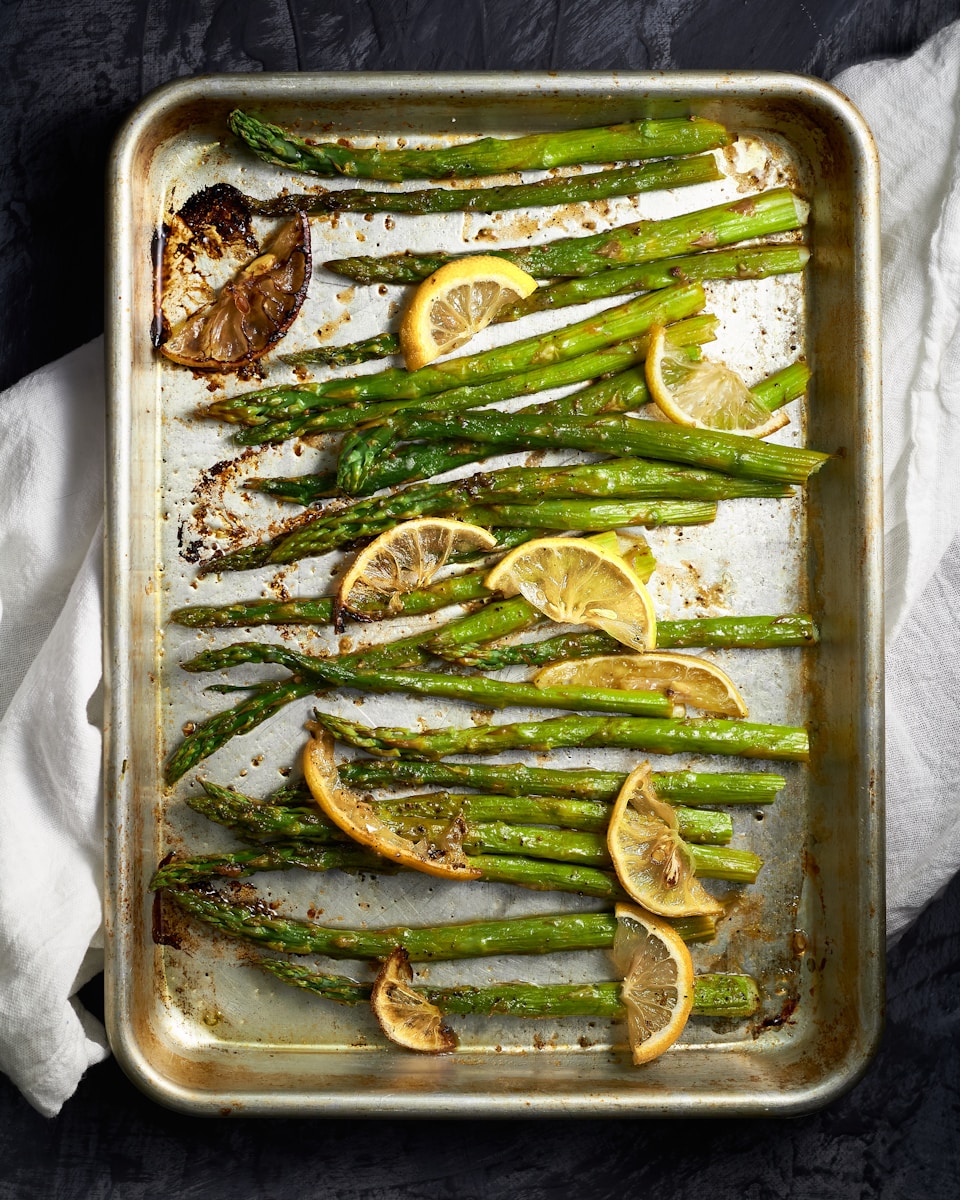
Credit: Christina Rumpf/Unsplash
Quick recipes
The Belgian style is all about letting the asparagus shine, so it’s usually paired with butter, hard-boiled eggs, parsley, and just a touch of cheese if desired. However, if you subscribe to a more Mediterranean style of cooking, try these ideas instead:
- Blanch for 3 min. Drizzle with a mix of grated lemon zest, lemon juice and olive oil. Add a pinch of salt.
- Bake for 15 min with shaved Parmesan or Gruyère on top. Drizzle with olive oil and add a pinch of salt and a sprinkle of pepper.
- Enjoy it raw in salads with steamed broad beans, radishes, walnuts and a delicious vinaigrette.
Kristina Chetcuti is a registered Health Coach (UKIHCA) certified by the Health Coaches Academy in the UK and the European Lifestyle Medicine Organisation in Belgium, who focuses on helping clients take charge of their health.
