
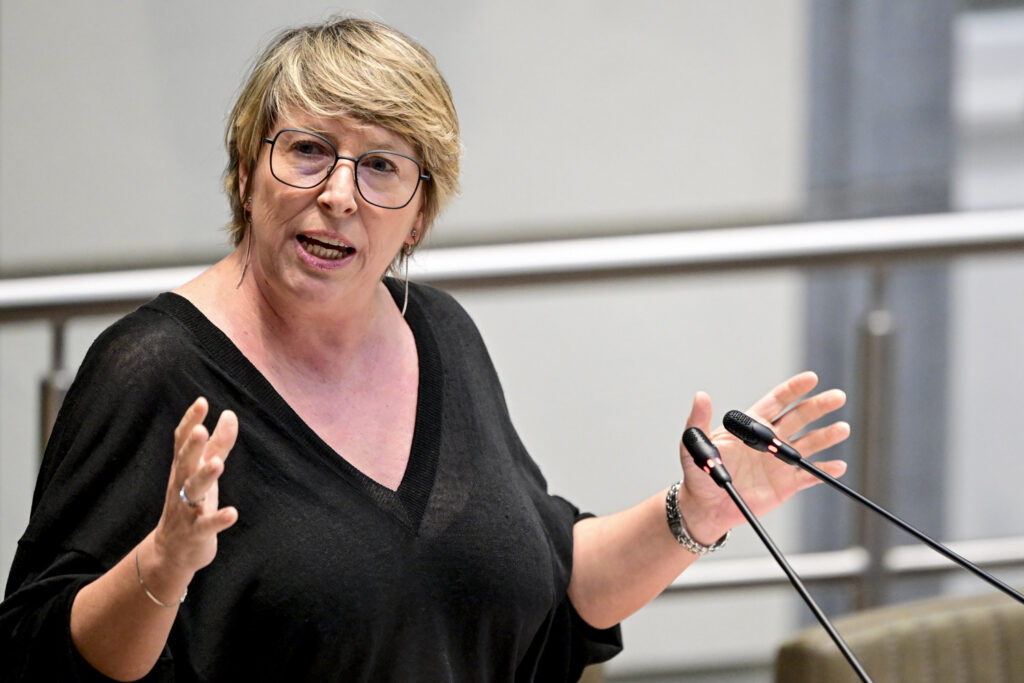
The Flemish Government has reached an agreement on a phase-out scenario for intercountry adoption, Minister of Welfare Caroline Gennez (Vooruit) announced on Monday.
Under the new legislation, only those with a suitability judgment and a match with an adoptive child will be able to complete the procedure. The decision to permanently halt adoptions from abroad is based on a broad consensus within the Flemish Parliament.
This consensus was reached following persistent reports of problematic adoption cases. "It is time to close this chapter," said Gennez. The decision certainly comes as no surprise. The number of international adoptions in Flanders has been declining for years.
In 2009, there were still over 244 international adoptions to Flanders. That number dropped to 29 in 2022. Such a decrease is attributed to many irregularities in adoption files and less suitable adoption channels.
Since 2023, international adoptions in Flanders have been on hold following reports of malpractice in files from Ethiopia. Recently, a new case of a problematic adoption file from Portugal surfaced in Het Nieuwsblad.
Due to the persistent problems, political support grew to turn the adoption pause into a permanent halt. In March of this year, it appeared that a consensus on this also existed within the Flemish majority parties (N-VA, Vooruit, CD&V). Minister Gennez spoke at the time in the Flemish Parliament of "a historic moment."
Now, therefore, there is a real agreement on such a phase-out scenario. "The safety and well-being of the child must always come first. But even with the best intentions and extensive screening procedures, we cannot guarantee this within international adoptions. It is time to close this chapter," said Gennez.
Specifically, a new adoption decree is being introduced to provide a legal framework for all adoption procedures. Under this decree, intercountry adoptions will no longer be possible. Only candidates who already possess a certificate of suitability and a concrete match with a child in a country of origin will be able to complete their procedure.
The new regulations are expected to enter into force in the course of 2027. Until then, the current adoption moratorium will continue. This means that new candidates for intercountry adoption will still not be invited to start preparatory sessions.
Domestic adoption remains possible, although the number of adoptions in 2025 has fallen to 13, the lowest level ever. A unified preparation program for adoptive and foster parents will also be introduced.
