
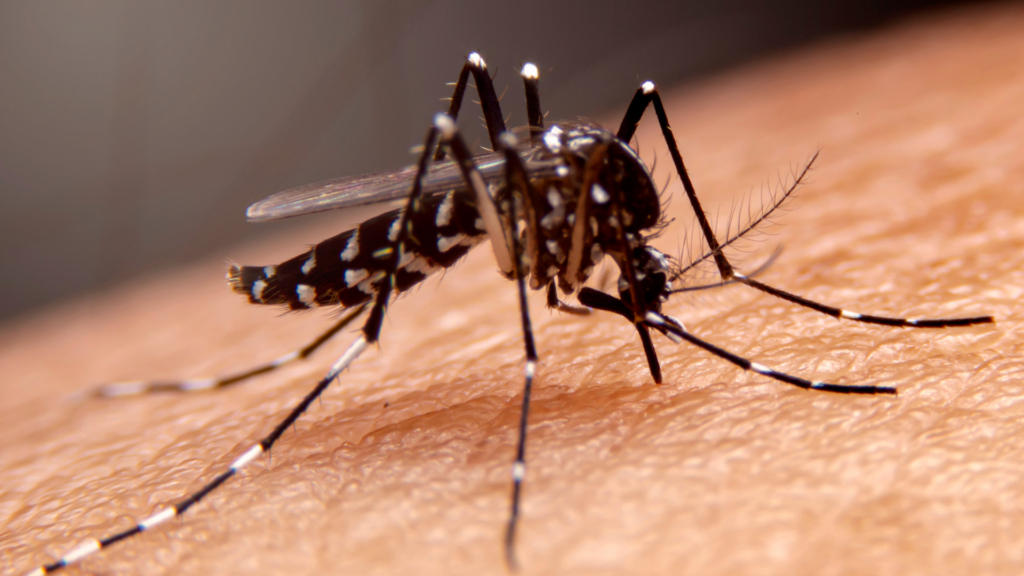
Belgian health authorities are calling on citizens to report sightings of tiger mosquitoes to prevent the risk of local transmissions of diseases.
Tiger mosquitoes originated from Southeast Asia but have been spreading across Europe since 1979, with Belgium first reporting their presence in the country in 2000.
They are considered invasive in Belgium, as they are an exotic species that can be harmful to local biodiversity and can transmit dangerous viruses, such as dengue or Zika.
However, the risk of local transmissions of such viruses is currently low in Belgium, according to the national health institute Sciensano.
Nonetheless, the institute noted that monitoring the presence of the mosquito remains crucial to prevent its spread and impact on public health.
Spotting and reporting tiger mosquitos
Earlier this week, Sciensano and the Institute for Tropical Medicine (ITM) urged the general public to report possible sightings of tiger mosquitos in Belgium via the online citizen mosquito monitoring platform.
When using the platform, citizens are asked questions about the distinctive traits of the insect, including its colour and size.
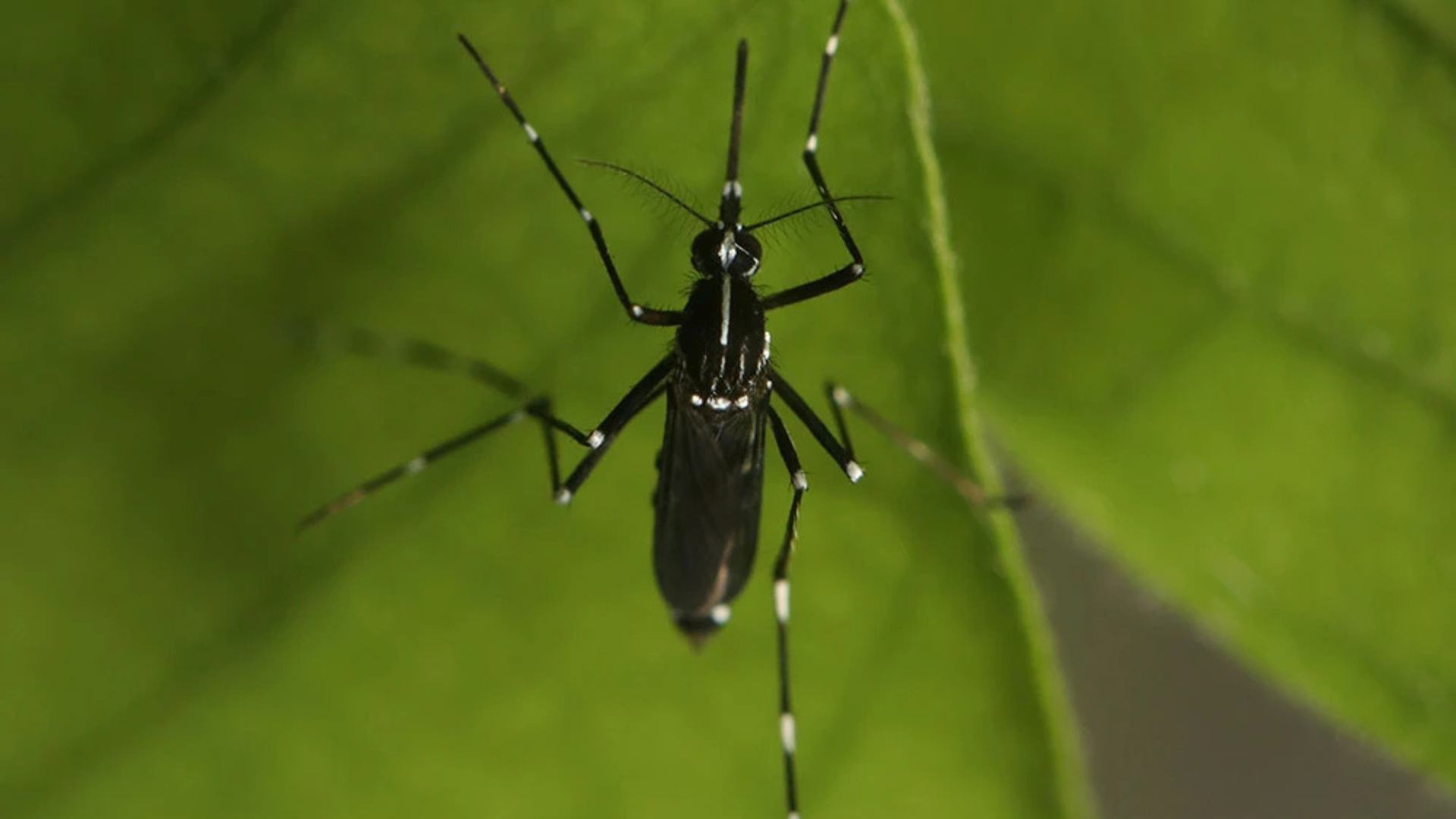
A tiger mosquito. Credit: Institute of Tropical Medicine (ITM) in Antwerp
Tiger mosquitoes are small black mosquitos that are typically four to five millimetres long.
They can be recognised by their silvery-white lines, namely one on the back of its head and five on its legs. They also have an all-white tip on the last section of their back legs.
To report a tiger mosquito sighting via the online platform, citizens are also required to attach a picture of the insect. An overview of the best way to photograph mosquitoes is available on the Sciensano website.
Protection and prevention measures
Urban environments can provide great artificial breeding sites for tiger mosquitoes. They can lay eggs in all sorts of man-made objects that contain still water, such as buckets or flower pots typically found in gardens or patios.
To reduce the number of breeding sites available, Sciensano recommends a number of things people can do. This includes removing (or covering) outdoor objects that can collect water, disposing of stagnant water, and changing the water in animals' drinking bowls at least once a week.
The institute further recommends that the sides of outdoor objects be regularly scrubbed to remove any eggs that may have been laid by tiger mosquitoes.
Additionally, to prevent mosquito bites, it is recommended to use mosquito repellents, opt for longer items of clothing, and light-coloured clothing, as mosquitoes tend to be attracted to darker colours.

Illustrative image of cars on a motorway. Credit: Belga
When travelling to other countries, it's advised to consult official advice before departing regarding vaccinations and protective measures against mosquitoes.
Upon returning to Belgium, people should check their luggage or cars for any tiger mosquitoes that may have been transported from abroad.
It is further recommended to contact a doctor if you develop symptoms like a fever or skin rash after being bitten by a mosquito while in a region with high risk for mosquito-borne diseases.
If you return from a mosquito bite from a region with common mosquito-borne diseases, you should remain alert for symptoms such as fever, muscle pain or skin rashes.
Tiger mosquitoes in Belgium
Tiger mosquitoes were first introduced in Belgium via the import of used tyres, according to Sciensano.
Their introduction to Belgium has since also been linked to the trade of lucky bamboo plants and to cars and trucks travelling into Belgium from neighbouring countries with tiger mosquitoes.
Since the citizen platform began to be actively used in 2022, the tiger mosquito has been observed in 40 municipalities in Belgium.
Last year, citizens reported tiger mosquitoes in ten municipalities across the country, seven of which were located in Flanders, two in the Brussels-Capital Region and one in Wallonia.
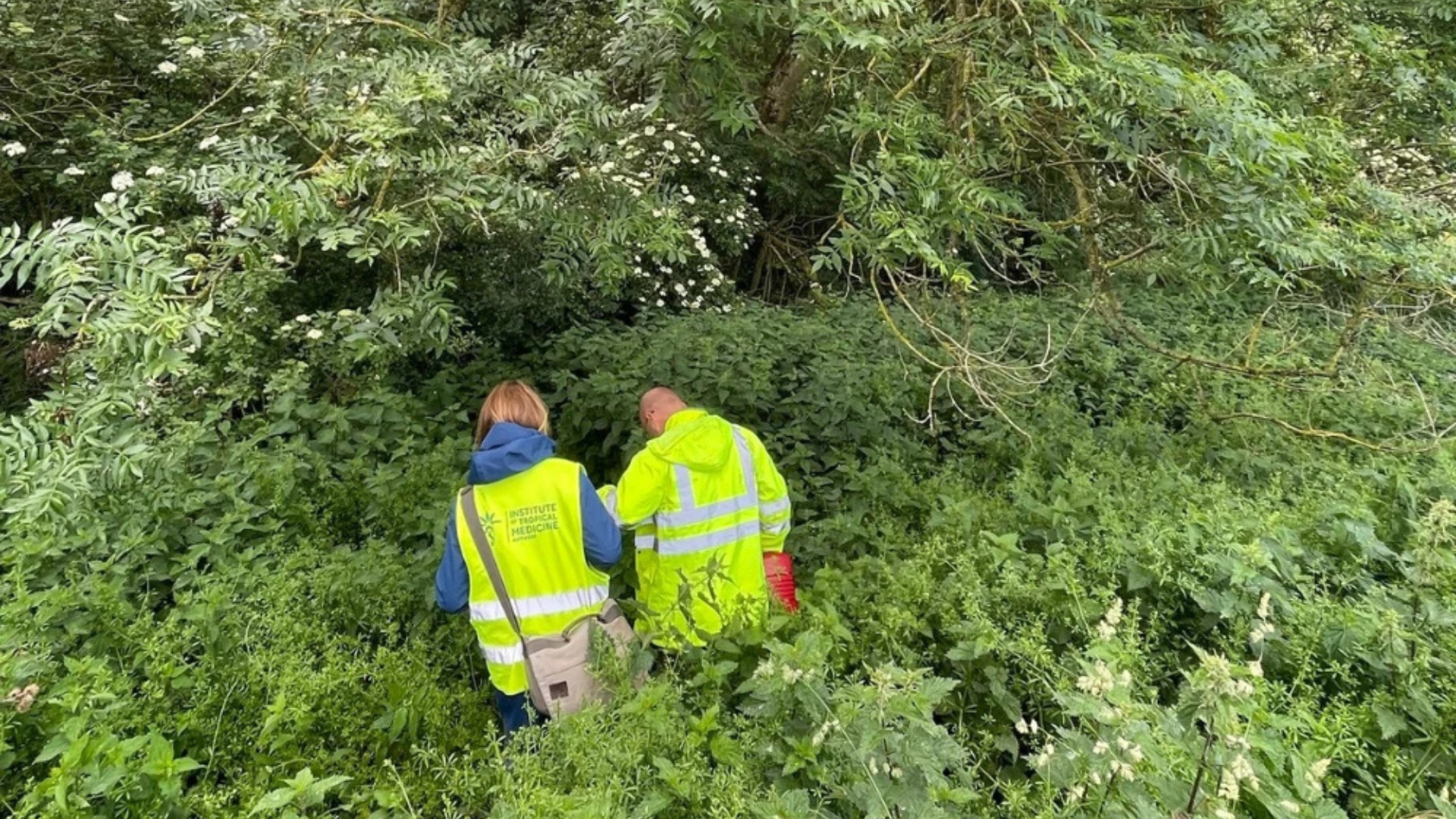
A field inspection by ITM members. Credit: Institute of Tropical Medicine (ITM) in Antwerp
In Brussels, mosquitoes were reported in Etterbeek and Watermael-Boitsfort for the first time last year.
A field inspection in 2025 further found a tiger mosquito in the Brussels municipality of Saint-Josse-ten-Noode.
“Every year, the tiger mosquito is reported in new locations. It is likely that this mosquito is present in more places in Belgium than has been confirmed so far,” said Sciensano researcher Javiera Rebolledo Romero in a statement.
The online citizen monitoring platform was developed as part of MEMO+, a project to monitor exotic mosquitos in Belgium.
MEMO+ is a result of a collaboration between Sciensano and ITM, and is funded via the National Action Plan on Environment and Health.
