
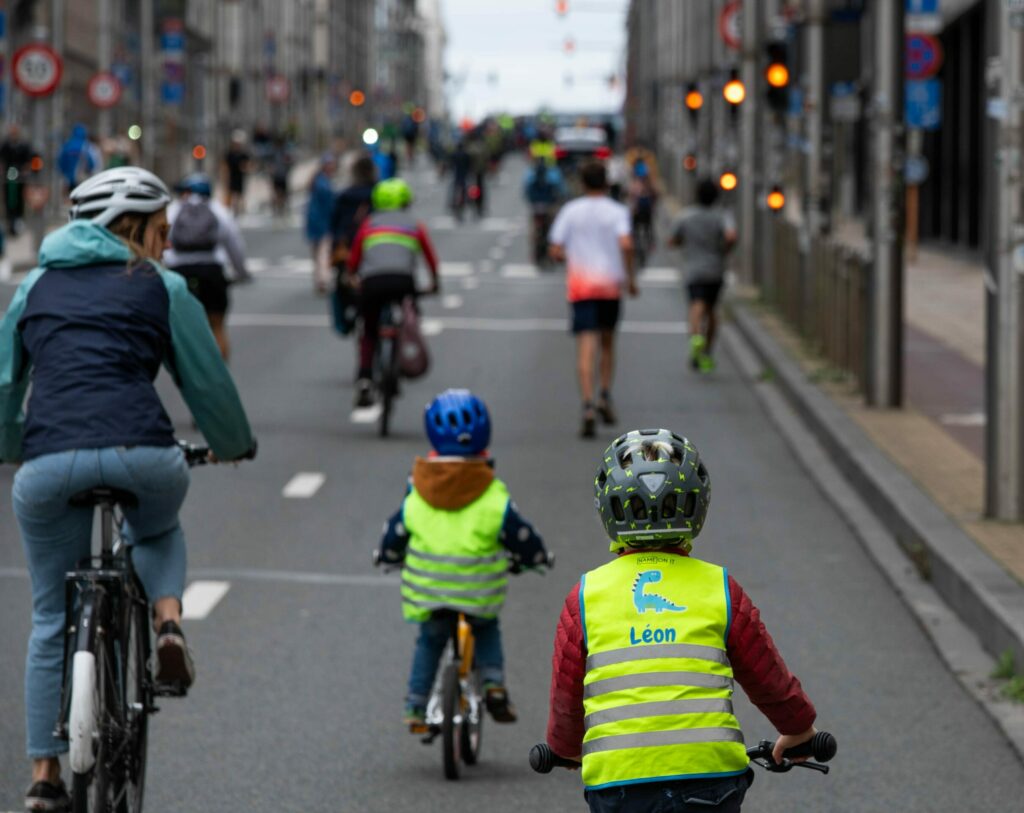
Brussels will get a second Car-Free Sunday, expected to be 9 May – the day of Iris Day, the Brussels Region’s official holiday. However, a row over the proposed date erupted last week.
A second car-free day was agreed by the long-awaited new Brussels-Capital Region Government back in February, on top of the annual day organised in the third week of September.
During Car-Free Sunday, motor vehicles are not allowed across the whole region, which includes all 19 municipalities, from 9:30 to 19:00.
It is viewed by many residents as one of the best days in the city, as people (including many children) can walk or ride their bikes on usually busy, car-heavy roads, with pop-up street markets or brocantes as well as some live music and even DJ sets in the city centre.
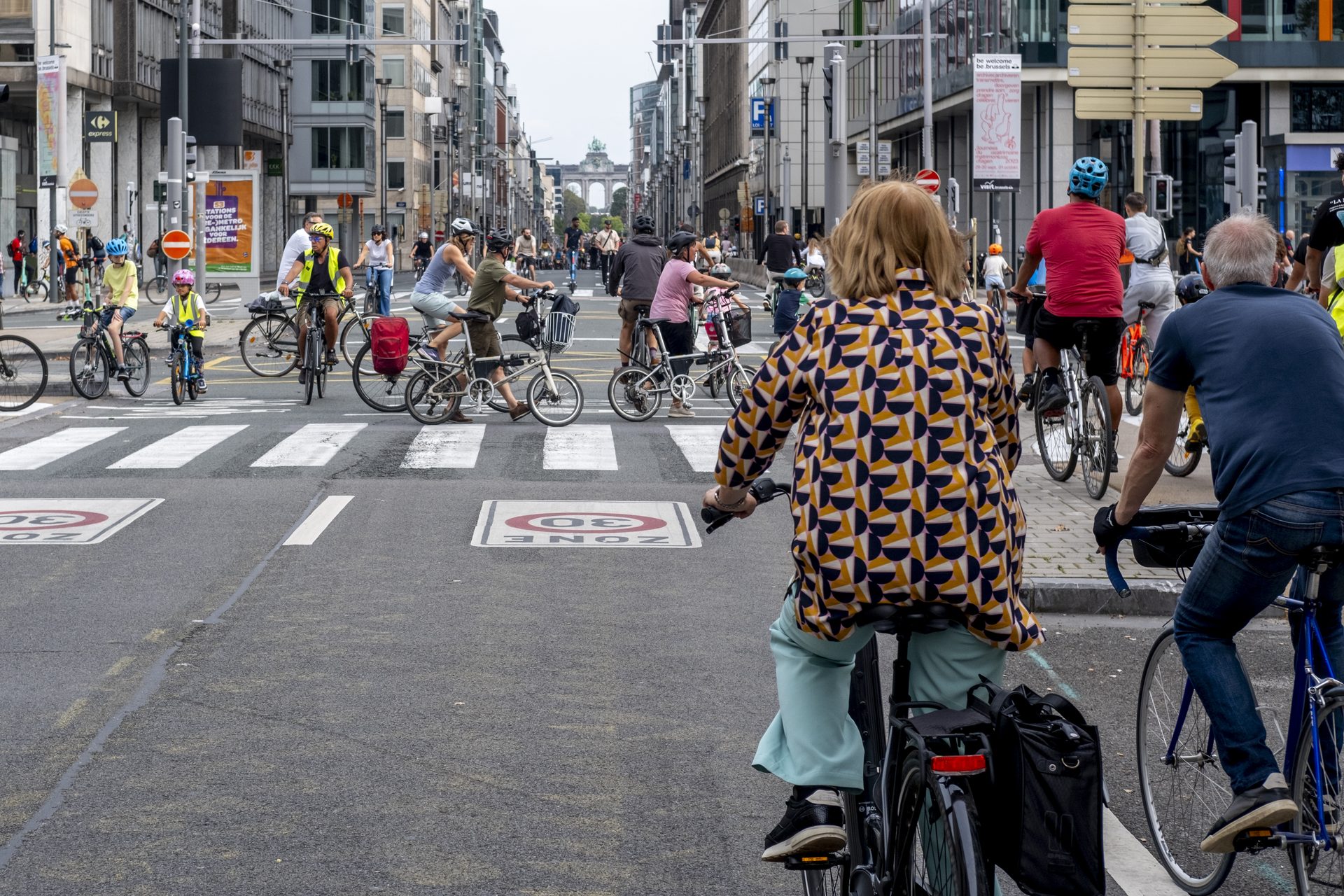
Car-Free Sunday in Brussels on Sunday 17 September 2023. Credit: Belga/ Hatim Kaghat
Proponents have always argued that this day is a political statement about how urban space in cities is used. Parties like the Flemish Greens (Groen) led the charge, having successfully demanded its inclusion in the political agreement of the new regional Brussels Government.
So, while it was originally announced in February with the new Brussels Government, the details have so far been sparse.
Yet last weekend, Brussels Parliament Vice-President, Lotte Stoops (Groen), confirmed in an interview with Bruzz on Iris day that a second Car-Free Sunday will be organised on Sunday 9 May 2027, as stipulated by the Brussels Government agreement.
'Not decided'
However, Brussels Minister-President Boris Dilliès (MR), the former mayor of Uccle who is known for his opposition to Brussels mobility plan Good Move, has poured cold water over the new proposed date.
While Groen repeated that there will be a second car-free Sunday during the Iris day celebration, Dillies told La Libre that the date has "not been decided yet".
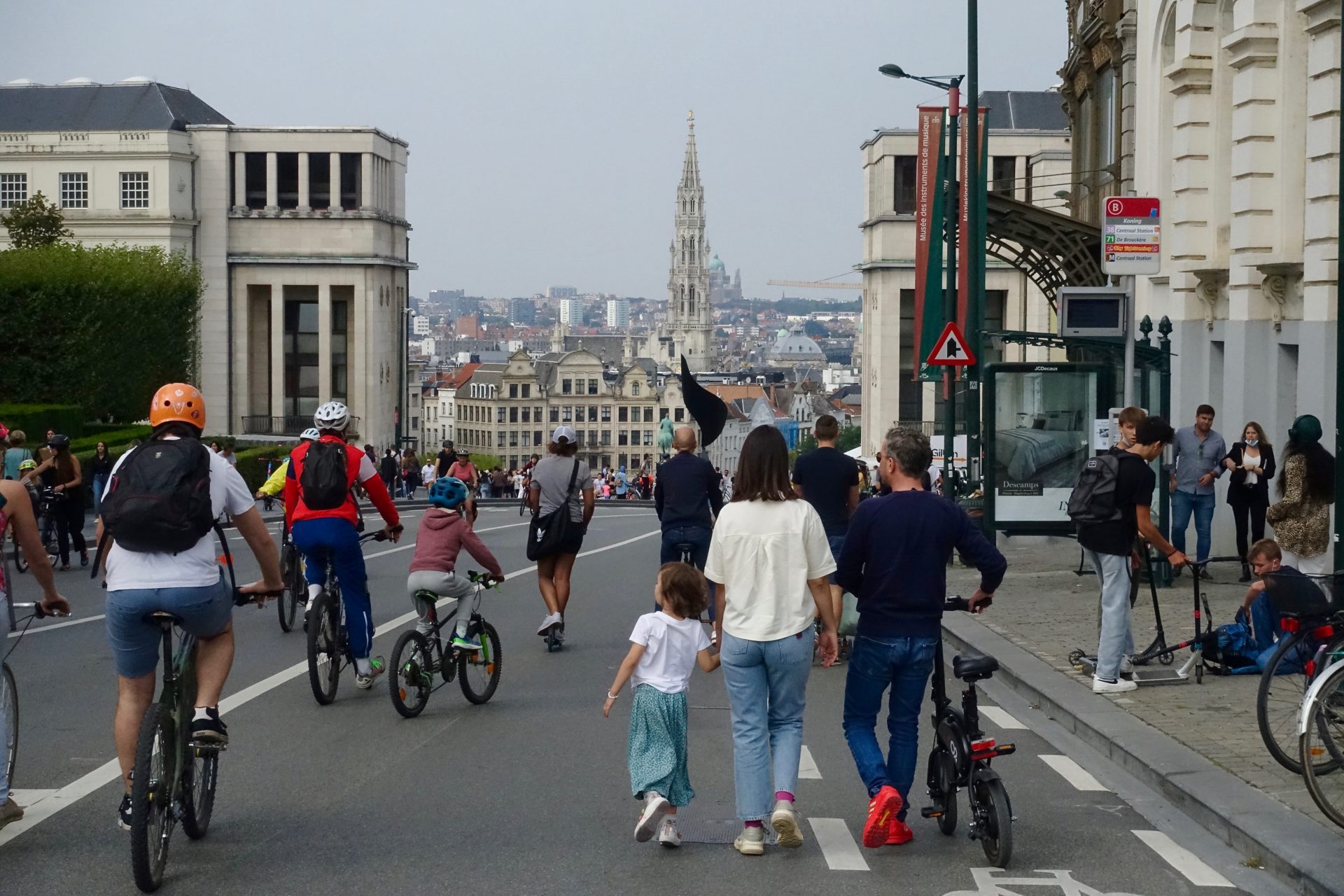
Brussels during Car-Free Sunday. Credit: Orlando Whitehead
Despite the date of Sunday, 9 May 2027, being expressly mentioned in the Brussels Government's long-negotiated political agreement, this date coincides with Mother’s Day and the end of French-speaking school holidays.
"We’re not going to organise it on Mother’s Day," Dilliès told La Libre on Wednesday last week. "We’ll take a calm and sensible look at the calendar to find the best date. The date must be chosen with tact and common sense."
"Doing this on Mother’s Day and the end of the school holidays would be counterproductive. We know that transport is a contentious issue, but it is up to us to show that it is possible to get things done without confrontation," the Brussels Government leader said.
While having previously spoken in favour of Car-Free Sunday, Dilliès believes Brussels should not have a "carbon copy" of a second day. Furthermore, he wants to use the day to raise awareness about mobility issues in the city. It is worth noting that Dilliès was not part of the negotiation for the Brussels Government.
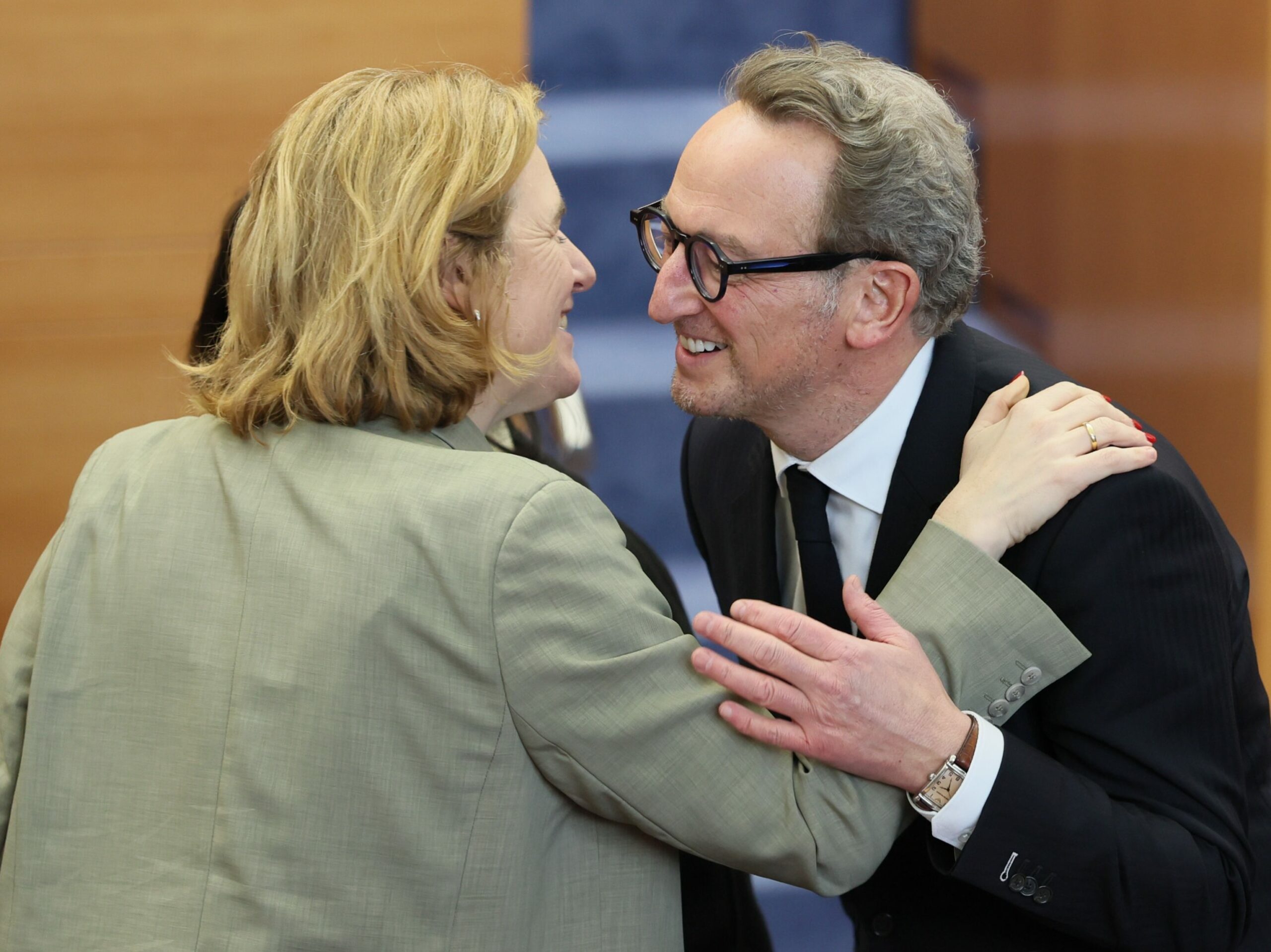
Brussels Region Minister Elke Van den Brandt and Brussels Minister-President Boris Dillies pictured at a plenary session of the Brussels Parliament about the new government's agreement, in Brussels, Monday 23 February 2026. Credit: Belga
Opposition to the proposed date has also come from Brussels' hospitality industry, Horeca, who have also sounded the alarm. The industry federation says it does not reject the idea in principle, but the proposed timetable is already causing unease within the sector.
The topic of mobility and transport has also been disputed in Brussels, with Car-Free Sunday being seen as part of a culture war over limiting traffic in the city for health reasons, to the discontent of motorists.
Some people argue that people wanting to travel to or outside the city, for example, on Mother's Day, will face severe constraints that day if travelling by car, even if alternatives such as the train exist.
Despite this, promoting alternative travel options is one of the key original principles behind Car-Free Sunday: to lower air pollution in the city, which causes nearly 1,000 premature deaths per year in the Brussels-Capital Region alone.
Yet, with no love lost between the French-speaking liberals and the Flemish greens, the balance inside the Brussels Government will be a delicate one.
Criticism is being levied at both the Minister-President Dilliès (MR) and the Mobility Minister Elke van den Brandt (Groen) for not foreseeing the date clash with Mother's Day.
Whenever the day is, Brussels residents can be assured they will get a second Car-Free Sunday as long as the Brussels Government agreement holds – even if it already appears to be on shaky ground.
