
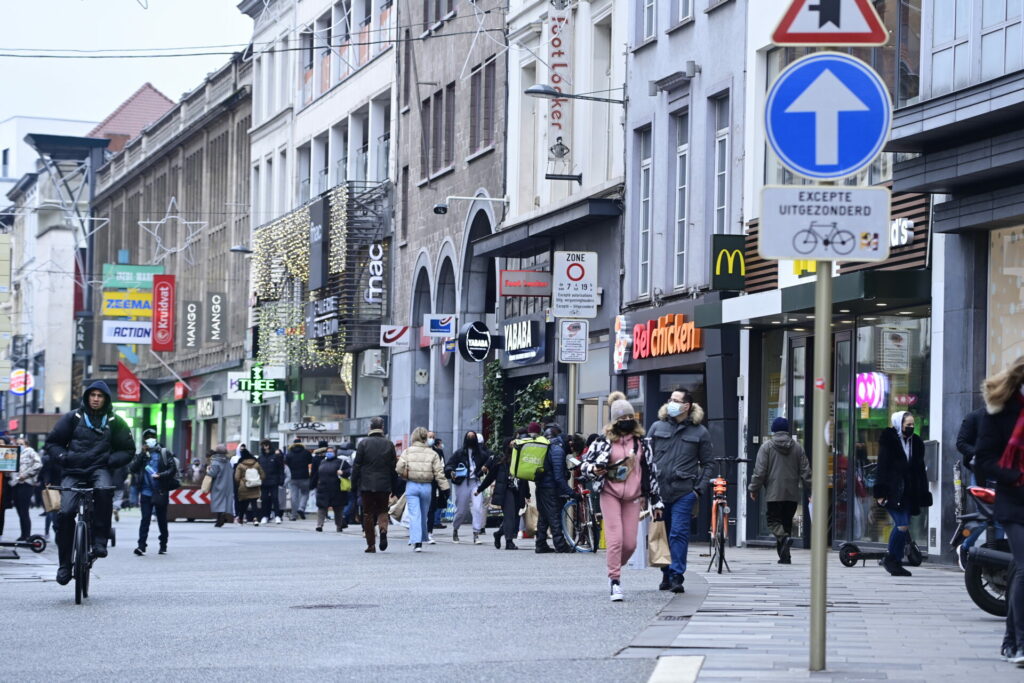
Ixelles is clamping down on high street food establishments that use self-order kiosks by raising tax on those wanting to open in the Brussels municipality, as a way to curb their proliferation.
"I believe there is an impact on the neighbourhood, and therefore we ask these businesses to make an additional contribution to the community," said the Ixelles' municipal Finance Councillor Nathalie Gilson (MR) to The Brussels Times.
The proposed measure, set to be voted on this week, would impose a €10,000 opening tax and a yearly €12,000 tax on fast-food establishments that use automated ordering systems, such as interactive kiosks.
The regulation specifically targets businesses operating as fry shops, rotisseries or grills that allow customers to place orders through automated devices.
According to Gilson, Ixelles did not make subjective judgments about food quality or public health, but deliberately based the measure on "objective criteria".
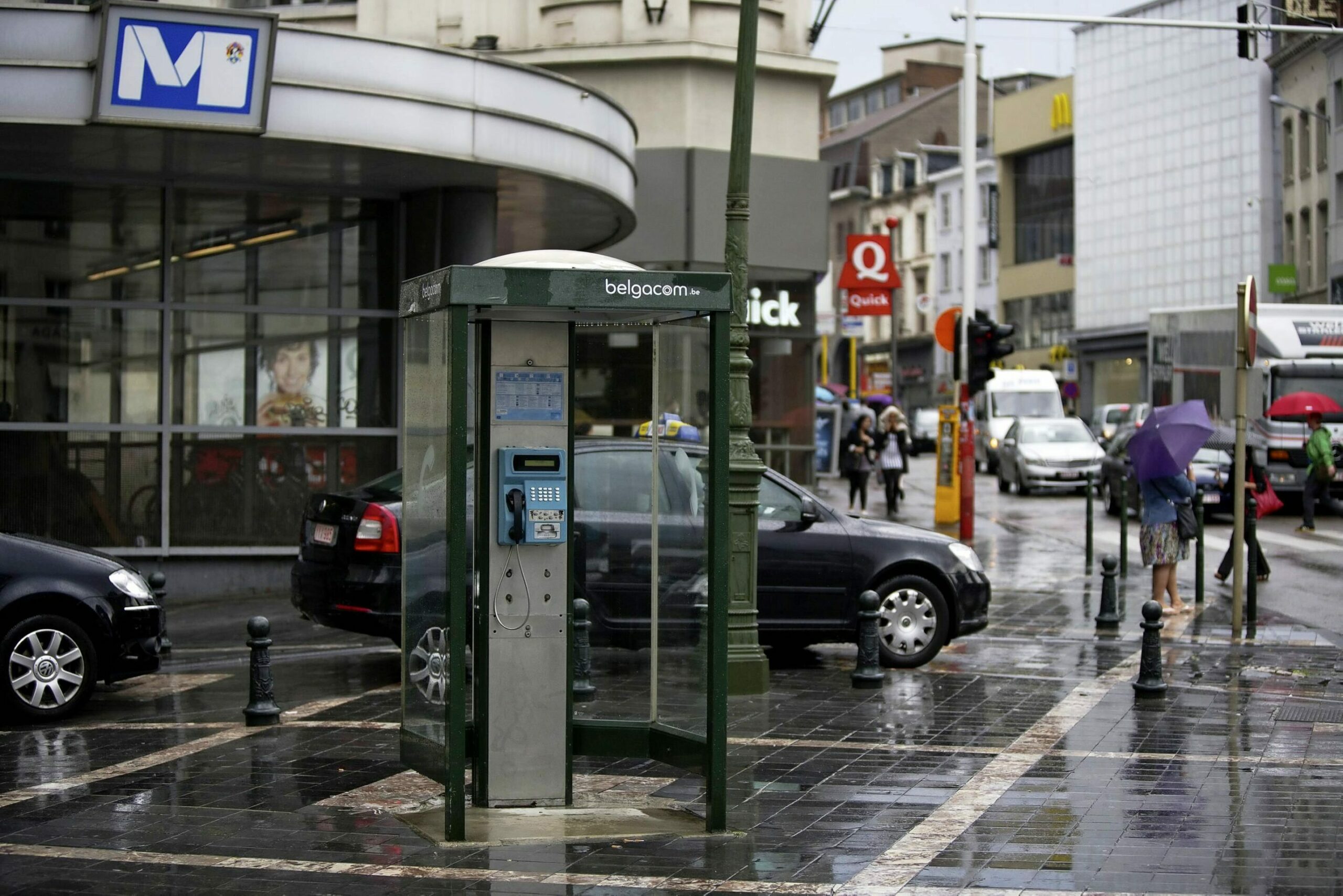
Illustration picture shows a telephone booth of Belgacom at the Chaussee d'Ixelles in Ixelles in Brussels, Thursday 05 August 2010. Credit: Belga
"It is very difficult to start judging public health based on certain foods, because it also depends on how often people eat them and whether they otherwise have a balanced diet," she explained, adding that Ixelles relied on the Brussels Government's 2024 decree requiring urban planning permits for this type of establishment.
Gilson explained the commune combined two elements: businesses requiring a specific urban planning permit due to activities such as frying or grilling, and the use of automated ordering systems.
"We believe there is an impact on the neighbourhood, and therefore we ask these businesses to make an additional contribution to the community," the local politician explained.
Protecting small businesses
Ixelles insists the measure is not aimed at small independent snack bars or traditional friteries. "We protect Small and Medium-sized Enterprises (SMEs)," Gilson said. "A SME generally will not use interactive kiosks."
"We observe in today's reality that these are mainly large international chains using these kiosks," she said.
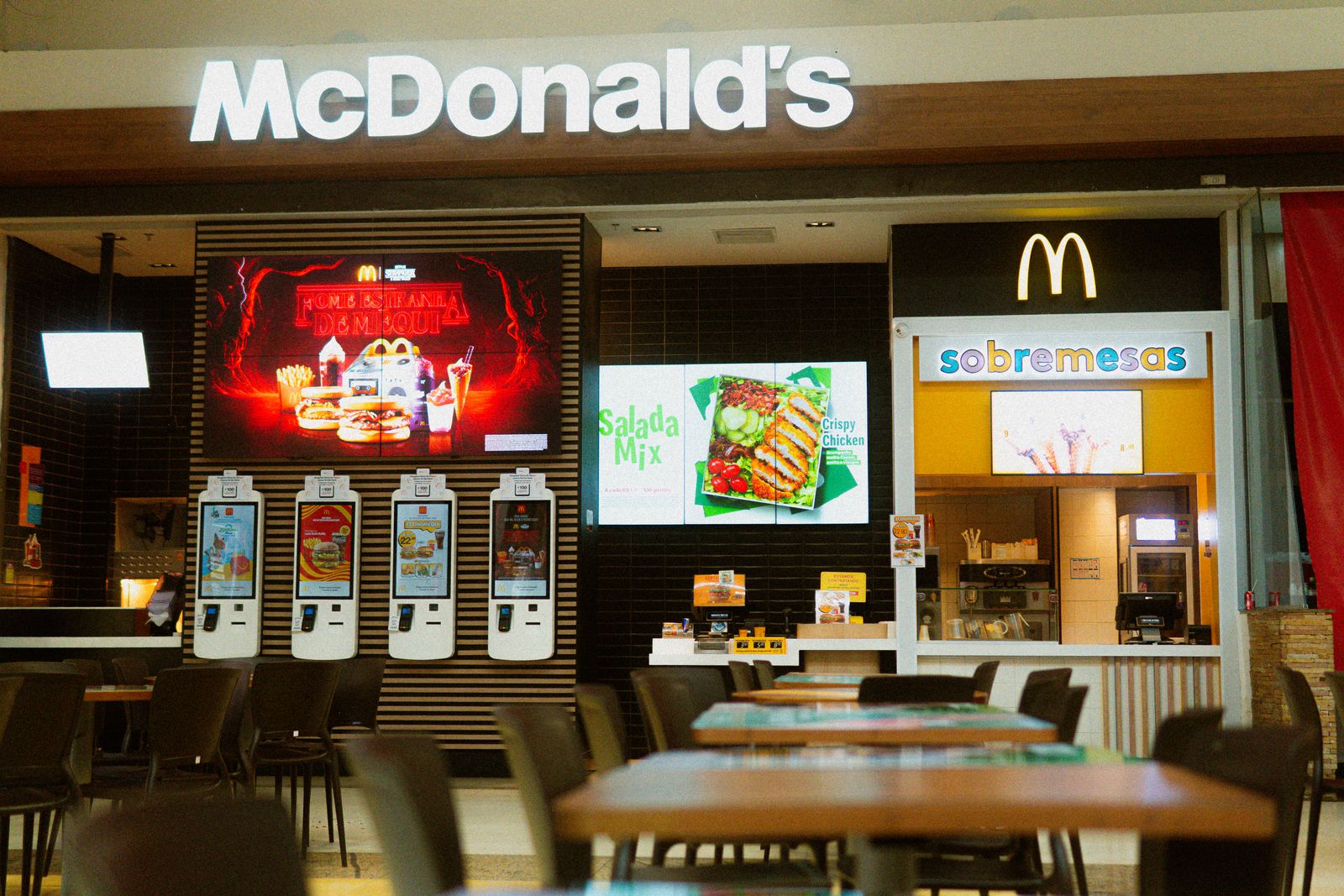
McDonald's fast food restaurant featuring self-service kiosks and digital menus. Credit: Pixabay
Links to waste production, customer flows, and pressure on public space, particularly on Chausée d'Ixelles, are other reasons the tax is being introduced.
Communes such as Anderlecht and Auderghem have already planned to limit the spread of fast-food outlets. However, Ixelles says its approach is the first to directly rely on the region's 2024 urban planning framework.
Gilson is wary that high streets will be flooded by more and more large fast-food chains, making public spaces "standardised."
The commune estimates the tax could generate approximately €113,000 net annually.
