
Industrial sectors such as steel, glass and chemicals have decided not to allow 'flexi-jobs', according to findings reported by De Tijd.
The flexi-job system, introduced in 2015 by the Michel government and continued by the De Croo government, was designed to allow retirees and those working part-time to earn extra income. Over the years, the system has been significantly expanded.
Flexi-jobs will not be permitted in the chemical industry, steel production, glass manufacturing, paper and cardboard production, oil refining, or leather goods manufacturing. In the construction sector, they will only be available to retired construction workers performing tasks on building sites.
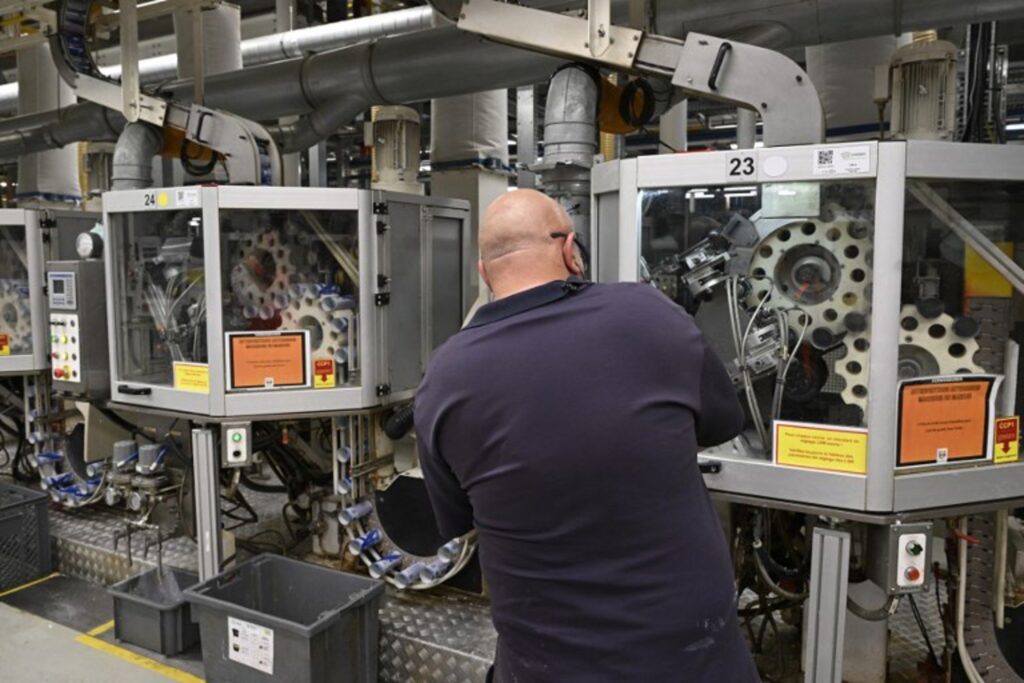
The decision stems from the nature of these industries. "We work with heavy machinery, dangerous materials, and in environments where safety is paramount," said Lahoucine Ourhribel of the ACV-CSC Metea union.
Ourhribel noted that industrial employers have other tools to handle labour demand spikes, including overtime, temporary agency work, fixed-term contracts, and subcontracting.
In the healthcare sector, both unions and employers are generally opposed to flexi-jobs. However, due to severe staff shortages, they are nearing an agreement that would allow retired nurses to assist in hospitals and care homes.
