The European Union’s new anti-disinformation body must have sufficient resources and become fully operational to avoid being merely symbolic, warned MEP Nathalie Loiseau.
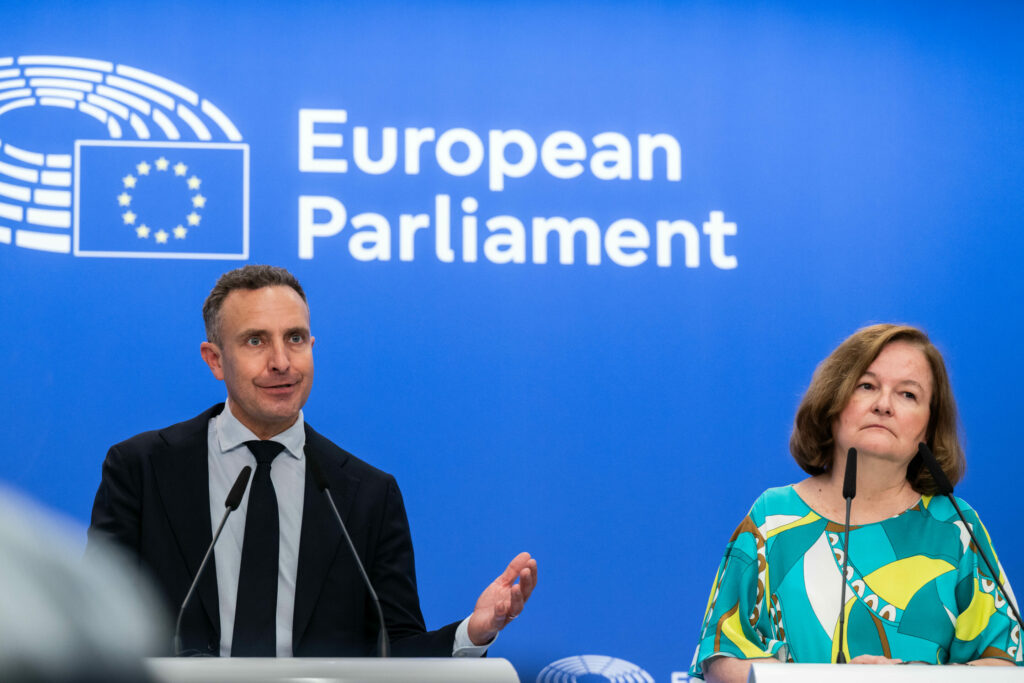
The Chair of the European Parliament’s special 'Democracy Shield' committee made the statement during a press conference at the European Parliament (EP) on Tuesday.
The European Centre for Democratic Resilience, launched in February under the European Commission, is meant to act as a platform combining EU and Member State resources and expertise to anticipate, detect, and counter threats to democracy.
The EP committee is advocating for the centre to be established through binding legislation, with operational frameworks, a dedicated budget, and governance involving all member states.
Currently, there is concern the centre could remain just a "symbolic front" created by the European Commission’s communication efforts, said Loiseau. She plans to visit the centre to ensure it has substance and adequately meets expectations.
Swedish rapporteur Tomas Tobé highlighted the reliance on individual member states to combat disinformation and expressed fears that some may not collaborate sufficiently with the centre.
Existing EU tools, such as the rapid alert system and Commission task forces, are dispersed, and the centre should streamline these resources to deliver a more coordinated response.
MEPs identified Russia as the primary threat to the EU’s democratic integrity, alongside Belarus, China, Iran, and North Korea.
Tobé argued that Russia poses "a unique threat" due to its scale, persistence, resources, and operational intensity. Loiseau also questioned the United States’ approach toward European democracies.
The report was adopted by a pro-European majority, including the EPP, S&D, Renew, and Greens/EFA, with 22 votes for, 9 against, and 2 abstentions.
The far-right opposed the text. Loiseau criticised those voting against, stating: "A significant minority refuses to defend our democracies."
Tobé added that Europe is caught between two pressures: powerful digital platforms, mainly based in the US and China, which refuse to take sufficient responsibility, and hostile states exploiting this weakness for interference.
While the EU has introduced digital legal tools like the Digital Services Act (DSA), their implementation remains incomplete, he noted.
