
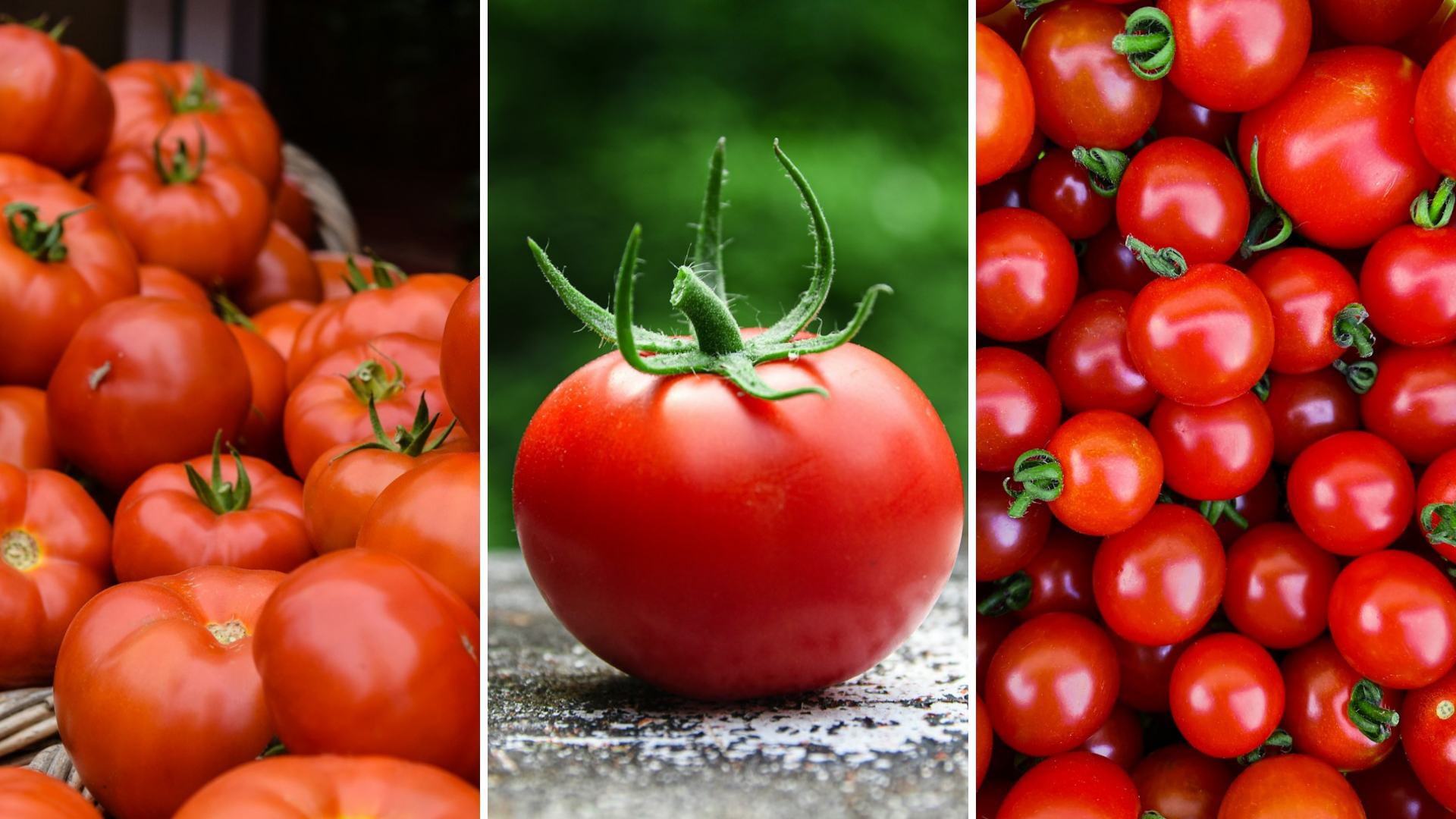
What if there were a fruit that could help protect your heart, lower your risk of stroke or prostate cancer, protect your skin from the sun, and even give male fertility a helping hand? It sounds almost too good to be true – but true it is, and it's probably sitting in your kitchen already. Welcome to July's seasonal star, which is none other than the good old tomato.
Just like a high-flying Brussels eurocrat, the tomato has an impressive résumé. Research suggests that eating tomatoes regularly is linked to healthier blood pressure and cholesterol levels, and in turn a lower long-term risk of cardiovascular disease and stroke. Much of this is thought to come down to its red colour: the result of a natural plant pigment, lycopene, which helps the body deal with oxidative stress – the wear-and-tear process linked to ageing and disease.
From there, the picture broadens. This red pigment has been associated with a reduced risk of prostate and gastric cancer, and there is also early research hinting at possible benefits for aspects of male fertility.
Then comes the more topical news, especially as heatwaves roll in and out: lycopene-rich diets may help the skin better withstand UV exposure and protect against sun-related ageing over time. Even better: all we have to do is eat them, no need to slather ourselves with tomatoes.
Alongside all of this, tomatoes also bring a straightforward nutritional bounty. They contain vitamin C, potassium, vitamin A and folate, a generous dose of fibre. Add to that their high-water content – around 95 % – and they do their bit for hydration in the warm July weather.
Really, how on earth did we ever take the tomato so for granted? It deserves, frankly, a standing ovation. Or better still, something more permanent, I’m thinking a tomato statue in that rather barren Schuman Square roundabout, finally giving it a noble purpose.
The origin story
But if we’re going to give it tribute, we should probably start at the beginning. Just like Paddington, the tomato hails from the deepest, darkest Peru. It sprouted some 80,000 years ago, when we were still running around in loincloths and working stone tools. Back then, tomatoes were the size of tiny cherries, but eventually, they spread north and were adopted by the Aztecs in Mexico who patiently cultivated them into bigger and chunkier versions, baptising them as tomatl.
Thousands of years later, sometime in the 1500s, they made their way to Europe in the treasure ships of Spanish conquistadors. In Spain they were grown in monastery gardens and botanical collections, but rich Spaniards were suspicious of them, not least because some people fell ill after eating them – caused by eating them from pewter crockery: the acidity in tomatoes leached led from the pewter plates resulting in lead poisoning.
The popularity of the tomato took a turn when it reached Naples and Sicily, then both under Spanish rule. There, a physician named Pietro Andrea Mattioli described it as pomo d’oro (‘golden apple’), maybe because he was colour blind, or maybe because early tomatoes were more yellowish than today’s varieties. Soon, Neapolitan cooks discovered that tomatoes paired beautifully with olive oil, garlic and herbs, and the southern cities of Italy embraced them with tanto amore. So were born tomato sauces for pasta, along with Neapolitan pizza, which would go on to carry the tomato far beyond Italy’s shores.
A fruit or a vegetable?
I keep referring to tomatoes as fruit because they grow from the flower of the plant and contain seeds, just like apples do. But although botanically tomatoes are fruit, legally, they are vegetables. Without going on a nerd safari, I’ll just say that in 1893, the US Supreme Court ruled (in Nix v. Hedden) that tomatoes should be treated as vegetables for import duty purposes.
At this point, you might be thinking: what has Belgium got to do with tomatoes? We certainly don’t have Spain’s or Italy’s sun, a key ingredient in the outdoor cultivation of tomatoes. But Belgium has a secret up its sleeve: greenhouses. When greenhouse horticulture expanded successfully in Flanders in the 1980s, Belgium became one of Europe’s leading producers of tomatoes.
And there’s no doubt about it: July is the best time to enjoy locally-grown Belgian tomatoes, because they don’t have to travel long distances and are often harvested closer to peak ripeness. This means that a Belgian tomato in July is fresher than an imported Italian one, despite the latter’s heritage.
That freshness is no accident. This is the month when you can buy tomatoes on the vine – still attached to part of the stem – for exquisite taste and a perfect balance of sweetness and acidity. Although the vine itself is not edible, many chefs recommend leaving tomatoes attached until you are ready to use them because the stem continues to release a fresh, leafy aroma, straight out of summer.
Enjoying tomatoes in July
How to enjoy tomatoes this month? Oh, there are loads of ways: you can slice them next to mozzarella and add some basil; or pair them with watermelon and anchovies; mix them with cucumber and feta; or blend them in a refreshing gazpacho soup.
But I am just going to let you in on you my homeland’s best kept-secret recipe: Hobz biz-zejt u t-tadam (bread with olive oil and tomatoes). Here are the instructions:
- Split a baguette tradition lengthways
- Unpluck a Belgian tomato from its vine and cut it in half
- Rub each half on the pillowy crumb until it turns red
- Pour extra virgin olive oil onto a plate, and dab the baguette (cut side) into the oil
- Chop the remaining tomato skin, and top it on the bread
- Add salt, pepper, mint leaves and some capers
That’s the best of July in a bite.
