
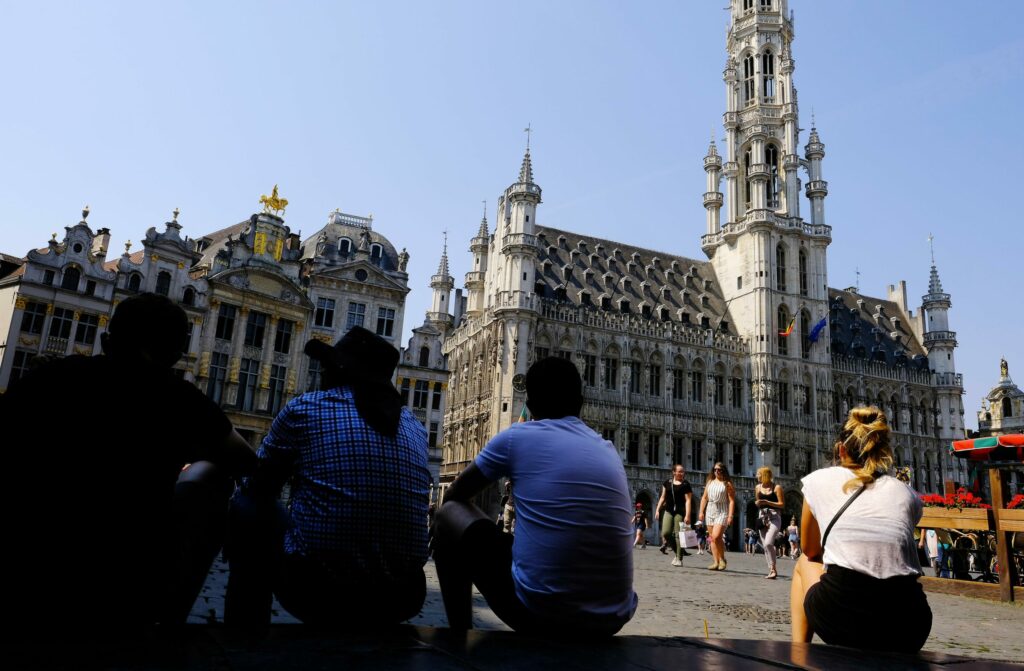
The June heatwave provoked a 47.8% increase in average deaths in Belgium, with 1,747 more deaths than usual for this time of year.
Belgium's public health institute, Sciensano, released new figures on Wednesday revealing the number of excess deaths in Belgium during the last heatwave, which lasted from 18 June to 1 July 2026.
According to its findings, the excess mortality rate was higher than previously reported. Preliminary data from the Risk Management Group (RMG) indicated a 39% increase in mortality, amounting to 1,222 additional deaths. However, this period only covered up to Monday, 29 June.
Now, the new data includes excess deaths until 1 July, when temperatures finally came down, rather than the official end of the heatwave on 29 June.
The deadliest day was 27 June, with 641 deaths – representing an excess mortality rate of 146.5%. On the following day, 28 June, the mortality rate remained exceptionally high with 632 deaths recorded (an excess mortality rate of +143.1%).
The average expected number of deaths in Belgium at the end of June is usually around 260 per day, according to Sciensano.
"This is the highest excess mortality recorded during a heatwave over the entire period analysed (since 2000), both in absolute terms (1,747 additional deaths) and in relative terms (+47.8 per cent)," notes Sciensano.
"Whilst a certain degree of excess mortality is to be expected during heatwaves (or cold spells), the one in June 2026 stands out for its exceptional scale," it added.
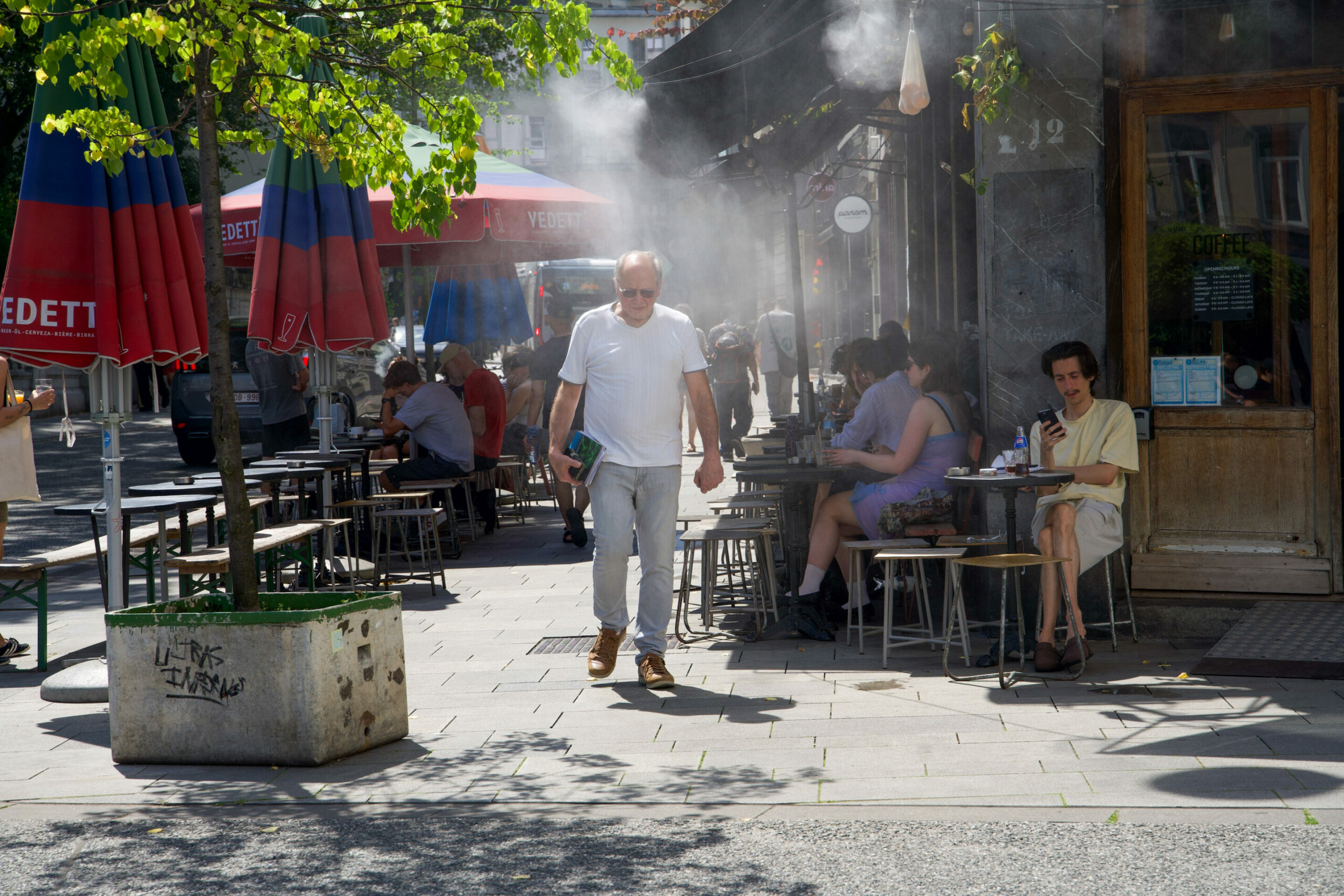
A man cools off in Brussels amid the heatwave. Credit: Vicente Torre Hovelson / The Brussels Times
During the last major heatwave, in August 2020, excess mortality stood at 37.5% (557 additional deaths).
It is the combination of three factors that explains the exceptional nature of this heatwave: its duration, the intensity of the temperatures and ozone concentrations. "For each of these factors, this episode reached particularly high levels," said the public health institute.
Regional differences
In Wallonia, mortality levels were significantly higher than in the other regions. Over the course of the heatwave as a whole, the region recorded an excess mortality rate of 76% (919 additional deaths).
Brussels recorded an excess mortality rate of 60.9% (159 additional deaths). In Flanders, the excess mortality rate was 31.4% (682 additional deaths).
These regional differences became a point of contention in the Flemish Parliament on Wednesday, after the Minister-President Matthias Diependaele (N-VA) brushed off accusations that his regional government’s heatwave response was insufficient by citing the Sciensano study showing excess mortality as having been higher in Wallonia and Brussels than in Flanders.
A criticism which, according to Flemish green MP Jeremie Vaneeckhout (Groen), does not hold water: "Any scientist will tell you that it is absurd to compare the urban context of Brussels with the whole of Flanders. In this case, it would be better to compare Brussels with Antwerp."
This weekend's forecast
Meanwhile, another official heatwave is on the cards with high temperatures having made their return this week across Belgium, even if this one is not expected to be as intense as the last one.
On Thursday, Royal Meteorological Institute (IRM) issued a yellow alert for the whole country until at least Sunday evening, with temperatures expected to exceed 32°C as early as this weekend.
The IRM has forecasted a sunny rest of the week with hot conditions, with temperatures now not expected to breach the 30-degree threshold until Saturday. Previously, Thursday was expected to go over 30°C in Brussels and the centre of the country; however, the IRM now predicts a maximum temperature of 29°C.
The heat is expected to peak over the weekend and early next week. This hot spell may last until Thursday or Friday next week, according to current forecasts.
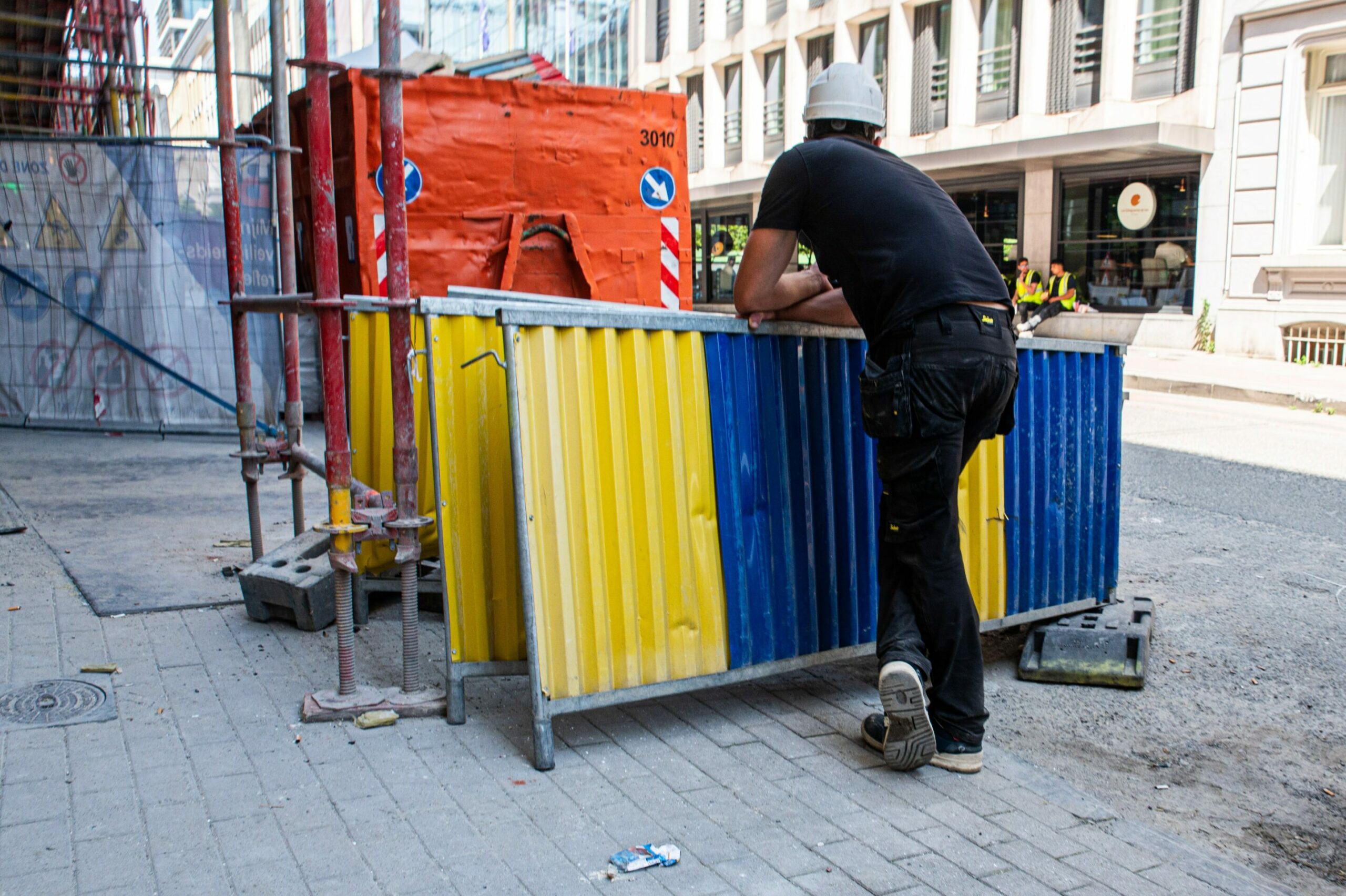
A worker resting in the shadow as he must work in the heavy sun in Brussels, Wednesday 24 June 2026. Like many European countries, Belgium is experiencing an unusually hot spell for this time of year. Credit: Belga / Emile Windal
On Wednesday, the Brussels regional authorities urged residents to exercise extra vigilance ahead of the new spell of extreme heat, reassuring them that all emergency provisions are in place.
The Brussels Government confirmed it was undertaking daily monitoring of the situation, was in contact with field organisations, and had sent letters to municipalities, public welfare centres, care institutions and other operators to ensure their systems remain fully operational throughout the summer.
The population groups most exposed to the effects of extreme heat are: older people, those living alone, in precarious situations, the homeless, people with chronic illnesses and residents of care institutions. The authorities are calling for extra vigilance for these groups.
As ever, the public is urged to follow basic prevention advice: including drinking water regularly (even without feeling thirsty), avoiding physical exertion during the hottest hours, seeking out cooler places, keeping homes cool and checking in regularly on relatives, neighbours or anyone isolated.
From this Friday in particular, the hot weather conditions are also "very favourable for fires" in Wallonia – according to experts at the Centre for Coordination of Risks and Transmission of Expertise (Cortex) on Wednesday.
Access to cool spaces
With another official heatwave expected to be declared this weekend, ten short-term recommendations and nine longer-term measures for future heatwaves were proposed on Wednesday by Belgium's various health ministers.
Following Sciensano's report, the Interministerial Conference (CIM) on Health, the body which brings together the various health ministers in Belgium, met on Wednesday and issued advice from experts, Belga News Agency reports.
These include adapting the capacity of emergency call centres (112) to foreseeable peaks in call volumes; the need for better protection of vulnerable people; and guaranteeing access to cool spaces inside cities, such as Brussels museums.
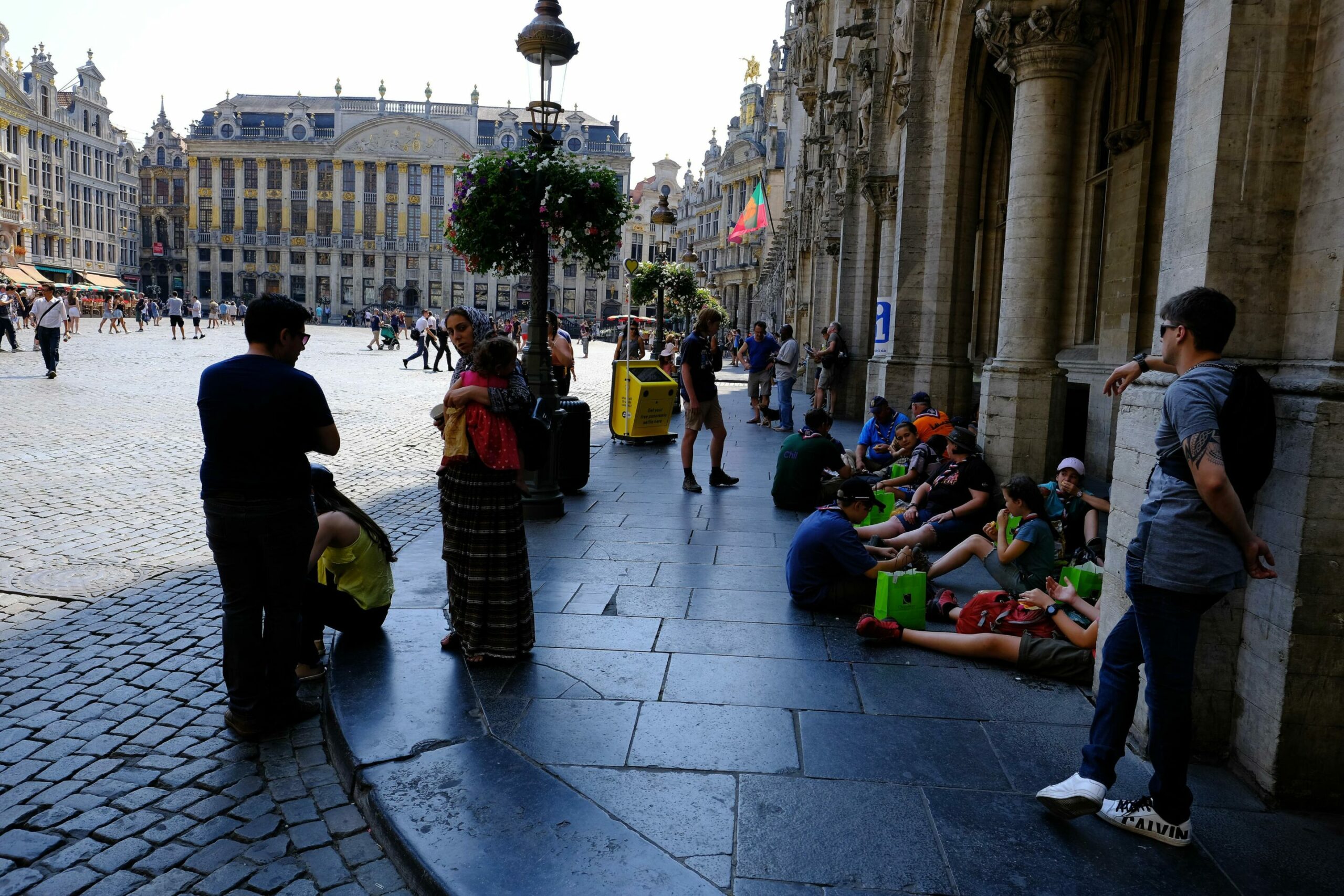
The illustration picture shows tourists seeking shade at the Grande Place. Credit: Belga / Nicolas Materlinck
Ministers also found a need for a more rigorous risk assessment for events during heatwaves, including smaller-scale events, with particular attention to protection against heat and the available emergency response capacity.
In its assessment, the RMG also made other short-term recommendations: making access to free drinking water compulsory at public events; strengthening measures to protect workers exposed to heat, for example by adjusting working hours; and ensuring that local authorities or other relevant bodies, such as health insurance funds, make direct contact with vulnerable people.
In the long term, the RMG recommends, in particular, that schools, early-years settings (including crèches) and childcare centres prepare for future heatwaves by drawing up a specific heatwave plan.
This plan should, in particular, provide for the adaptation of physical activities, permanent access to drinking water, the identification of cooled premises and, where necessary, organisational adjustments.
It also calls for the "climate adaptation of living spaces", a harmonised European approach to dealing with heatwaves, and the organisation of simulation exercises for extreme heatwaves.
