
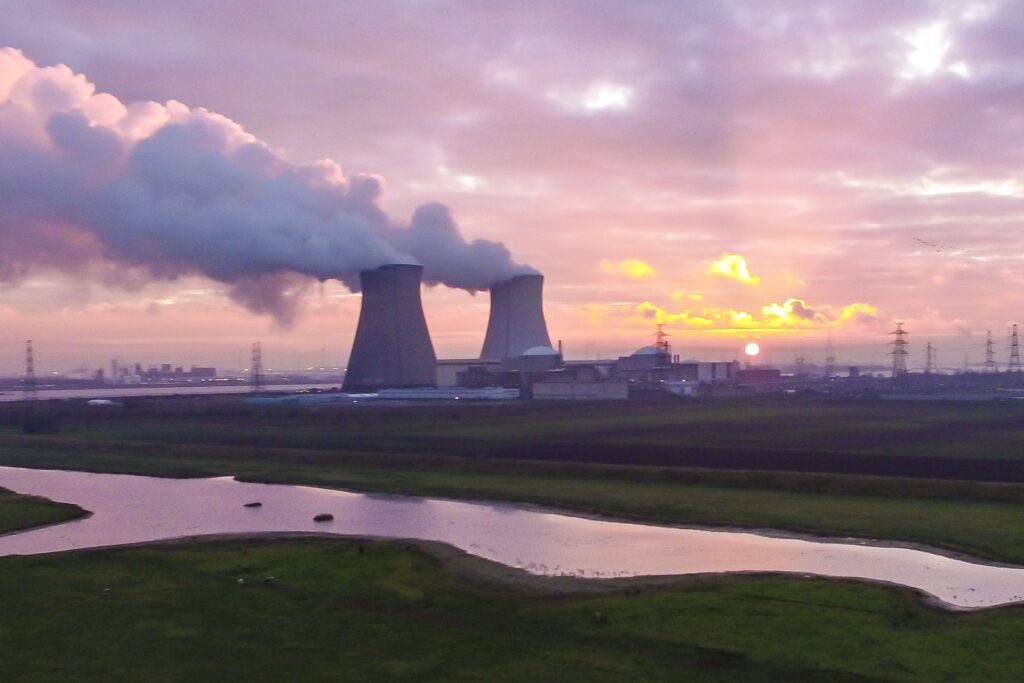
Nearly a quarter of a century after deciding to phase out nuclear power, Belgium's recent U-turn took another step after it announced almost €11 million in funding for nuclear research on Monday.
It comes after the current Federal Government scrapped Belgium's nuclear exit law in May 2025 – a turning point in the country's energy history and a return to nuclear power.
The exit law was passed by Belgium in 2003, with the aim of phasing out nuclear power gradually. It set a clear deadline: 2025.
The decision, rooted in a coalition deal between Francophone liberals MR and greens Ecolo, was considered progressive at the time, part of a European shift towards renewables and away from what was viewed as risky, outdated atomic energy.
In a previous interview with The Brussels Times, Belgium's Energy Minister Mathieu Bihet (MR) spoke of a recent "moral reckoning" on nuclear, arguing that the phase-out decision had been rooted in environmentalist narratives from the time.
"Nuclear was dangerous, unmanageable, and we thought renewables would cover all the energy we needed," he explained, adding that the reactors' closure was ideological, but "the decision to reopen them is pragmatic."
Nearly a quarter of a century later, hopes from 2003 have collided with successive energy crises and slow progress on renewables, which only account for 14.7% of Belgium's gross final energy consumption in 2023.
This added to soaring electricity demand, continued fossil fuel dependency, as well as a disputed belief – shared by the minister – that renewables cannot cover all energy needs.
New innovative projects
On Monday, the Federal Government announced it had written out a cheque for almost €11 million to fund eight innovative nuclear power projects proposed by Belgian universities, research centres and other companies.
Approved by the Council of Ministers on Bihet's proposal, the funding comes through the final call of the Energy Transition Fund (FTE).
Of the 41 proposals submitted, the eight projects were selected based on their scientific quality and their contribution to innovation, decarbonisation and security of supply.
Energy expert Damien Ernst explained to The Brussels Times that the funding is part of "a turning point that has already happened".
"This confirms the direction Belgium has chosen. It is continuity, but intelligent continuity," Ernst said.
Rather than focusing solely on today's nuclear fleet, the funding, says Ernst, seeks to preserve and expand the country's scientific expertise at a time when several EU countries are once again investing in atomic energy.
"Reviving the nuclear sector is not only about building reactors," Ernst said. "You also need researchers, engineers and highly qualified specialists. These projects help maintain Belgium's intellectual capital and its innovation ecosystem."
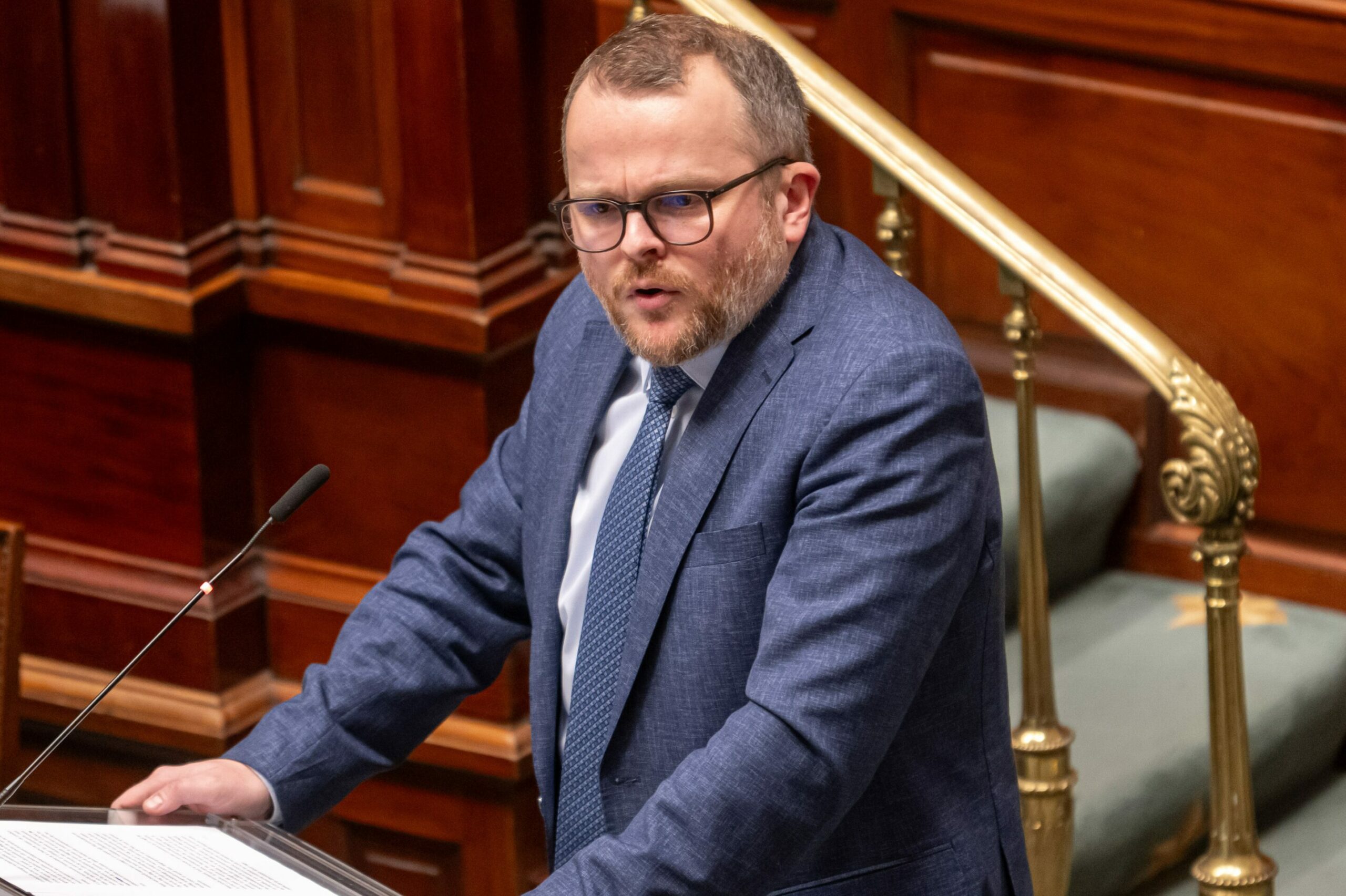
Minister of Energy Mathieu Bihet (MR) is pictured during a plenary session of the Chamber at the Federal Parliament in Brussels, Thursday, 15 January 2026. Belga / Jonas Roosens
New technologies
Several of the selected projects focus on Small Modular Reactors, compact reactors that have become among the nuclear sector's most closely watched technologies.
Ernst explained that SMRs are quicker to build, more flexible than conventional reactors, and, in some cases, can use existing nuclear waste as fuel.
Fusion research also features among the selected projects. Although commercial fusion power remains years away, major international programmes, including those in China and at the ITER project in southern France, continue to accelerate research into the technology, Ernst explained.
The €10.79 million investment is modest compared with the cost of developing new nuclear infrastructure, but Ernst argues that its importance lies elsewhere.
"This funding will not build a nuclear power station," he said. "It builds the people who could one day make those projects possible."
"€11 million is a good first step, but what really matters is making this investment recurrent," Ernst said. "Research requires continuity if you want to train future generations of scientists and engineers."
The announcement also marks the conclusion of the Energy Transition Fund, which has financed nearly €200 million worth of Belgian energy research over the past decade.
According to Bihet's cabinet, those investments have supported 140 projects and helped create closer links between academia and industry.
