
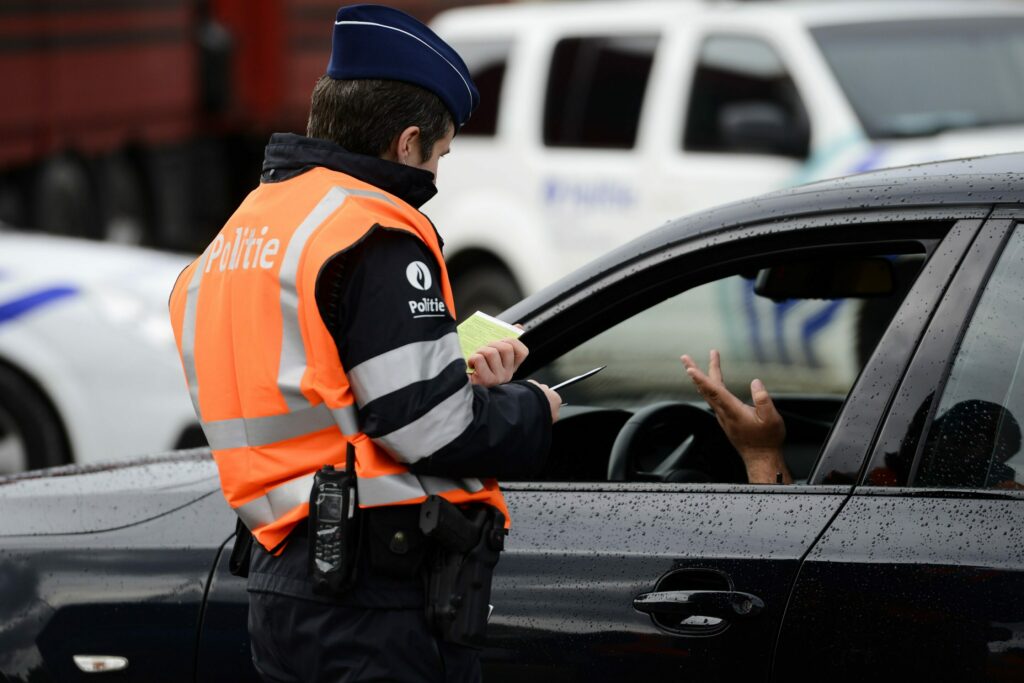
From 1 May next year, drivers – Belgian and international ones alike – will need a road tax digital sticker ("vignette") to drive on motorways and regional roads in Belgium,
Last Friday, the country's three regional governments announced that foreign motorists should contribute to the maintenance of the country's roads, agreeing to introduce a new road vignette.
However, the European Union does not permit making the vignette compulsory for foreigners alone. As a result, Belgians will also have to purchase the vignette.
Here is everything you need to know.
Who needs one, and when does it take effect?
From 1 May 2027, all motorists driving certain motor vehicles on Belgian motorways, motorway ring roads and other regional roads will need a digital road vignette. In practical terms, this covers all main roads in Flanders and Wallonia.
Motorists who only drive on local roads do not need one.
The vignette is compulsory for anyone using regional roads and motorways in a motorised vehicle with at least four wheels and a maximum mass of up to and including 3.5 tonnes.
There will be no vignette for lorries; the kilometre-based charging system will continue to apply there. No vignette is required for motorcycles, coaches or tractors either.
To be clear, this is a digital vignette, not a sticker to glue to your windshield.
How much will it cost?
Drivers will be able to buy the digital vignette online, via a website or app, from 1 March 2027. The system will immediately link the purchase to the buyer's number plate.
Those who are less digitally savvy can purchase the vignette in person, for example, at petrol stations.
Motorists can choose the validity period themselves: one day, ten days, one month, two months or a whole year.
In addition to the period, the cost of the vignette also depends on the Euro standard of the vehicle (CO₂ emissions).
For electric cars (zero emissions), an annual vignette will cost €90. For cars meeting at least Euro 4 standards, drivers will pay €100 for a year. Owners of the most polluting cars (Euro 0 to 3) will pay the highest price: €125 per year.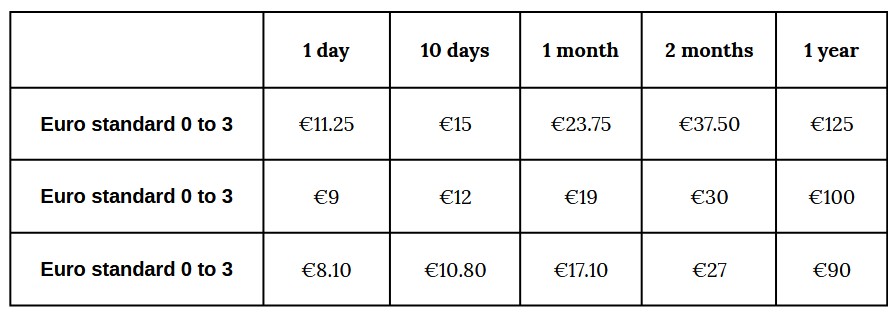
How will the road vignette be checked?
As the sticker is digital and linked to drivers' number plates, the smart ANPR cameras across the country can check compliance effortlessly. There will also be mobile checks and spot checks by enforcement officers who can pull vehicles over.
Anyone driving on Belgium's main roads without a vignette risks a €70 fine. For a second offence, this rises to €140, and for a third, to €210.
However, a two-month grace period is being introduced, meaning people would not be liable for a fine until 1 July 2027 at the earliest.
How is this new vignette being received?
The motoring organisation Touring is pleased that a single, uniform system is to be introduced across the whole country. The organisation also welcomes the fact that the revenue will be invested in improving roads.
Reactions from employers’ organisations, meanwhile, are mixed. The Federation of Belgian Enterprises (FEB), self-employed organisation Unizo and Flemish enterprises organisation Voka welcome the fact that foreign road users will now contribute to the maintenance of Belgium's road infrastructure.
They also praise the fact that the revenue will go entirely towards the construction and maintenance of roads.
