
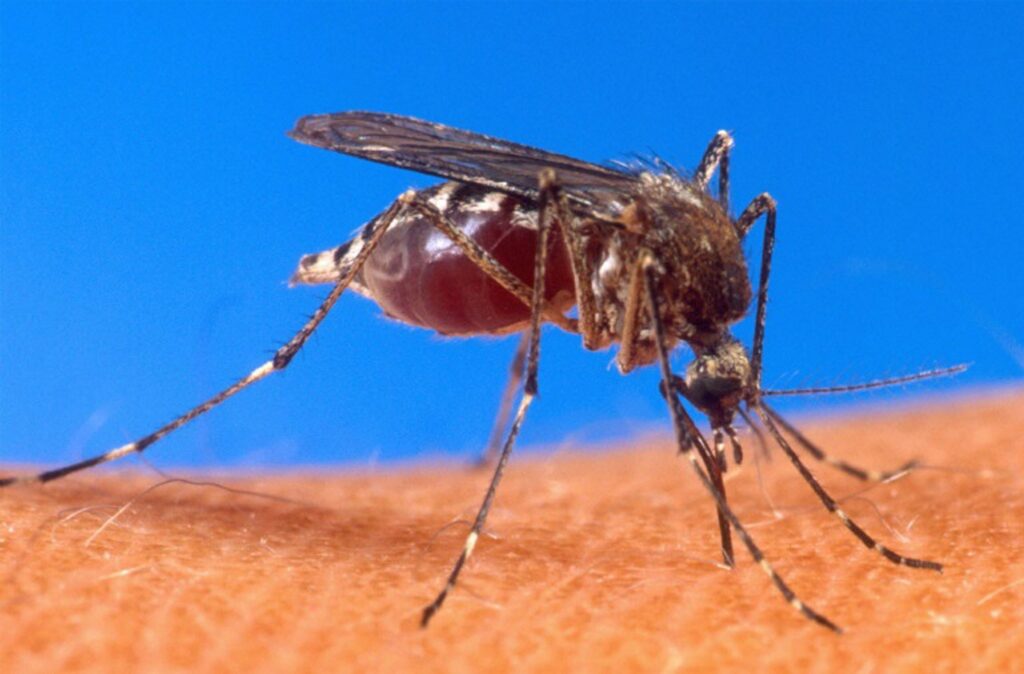
The World Health Organisation (WHO) has urged European countries to strengthen mosquito surveillance and public health messaging as West Nile virus cases continue to rise across the continent at the start of the transmission season.
Although the overall risk of infection remains low, the WHO said people living in or travelling to affected areas should protect themselves against mosquito bites and be aware of the symptoms of severe illness.
Greece has reported the highest number of confirmed cases so far this year, with 21 infections, including 14 in the past week. Twenty patients developed complications affecting the central nervous system, such as encephalitis or meningitis, and 13 remain in hospital.
Italy has recorded the widest spread of the virus, with 21 cases across 17 different areas. Spain, Romania and North Macedonia have each reported two cases.
"West Nile virus is not a new threat, but the conditions for its spread are changing rapidly," said Dr Hans Henri P. Kluge, the WHO Regional Director for Europe.
He said rising temperatures and longer summers are allowing mosquitoes to survive for longer and spread the virus over a wider area. Around one in 150 infected people develops a severe infection affecting the central nervous system, which can be fatal, he added.
Between 70% and 80% of people infected with the virus develop no symptoms. Those who do may experience fever, headache, muscle pain and nausea.
The WHO advises people to wear long clothing, use insect repellent and remove standing water around their homes, where mosquitoes breed.
The virus is mainly spread by mosquitoes that have fed on infected birds. Although transmission through blood transfusions, organ transplants, pregnancy or breastfeeding has been documented, such cases remain rare.
There is no evidence that the virus spreads through everyday contact between people.
In Europe, most infections occur between late spring and autumn, with cases usually peaking between July and September. There is currently no vaccine or specific treatment for humans, and care is limited to symptom relief and supportive care.
