
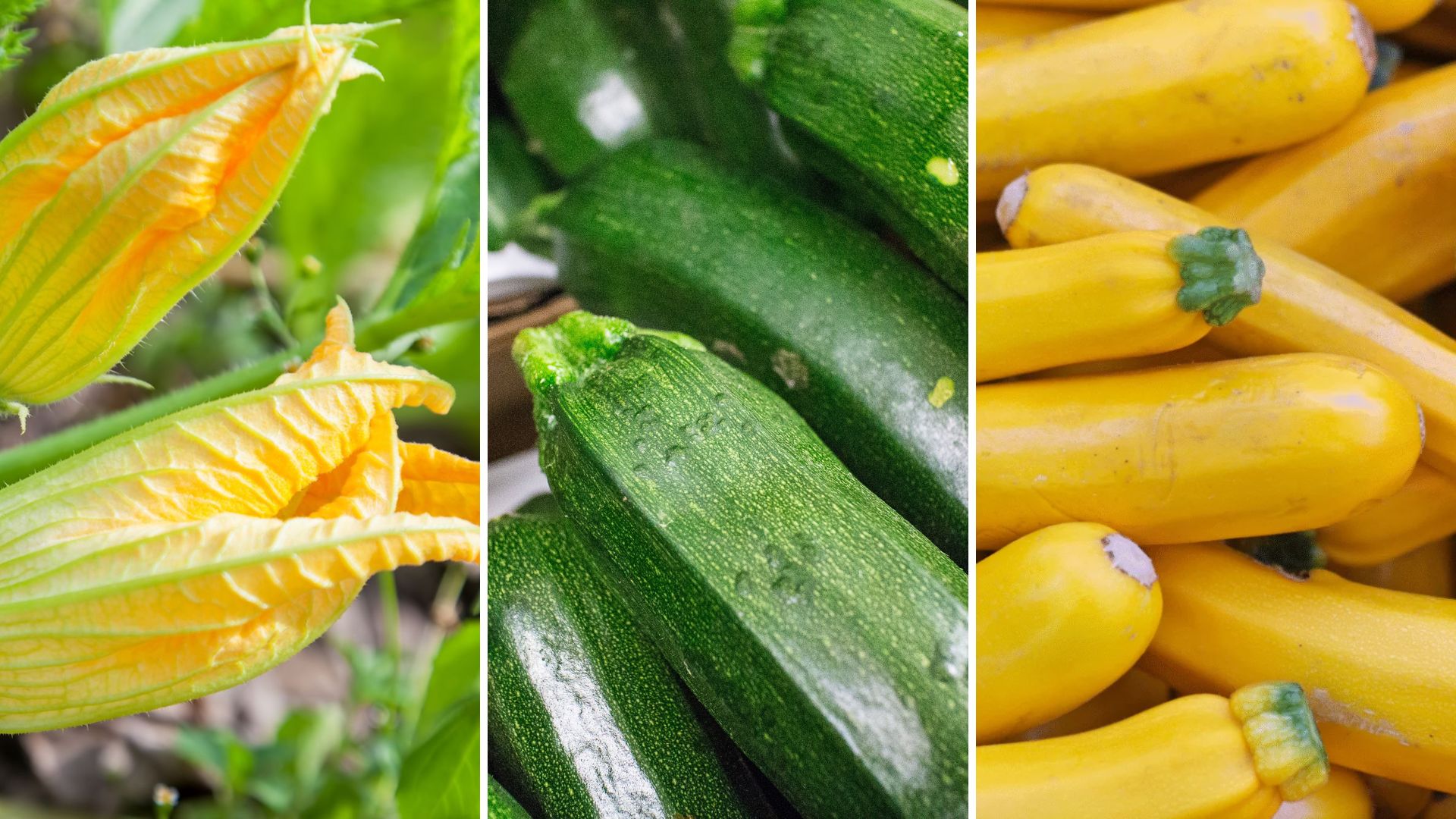
Before it was a courgette, the courgette was a kitchen utensil. Its prehistoric relatives came with a hard shell that could be dried and turned into, say, a bowl, a flask or a cup. Only thousands of years later did someone finally taste the flesh and go, "Guys, guys! This could actually taste nice!" Welcome to the star plant of August, a plant so familiar and unassuming that we barely give it a second glance.
It all began in a rather unlikely place: a handful of caves in the mountains of Tamaulipas, Mexico, where people had been growing squash (think pumpkin family) as far back as 10,000 years ago, way before wheat.
As it happens, squash are the forefathers of courgettes. The early varieties did not have particularly sweet flesh. Rather, they were small and bitter, so people found other uses for them. If you needed, say, a hammer or a nutcracker, that hardened squash shell did nicely, thank you very much.
They also hollowed out the early squash into bowls, using them as crockery for meals of beans and maize. But somehow, they could sense a possible potential. When it came to harvesting, Indigenous farmers started selecting squash that were less bitter, had softer flesh and better seeds... until one day, they could literally start eating their containers.
Enter Columbus. We’re not a big fan of his, this side of town, but, well, I suppose one thing we can be grateful to him for is that he brought squash to Europe in the 15th century. Not that Europeans greeted it with open arms. "Hmm," they'd say, with a raised eyebrow, popping their monocle for a closer look as they walked past early courgettes growing as novelties in rich Spanish people’s botanical gardens.
Feeding the family
We can therefore give a collective sigh of relief that it finally reached Italy. Specifically, Florence, which was then under the Medici, famous patrons of botany, gardens and horticultural experimentation. Their gardeners were given a free hand to experiment with varieties of vegetables, among which they began selecting squash that could be harvested young, before the fruit became large and fibrous.
But it took another 400 years for those experiments to give us a culinary result. It was only in late 19th century, that northern Italian growers around Milan, had developed the long, tender vegetable we would recognise today. Ta-da! La courgette moderne est arrivée! Enfin!
Word of the delicious zucchini, as courgettes were baptised by the Italians, spread far and wide, eventually reaching our beloved Belgium. Surprisingly, the plant tolerates the Belgian terroir and unpredictable Belgian seasons, and started being produced abundantly.
Many Belgian allotment gardeners know the classic August problem: you plant one courgette plant and suddenly you have enough courgettes to feed half the neighbourhood.
So, if you step out of the door and find a bag of courgettes waiting for you, celebrate like you’ve won the health lottery. The courgette may not be flashy, but it has that kind of understated charm I always fall in love with. It’s like the guy at a party who’s unassuming and not at all trying to be the centre of attention, but then you start talking to him and think, phwoar! He’s such great company.
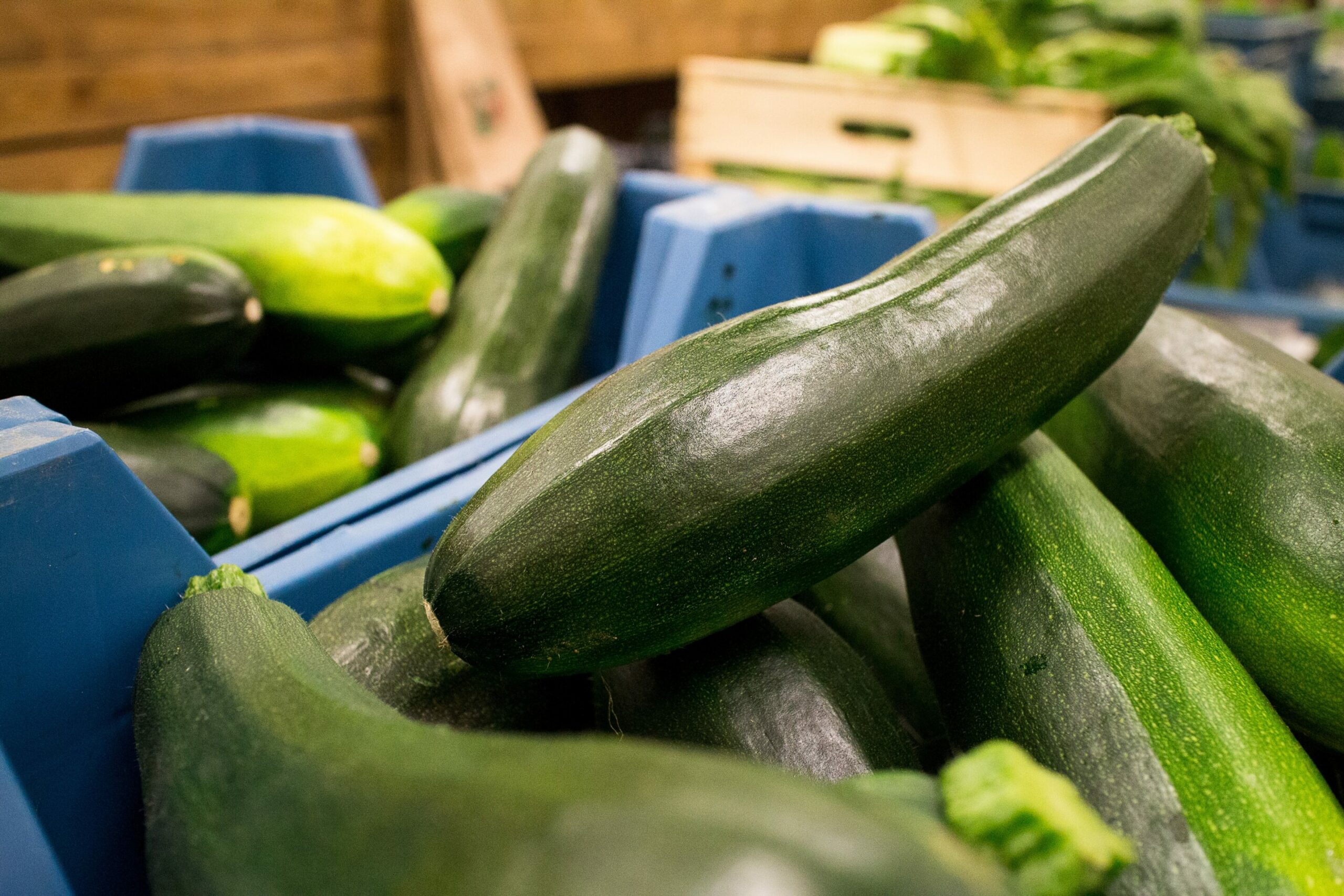
Courgettes. Credit: Belga/Siska Gremmelprez
And here is what makes the courgette such a catch: they’re about 95% water, making them an excellent source of hydration. They’re little fibre pearls, helping to feed beneficial gut bacteria and keep constipation at bay. They’re also blood-sugar friendly, particularly when eaten as part of a balanced meal with protein, healthy fats and other vegetables.
And they contain heart-friendly nutrients such as potassium, which is important for blood pressure regulation, and magnesium, which is an asset to the metabolic processes. They’re also easy on digestion, so if you suffer from IBS, courgettes are your friends.
Then, of course, there is the small matter of what to do with them. The Italians have zucchine trifolate: courgettes sliced or diced and sautéed with garlic, parsley and olive oil. There is also the courgette parmigiana, the cousin of the better-known aubergine version, layered with tomato sauce, cheese and Parmesan and baked until bubbling.
In France, it takes its place in ratatouille, sharing the stage with aubergine, tomatoes, peppers, onions and herbs. And for something altogether different and my absolute favourite, there is courgette carpaccio: paper-thin ribbons (use a potato peeler) dressed with olive oil, lemon and Parmesan. No cooking required.
And so, after thousands of years of evolution from practical kitchen utensil to one of August's most abundant vegetables, the courgette has finally come full circle. Rather than hollowing it out to eat from, these days we slice it, stuff it, grill it, fry it and even eat it raw. Finally, we’re eating the container. And, frankly, it makes a rather good one.
Types of courgettes
1. Classic green courgette
The familiar long, smooth, dark-green one you see everywhere in Belgian supermarkets. This is essentially what most of us picture when we hear 'courgette'.
2. Romanesco
Has distinctive ribs or ridges, usually pale and dark green striped. It has a slightly firmer texture and nutty flavour.
3. Yellow courgette
Bright yellow, generally long and cylindrical. It isn't a different species, the green and yellow are siblings
4. Round courgettes
These look almost like little green balls rather than the familiar cylinders and are particularly good for stuffing because their shape makes them natural little edible bowls.
5. Tromboncino
Tromboncino is a long, curved Italian squash that can look almost like a trombone, hence the name.
6. Courgette flowers
They are the premium seasonal delicacy, a rather glamorous flower that chefs actively seek out.
