
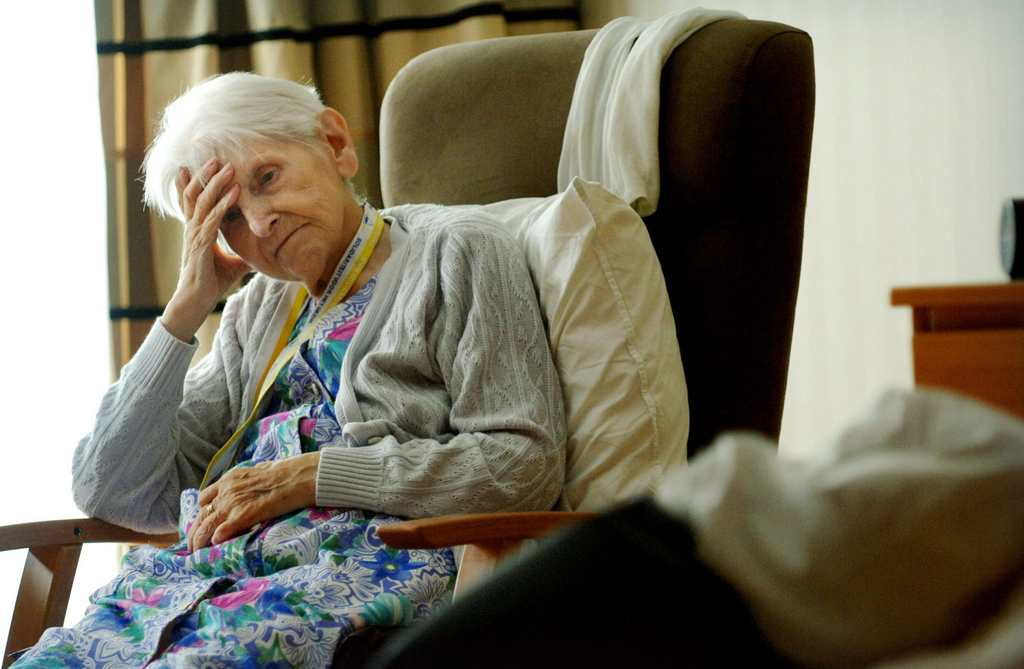
Clinical trials for older people still too often test the wrong patients, according to the UZ Leuven team. They tend to focus on relatively fit older people, while in practice doctors are increasingly treating vulnerable individuals aged 65 and over with multiple conditions and complex care needs.
The researchers argue that clinical trials should better reflect the older people whom doctors actually treat and take greater account of what matters to them. This conclusion was published in the medical journal The Lancet.
Clinical trials often apply strict eligibility criteria to test the safety and efficacy of treatments. As a result, frail elderly people are more likely to be excluded.
For healthcare providers, it is therefore not always clear whether research findings also apply to patients with multiple conditions, complex care needs, limited mobility, cognitive difficulties or reduced physical and mental capacity. This can lead to both over- and undertreatment.
The team gathered examples from fields including oncology, cardiology, neurology, orthopaedics and endocrinology of studies that are better suited to vulnerable older people. For instance, these sometimes involve a lower starting dose, extra support or less burdensome follow-up, for example through home visits or online consultations.
The researchers also argue that studies must look beyond survival, disease control and side effects. Independence, daily activities and quality of life are at least as important outcomes for many older patients.
Professor Hans Wildiers, a medical oncologist at UZ Leuven and the lead author of the study, emphasised that age in itself says little about a person’s state of health. “One 80-year-old lives independently, another resides in a care home with memory problems. Yet it is mainly the fit older people who end up in clinical trials.”
The researchers advocate involving patients, their loved ones, informal carers and healthcare professionals right from the design stage of studies. In their view, this would make studies less burdensome and more relevant for the growing group of vulnerable older people.
