
Homeowners across Flanders are facing higher property tax bills this year, with 56 Flemish municipalities increasing their municipal surcharges for 2026. Nine municipalities in the Brussels-Capital Region have also raised their rates.
The increases mean significant differences depending on where a property is located, with some homeowners paying hundreds of euros more than those in neighbouring municipalities.
Property tax, known in Dutch as onroerende voorheffing, is an annual tax on property such as houses, apartments, plots of land and commercial buildings. The bill is made up of a basic Flemish tax, provincial surcharges and municipal surcharges.
Zaventem cheapest, Alveringem most expensive
The average Flemish municipality is charging 916 surcharges in 2026, compared with 895 last year, according to Het Laatste Nieuws, but the differences between municipalities are considerable.
Zaventem, which hosts Brussels Airport, has the lowest rate in Flanders, at 472 surcharges. At the other end of the scale is Alveringem, in West Flanders, where the rate reaches 1,417 surcharges.
The difference can translate into hundreds of euros on the annual tax bill. In Alveringem, the same calculation would result in a bill of approximately €1,555. In Zaventem, it would be around €680.
The cadastral income, or kadastraal inkomen (KI), is a notional rental value assigned to a property and forms the basis for calculating property tax. The amount used for tax purposes is subsequently indexed.
The number of municipalities increasing their rates this year is particularly notable. According to figures cited by HLN, between 2021 and 2025, only one to six Flemish municipalities per year increased their municipal property-tax surcharges.
The much larger increase in 2026 comes in the second year following the most recent municipal elections. Similar peaks in municipal tax increases occurred in 2014 and 2020, also during the second year following local elections.
While municipalities can adjust their property-tax surcharges every year, administrations often make such changes when finalising their multi-year financial plans.
Revenue from the additional personal income tax is becoming less certain for municipalities. Changes in national taxation, the impact of artificial intelligence on employment and Belgium's ageing population could all put pressure on future tax revenues linked to employment.
Property taxation, by comparison, provides municipalities with a relatively stable source of income. Tax expert Thomas De Jonckheere described the trend as a “tax shift” from personal income tax towards property, noting that some municipalities are also reassessing cadastral incomes in an effort to increase their revenues.
Sint-Pieters-Leeuw sees biggest increase
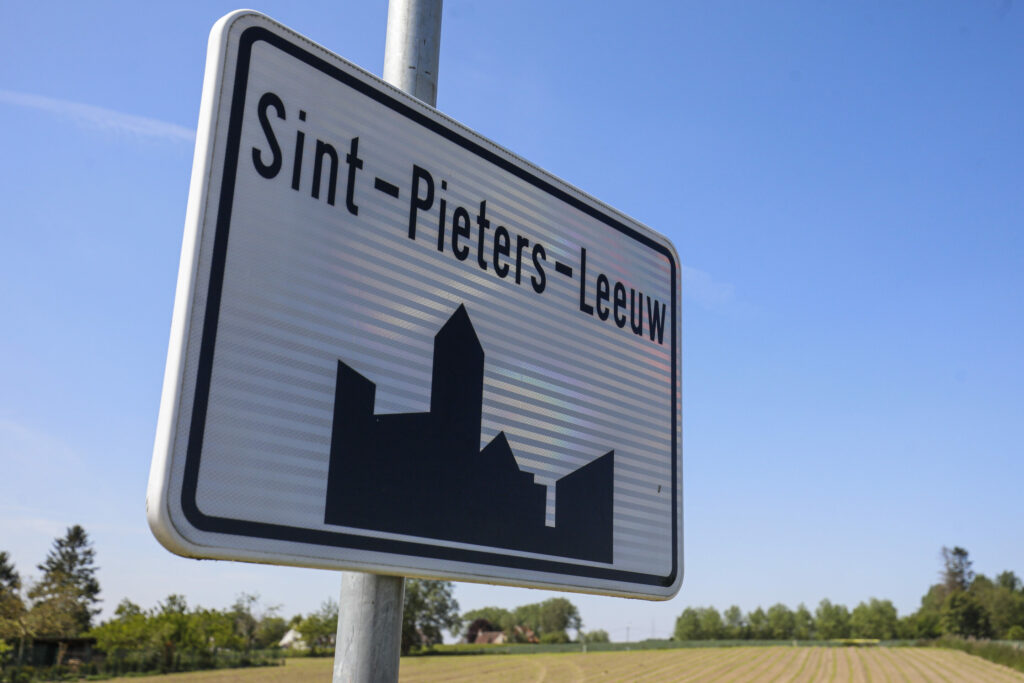
Among the municipalities that increased their rates, Sint-Pieters-Leeuw stands out. The municipality in the Flemish outskirts of Brussels increased its municipal surcharge from 566.75 to 872.
De Jonckheere calculated that, for a property with a non-indexed cadastral income of €1,000, this translates into an additional €297 in property tax compared with last year. The final increase will be even greater for properties with a higher cadastral income.
Brussels municipalities are also significantly more heavily taxed by comparison. The average municipal surcharge in the Brussels-Capital Region now stands at 3,599.
Schaerbeek has the highest rate in the country, at 4,191 surcharges. However, De Jonckheere noted that differences in the way property tax is calculated in Brussels mean that homeowners there still pay slightly less than those with the same hypothetical cadastral income in Alveringem.
