
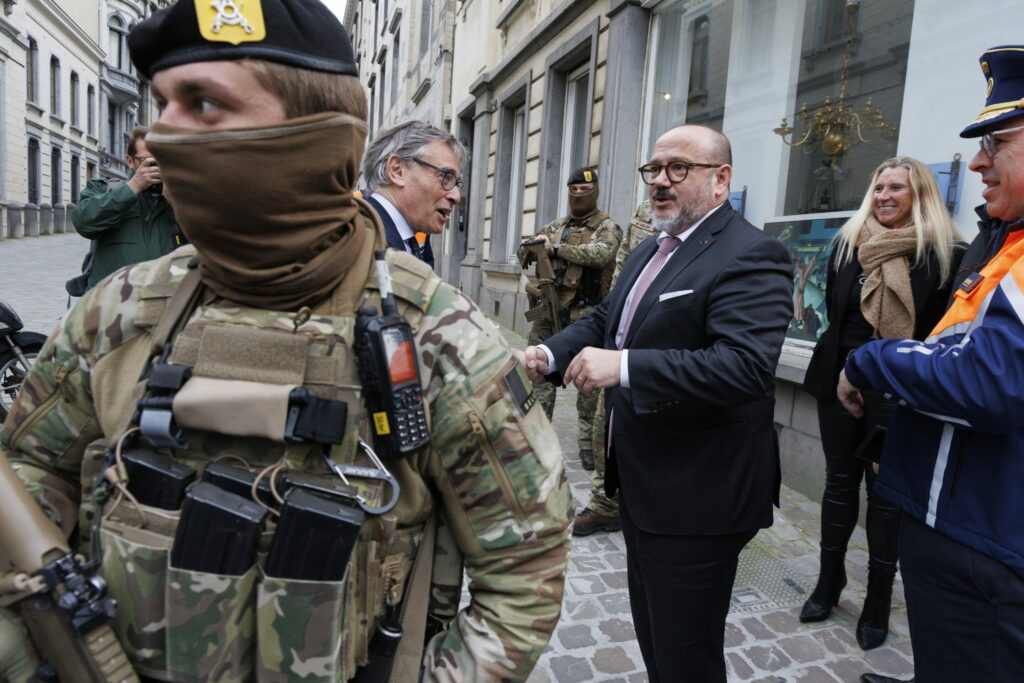
Belgium's Interior Minister Bernard Quintin (MR) wants to deploy joint patrols of police officers and soldiers in Brussels neighbourhoods affected by drug-related violence.
In an interview with The Brussels Times, he says he has the support of the Defence Minister. "I’m convinced that our approach works."
Brussels has endured a turbulent summer, including an explosion that killed a firefighter and shots fired at a police station in Anderlecht. There were no less than 150 shootings and 22 explosions in the capital over the past 18 months.
"As far as I know, this is the first time there has been an attack on a police station," says Quintin. "That’s worrying, but I see it as a sign that our approach is working. We are disrupting their trade. They have come to tell us: leave us alone and let us continue dealing. I think that must spur us on."
The Brussels Times: What exactly are you proposing now?
Quintin: "Defence Minister Theo Francken (N-VA) and I agree that we should deploy more joint patrols and expand the areas in which they operate. Police officers and military personnel should be able to operate outside train and metro stations where necessary, in problem neighbourhoods.
They must go where the need is greatest. That could be Anderlecht, Molenbeek or elsewhere. This must be done in collaboration with the local police, as these areas fall under their jurisdiction. We agree on the principle, but it still needs to be put before the government."
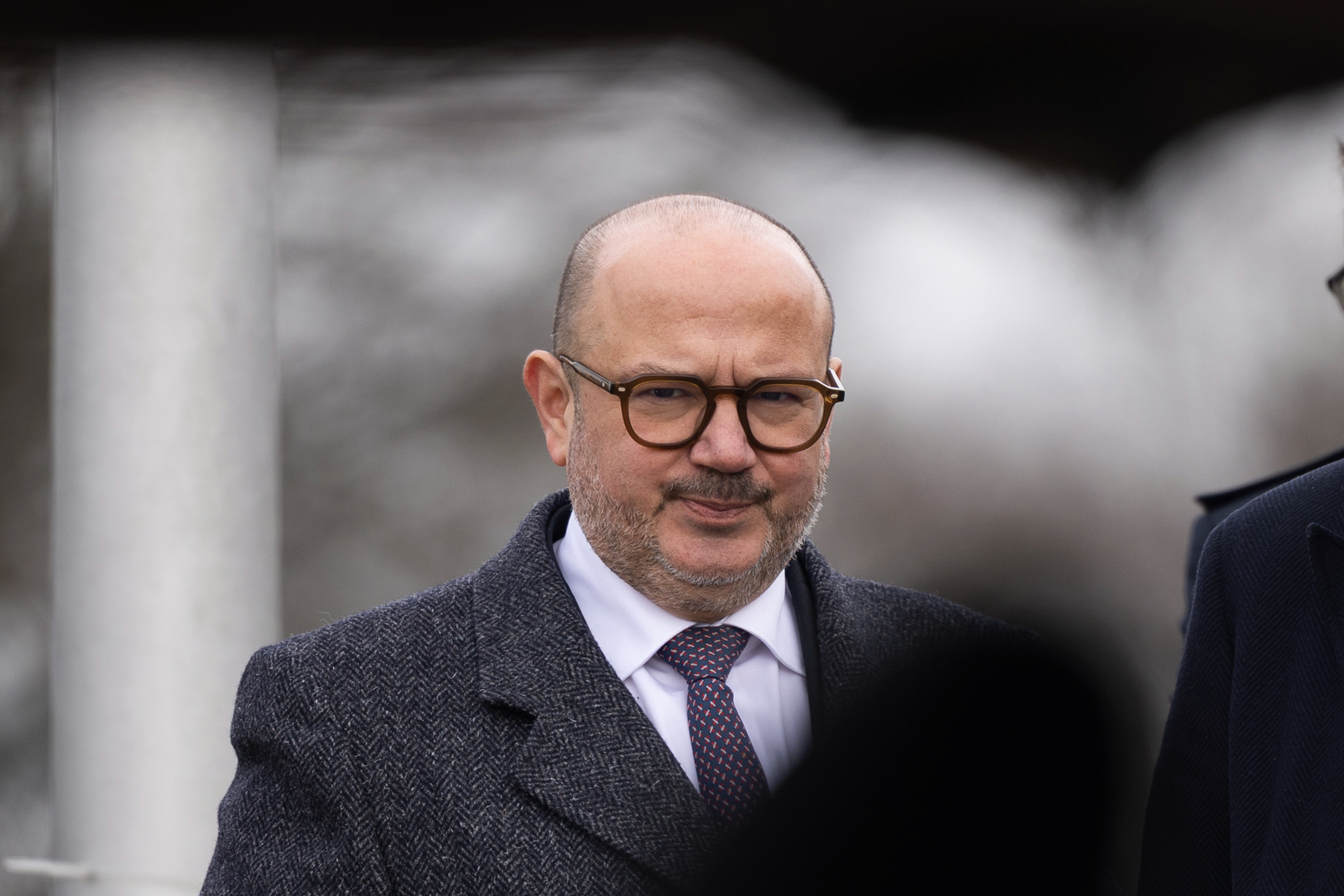
Bernard Quintin (MR), Tuesday 25 February 2025. Credit: Belga/Natasha Freisen
TBT: How many additional police officers and soldiers would be deployed?
Quintin: "I cannot put a figure on that. Since taking office, I have emphasised community policing. Those officers know their neighbourhoods and can support colleagues responding to emergencies. That is important both for safety and for people's sense of security."
TBT: Drug-related violence has not decreased despite the deployment of military personnel. Why are you so confident it works?
Quintin: "These joint patrols are working well. We can see that crime has fallen at train and metro stations. It is difficult to measure, but when we speak to people or conduct a small survey, their sense of security also appears to have increased."
TBT: Surely civilian policing is not the military's role?
Quintin: "Drug-related violence is a matter of national urgency. We are using every available means to strengthen people's safety. Tackling this violence must be a priority for every relevant authority, within its respective remit. That’s why I declared the drug violence in Brussels a matter of national urgency.
We may have lost a few battles, but we must win this war."
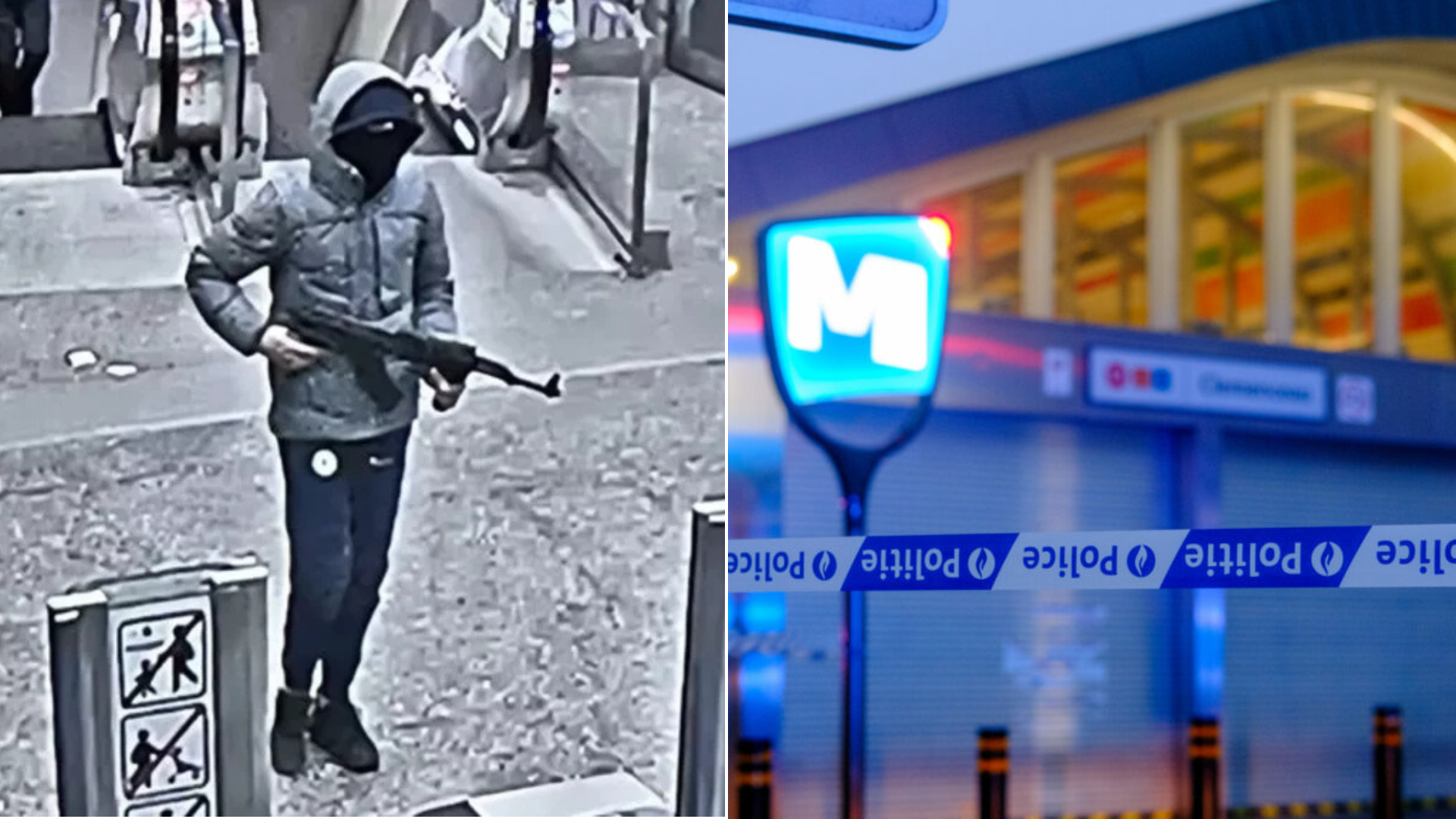
The incident at Clemenceau metro station was one of the most notable shooting incidents in Brussels in 2025. Credit: RTBF/Belga
TBT: Could putting more police officers and soldiers on the streets cause an escalation?
Quintin: "We need more people on the ground. Is having more police on the streets a provocation to drug criminals? Drug dealers belong in prison, full stop. The streets belong to the people and to the police, not to criminals."
TBT: You described the shooting at the Anderlecht police station as a sign that your approach is working. Surely many Brussels residents do not see the situation so positively.
Quintin: "We have to be realistic. Anyone who says we can solve the drug trade and the organised crime linked to it within a few months is not telling the truth. This is a problem in Belgium, across Europe and around the world, to varying degrees.
There are difficult areas in Belgium, but there are no genuine no-go zones where the police cannot operate because it would be too dangerous. I know some people say there are, but that’s not true."
TBT: Critics say politicians make announcements about drugs but take too little action. Does that apply to you?
Quintin: "I find it unfair to say this is all communication. It is also disrespectful to the police officers, military personnel, security staff and STIB-MIVB officers who are out there every day. They are working very hard, every day.
We communicate about that because it is important to show that we are present and taking action."
TBT: Politicians frequently blame one another. Does everyone grasp the urgency?
Quintin: "Everyone must take responsibility. Too many people think it is someone else's fault. I agree with people who say that we have to stop playing political games. But sometimes exactly those people are the ones that play political games. I think that’s a shame.
I have never said the problem is solely the fault of a few Brussels mayors, but it is also too easy for them to say they bear no responsibility for what happens in their municipality."
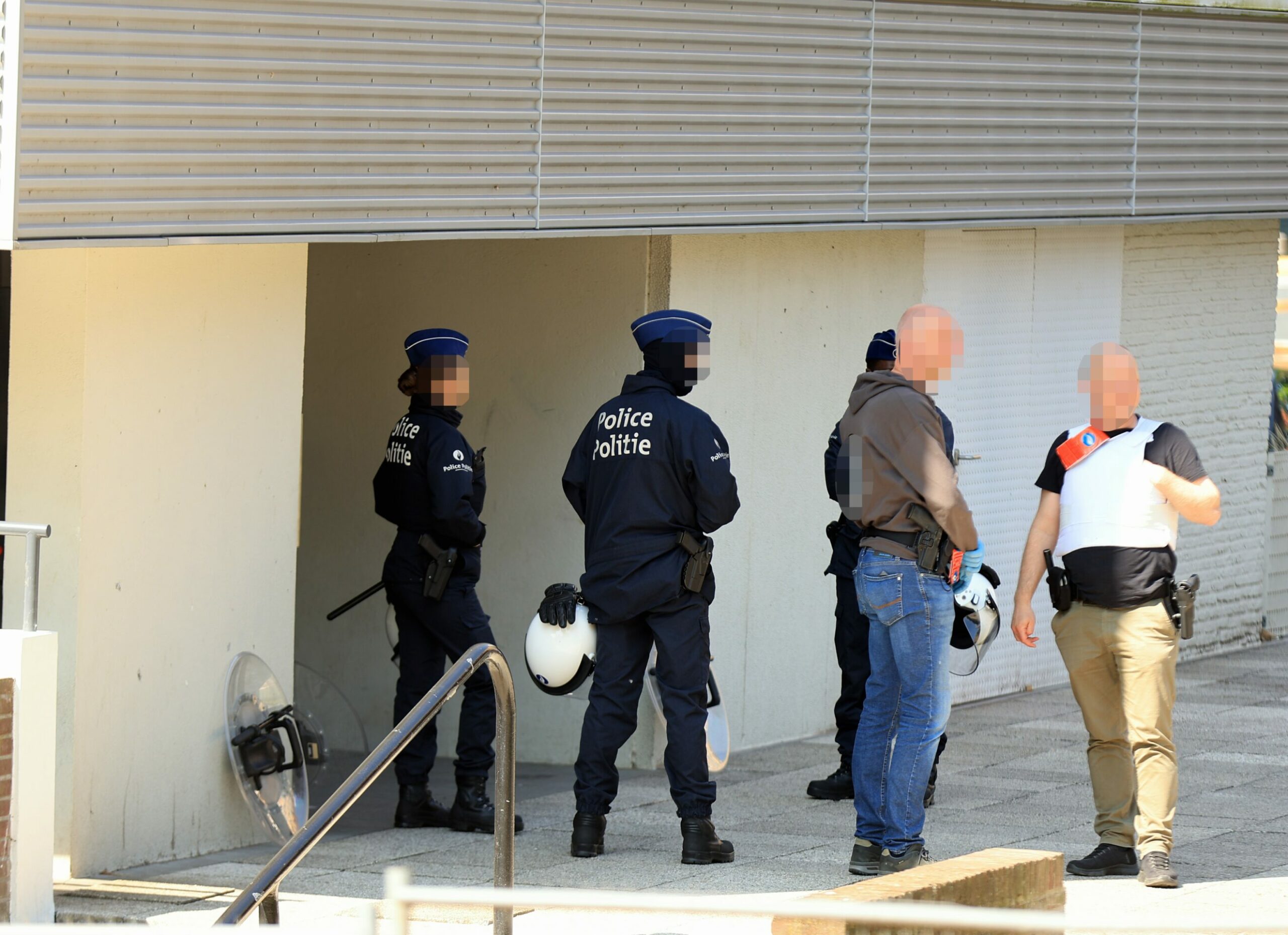
Police action in the 'Peterbos' neighbourhood in Anderlecht, Brussels on Wednesday 11 June 2025. Credit: Belga/James Arthur Gekiere
TBT: Criminal networks exploit vulnerable young people with few prospects. Is the government doing enough for them?
Quintin: "The exploitation of vulnerable young people is a significant part of the problem. More young people are becoming involved in drug trafficking and 'crime as a service'. This is particularly true of unaccompanied minors, who are easy targets."
TBT: What should be done?
Quintin: "Anyone who is not permitted to remain in Belgium must be returned more quickly. We need sufficient capacity in prisons and secure detention centres so that, when police apprehend someone who is staying here illegally, that person can be detained. Some have already received several orders to leave the country.
Everyone is welcome here through the legal channels. We are a country that has experienced waves of immigration since well before the Second World War. But anyone staying here illegally and engaging in criminal behaviour is, at some point, no longer welcome and must leave.
At the same time, we need to step up prevention and public-awareness efforts. We must say clearly that drug use damages people's health and feeds a criminal network. That message needs to sink in."
TBT: As a former diplomat, how much damage do you think this violence is doing to Brussels' international reputation?
Quintin: "It clearly weighs on Brussels' image. But this is neither a uniquely Belgian issue nor proof that Belgium is incapable of tackling it. Perhaps we Belgians are sometimes a bit too fond of self-flagellation. Neighbourhoods in Amsterdam, Sweden and many medium-sized French towns are also grappling with major problems.
We must work with our European partners, including through closer judicial cooperation. Multinational criminal networks require a coordinated international response."
TBT: When will drug-related violence begin to decrease?
Quintin: "I cannot answer that. I am not going to promise to solve every problem within six months. This is a long-term endeavour. We still have two to three years to achieve results, and I am convinced that our approach works."
Related News
- 'The solution is not in prison': The magistrate who helped rewrite Belgium's rules of crime and punishment
- 'Any citizen can get shot': Brussels prosecutor issues warning over drug-related shootings
- Interior Minister calls shooting wave in Brussels 'a sign that we must continue our struggle'
- Brussels records 57 shootings in seven months: New record year looms
