
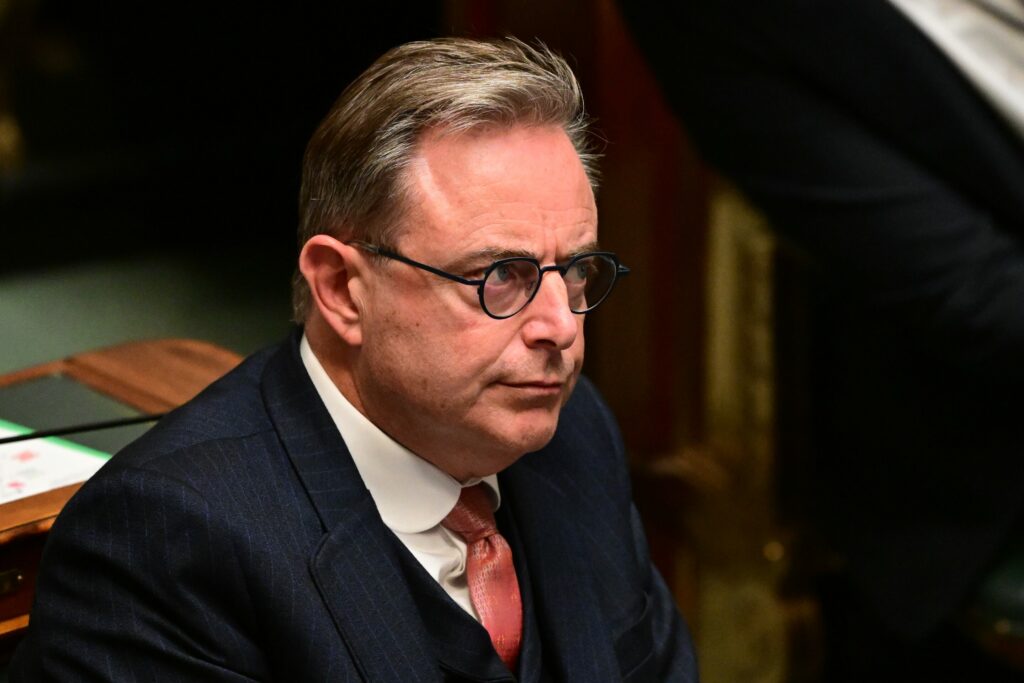
Belgium's Prime Minister Bart De Wever (N-VA) has three more weeks to find €10 billion to fill the federal budget deficit, as the Federal Government fears being hit with a snowball of compounding interest in 2030.
The Belgian deficit sits at 5.2% of GDP, the highest in the eurozone, with the debt rising to over 110% of GDP this year. Across the eurozone, only France (116%), Italy (137%) and Greece (146%) have a higher relative debt than Belgium.
As things stand now, Belgium will be hit by a so-called "snowball of compounding interest" in 2030, as the country will have to borrow money to pay interest on its debt.
After two weeks of talks, there are no clear indications about how the government will get the budget back on track. But plenty of puzzle pieces have hinted at where De Wever hopes to find the funds.
Taxing the profits of the non-profits
The government has seemingly found consensus on a first source of new income: taxing non-profits at a similar rate as for-profit companies.
The non-profit sector encapsulates a wide range of organisations in Belgium. From a local tennis club, museums and theatres to charity organisations and health insurance funds, they can all use the country's fiscally beneficial non-profit structure and avoid paying taxes.
A leaked note from the cabinet of Finance Minister Jan Jambon (N-VA) revealed that plans to tax the sector were drawn up following reports indicating that health insurance funds did not pay taxes on €1.45 billion in profit.
The proposed tax could be implemented as a corporate tax or a tax on commercial profits, and would bring in more than €100 million each year.
Raising VAT across the board
Restructuring the VAT in Belgium, part two.
De Wever has once again set his sights on fixing the country's overcomplicated VAT system, a year after the previous attempts at reform turned his "beautiful racehorse" turned into an "ugly camel".
The Prime Minister confirmed the plan via his MEP Johan Van Overtveldt (N-VA), but made sure to stress that his party is not one for raising taxes.
For this, he found support from his usual sparring partner, Georges-Louis Bouchez (MR). The leader of the Francophone liberals MR made blocking a VAT increase a promise to his voters and called raising revenue through taxes the "dumbest plan the government could pursue."
What the exact reform of VAT that is being considered entails is not clear. The highest bracket could be raised from 21 to 22%, or the lower brackets of 6 and 12% could be unified in a new 9% bracket.
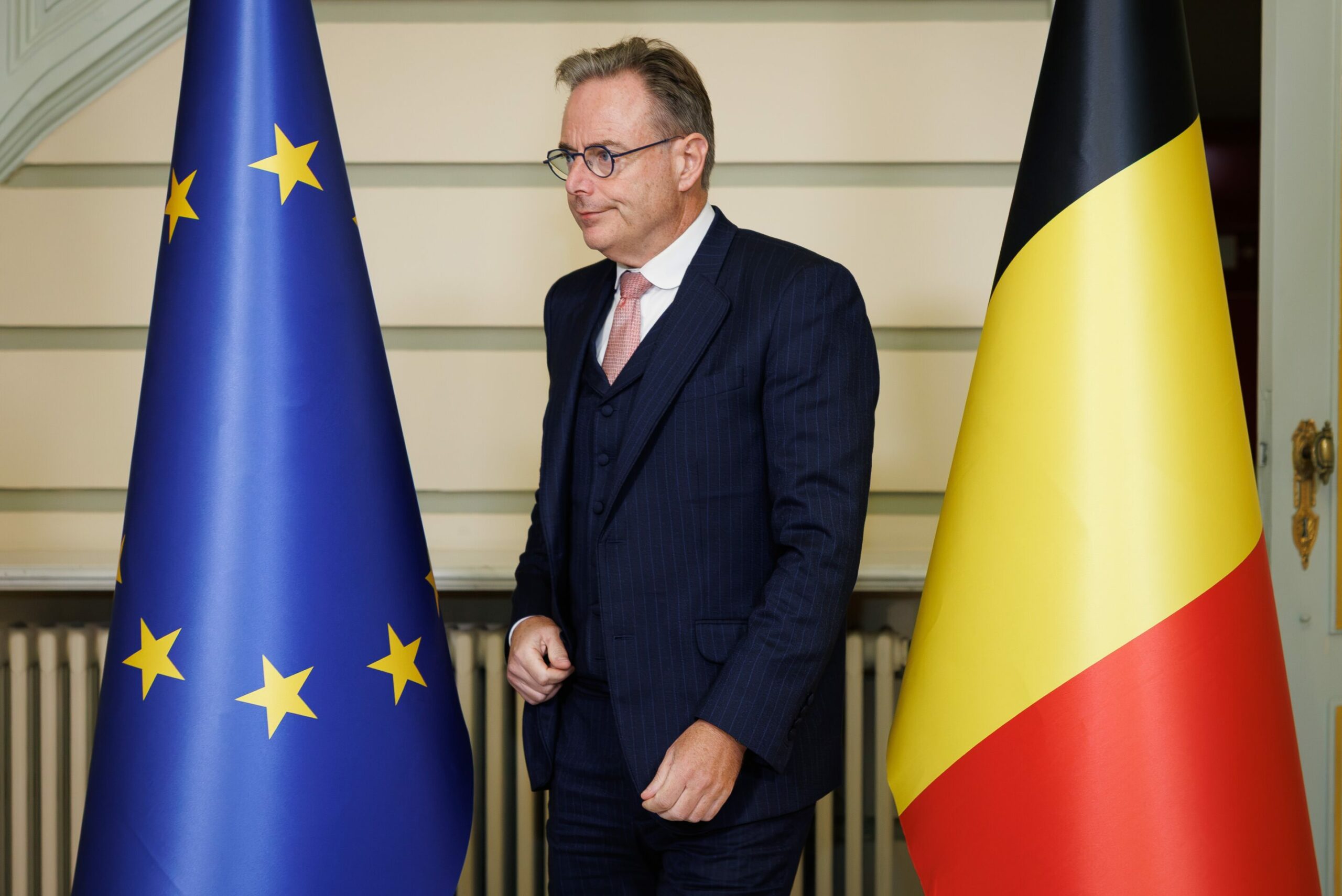
Belgian Prime Minister Bart De Wever. Credit: Belga/Benoit Doppagne
A wealth tax on the richest Belgians
One of the more divisive ideas being circulated in the negotiations is raising money through a wealth tax.
Les Engagés (Francophone centrists) and Vooruit (Flemish socialists) propose raising a 0.3% tax on wealth above a certain threshold. Les Engagés want to gradually increase the tax rate from €500,000, while Vooruit have their eye on millionaires. CD&V (Flemish Christian Democrats) have a similar plan, but want to increase the Tax on Securities Accounts.
MR and N-VA strongly oppose all forms of the plan.
Cutting spending in health care
The parties are split across the same lines on the topic of curbing healthcare spending. MR and N-VA are pushing for measures like limiting the rate at which the budget can be raised, increasing the copayment amount for doctor visits or activating people on long-term sick leave.
Vooruit, Les Engagés and CD&V are less eager to touch healthcare spending.
The topic illustrates the classic left-right divide within the government.
A range of other proposed budget cuts has been parked due to political differences between parties in the coalition. CD&V blocked any changes to the company car scheme, N-VA has taken budget cuts in the Defence Ministry off the table, and Les Engagés oppose any further cuts to foreign development aid.
The deadline for an agreement is 13 October, when the European Commission expects Belgium’s budget proposal and the Prime Minister is due to deliver his State of the Union address to Parliament.
