
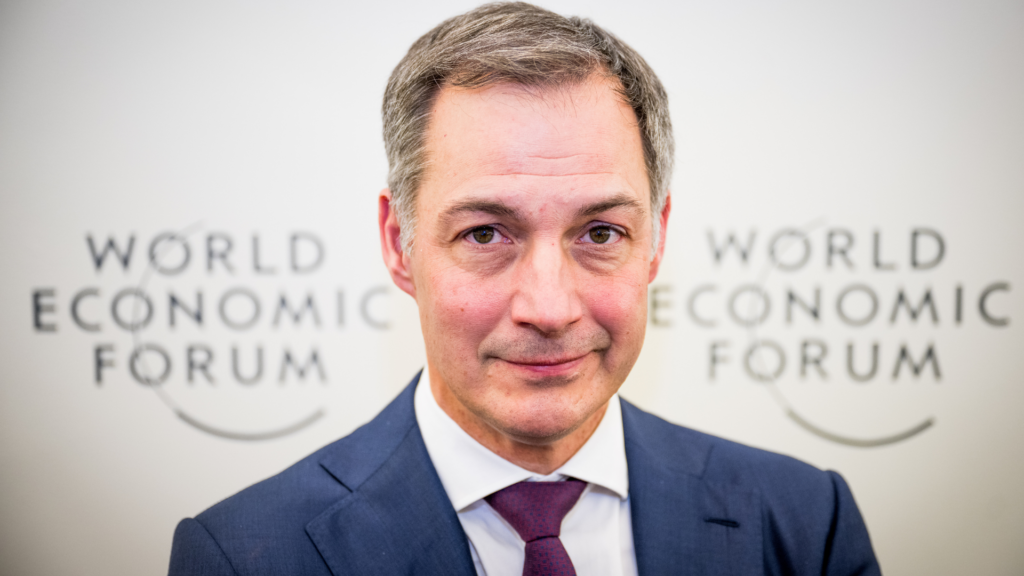
Energy prices, El Niño, and tightening credit conditions could push millions of people into poverty in developing countries that are already reeling from repeated shocks, former Belgian Prime Minister Alexander De Croo, the head of the United Nations Development Programme (UNDP), told AFP.
According to the UNDP, around 130 million people worldwide are at risk of falling into poverty this year if the rise in energy and food prices is fully passed on. The surge in oil and gas prices following the conflict in the Middle East has led most countries to introduce extensive subsidies to protect their populations – at the risk of further reducing their already limited budgetary margins.
“Countries have never had time to recover from the Covid pandemic. We are moving from one crisis to the next; the succession of shocks is complicating the situation: it’s like having to repair your roof whilst the house is on fire,” said De Croo. Developing countries have had "no respite" to rebuild their reserves or resolve previous crises, he explains, on the sidelines of the International Monetary Fund (IMF) and World Bank meetings in Bangkok.
Related News
- €20m EU loan to expand wind and solar power in Austria's Burgenland
- EU backs Thailand flood overhaul with €65m plan blending tech and aid
- Brussels joins legal action over severe PFAS pollution at former industrial site
This year, "countries have managed rather well to protect their populations from fuel prices" through widespread subsidies, "but this has come at an exorbitant cost. Many of them have had to review their policies and cut back on subsidies," even at the risk of causing "significant social unrest," says Mr. De Croo.
Vulnerable countries are providing this support at the expense of their investment in development, "an impossible dilemma."
"They are losing all room for manoeuvre in terms of public policy, whether in health, education or investment in renewable energy: all of this is evaporating," laments the head of the UNDP.
Better targeting of subsidies, as recommended by the IMF, is proving difficult due to a lack of the necessary governance or tax systems.
And their resources are running dry due to the lack of a lull in the Middle East or on the energy markets.
"Whilst some countries have a well-insulated house with money in the bank, others have a house without a roof and no money in the bank," noted De Croo.
However, on top of the energy crisis comes the El Niño climate phenomenon, which is threatening harvests in Asia, Africa and Latin America.
"Between November and February, it is highly likely that we will experience long periods of drought, which will have further repercussions on food supplies" and inflation, warns Alexander De Croo.
South and East Asia, as well as sub-Saharan Africa, are particularly vulnerable. Already, the Global Multidimensional Poverty Index has recorded its first rise this year since its creation in 2010, bringing the number of people affected to 1.2 billion, the UNDP announced on Monday.
