
Belgium has responded positively to the Democratic Republic of the Congo’s (DRC) request to return human remains held in scientific collections. But a political commitment is only the beginning of a process involving legislation, research and decisions about how the remains should be returned.
More than 500 human remains from the DRC, Rwanda and Burundi are still held in Belgium. Some of them are held in the AfricaMuseum, while the majority is held at the Royal Belgian Institute of Natural Sciences (RBINS) in Brussels. As many were collected in colonial contexts, the remains have become a key part of the renewed calls for restitution.
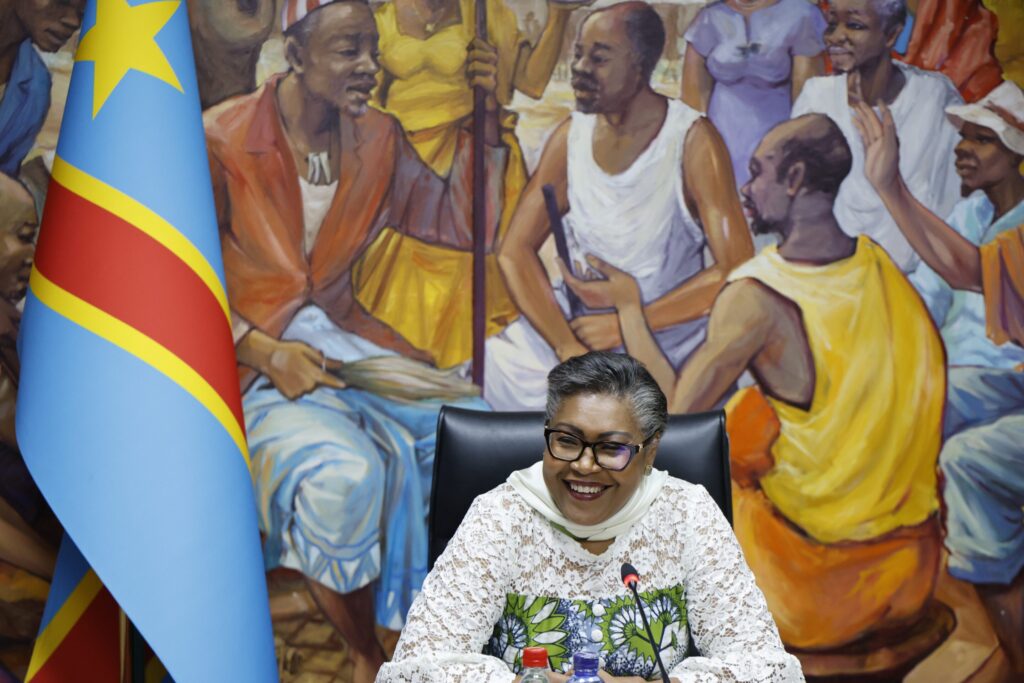
In a letter to Belgian Prime Minister Bart De Wever (N-VA) in June 2026, his Congolese counterpart Judith Suminwa Tuluka formally requested the return of human remains from the colonial period.
“The dead must be able to rest in dignity in their country of origin and must not be viewed as nothing more than collectables," was stated in the letter, Belga News Agency reports.
On 17 September, De Wever gave a positive answer to the request, according to Congolese press agency ACP. He also proposed a bilateral commission to discuss the practical arrangements.
While the response marks a big step in the debate that has been ongoing for years, it leaves a series of questions unanswered: what legal mechanisms will make restitution possible, how will the remains be identified, and who will determine the conditions under which they return to the Democratic Republic of Congo?
A legal gap
Belgium already has a legal framework for the restitution of certain cultural objects acquired during the colonial period. A law adopted in 2022 allows the return of eligible objects linked to the country’s colonial past and held in federal museum collections.
According to the AfricaMuseum’s explanation of restitution, the existing procedure requires a treaty between Belgium and the country of origin, as well as a scientific examination of how the objects were acquired.
Human remains, however, do not fall under this same procedure.
This legal gap is not new. In 2023, the Belgian Advisory Committee on Bioethics looked at the status of human remains held in museums and scientific institutions. Its advice No. 82 highlighted the absence of a specific legal framework for returning human remains and the need for legislation that would make restitution possible.
The research project, HOME, coordinated by RBINS, also looked at the historical, scientific and ethical questions surrounding human remains in Belgian collections. Its recommendations included changing the law to facilitate the repatriation of historical human remains, when requested, and to prevent them from being treated as objects.
The project identified more than 500 remains from the DRC, Rwanda and Burundi held by the institute. Many originating from collections transferred from the AfricaMuseum in 1964 and 1965.
The challenge here is not simply whether Belgium recognises the issue, but how that recognition will be translated into a legal process that allows the remains to go back to their home country.
Beyond the numbers
The scale of collections is significant, but numbers alone do not tell the full story.
According to the Royal Belgian Institute of Natural Sciences, the remains were gathered through different routes. Some were retained by the Belgian military officers following expeditions, others were collected by scientific associations, medical professionals and private collectors. In some cases, remains were obtained through archaeological excavations.
The institute’s research acknowledges that the history of these collections cannot be separated from the colonial context in which many of them were assembled. Research published by the AfricaMuseum shows how the collection of human remains was connected to racial theories and the classification of African people during Belgian colonial rule.
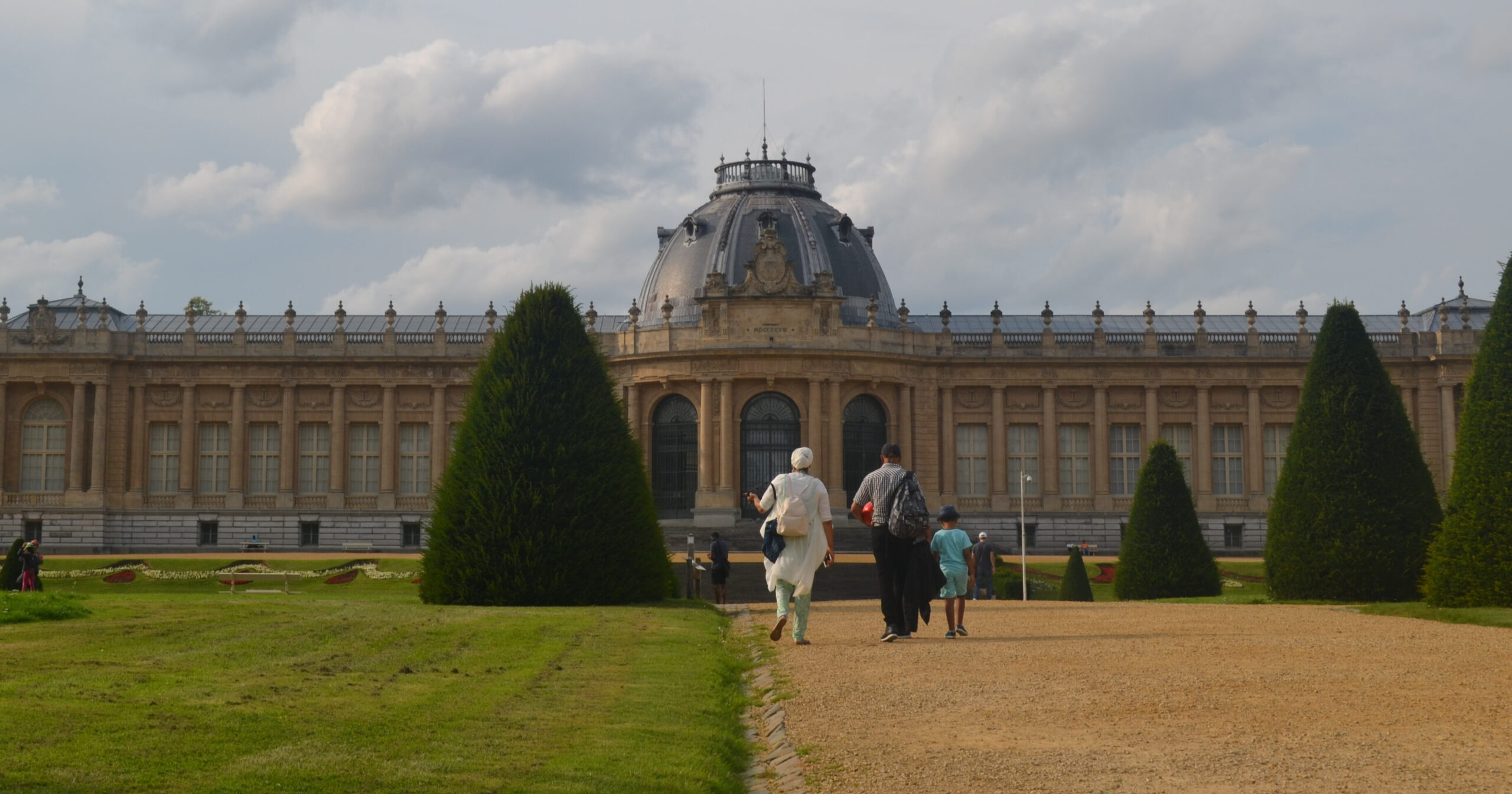
The AfricaMuseum in Tervuren, which holds collections linked to Belgium’s colonial history. Credti: KingBaudoin/Wikimedia Commons (CC0)
Establishing the origins of individual remains may prove important to any restitution process. Historical records may be incomplete, and the available documentation may not identify every person or community to which a set of remains belonged.
This raises practical and ethical questions.
The challenge here is not only to prove where the remains came from but also to determine what should happen when their origins cannot be established with certainty. Some remains are identified by name, while others are categorised using numbers or descriptions.
The case of Lusinga Iwa Ng’ombe shows the importance of origin research. Lusinga, a Congolese leader killed by Belgian officer Émile Storms in the 19th century, was decapitated, and his skull was brought to Belgium. His remains later became part of the scientific collections.
One of his descendants, Thierry Lusinga, asked for the return of his ancestor’s skull multiple times, including through letters to King Philippe.
The question for the current negotiations is how Belgium and the DRC will approach the remains of whose identities or communities of origin remain uncertain. Will each set of remains need to be investigated individually, and could incomplete records cause a delay of restitution?
Who gets a say in restitution?
The return of human remains is not simply a matter of transferring remains between two countries. It also raises questions about who should participate in decisions concerning the remains and how their return should take place.
On 24 November 2025, organised Afriqhope and RBINS organised a ceremony in Brussels to honour the Congolese whose remains are held in Belgian collections. The event brought together around 100 invited members of the community and activists to reflect on the history of the collections and the calls for the restitution.
“We have the right to be furious,” activist Mireille Tsheusi-Robert said during the event, De Morgen reports.
For those campaigning for restitution, the continuing presence of these remains in Belgian institutions is connected to a history of colonial violence and the treatment of African people as objects of scientific study. Their return would therefore mean more than just a change in the legal ownership of a collection.
Leaty Babin, president of Afriqhope, called on Belgium and the DRC to clarify what Belgium’s positive response means in reality.
In an interview with ACP in October 2026, she asked whether two countries are discussing how the remains will be returned or if they still need to establish whether their return will take place at all.
The difference, she argued, is important. A positive response does not automatically mean that the legal and practical arrangements have been settled.
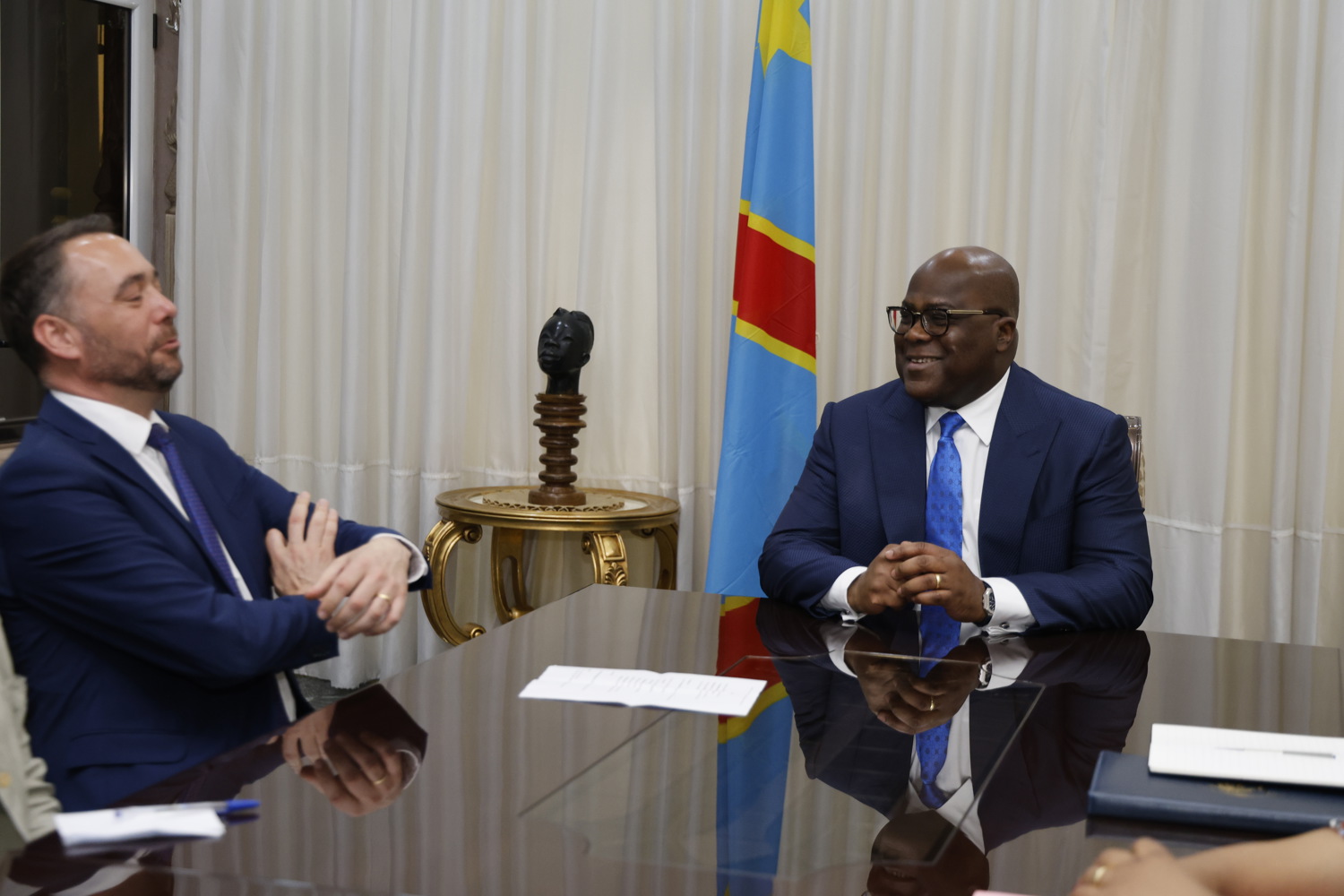
DRC President Felix Tshisekedi (right) and Belgian Foreign Minister Maxime Prévot at the Office of the President in Kinshasa, Monday 28 April 2025. Credit: Belga
Belgium’s positive response has opened the door to further discussions, but the precise next steps remain unclear.
One question is if Belgium could make restitution work under its existing legal framework or whether a new separate law is needed. Since human remains are excluded from the 2022 law, the two governments will need to clarify the legal basis for the return.
The proposed bilateral commission could help clarify the process, but its timeline still needs to be defined.
Provenance research will also be able to establish how the remains entered Belgian collections and, where possible, establish the origins of the individuals concerned.
Beyond the legal and scientific questions, the two governments will need to agree on how the remains will be transferred and received in the DRC while ensuring that Congolese descendants and affected communities have a say in the process.
