
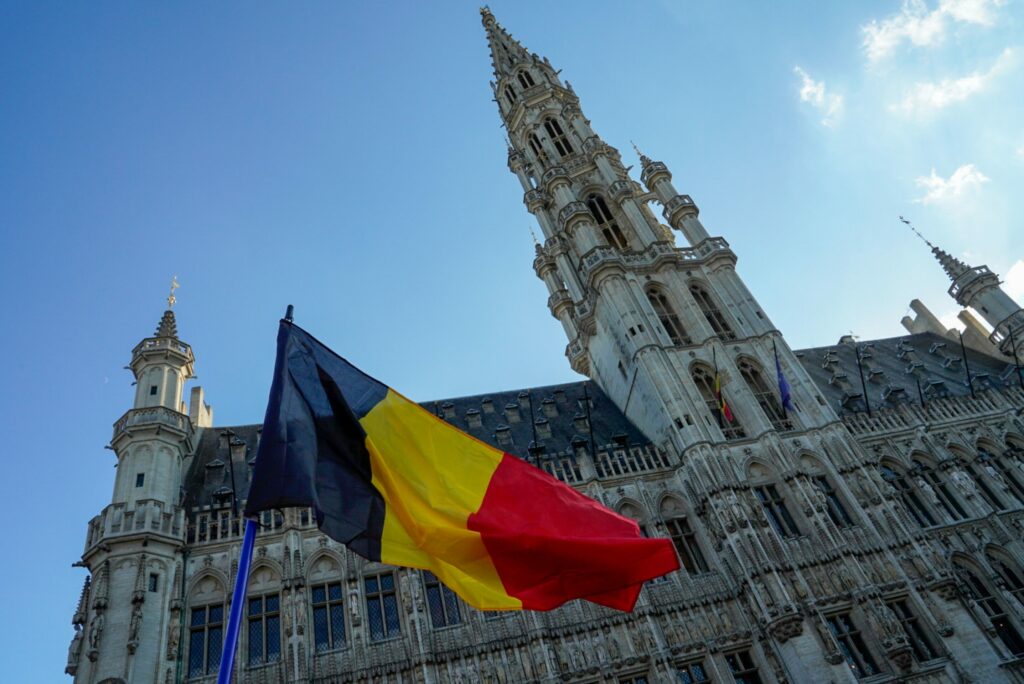
Brussels has its fair share of quirks and peculiarities and it can be hard to navigate this bilingual city of 19 municipalities (in a country with six governments!) when you first arrive.
From admin and travel hacks to making the most of Brussels' cultural offering, here's what you need to know when moving to the Belgian capital.
Admin
1. Register at the commune ASAP
The first step anyone moving to Brussels should take is registering at your local commune. As soon as this is done and you get your Belgian eID, life becomes much easier. The whole process takes a while – and it can take several months to book your initial appointment – so get started as soon as you have a fixed address.
Don't be alarmed when a police officer knocks on your door to check where you live: this is standard practice in Belgium. Find more about how to register here.
2. ItsMe makes life easier
Once you've sorted your eID, download the ItsMe app. ItsMe is an authentication app which can be used to log in to various Belgian government websites, such as for paying your taxes online, ordering paperwork from your commune – but accounts can only be set up with an eID.
3. Download Bancontact to pay by QR code
Another peculiarity of Belgian life is paying by QR code. Sometimes this is the only accepted form of payment at markets and festivals, so it's best to come prepared. But Bancontact can only be set up once you have a Belgian bank account. Find out more on how to bank like a local here and more on Bancontact here.

Credit: Belga/Thierry Roge
4. Health insurance is mandatory
Joining a recognised health insurance fund (mutualité in French and ziekenfonds in Dutch) is compulsory for everyone over the age of 25 in Belgium (or under 25 and working or receiving benefits).
Costs differ per health insurance fund: the amount fluctuates between €99.60 (Solidaris) and €114 (independent fund Helenamut/Partena) a year. In return, a fixed percentage of medical and dental costs, hospital care, surgical operations, maternity costs, and prescribed medicines will be refunded. Read more on how to sign up here.
Culture
5. Languages go a long way
Learn some French basics – or, even better, some Belgian French basics (e.g. 'GSM' for mobile phone. Read more examples here).
Although Brussels is officially a bilingual city, French is by far the dominant language. Some expats claim they can get by on English alone – but as Nelson Mandela once said: "If you talk to a man in a language he understands, that goes to his head. If you talk to him in his own language, that goes to his heart."
And if you venture outside of the city, don't even think about speaking French in Flanders or Dutch in Wallonia.
6. Invest in a cultural pass
Brussels is brimming with cultural activities, and one of the best ways to discover the city is by investing in a monthly or annual pass. Cineville, for example, offers unlimited trips to one of Brussels' many independent cinemas for just €22.50 a month (or €18.50 for under 26s).
The Museum Pass gives beneficiaries access to 255 museums across Belgium for just €59 for one year. With an average adult museum ticket costing between €10 and €15, the pass really is value for money. (And another hack: many Brussels museums are free on the first Sunday of each month!)
Finally, with an Art Nouveau Pass, holders can attend three Art Nouveau museums or exhibitions and marvel at Brussels' stunning architectural tradition – all for just €20.
Find more information on the different passes here.
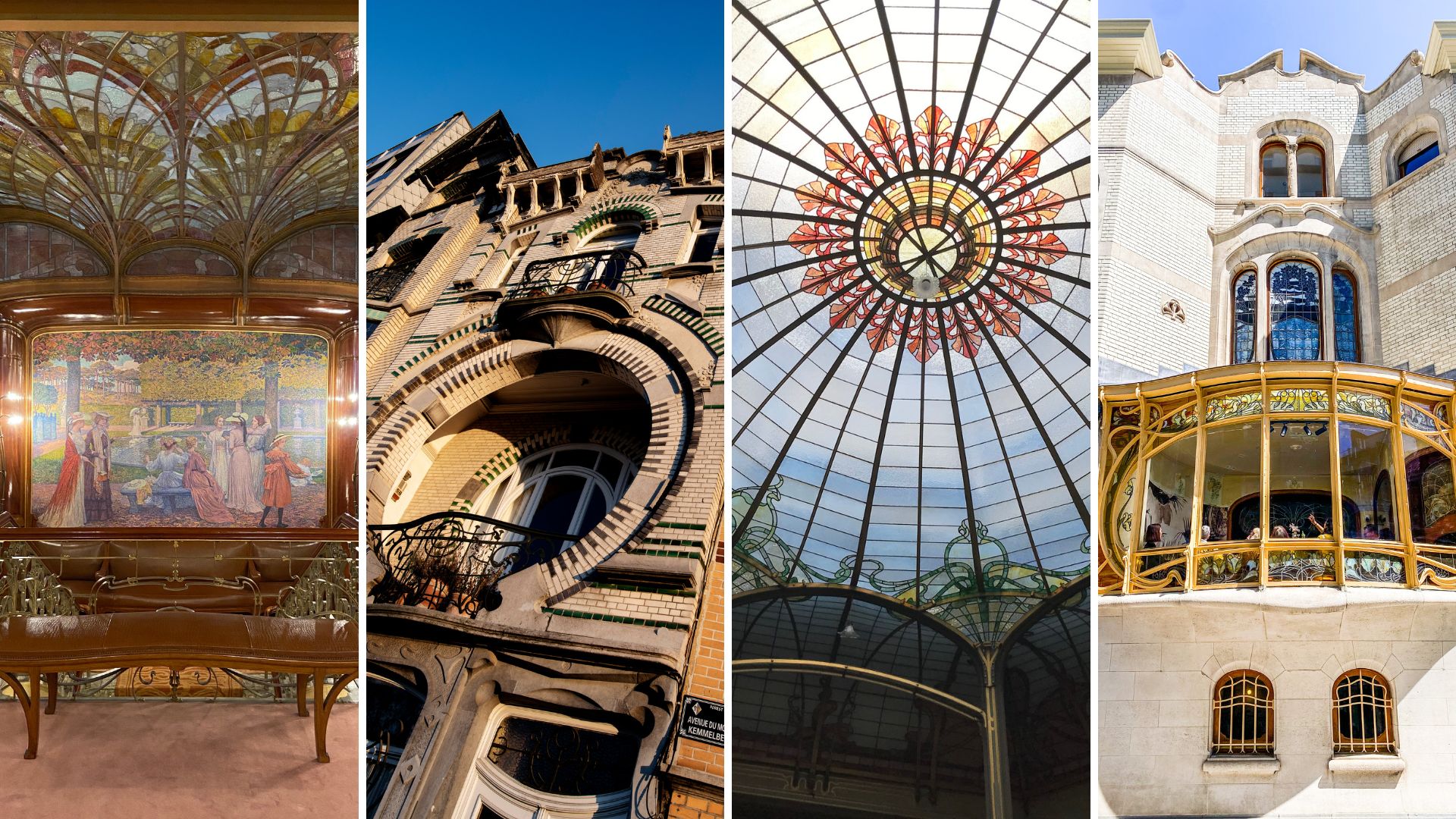
Art Nouveau in Brussels. Credit: Belga / Ans Persoons Cabinet
7. Shops shut on Sundays
Newcomers to Belgium need to remember to get their shopping in early, as most shops close on Sundays and fairly early on weekday nights compared to other countries. Supermarkets generally close at 20:00 in the evening and most close their doors on Sundays, too.
This is due to change soon, however, and plans for extending opening hours are in the works. Read more here.
8. Burst the bubble
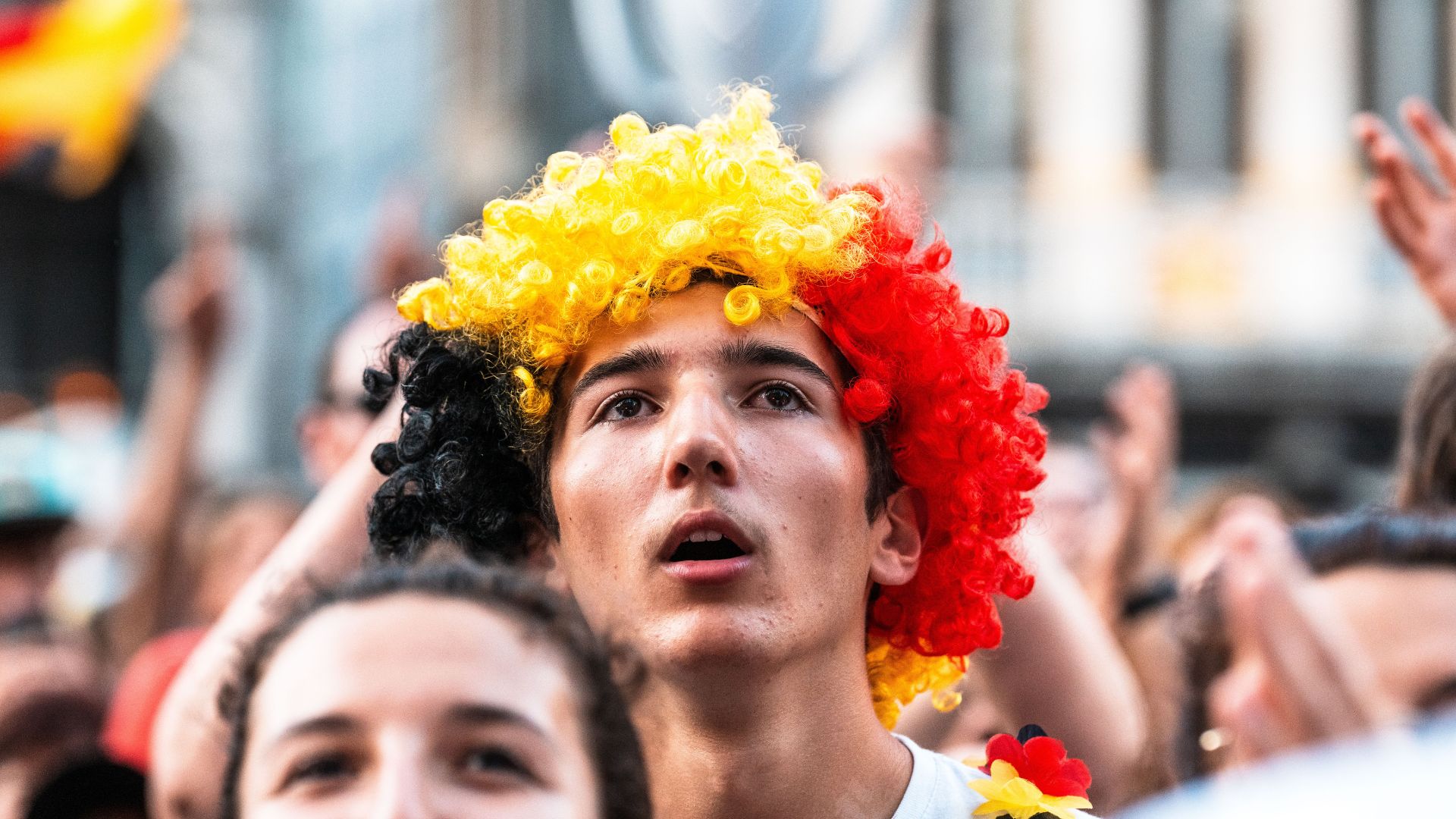
If you're new to Brussels' EU bubble, you'll know that Place du Luxembourg (also known as 'Plux') is the place to be on a Thursday night. But if you want to get out of the bubble and sample a more authentic Belgian experience, go to Saint Géry, Parvis de Saint-Gilles or Fernand Cocq.
Credit: Belga
9. There's a market every day of the week
One of the best parts about being in the heart of Europe is food markets, and in Brussels you can enjoy one every day of the week.
From the bustling bars of Place Van Meenen outside Saint-Gilles' town hall on Mondays, to Place des Chasseurs Ardenais in Schaerbeek's Plasky on Fridays and plenty more at the weekend, not a day goes by where you can't browse the stalls and fresh produce, sample a delicious meal and have a drink with friends. Read more here.
10. Tap water isn't free
One of the most frustrating absurdities of Belgian life is that tap water is not free – and bottled water can cost a bomb (as much as €8 in a restaurant in Schuman!). Some establishments now offer free tap water, but it's always worth carrying a reusable bottle on you just in case. Find a map of water fountains in the city here.
Travel
11. Plan ahead for strikes
Strikes are frequent in Belgium: there has been at least one a month since the start of the year, including week-long train strikes, school strikes, and general union strikes.
Public transport usually grinds to a halt on strike days, with few bus and tram lines running and usually only one metro, so it's best to plan ahead or arrange other forms of transport. The Brussels Times will also always give you the latest updates on traffic disruption in the days leading up to strikes and on the day itself.
12. Sharing is caring
On the theme of transport, Brussels boasts numerous shared transport options to get around town. Car-sharing companies such as Poppy and Cambio are useful for day trips to remote places or for stocking up at IKEA, for instance, and shared scooters and bikes can be used for quick and cheap journeys around town. Villo! offers unlimited bike travel for just €3.50 a month (and €4 extra for a rechargeable battery to transform it into an e-bike).
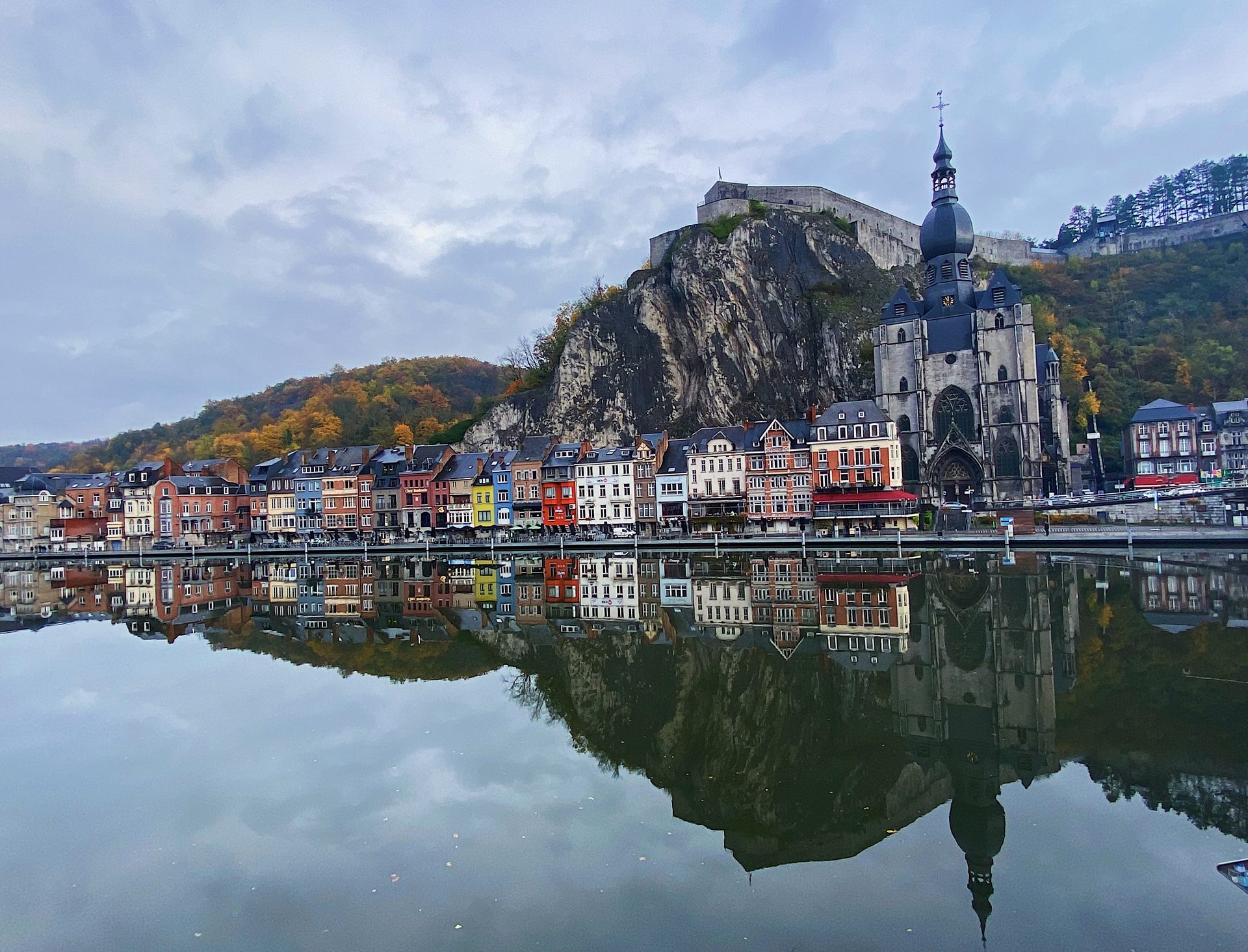
Dinant. Credit: Isabella Vivian / The Brussels Times
13. Get out of Brussels
Belgium has so much to offer, from the picturesque cliffs of Dinant to Ostend's sandy beaches. Make the most of it with a ten-journey SNCB train pass: the Youth Multi is just €64 (€62 on the app) for ten single tickets anywhere in the country, while people aged 26 and over can still save a few euros with the Standard Multi (€104 for ten singles, or €102 on the app).
If you're not willing to invest in a multi pass, take advantage of SNCB's weekend tickets which offer a 50% discount from Friday evening until Sunday (with extended validity during some public holidays).
Related News
- 30 things I’ve learned about Belgium in 30 years
- 'Expats don’t receive a lot of love in Brussels - here's why we matter'
- How Brussels has changed since I arrived here on a rainy November holiday in 1989
- Belgium to enforce nationwide school ban on mobile phones this term
- Famous Brussels music bar shuts for good after six years
- What should you do after a car accident in Belgium?
