
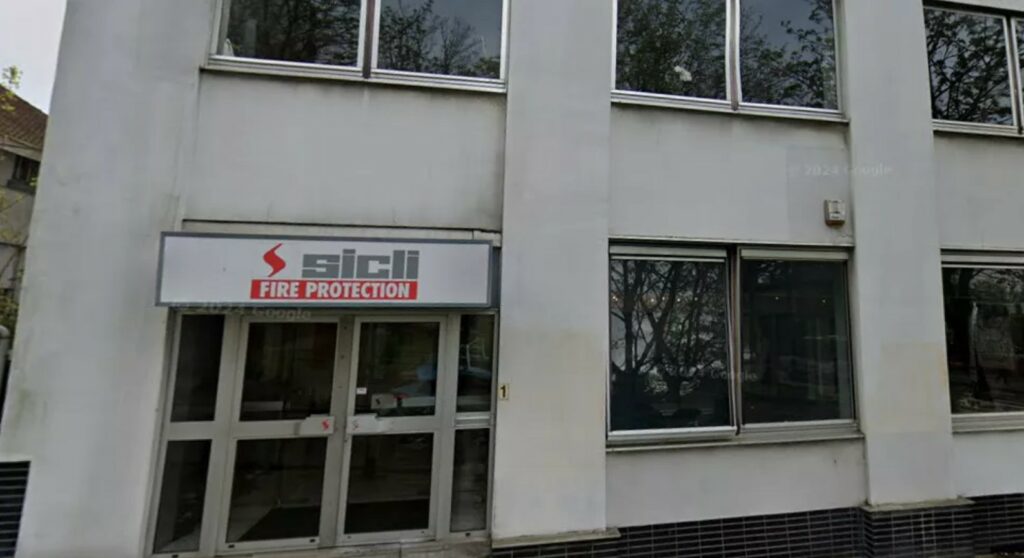
The initial results of the analysis carried out on and around the former site of the fire extinguishers manufacturer, Sicli, were presented on Thursday in Uccle by the regional environmental administration, Brussel Environment.
The measurements reveal PFAS concentrations ranging from 1.4 to 530 times the intervention standard. The highest measurement concerns groundwater, which, if not ingested, poses no danger, according to a representative of Brussel Environment.
"These initial figures confirm the seriousness of the pollution risk, but the detailed study is not yet complete," said Brussels Environment. The latter is expected to be published in early 2026.
Often referred to as "forever chemicals", PFAS are a large family of thousands of synthetic chemical compounds with non-stick, waterproof and heat-resistant properties. They don't easily degrade in the environment and can pose health risks after long-term exposure.
Eat with caution
The regional body is continuing its discussions with the owner in order to plan the evacuation of two plots of land, refine the soil study and schedule emergency work and complete decontamination "as soon as possible."
A report of infringement has already been sent to the Public Prosecutor's Office against the trustees, who did not continue the analyses after the company went bankrupt.
A third information session will be organised in early 2026, once the detailed study has been completed. An initial session was held on 2 July.
Pending the full conclusions, the authorities continue to recommend that well water should not be used and that fruit, vegetables, eggs or small livestock from gardens located within the 100-metre precautionary perimeter around the Sicli site should not be consumed.
Immediate risk reasonably excluded
In the room, around twenty neighbours of the site listened to the figures with concern. Many questioned Brussels Environment about the health risks and costs associated with further analysis. Regional representatives reiterated that, based on current data, the immediate health risk is considered "reasonably excluded", but that only the detailed study will provide a definitive answer.
Residents who decide to sell their property will be able to apply for regional decontamination grants of up to €108,000 for individuals to finance analyses and work. Once the plots have been entered in the official soil inventory, the obligations to study and remediate will fall on each private owner.
On behalf of the municipality, Environment Councillor Maëlle De Brouwer (Ecolo) said: "We are having the situation analysed by our legal department. We will wait for the detailed study before taking a position, but we are committed to supporting residents, including on legal matters."
Related News
- Cycling caravan against pesticides to set off from Brussels
- 27,000 Belgians sign petition on complete PFAS ban
- Flemish government has to decide again on Kortemark landfill permit
- Belgium's tap and bottled water 'drinkable, but be vigilant' - Testachats
Also present, José Lefever, deputy mayor of Drogenbos, asked whether the residents of his neighbouring municipality should take the same precautions as those recommended in Uccle. Brussels Environment replied in the negative, "based on the information we have today."
Representatives of the non-profit organisation We Are Nature, expressed their disappointment that chicken eggs have not been analysed, "even though they often contain the highest concentrations of PFAS."
The non-profit representatives further emphasised that it is essential to obtain a complete list of the products used by Sicli over the decades. It added that it is in the process of putting together a legal case that local residents, and even the municipality, could join in order to ask an investigating judge to order an investigation.
