
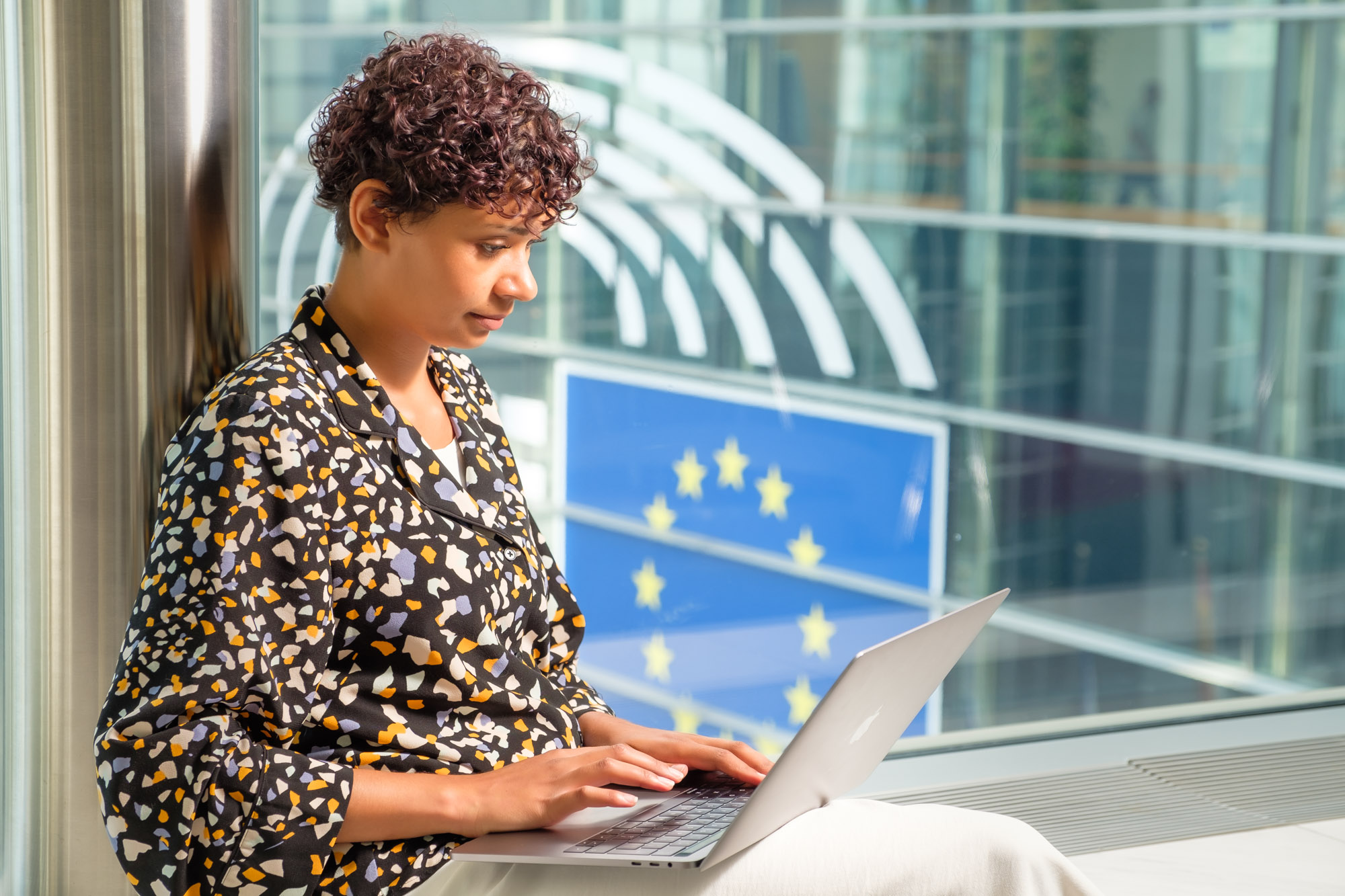
While many believe working in the EU is the place to be, for Dominique Roch, it was anything but. From being named one of "the women who shape Brussels" to leaving her Eurocrat lifestyle in search of new adventures in Germany, she speaks to The Brussels Times about her unconventional career path from the EU institutions to Berlin's booming kink scene.
Hundreds of thousands of people dream of clinching their dream job in the Berlaymont. You only need to look at EPSO's recent AD5 competition, which drew a staggering 170,000 applications.
Roch, 40, used to be one of these people. "I thought the Brussels bubble was all I ever wanted to be, and aspire to be, and everything anyone should be," she tells The Brussels Times.
Born and raised in Hamburg, Roch, who is known as Mimi and Madame M, says that when she first arrived in the capital of Europe, she thought the Brussels bubble was "the height of cool".
After completing degrees in journalism and European studies, she felt like she had "made it" upon arrival in Brussels, which she describes as the "engine room" of Europe. At the time, she felt, "You can change the world, one directive at a time."
Roch initially moved to Brussels to work as a freelance journalist. She then briefly moved back to Germany before returning to work for the European Commission's spokespersons' service and DG COMM, the EU executive's communications branch.
From there, she moved to the centre-right European People's Party (EPP) group and finally to Euractiv, where she was the chief digital officer. It was in this role that POLITICO crowned her one of "the women who shape Brussels" in 2018.
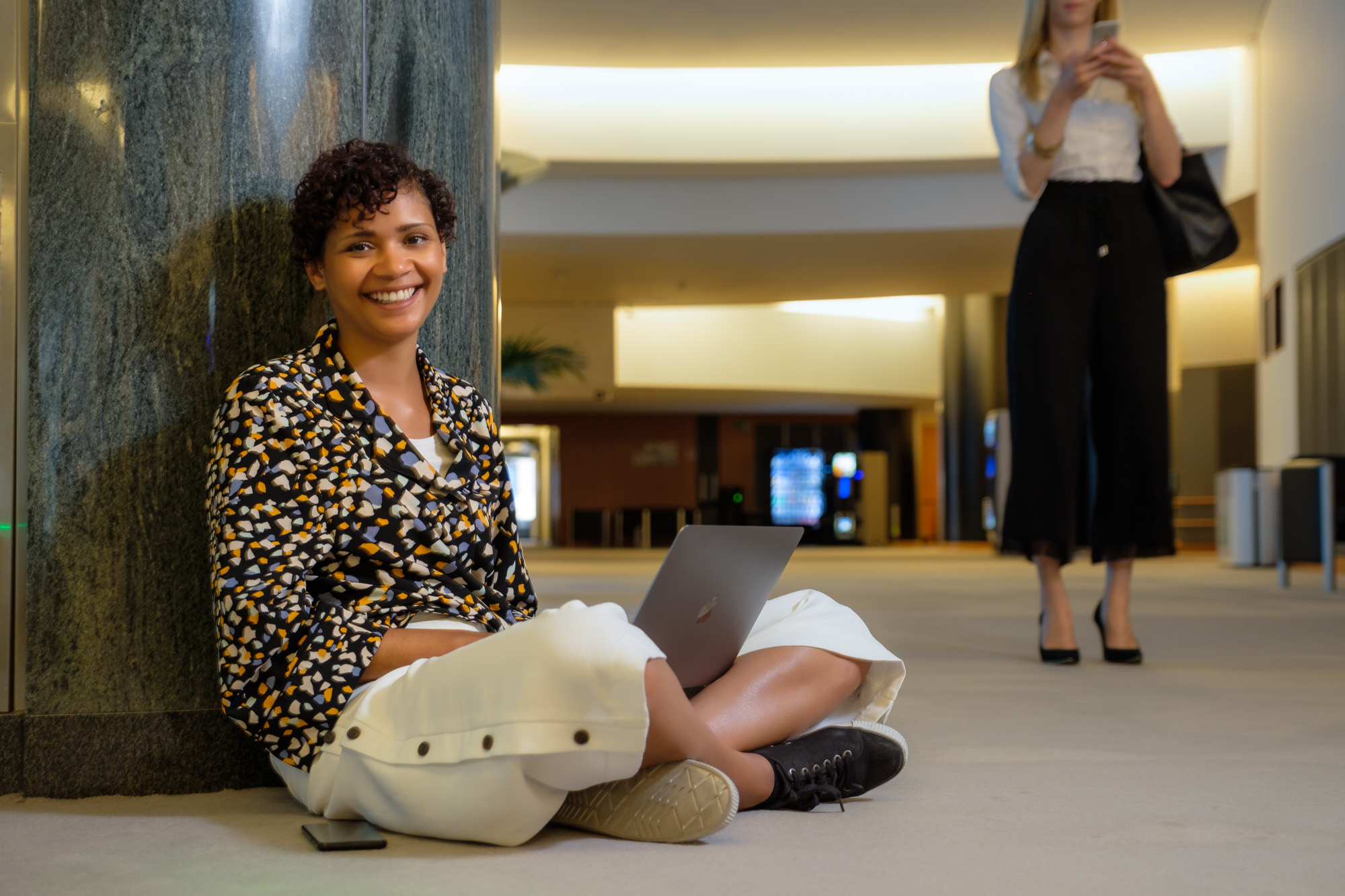
Dominique Roch working for the EPP Group in the European Parliament in Brussels in 2018. Credit: Martin Lahousse
Pushing for change and digitalisation earned her this title. "There are very few people who are brave enough to bring in a new vista, or say, you're doing it the wrong way", she says. "You don't rock the boat. You float along because that's the only way up."
In the institutions, Roch says she encountered racial discrimination. People told her she "didn't look" German, and asked why she spoke German so fluently and when she had come to Europe.
Sleazy comments from male colleagues were also "as normal as breathing air". One of her managers at the Commission, who had faced official inquiries in previous positions, was very keen on dating her, she says. He allegedly asked colleagues to set them up on a blind date. She swapped her shifts so she wouldn't be alone with him in the office, and was told: "You know what he's like".
Eventually, she was transferred to the Parliament, where she worked for the EPP. "They compensated me by allowing me to move on to a new position. So that was the trade-off. I don't make a fuss; I get to go somewhere else," she says.
The EPP suited her well and broadly aligned with her neoconservative values. It was a place where she could "still enjoy protecting the environment, and be pro same-sex marriage without betraying my conservative heart", says Roch.
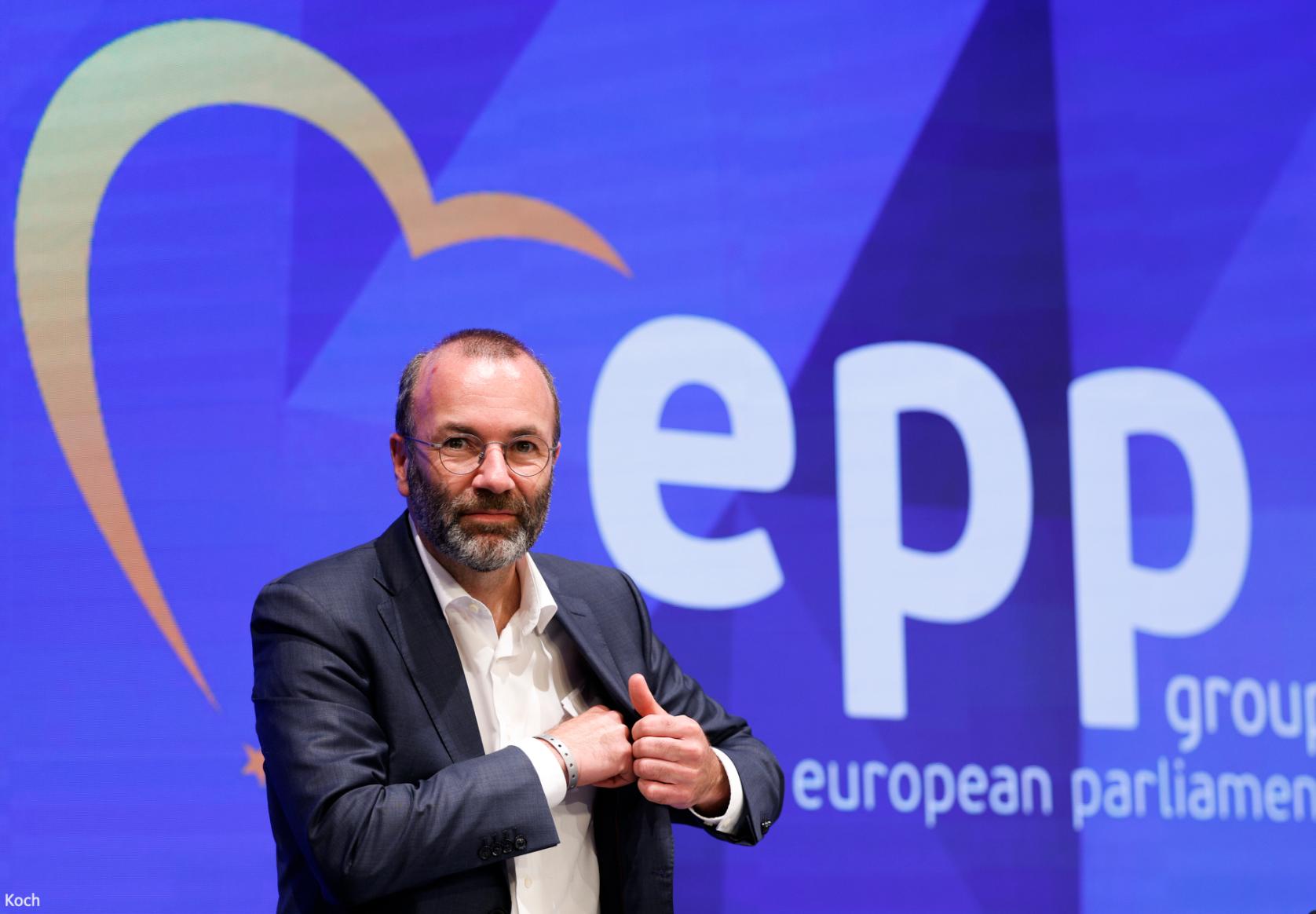
German MEP Manfred Weber, chair of the EPP Group in the European Parliament. Credit: EPP
Working in the institutions also meant brushing shoulders with high-profile figures such as EPP leader Manfred Weber, French President Emmanuel Macron, and former Irish Prime Minister Leo Varadkar.
At Kitty O'Shea's, she would chat to former British MEP Nigel Farage – a controversial figure in the UK for his anti-immigration campaigns and prominent role in Brexit, whom she describes as a "normal, friendly guy like most people".
Eventually, however, playing the game became tiring, and the work unfulfilling. The hours were long, leaving no time to socialise, and there were always after-work networking events – "so you'd be constantly on that treadmill," says Roch.
"People keep talking about this golden cage. But the Parliament, Commission, and NATO are very stressful, and your work really doesn't matter. We feel everything is so important […] and literally nobody cares."
So, after four years, she decided to return to the "real world". In 2019, she left behind Brussels' grey skies and suits and ties in search of new adventures in Berlin.
From Brussels to 'business sexy'
Despite "very conservatively" starting at the Federal Ministry of Infrastructure when she first moved to the German capital, it was through Berlin's unique party scene that she ended up swapping business casual for what she calls "business sexy".
After a latex designer asked for help building a website, Roch founded a company with three friends to support people on the erotic scene with their social media strategies.
She now gives workshops to sex workers at BDSM studios, table dance clubs and hotels, balancing it alongside her day job at the Berlin Chamber of Commerce.
She works with the federal sex worker association (Berufsverband Sexarbeit), helps OnlyFans models kickstart their businesses, and teaches table dance club owners how to implement new systems and improve their workflows.
The ex-Eurocrat doesn't shy away from what she does; rather, she speaks of it with pride and says the knowledge and experience she shares is valuable.
"I teach young OnlyFans models about data protection laws. I teach them about how to keep their books right so that they're not surprised when the tax office comes knocking." She says there is "nothing unsavoury" about what she does.
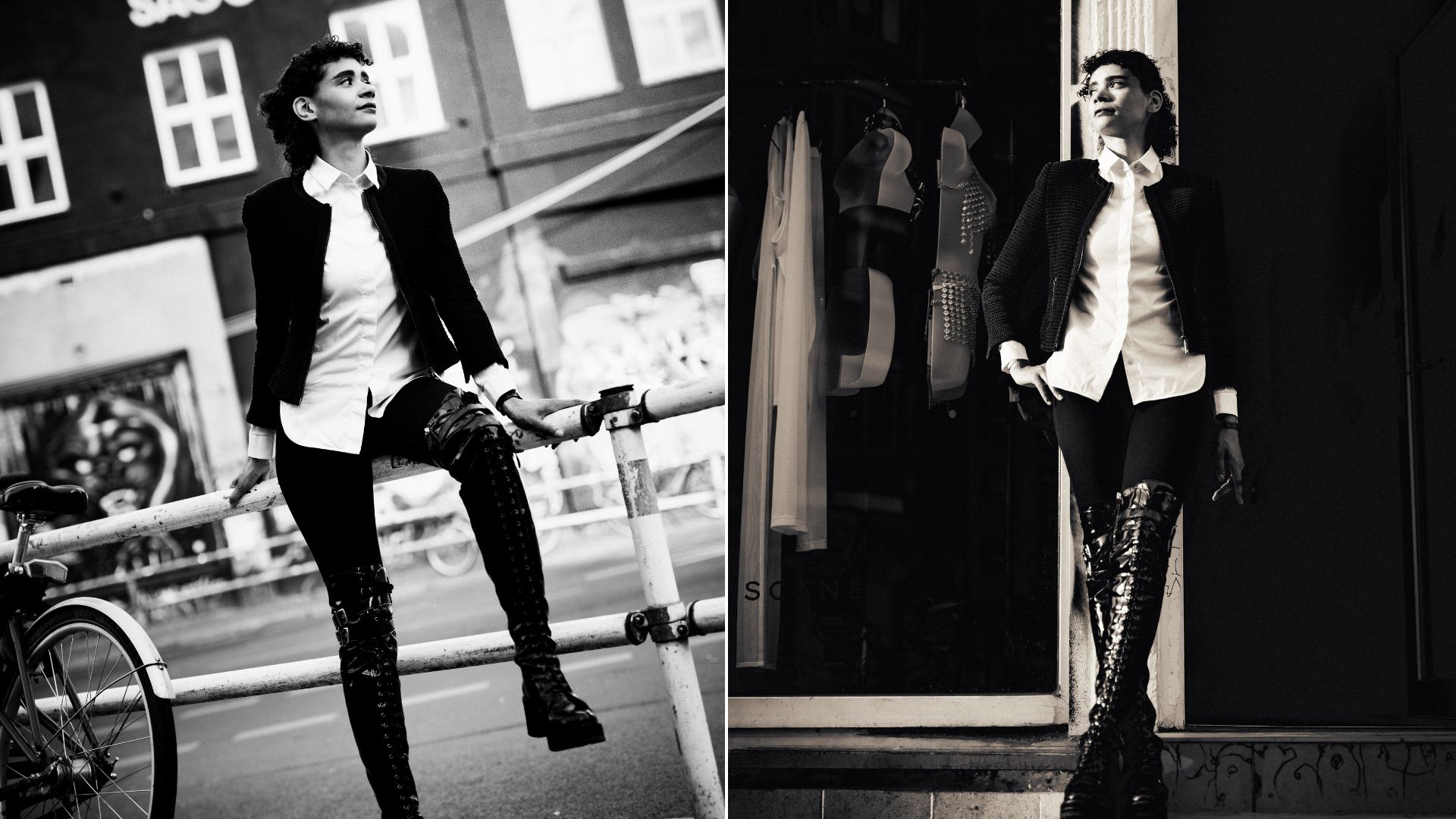
Dominique Roch pictured at the crossroads of Berlin's famous clubs, Berghain, KitKat Club and The Code, in her "business sexy" attire worn at meetings and fairs, April 2026. Credit: Sebastian's Laboratory
While she loves meeting people from all walks of life, she laments how normalised drugs and violence are in the sex industry. But this doesn't leave her feeling morally conflicted about her work – on the contrary.
"It makes me feel like I have to act," she says. "So I go in there, and I educate them. If you are in the sector, be smart about it. And have good websites and data protection."
Disneyland for grown-ups
Outside of work, Roch's life is "more or less 100% within that erotic scene": she attends "sex positive parties" every week, which she describes as "Disneyland for grown-ups", as well as erotic fashion shows, art exhibitions and films. "In Berlin, it's absolutely normal to go dancing in your underwear," she says.
This erotic lifestyle has always fascinated her, but it's something she felt she couldn't access in Brussels – not because it wasn’t there, but because of the mindset.
"There's a much more open-minded attitude to sex in Berlin than there is in Brussels. Brussels is absolutely boring. Berlin is 100% more open and relaxed about... everything," she laughs.
Far from being the prestigious "golden cage" of job security she once dreamt of, Roch now sees Brussels as a "prison" from which people long to break free. "They're all scared of what their neighbours say and think."
Too many people would pry in Brussels, and there was always a fear she'd run into her boss. "You have zero opportunity to just be yourself, without nosy eyes watching you," she says. In contrast, Berlin has a code of 'Don't ask, don't tell'.
A tale of two cities
Despite describing bureaucratic Brussels as "absolutely boring", she occasionally returns to visit friends and feels nostalgic when wandering around the EU quarter.
She misses the open-air music, techno nights at C12 and Fuse, dinners at Greek restaurant L'Atlantide, sunny evenings spent at Italian bookstore Piola Libri, and Maison Antoine's fries and spicy Samurai sauce. "I'm a dipper, so I'd get a handful of dips. That was important," she says.
As well as the fond memories, however, she also remembers struggling to make friends, as every interaction felt professional and superficial. Gruelling working hours also meant there wasn't much time for anything else, and this was partly why she left the city.
Moving to Germany came with a better work-life balance. Unlike Brussels – where she says people are more career-focused, fixated on status and hell-bent on working their way up the ladder – people in Berlin "don't have that drive" and prioritise free time and hobbies.
Related News
- 'I'm sick of having my heart broken': The over 50s looking for love (and good sex) in Brussels
- Why Belgium's new sex worker law has yet to change life on the street
- 'Love isn't a finite resource': Meet the polyamorous Belgians of Brussels
As much as Roch clings to her German roots, however, it's clear her personality straddles the two cities.
She describes herself as "laissez-faire", but in the same breath says: "I wake up and strive for excellence, so I don't try mediocre; I don't try getting by. If I'm doing something, I'm trying to deliver it to the best of my ability."
This innate ambition and drive to succeed meant she was "well placed" in Brussels, and sometimes feels out of place in Berlin, where people live life in the slow lane and think she's "overambitious".
When Germans ask her why she's such a high-flyer, she responds with: "Why are you such a slow walker?"
But despite the Belgian capital's quicker pace, she's not planning on returning anytime soon. Her heart is in Berlin, "where you can be a minister or whatever, but no one cares after 17:00".
