
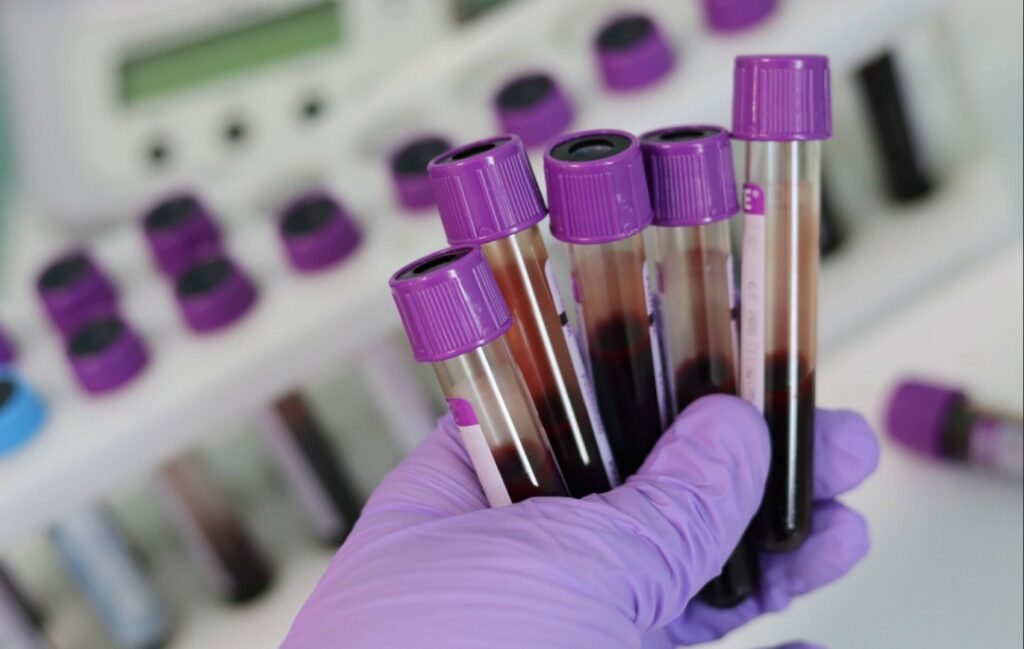
The number of HIV diagnoses per resident in Brussels is almost three times higher than the national average, according to new figures. This is due to several reasons.
A total of 662 people received an HIV diagnosis in Belgium last year. While the number of diagnoses remained stable overall, cases were particularly high in the Brussels-Capital Region, according to new figures from the Sciensano national health institute.
"HIV prevalence is generally higher in urbanised areas. This certainly applies to Brussels, which is essentially one large urban area," Jessika Deblonde, Sciensano's coordinator of HIV and STI surveillance, told The Brussels Times.
While Belgium does not have rural areas in the same way as the United States does, the country does have a mix of big and smaller cities. On top of that, Brussels is the capital – and with the presence of the EU and NATO, it is a very international one.
Not aware of being at risk
"Brussels is known for its enormous international mobility: people come and go," Deblonde said. The population is very diverse, with people from many nationalities, while certain risk groups – such as the gay community – are overrepresented, compared to other smaller cities.
"Some people choose to settle in such a city to feel more anonymous, but Brussels also has a lot of nightlife options. Some people want to settle near those options," she added.
While men who have sex with men are traditionally one of the key risk groups, the figures also showed a significant increase (+33%) in HIV cases among heterosexual men in 2024.
"Perhaps heterosexual men do not feel as drawn to prevention, or perhaps they do not have as much insight into their own risk profile because they were traditionally less affected? There are many possibilities at play here," Deblonde said.
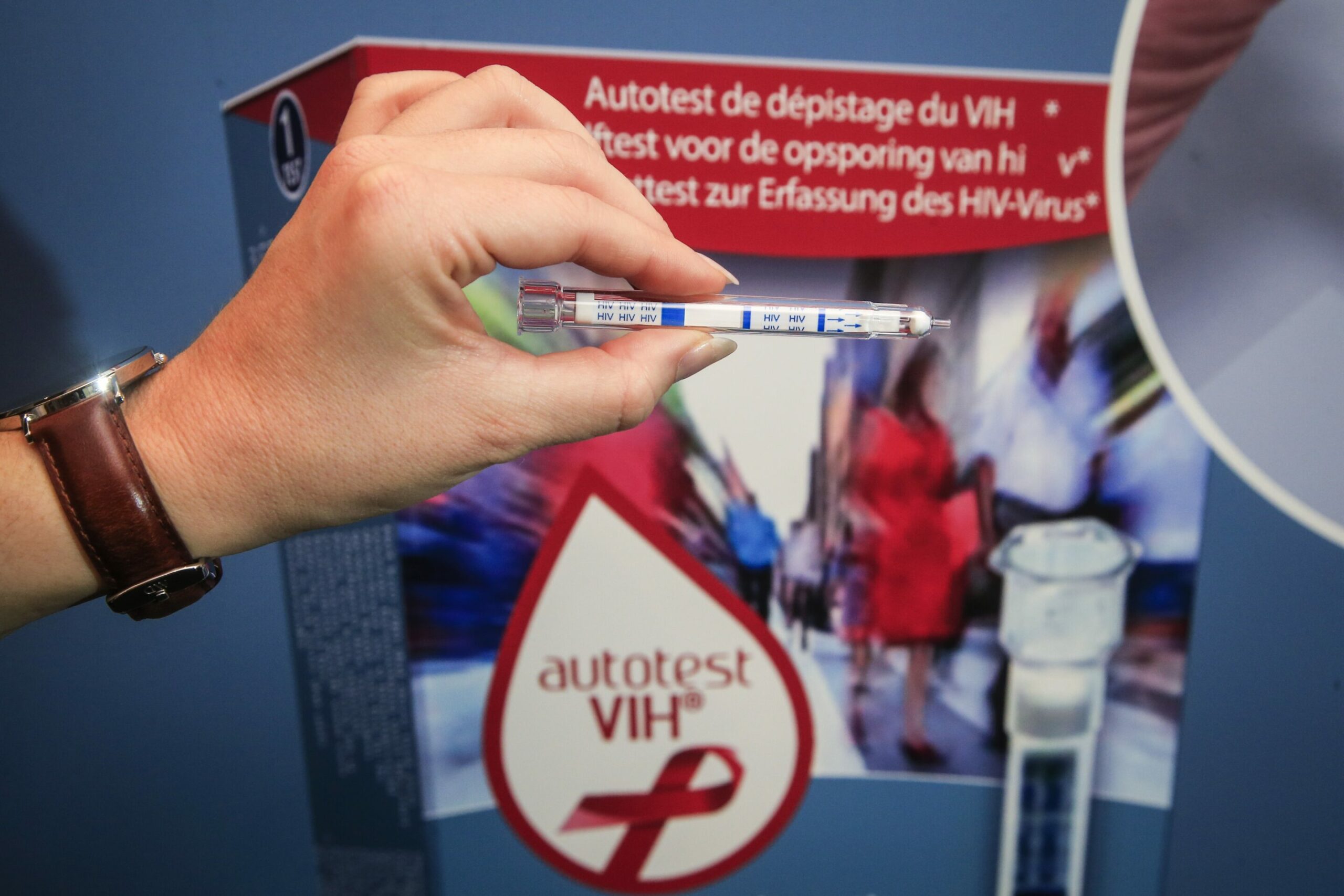
HIV autotest. Credit: Belga/Thierry Roge
Additionally, people's perception of HIV has also changed. It is no longer thought of as a fatal disease, but as something for which there are treatments and medication. "People with HIV can have a life expectancy more or less in line with that of the general population now."
That changing perception might make people less aware of the potential risks, or less inclined to resort to prevention, she suggested. "But while it is no longer a fatal disease, HIV is still a chronic and incurable one, which means remaining in care and taking medication for the rest of your life."
At the Sensoa expertise centre of sexual health, STI and HIV policy officer Veerle Doossche, is "very keen" to find out who these heterosexual men are: do they only have sex with women, or do they also have sex with men and find it difficult to discuss this?
"That could be the case, but we do not know yet. We also see that heterosexuals are less well-informed," Doossche said, stressing that campaigns have always focused on men who have sex with men, and on African communities. "Historically, most diagnoses were made in these groups. As a result, heterosexuals often underestimate their own risk, as do doctors, which means they do not automatically test for HIV."
Key populations
However, despite the sudden rise in cases among straight men, the share of gay and bisexual men diagnosed with HIV is still much higher in absolute numbers, according to the figures.
"We found that the two major key populations in the epidemic in Belgium are still the two that have been the most affected since the beginning," Deblonde said. "On the one hand, Belgian men who have sex with men, and on the other, heterosexual men and women from Sub-Saharan Africa."
Researchers are particularly concerned about these two groups, particularly because they have been key populations since the beginning of the epidemic.
While this year's national HIV figures have stabilised compared to last year, the number of cases has not declined in four consecutive years. This has resulted in new priorities being set for Belgium's national HIV plan.
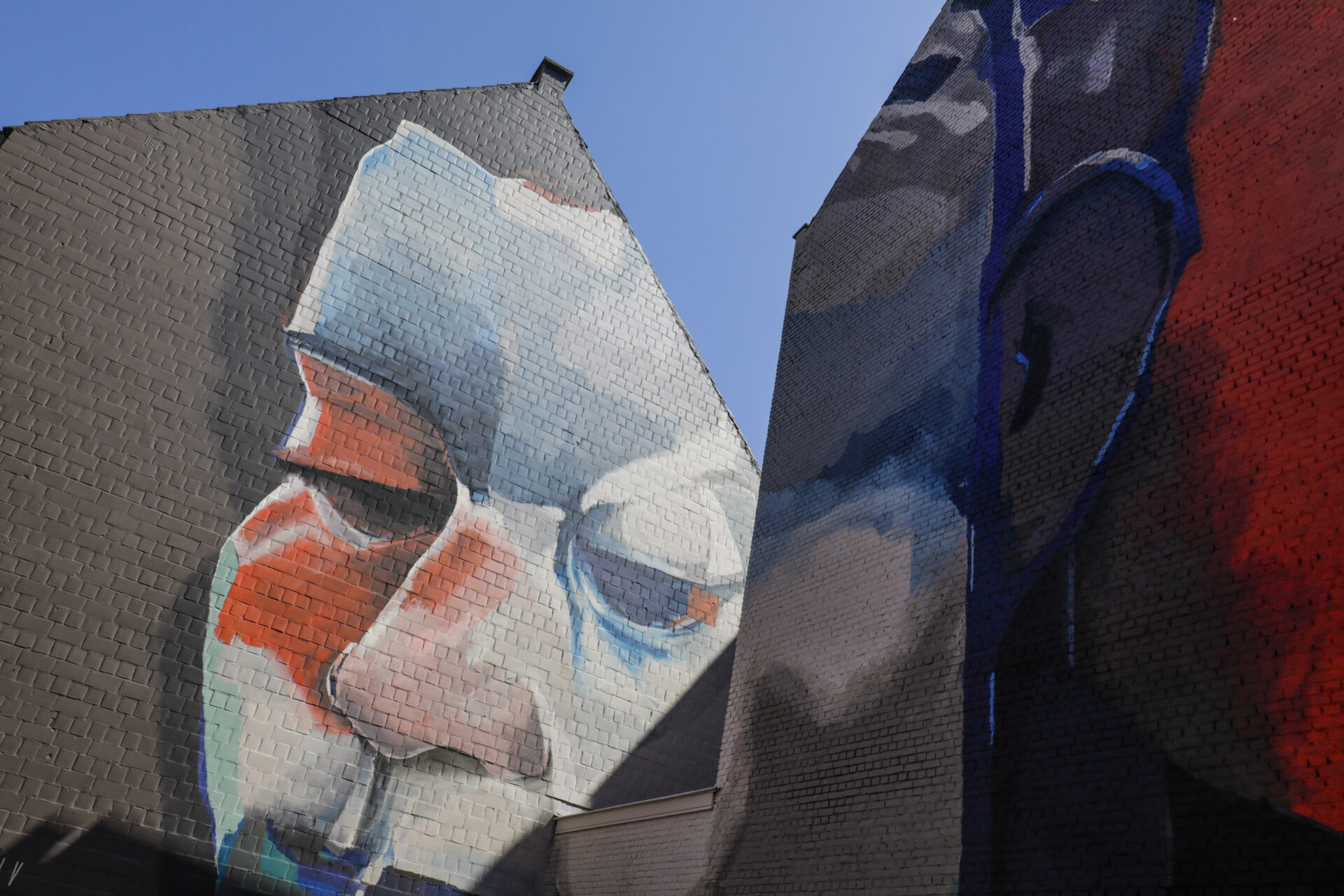
Mural against HIV-Aids, in Antwerp. Artist Larsen Bervoets painted the fresco for Sensoa. Credit: Belga / Thierry Roge
"Therefore, we presented several priorities to the health authorities, focusing more on primary prevention, raising awareness of risks, and providing information about prevention," Deblonde said.
One of these priorities was to implement a more intensive testing strategy in certain hotspots – of which there are several in the Brussels Region.
"Certain districts have been hit very hard compared to others," she said. "If we go to these hard-hit districts and mobilise all healthcare services there, such as GPs, emergency services and field organisations to test people, that could help detect people with an infection earlier."
In addition to prevention, the other aspect is early detection. "It is crucial that people with HIV are diagnosed very quickly, so they can receive care. That is important for their own health, but it is also important to stop further transmission."
Promoting condom use
If people are treated, the virus in their blood decreases to such an extent that it is no longer detectable, and can no longer be transmitted through sex.
"Another priority is re-promoting condom use," Deblond said. Sensoa's condom survey, as well as international studies, found that condom use is declining. "People are less likely to use condoms, even though they are still very effective in preventing HIV and other STIs."
Lastly, the aim is to make PrEP (pre-exposure-prophylaxis) more easily accessible through general practitioners, for example.
"Belgium has a very extensive prevention programme. So the fact that the figures are not decreasing, means that this prevention programme is not being used optimally," she said. "There could be many reasons for that."
However, HIV prevention is very complex – it is a multi-layered process, because it involves behaviour. "It is influenced by personal choices, but also by socio-economic circumstances: if someone cannot afford all those things, they do not have access to them. Behaviour cannot always be considered rational."
