
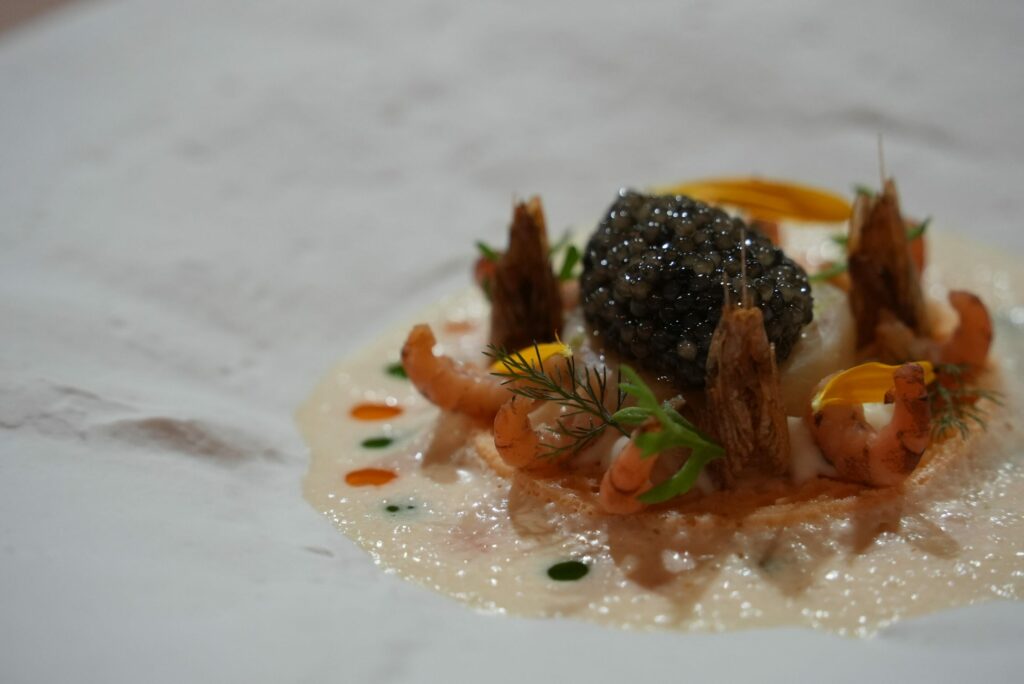
Restaurants across Brussels – including the canteens of the European Parliament and European Commission – are widely mislabelling seafood: nearly 80% of the fish served was mislabelled, according to a new investigation from ocean conservation organisation Oceana.
A decade after Oceana first exposed widespread seafood mislabelling in Brussels restaurants, a follow-up investigation shows that the problem persists. Using DNA testing, they sampled 30 fish dishes from restaurants across Brussels and found that 77% of the seafood was not identified correctly.
Tuna in particular remains highly misrepresented, with 88% of dishes incorrectly labelled on menus or misdescribed by staff.
"The highly prized bluefin tuna is often substituted with cheaper alternatives such as yellowfin and bigeye tuna, or even completely different species like Atlantic salmon or swordfish," the investigation reads.
Tuna, squid, calamar
Prices also reflect this deception: dishes advertised as bluefin tuna averaged €15, while genuine bluefin tuna dishes cost nearly double.
"Ten years after our first investigation, consumers in Brussels are still in the dark about some of the fish they eat in restaurants," said Marine Cusa, Policy Advisor at Oceana in Europe.
"Currently, under EU legislation, restaurants, hotels and mass caterers are not required to provide basic seafood information, such as species, origin or catch method," she stressed.
The federation for the hospitality sector in Brussels, Horeca Brussels, confirmed that restaurants are not subject to the same labelling obligations as supermarkets; the regulatory framework mainly applies upstream in the supply chain (producers, importers and wholesalers).
"However, restaurateurs must still provide clear, accurate and non-misleading information to consumers. What is written on the menu must strictly correspond to what is served," Martin Stameschkine, Horeca Brussels' Communications Officer, told The Brussels Times.
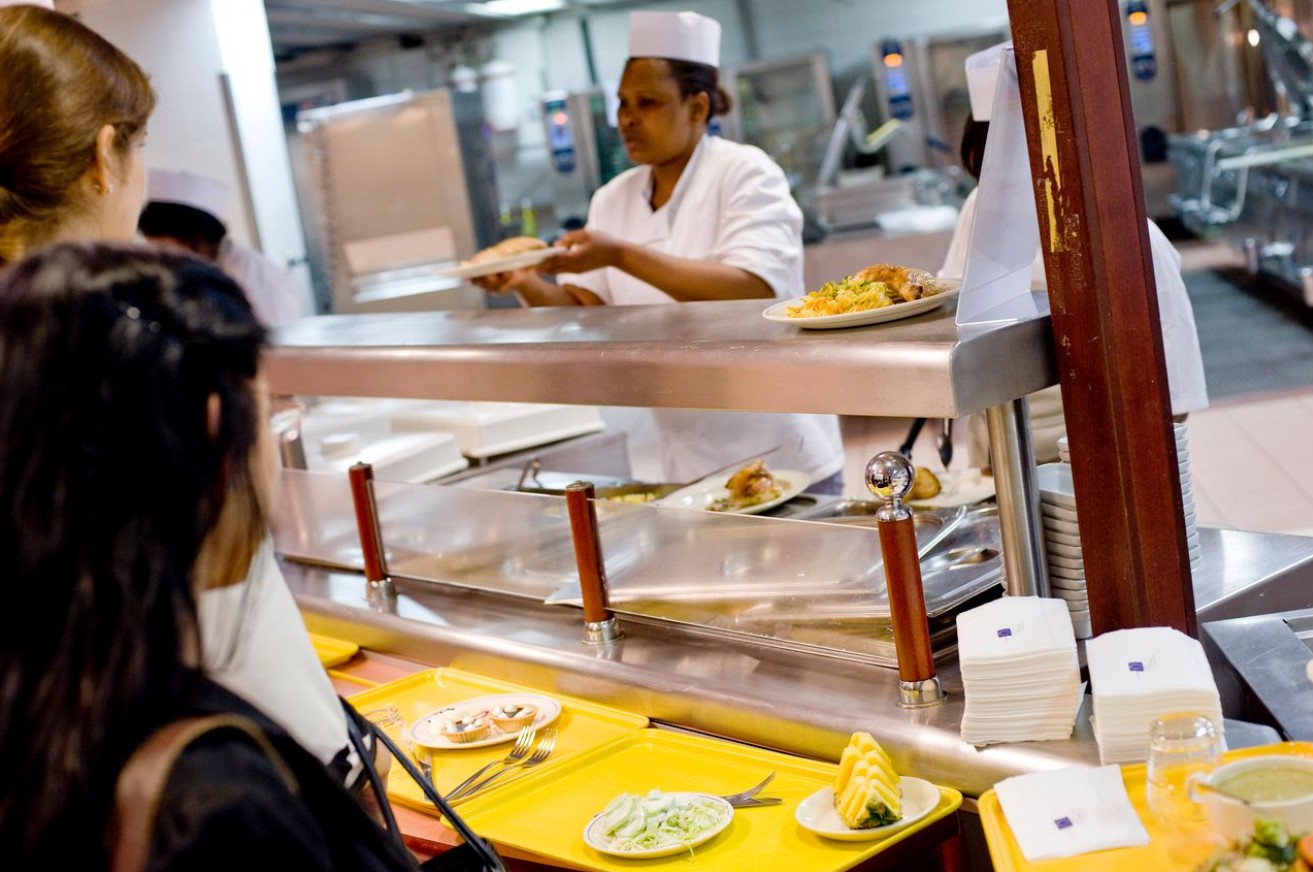
Illustration image of the European Parliament canteen. Credit: European Parliament
Additionally, restaurants are also required to comply with traceability obligations (such as keeping invoices, delivery notes, supplier information, batch numbers), which must be presented in case of inspection.
Stameschkine stressed that the federation has not received any formal complaints from customers concerning seafood mislabeling. He also added that when fraud occurs, it often originates "upstream" in the supply chain. "As a result, restaurateurs may themselves unknowingly become victims."
The focus of Oceana's study was largely on tuna, but samples were also taken in the canteens of the European Parliament and European Commission. While these venues voluntarily displayed precise labels with the common and/or scientific names of the fish species, two in six samples were found to be mislabelled.
Fraud in the supply chain
Oceana also tested 34 squid dishes sold in restaurants in Brussels (including the canteens of EU institutions) and found that squid labelling is equally non-transparent.
Despite being a diverse group of over 300 species, squid dishes in Brussels are almost universally sold under generic names like "squid" or "calamari."
DNA tests revealed that 55% of squid samples in Belgium were jumbo flying squid – a species that has been linked to both illegal fishing and human rights abuses, depending on the nationality of the fleet that targets it. Yet, no restaurant could identify the species served.
Horeca Brussels fully supports stronger transparency and effective controls throughout the entire supply chain – especially at the import and wholesale levels. However, responsibility should not be "unfairly shifted" onto restaurateurs without giving them the appropriate tools.
"Transparency is essential for consumer trust and for the credibility of our sector. Fraud must primarily be tackled where it occurs: upstream in the supply chain," said Stameschkine.
"The vast majority of restaurateurs act in good faith and rely on the information provided by their suppliers," he said. "They cannot be expected to carry out DNA testing themselves. Stronger controls at import and wholesale levels would protect both consumers and honest operators."
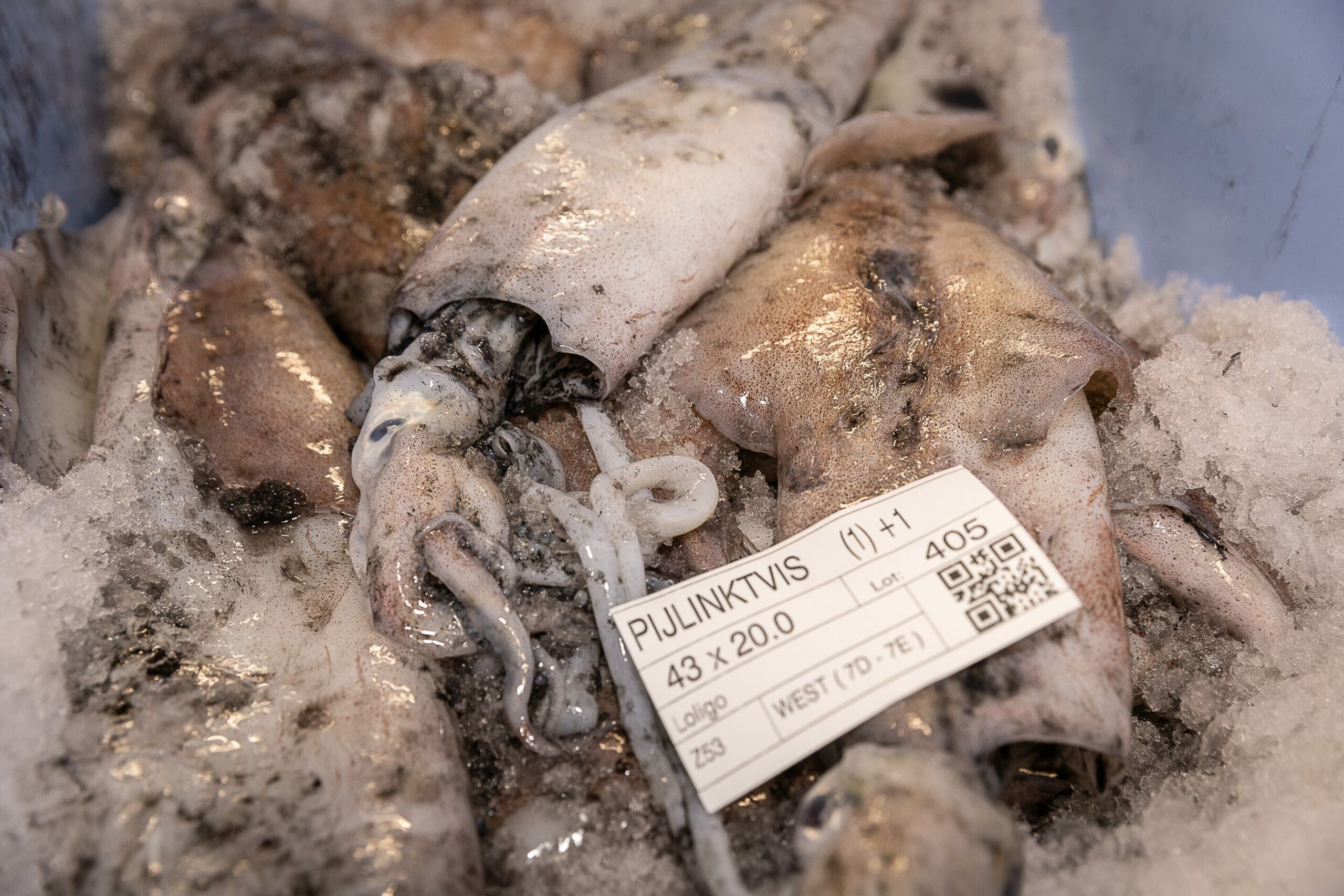
Squid. Credit: Belga/James Arthur Gekiere
Following this study, Oceana demands that the EU strengthen its current legislation to ensure that all seafood, including that served in restaurants, has basic information available.
"This lack of transparency undermines consumer choice and can possibly enable some products associated with illegal fishing or human rights abuse to enter the EU market," Oceana's Cusa said.
Currently, EU requirements on seafood consumer information (included in the regulation on the Common Market Organisation for fisheries and aquaculture) are only mandatory for fresh and frozen products sold by retailers, fishmongers, and market stalls.
Therefore, Oceana calls on the EU to strengthen information requirements for all seafood products, including those sold in restaurants, cafeterias, and hotels – closing "major loopholes that enable mislabelling and illegal fishing."
Restaurants, cafeterias, and hotels account for roughly 30% of seafood consumed in the EU, but transparency measures on the products sold in these establishments are nonexistent. This, the study said, leads to "absent," "incorrect," or "misleading" seafood labels.
"Without information on species and their origins, consumers cannot make informed choices and are at risk of buying a product they might otherwise reject," Oceana said.
