
The Flemish Minister for Brussels, Cieltje Van Achter (N-VA), has selected ten projects as part of the 'ToTaalplan Nederlands' (Total Dutch Plan) to strengthen the use of Dutch in the Brussels-Capital Region.
This plan will be implemented in a variety of areas, including care and welfare, family and children, youth, work and entrepreneurship across the region.
"Our Flemish capital is bilingual, and anyone who lives, grows up, studies, works or needs care here must be able to communicate fully in Dutch," said Cieltje Van Achter (N-VA), Flemish Minister for Brussels, in a press release.
The selection of projects is part of the call for 'Learning opportunities, practice opportunities and opportunities to use Dutch in our capital' projects, within the Dutch plan.
According to Van Achter, there was "an enormous response" to the call for projects. She selected ten.
Emergency workers and after-school debates
They include strengthening the Dutch language skills of emergency workers at the Europa Hospitals, guiding Brussels-based (future) healthcare professionals through the House of Health, and embedding Dutch in family care through Family Help, all of which aim to strengthen Dutch in the healthcare and welfare sector in Brussels.
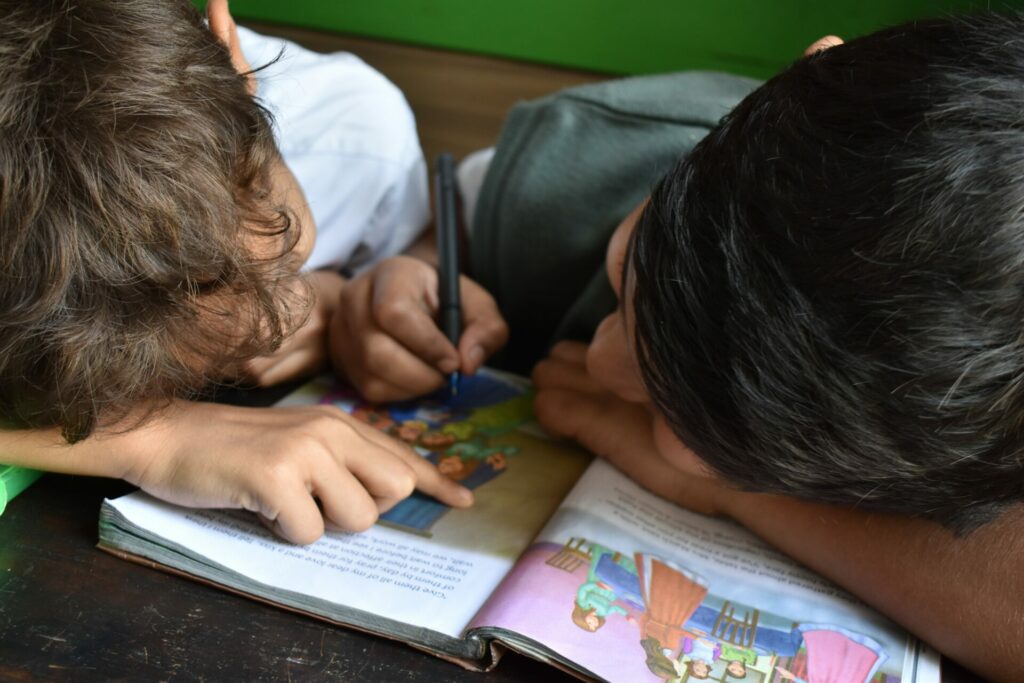
The "Reading is a superpower" project by the Flemish Community Commission is also among the lucky ones. It connects the Dutch-language library network, education, childcare and family support to strengthen reading among 0 to 18-year-olds.
"Debateville" also received some recognition, bringing the weekly Dutch-language after-school language and debate programme for children from the fourth year of primary school to Anderlecht.
In the municipality of Jette, the "Jetse Taalprikkels" project receives Flemish support. "Het Kunstkot - project Kunstket" is also among the selection.
In terms of work and entrepreneurship, Van Achter also selected the "Taalboost" project by Syntra Brussels in collaboration with CVO Lethas, which focuses on developing a practical NT2 programme (B1-B2 levels) tailored to start-up and active entrepreneurs in Brussels. The project provides Brussels job seekers with the necessary language support.
"Dutch must be present, accessible and functional in all areas of life in Brussels," Van Achter stressed.
Related News
- Dutch to become compulsory for pupils in French-speaking Belgium
- Dutch-language Brussels government deal now available – six days after French version
- New Brussels Minister-President already in hot water for poor Dutch skills
- Rage-bait: Meet the influencers calling Brussels the 'worst city in Europe' just for views
