
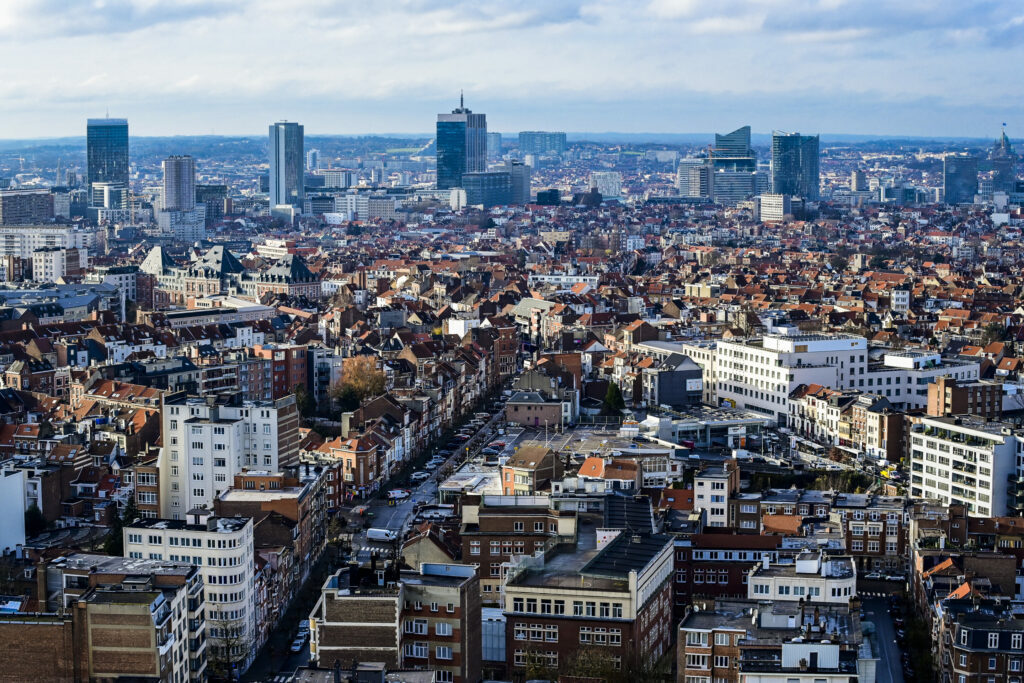
To better prepare residents for potential crises or emergencies, Brussels has identifies the most likely and significant risks for the Capital Region, and compared them with the public's perception of risk.
To ensure a coherent and coordinated regional policy "for a safe Brussels for all residents, commuters and tourists", regional coordination body safe.brussels brings together and supports the relevant stakeholders in the region.
"Assessing risks is always the first step in being well prepared for emergencies. This analysis, drawn up in collaboration with 21 organisations, helps us to make the Brussels-Capital Region safer," said Brussels Minister-President Boris Dilliès (MR).
Brussels is a highly urbanised, densely populated area at the heart of Belgium's political, economic and international activities. As a result, it is exposed to various risks.
The analysis by safe.brussels, based on extensive collaboration between 21 regional and federal organisations, identified four main categories:
- Natural risks: heatwaves, storms, floods and cold spells. Climate change is increasing the frequency and intensity of extreme weather conditions;
- Economic and technological risks: fires in high-rise buildings, incidents involving public transport infrastructure, incidents involving hazardous substances or damage to energy infrastructure;
- Health risks: epidemics or pandemics, pollution spikes, and diseases that can be prevented by vaccines (due to climate change, vector-borne diseases are having an ever-increasing impact),
- Malicious risks: cyberattacks, sabotage of infrastructure, attacks on vulnerable targets or deliberate disruption of essential services.
A guide for stakeholders
The agency stressed that risk analysis is both an objective assessment of the current situation and a tool for decision-making. It can serve as a guide for mitigating risks and their consequences, prioritising and developing emergency plans, and raising public awareness and preparedness.
"Every society faces risks, and it is our duty to prepare for them. To manage risks, you must first understand them," said Sophie Lavaux, Governor for Crisis Management in the Brussels-Capital Region.
"This analysis, coordinated and prepared by staff at safe.brussels, is intended to serve as a guide for stakeholders in the Brussels Region to anticipate the most damaging scenarios and prepare to respond effectively in the event of an incident," she said.
In total, 42 risks were assessed according to the likelihood of occurrence in the coming years, and their potential impact (both human and societal).
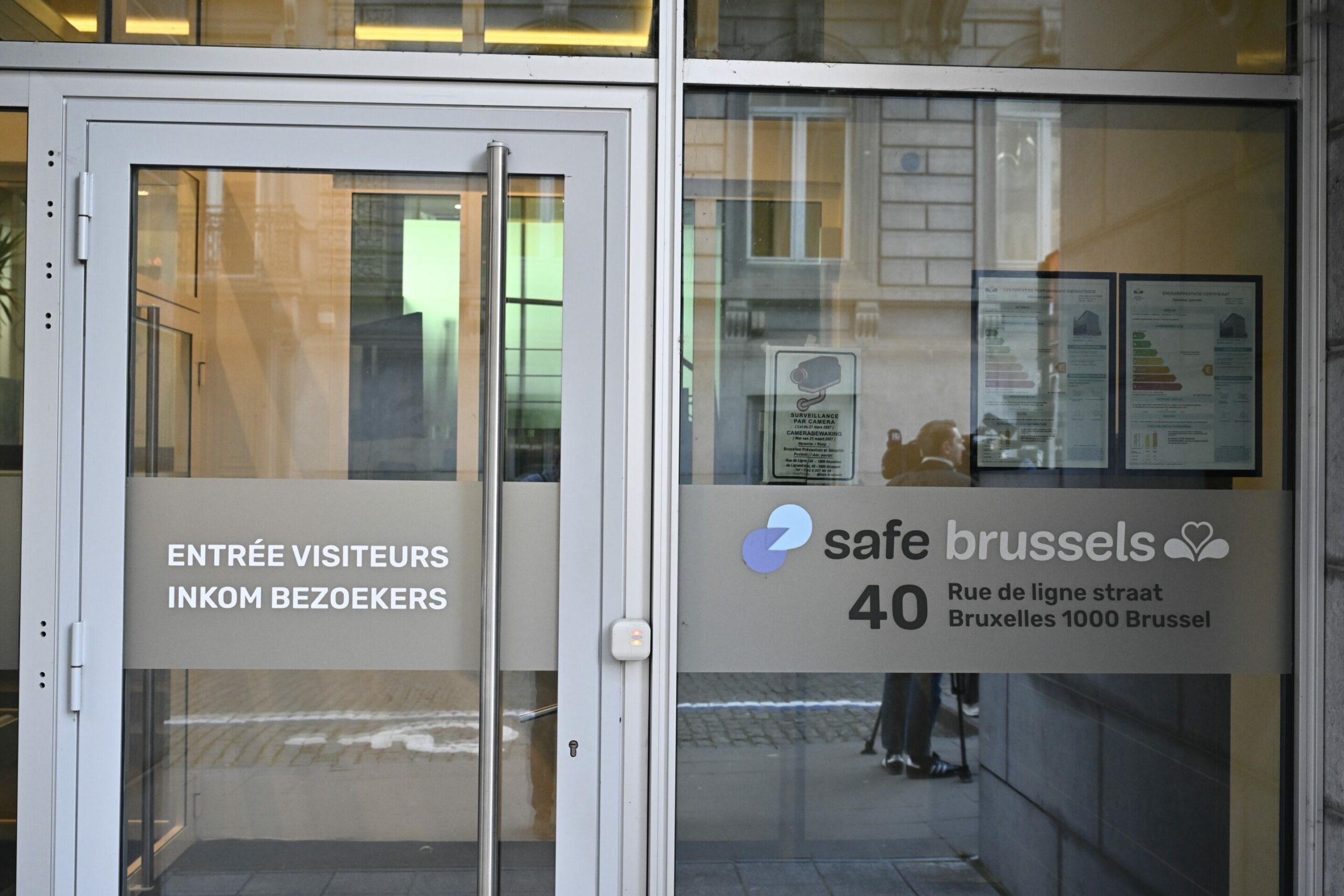
Safe.Brussels headquarters pictured ahead of a meeting of the Regional Security Council, Wednesday 04 March 2026 in Brussels. Credit: Belga/Eric Lalmand
The safe.brussels Observatory also surveyed residents and commuters in the Brussels Region regarding their perception of risk as part of the 2025 Regional Safety Survey.
For the first time, citizens’ perceptions could be put next to expert assessments. This comparison found that while risks such as cybercrime and climate events are well identified, others (floods, large-scale power cuts and pandemics) are underestimated.
The agency stressed that these lessons will serve as a guide for future awareness campaigns.
Importantly, the public can also play a role in risk management, the agency stressed. It invites all Brussels residents to discover the risks and the preventive measures the public can take to limit the consequences, and familiarise themselves with and follow the information channels used by the authorities and emergency services.
Residents are also being urged to register with BE-Alert, adopt the correct reflexes in the event of an incident, and take part in BRU-response and sign up for the municipal citizen reserve.
The results of this analysis will be directly incorporated into the priorities of emergency planning for the coming years. A large-scale campaign will also be launched to share the key findings and strengthen collective resilience.
