
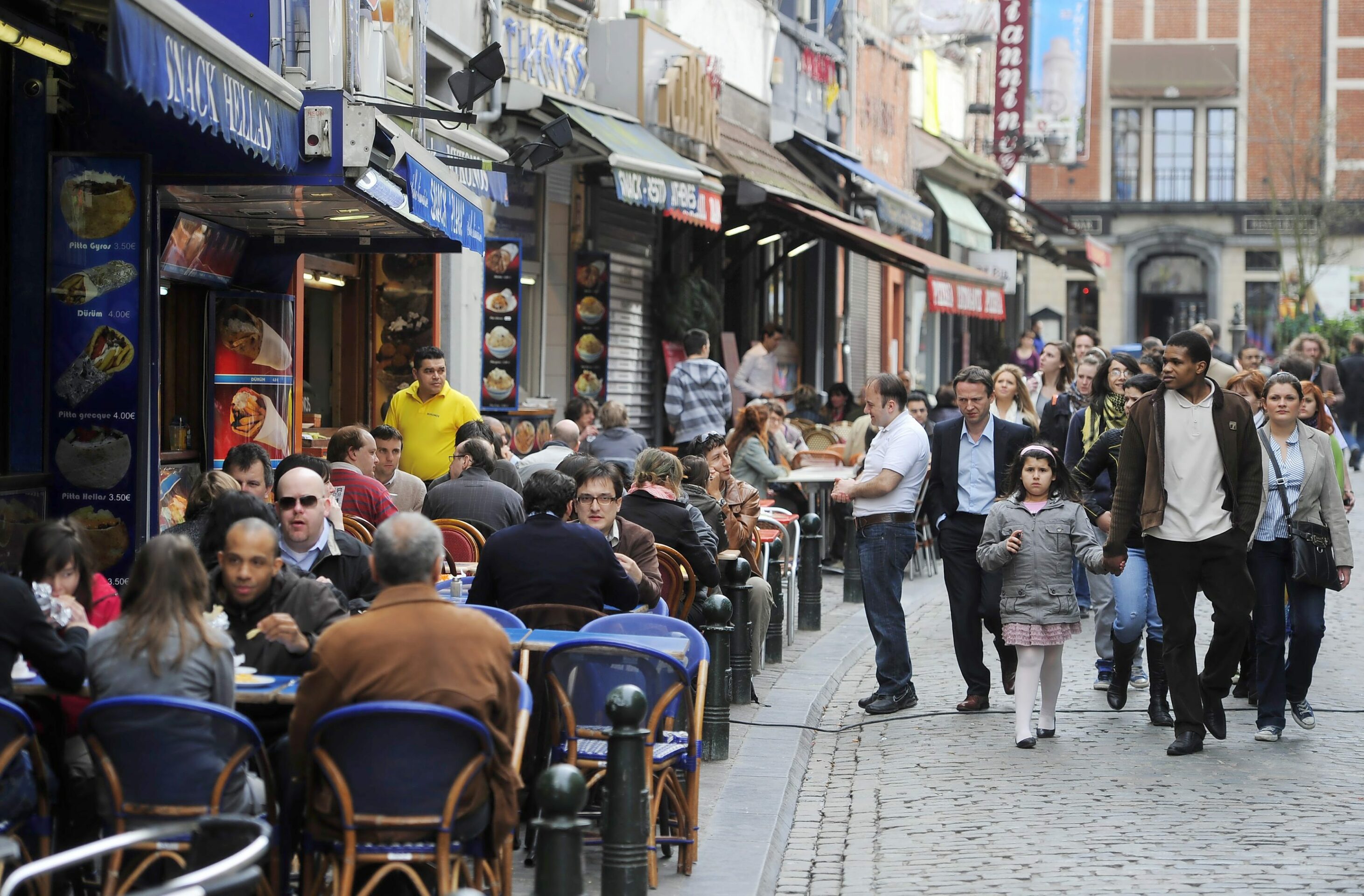
As Belgium celebrates its National Day, the country's capital is once again in the spotlight. But beyond its multilingual institutions and international image, Brussels also has a language – or perhaps more accurately, a way of life – that many residents fear is fading, yet refuses to disappear: Brusseleir.
Often described as the traditional Brussels dialect, Brusseleir is much more than a mixture of French and Dutch. For those who still speak it, it embodies the city's humour, self-deprecation and famously surreal spirit.
"It's not just a language, it's a mentality," says to The Brussels Times Geert Dehaes, director of the association Brusseleir!, which has been promoting the dialect since 2013. "It's a way of being, a joie de vivre. We laugh at ourselves, we use humorous and surreal expressions. Brusseleir is really an expression of the Brussels mindset."
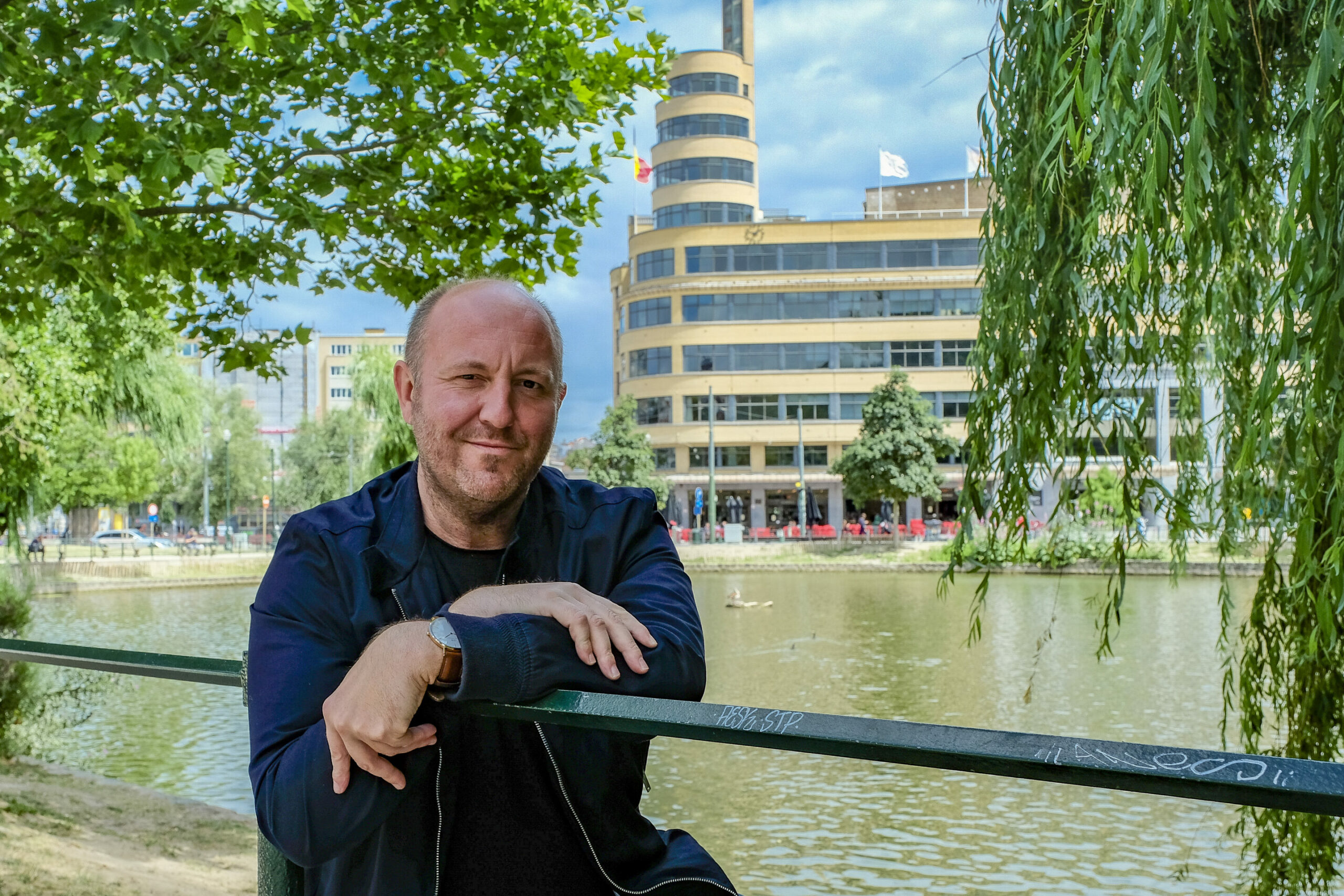
Geert Dehaes. Credit: handout
A living dialect - not a forgotten one
Contrary to popular belief, Dehaes insists Brusseleir is not a dead language kept alive only by enthusiasts. "It still exists naturally," he says. "Many people who left Brussels for the surrounding municipalities still speak it. They're not only elderly people, there are young people who are interested in speaking Brusseleir too."
He believes the dialect may even be heard more often in Brussels' outskirts than in the city centre itself, although no official figures exist.
Historically, Brusseleir developed as a Brabantian Dutch dialect before gradually incorporating hundreds of French words as Brussels became increasingly bilingual. Rather than simply borrowing vocabulary, speakers adapted French words to Dutch pronunciation and grammar. A French verb such as réparer became repareire, while bouger turned into bougeire.
The language of 'zwans'
Perhaps nothing illustrates Brusseleir better than its colourful expressions. Rather than saying someone is extremely thin, Brusseleir speakers might say Zan broek goêt allien voesj - literally, "his trousers fall down by themselves" because he is so skinny.
These exaggerated, often absurd metaphors are typical of what Brussels residents call zwans: a uniquely Brussels form of humour built on irony, wordplay and the ability to laugh at oneself.
According to non-profit Brusseleir!, this playful style reflects centuries of cultural mixing in a city that has welcomed people from across Europe and, today, from around the world. Brussels is home to more than 180 nationalities and over 100 languages, making the dialect itself a product of continuous linguistic exchange.
Keeping the dialect alive
Brusseleir! works to ensure the dialect continues to be heard by organising theatre performances, cultural events and academic projects. Every year, it also awards the title of Brusseleir(s) van't Joêr (Brusseleir of the Year) to someone who embodies the Brussels spirit.
This year's recipient was 10-year-old Uccle resident Adem Schol, who was recognised for transforming a neglected alleyway into a green, welcoming public space.
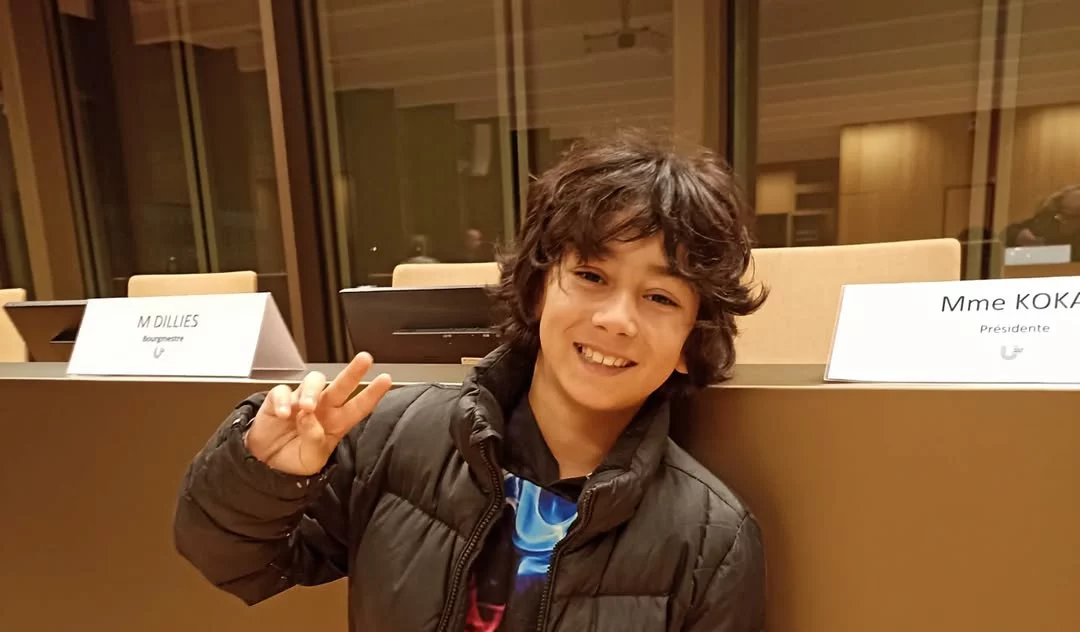
Adem Schol at Uccle commune after meeting culture councillor Perrine Ledent. Credit : ruelle_d_adem
The association also publishes a quarterly magazine and operates the Et Oeis van 't Brussels (House of Brusseleir) on Rue de Flandre, where visitors can learn more about the dialect and its history.
More recently, it has also turned to social media. Working with a young Brussels-based communications company, it produces short videos for Instagram, TikTok and YouTube explaining iconic expressions such as Putte van de koesj ("Don't touch me") in the hope of introducing Brusseleir to younger generations.
Its website also includes an online vocabulary section translating everyday words from clothing and animals to numbers and the months of the year into Brusseleir.
Still heard across Brussels
Although Brusseleir is no longer an everyday language for most Brussels residents, it can still be heard in certain corners of the capital. Dehaes points to football matches involving clubs such as RWDM and Union Saint-Gilloise, neighbourhood associations in communes including Koekelberg, and popular events such as the Bal National and Resto National held around Belgium's National Day.
The dialect remains particularly associated with the north-western part of Brussels, including Jette, Koekelberg, Anderlecht and Molenbeek, as well as nearby municipalities such as Wemmel and Dilbeek. "You don't hear it as much in places like Uccle or Woluwe," Dehaes says. "It's really typical of north-west Brussels."
A language for tomorrow?
Brussels has changed dramatically over recent decades, and French and Dutch are no longer the mother tongues of many of its inhabitants. Yet Dehaes believes there is still room for Brusseleir in this multilingual city. "I meet many young people who tell me: 'It's a shame my parents never taught me, because I'd like to speak it,'" he says.
He does not expect future generations to use the dialect exactly as their grandparents did. Instead, he hopes they will adopt some of its words, expressions and humour within Brussels' modern linguistic mix.
Asked what makes someone a true Bruxellois today, Dehaes smiles. "I think a Brussels person should speak French and Dutch," he says. "And even three languages."
The third one? "Brusseleir. That's the most important one."
