
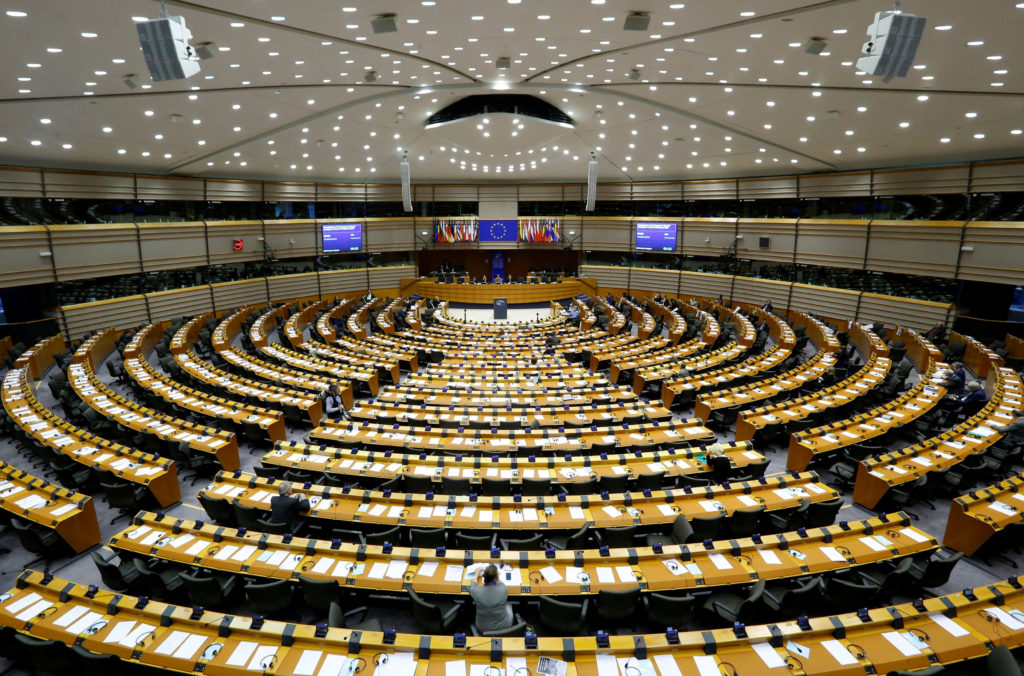
Have you ever wondered if certain Members of the European Parliament are actually doing their job? You are not alone.
Despite the fact that an MEP earns nearly €11,000 gross per month (around €8,500 net) – money that comes out of the Parliament's budget – many of them do not always show up for work. Now, it is easier to find out who does (and who doesn't) pull their weight.
"There is a lot of public information in the EU, but it is incredibly difficult to find it. In general, I do not think we have enough transparency at the EU level," Alex Monéton, who built the WhereIsMyMEP.eu website out of frustration over the lack of transparency, told The Brussels Times.
The idea came to Monéton, who lives in Nice (France), when he wanted to find out more about what his local council was doing, but could not really find the information in one convenient place. "If it is already this hard in a small city like Nice, then what happens at the EU level? Do we really know what is going on?"
A call for transparency
While the information on Monéton's tracker is all publicly available on the European Parliament's own website, it takes quite some time and dedication to sift through all the necessary documents. "The information is just really hard to find. That is not normal for a place that we want to call transparent."
"We elect MEPs, and we do not really know what they do for the next couple of years. And no one seems to really interrogate that," he said. "I wanted to try to create a tool for citizens to see whether their own deputies show up to vote or not. And if they don't, maybe we could address that?"
The website has a Leaderboard, which lists the MEPs in order of attendance, and states how often they were present, what country they are from and which party they represent.
"The only information citizens have about whether an MEP showed up or not is whether they voted. So I equated it like that: voting means showing up," Monéton said. Abstaining from voting counts as present, not voting counts as absent.
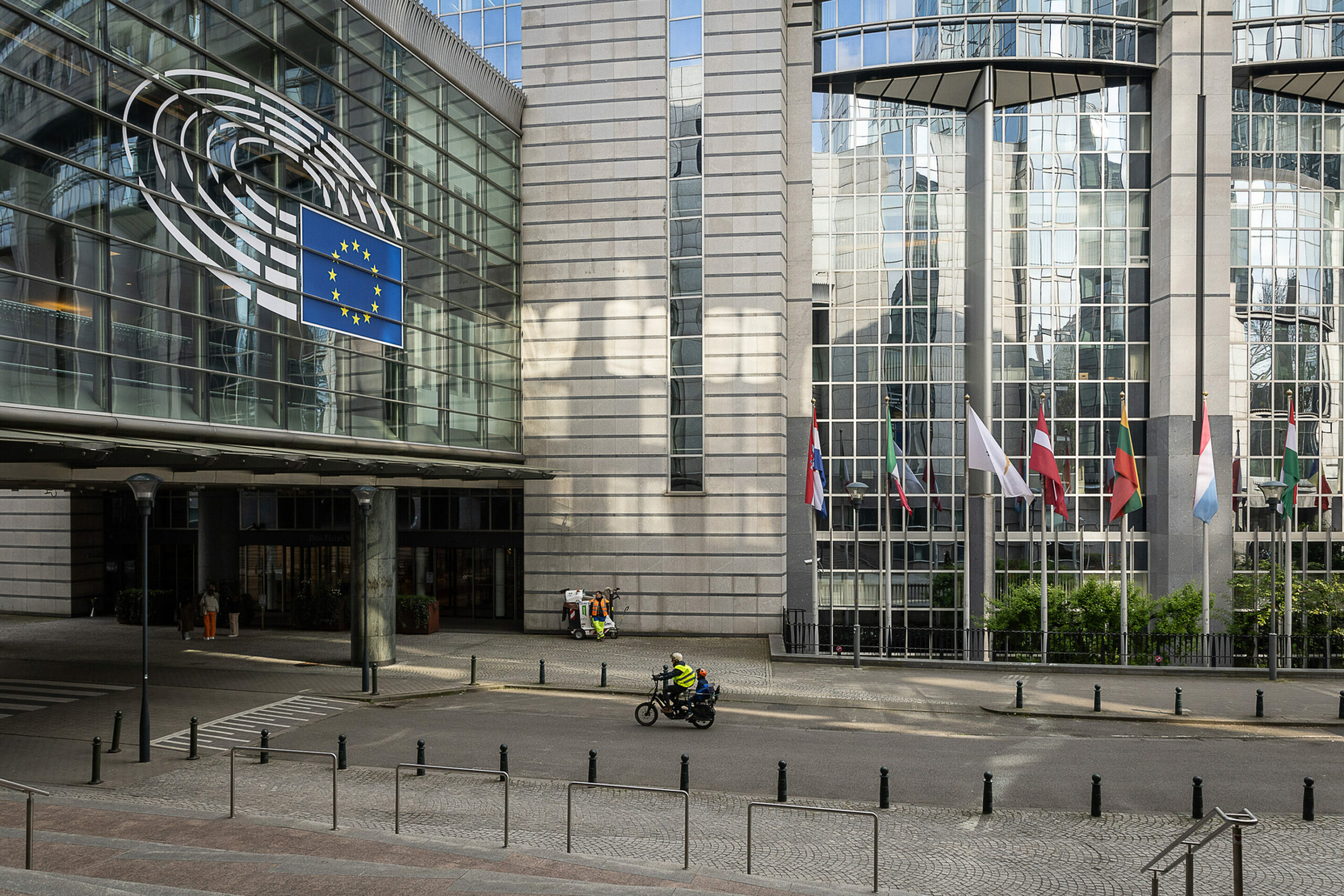
The European Parliament, the Paul-Henry Spaak building (PHS). Credit: Belga/James Arthuer Gekiere
He also created a Top 10 and a Bottom 10 for attendance. The main conclusion, he said, was that a lot of MEPs actually attend a lot; over 400 MEPs attended at least 90% of sessions. The top 10 MEPs were even present for 99.9% or 99.8% of the time.
"Interestingly, six of the MEPs in the top 10 were French," Monéton said. "At the same time, three of MEPs in the bottom 10 were German, which I found pretty shocking."
MEPs who are absent at least 50% of the days foreseen for plenary sessions in a parliamentary year (from 1 September to 31 August) must reimburse 50% of the general expenditure allowance for that period to Parliament, according to the Quaestors' Notice 16/2024.
Additionally, MEPs who attend less than half the votes of the day will have their daily allowance halved.
Concurring activities?
Overall, Monéton was surprised to see that, despite the generally high attendance records, quite a few MEPs were not present often: the MEP with the lowest score was only there 18% of the time. "It is not a criticism, but I am surprised. They do not show up, and I think we deserve to know why."
Some have justified reasons, he stressed. A Dutch MEP, for example, reached out to him to inform him she had breast cancer and was not able to attend sessions. "So I removed her from the board. Additionally, Parliament President Roberta Metsola obviously does not vote, but that does not mean that she is not present."
While the European Parliament said that they do not comment on external websites, the EP press services told The Brussels Times that "MEPs organise the exercise of their free mandate themselves."
"Their presence in the hemicycle can vary as they might have concurring activities (political group meetings, working group meetings, national delegation meetings or even committee meetings sometimes) in parallel to some plenary debates," they said.
Additionally, the European Parliament does not keep specific attendance records or lists of the MEPs. However, the press service stressed that attendance registers of plenaries and committees (and by MEP) are available for each plenary day.
