
More than a billion people worldwide live with mental health issues, according to new reports from the World Health Organisation (WHO) released on Tuesday.
Mental illnesses such as anxiety and depression have severe human and economic consequences, the reports reveal. The WHO is calling for greater investments in mental health care to address these challenges.
The reports, World Mental Health Today and Mental Health Atlas 2024, highlight that mental health issues, including anxiety and depression, affect people across all countries, ages, and income levels. These conditions are now the second leading cause of long-term absenteeism and significantly contribute to the loss of healthy life years.
The economic impact is staggering. Increased healthcare costs and reduced productivity linked to anxiety and depression cost the global economy an estimated $1 trillion (€858.73 billion) annually.
While there has been progress in recent years, the WHO warns that major gaps remain in how mental health issues are addressed worldwide. The studies aim to guide governments in developing effective strategies to combat these challenges.
The findings also show that women are disproportionately affected by mental health issues. Suicide, often a tragic result of mental illness, claimed an estimated 727,000 lives globally in 2021. It remains one of the leading causes of death among young people everywhere.
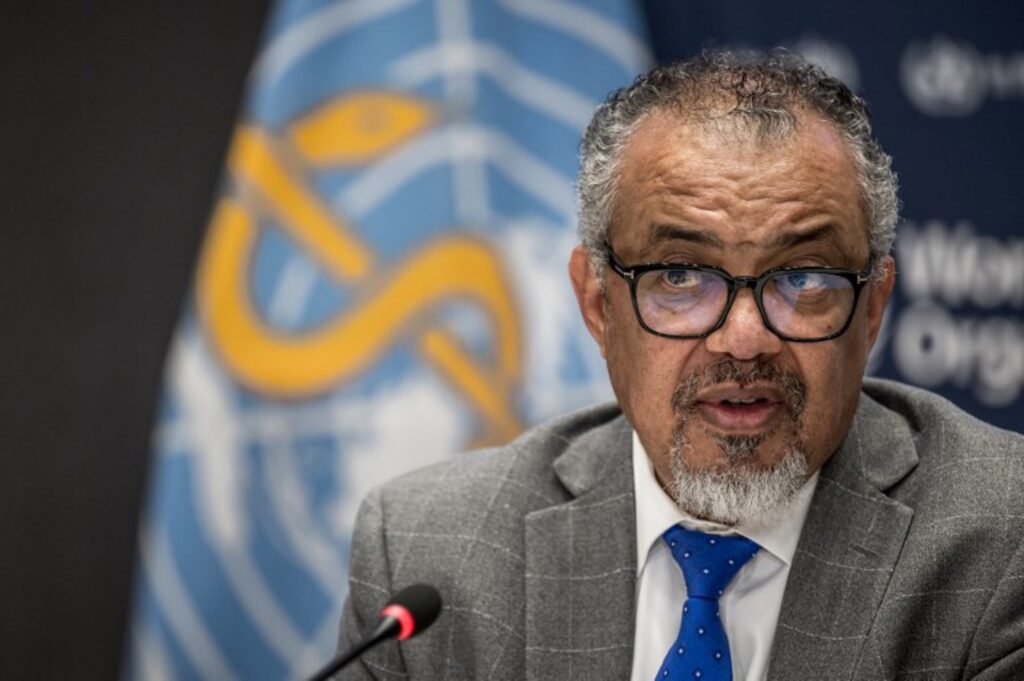
“Mental health care is one of the most urgent public health challenges,” said Tedros Adhanom Ghebreyesus, WHO Director-General. “Investing in mental health is an investment in people, communities, and economies. No country can afford to neglect it. Mental health is not a privilege but a fundamental right for everyone.”
The United Nations will hold a meeting on this pressing issue in New York on 25 September.
