
What are the most delicious foods, refreshing drinks, coolest cafés and intriguing restaurants in Brussels now?
Here are some that recently caught the eye of our food and drink expert.
Restaurant
Volle Gas
Volle Gas
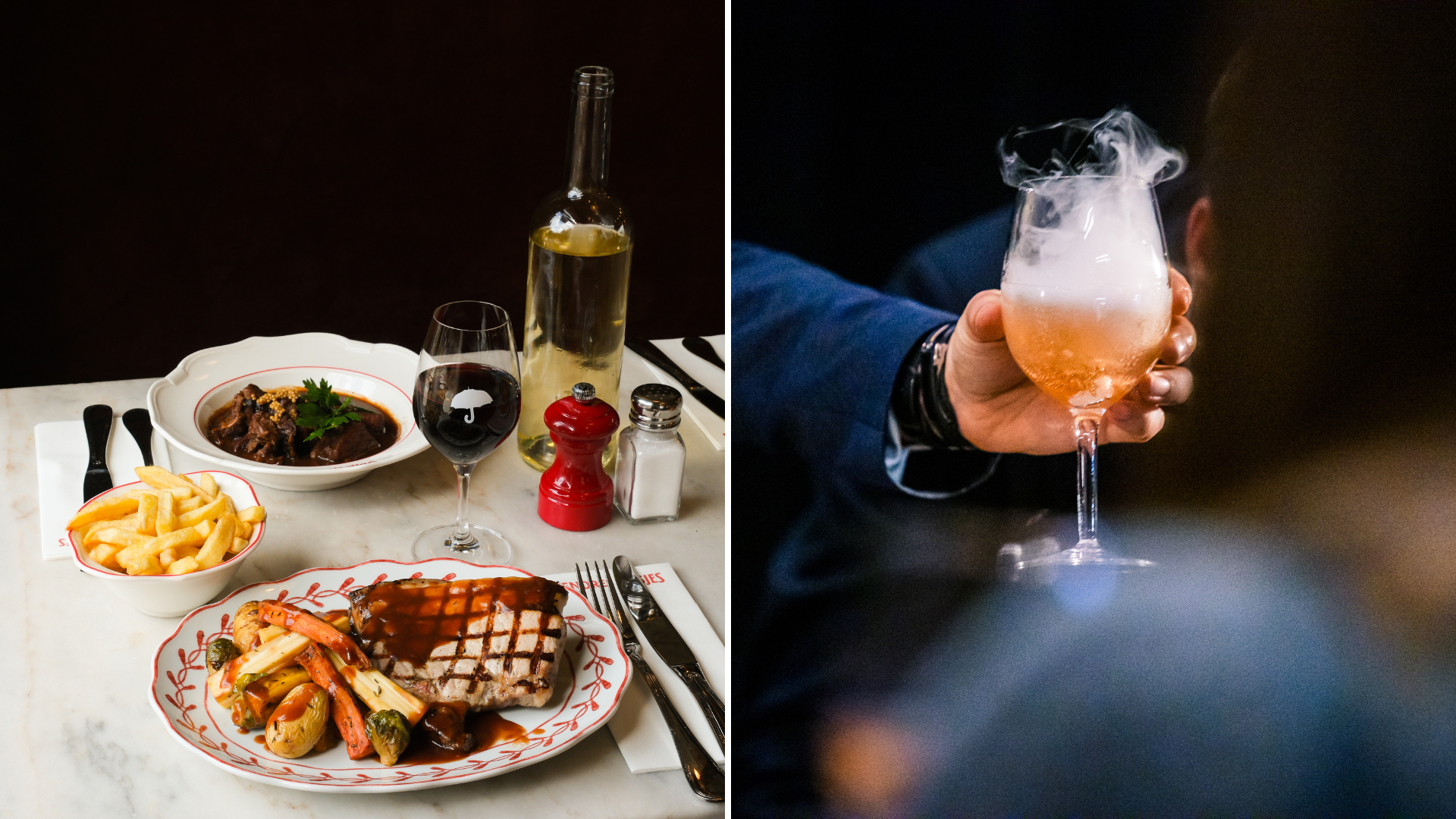
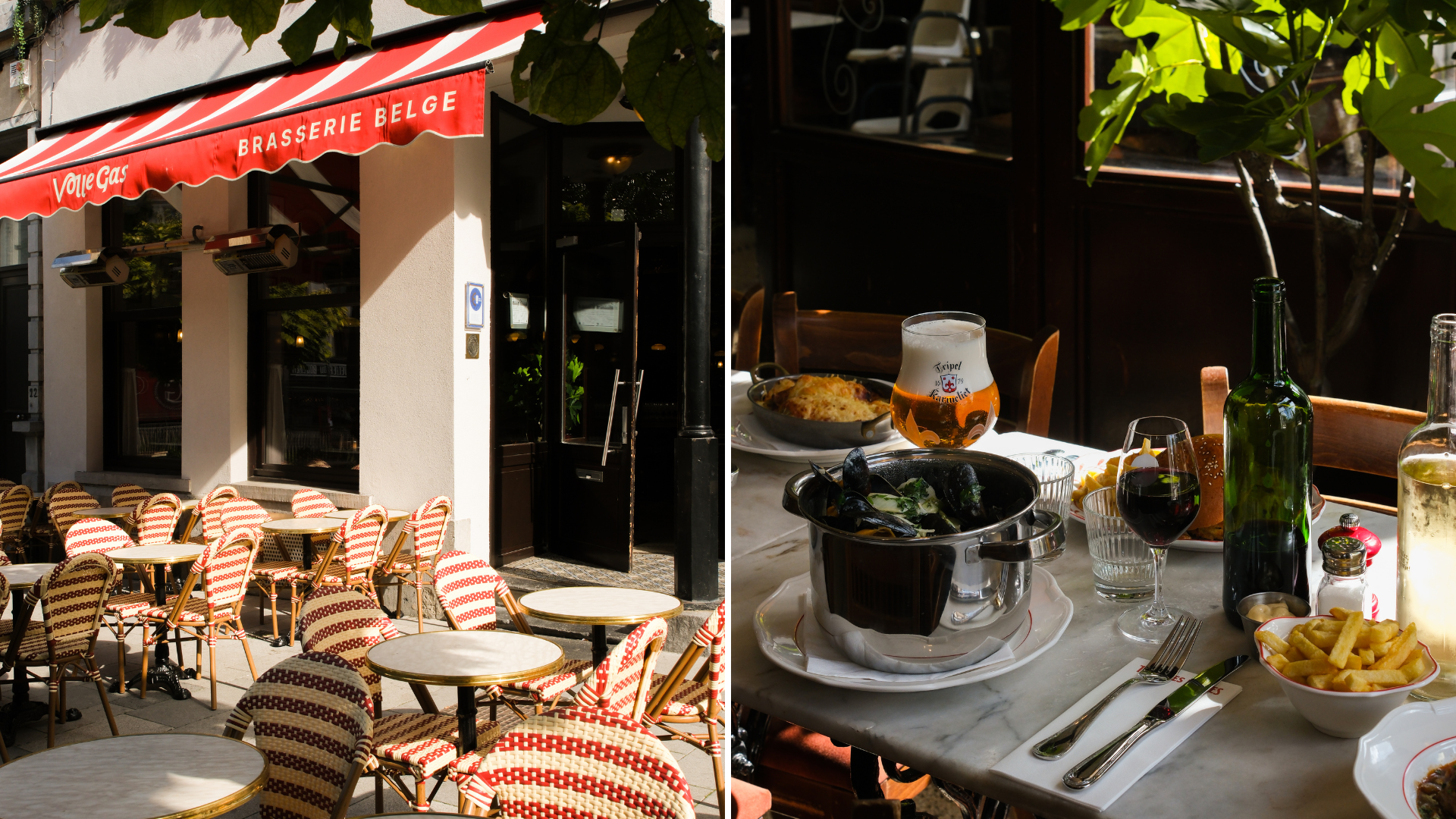
A Brussels icon has been revived. Volle Gas, founded just after the Second World War on Place Fernand Cocq in Ixelles, was once famed for its generous drinks list, Belgian comfort cooking and live jazz. Its Art Deco interior remains gloriously intact – the monumental bar, mirrored walls, banquettes and mosaic tiles still transport you straight into Jacques Brel’s Brussels.
But for years, Volle Gas became a shadow of its former self: a tired tourist trap. Two decades ago, I even urged the editor of the French travel bible Le Routard to remove it from the guide. Thankfully, that dark era is over.
Nonante Folies – the young restaurant group led by Maxime Grell and Ludovic Chevalier – launched its first venue, Boemvol by the Bourse, in June. In September, they brought Volle Gas back to life, using the same suppliers and almost identical menus.
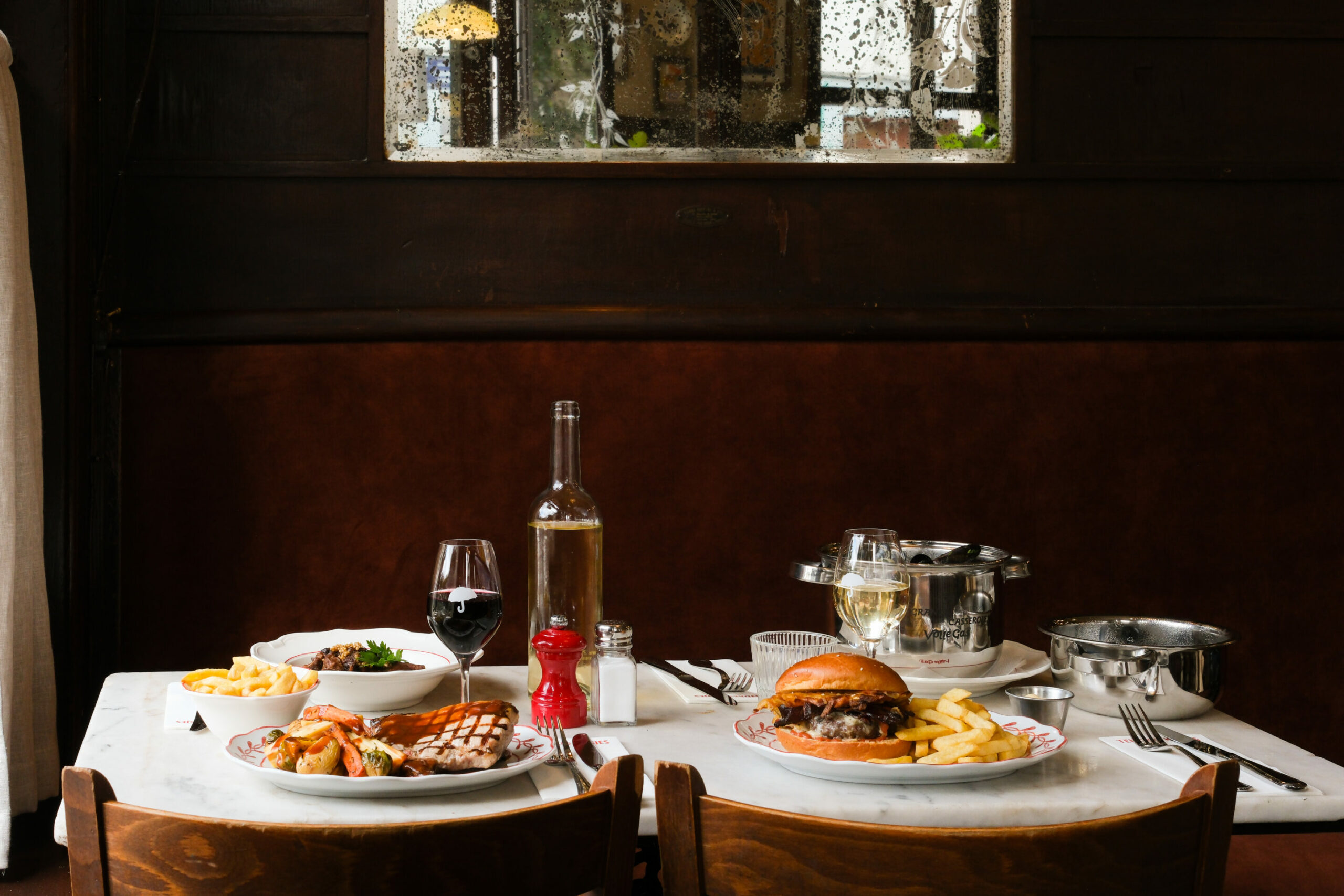
The classics are all here: carbonnades (beef stew), cheese and shrimp croquettes, meatballs in sweet sauce, gratin de chicons with mashed potatoes, and mussels with four sauce options year-round. Most dishes are beautifully executed and honour Belgian culinary tradition. The house 90 Folies sauce is excellent. The filet américain (raw minced, seasoned beef) and fries impressed me less.
Volle Gas
Delicious pâtés, cold cuts and raw sausage are all from Tero’s butchery – a sign of the owners’ commitment to local Belgian excellence. Desserts stick to tradition and deliver: chocolate mousse, crème brûlée, Dame blanche and a perfectly crisp Brussels waffle. For a final indulgence, try the soft meringue with figs and cuberdon sauce – a joyful sugar bomb.
Drinks are a pleasure: over ten organic wines by the glass, pay-what-you-drink house wine, a solid local beer list, and – refreshingly – cocktails mixed exclusively with Belgian spirits. Volle Gas is open daily from noon to 11pm: a reliable, enjoyable celebration of Belgian cuisine.
Volle Gas - 21, Place Fernand Cocq, 1050 Ixelles
Drink
Signore
Signore
Signore began like many artisanal drinks adventures: five friends passionate about flavour set out to create a homemade limoncello. The company was born just before Christmas 2018 and launched commercially the following year. Its DNA is clear: proximity to customers, sustainability, and proudly Belgian roots.
Signore’s three limoncellos (all 38% ABV and lower in sugar to let the flavours shine) each offer a twist:
• Classic: lemon zest brightened with basil’s herbal notes
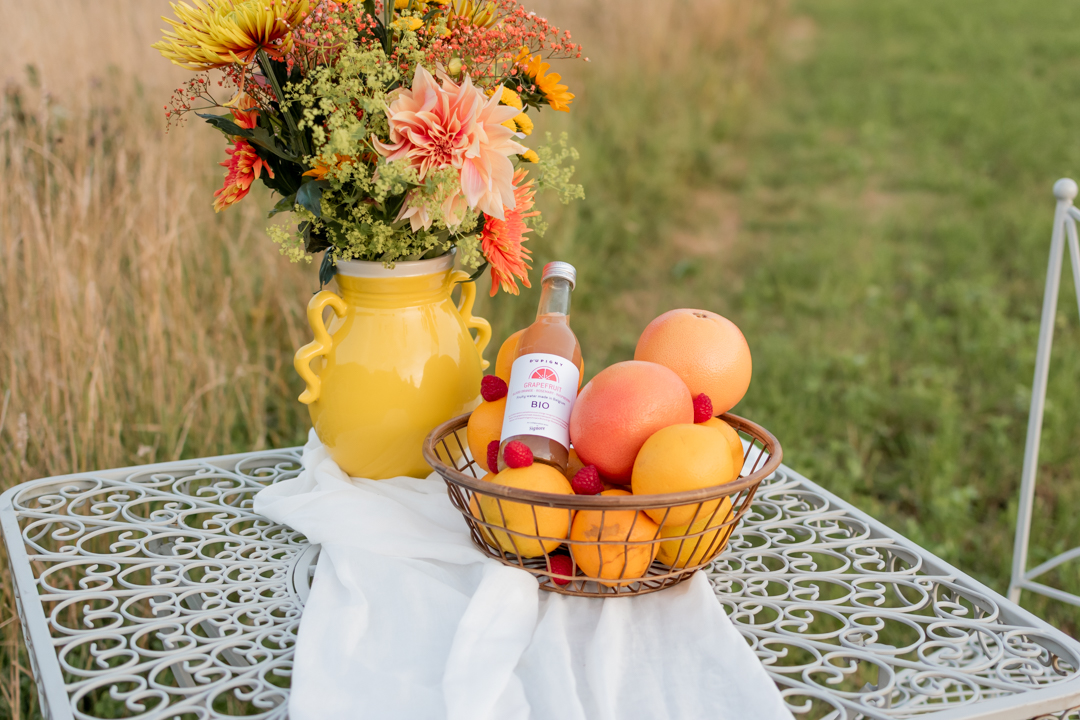
• Pink: grapefruit and blood orange bitterness smoothed by raspberries
• Spicy: lemon with ginger and peppers, plus a tingle of Sichuan pepper
Only the citrus peels are used for distillation; the rest is pressed into juice with Walloon producer D’Upigny. The range extends to two non-alcoholic fruity waters (lemon–mint and grapefruit–blood orange–raspberry–rosemary) and a Belgian Spritz developed with Domaine du Chenoy’s award-winning sparkling wine.
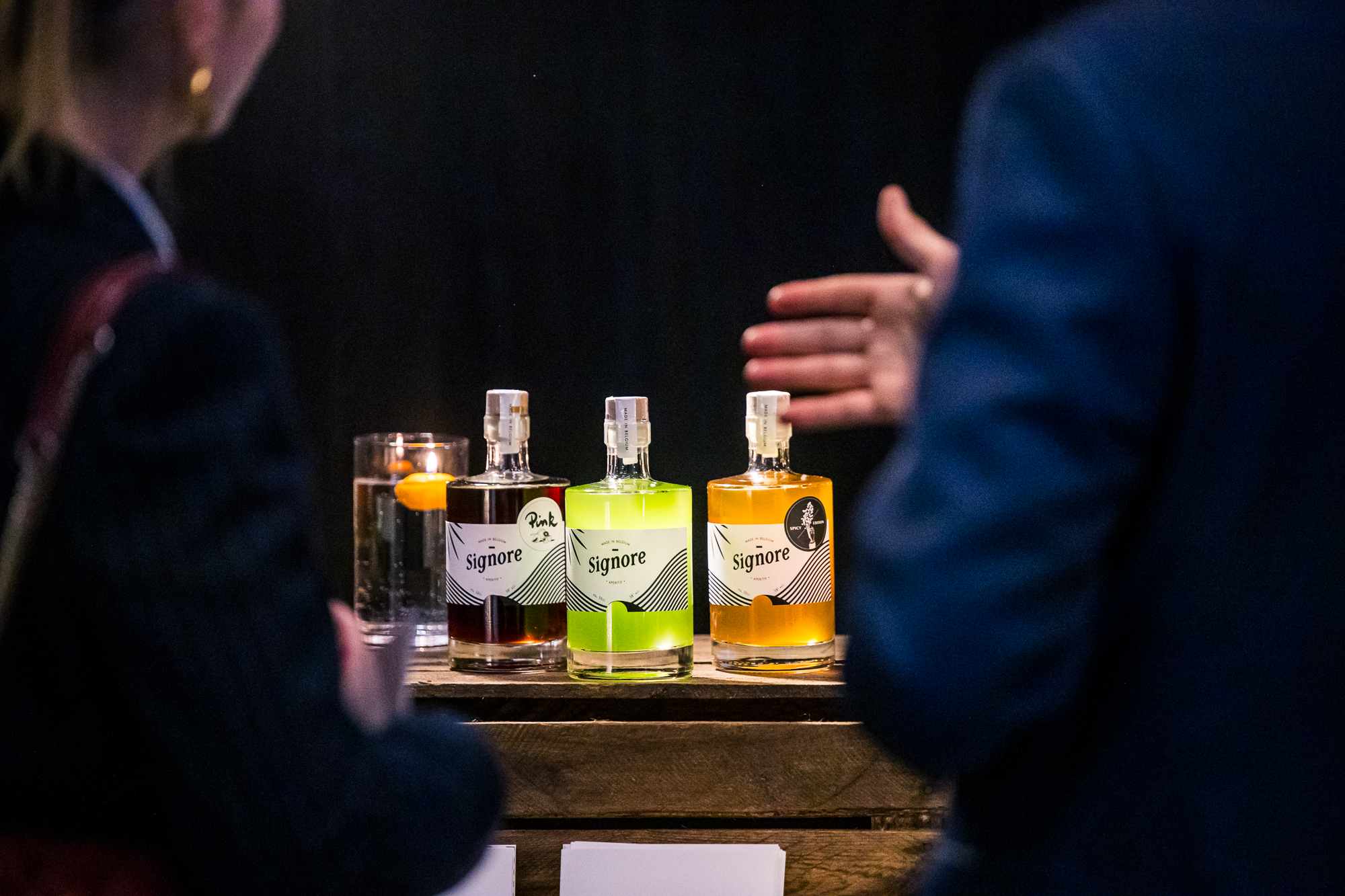
Signore
Sourcing is as local and sustainable as possible: organic Sicilian citrus, basil from Anderlecht’s BIGH urban farm, raspberries from Zedelgem, packaging by Belgian supplier Newbox, and a pilot bottle-return scheme. Carbon neutrality – and eventually a home-grown orchard – are on the horizon.
The distribution model is unusual: an e-shop, select premium retailers (including Rob), and restaurants – plus a thriving events business. Partnering with organisers who share its values, Signore hosts everything from after-work tastings to pool parties and children’s workshops, strengthening ties with its passionate fan community.
Bottles come in 10cl, 35cl and 50cl (€11.25–€11.75, €26.80–€29.35, €34.75–€37.75). Neat or in cocktails, Signore brings a fresh, tangy spark to the Belgian spirits scene.
Café
Craft
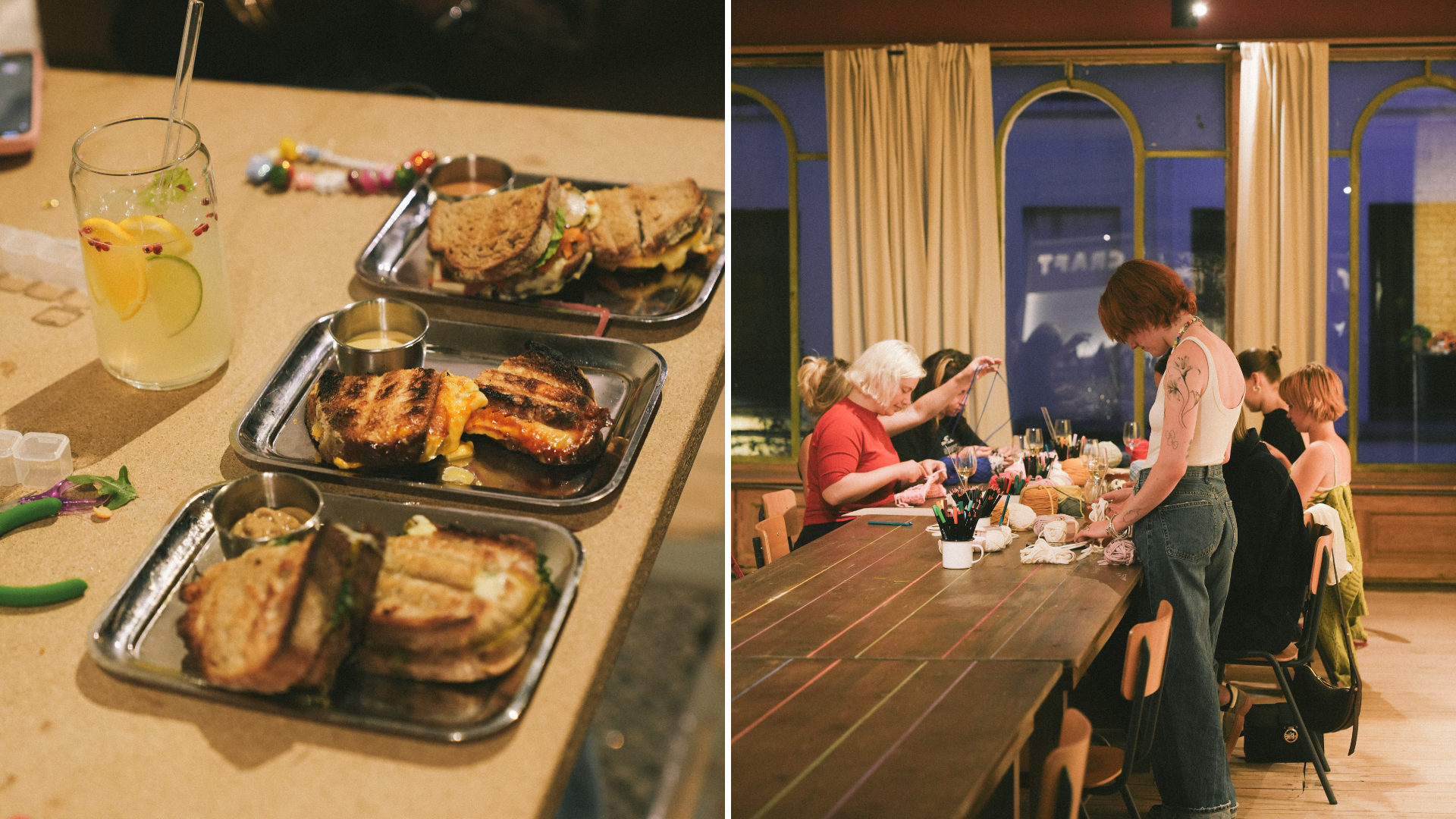
Craft
Craft may be Brussels’ most original café – a 400m² former hardware store transformed into a playground for creativity. Yes, there’s a bar, and a very good one: natural wines curated by Vineaste, beers from top local microbreweries Illegaal and Surréaliste (including low-alcohol options), specialty coffee from Gust, teas and pastries from Renard bakery, plus simple, tasty food such as sourdough croques, labneh, hummus and cheese/charcuterie boards. Even cocktails if you fancy.
But the real reason to come is not what you consume – it’s what you create.
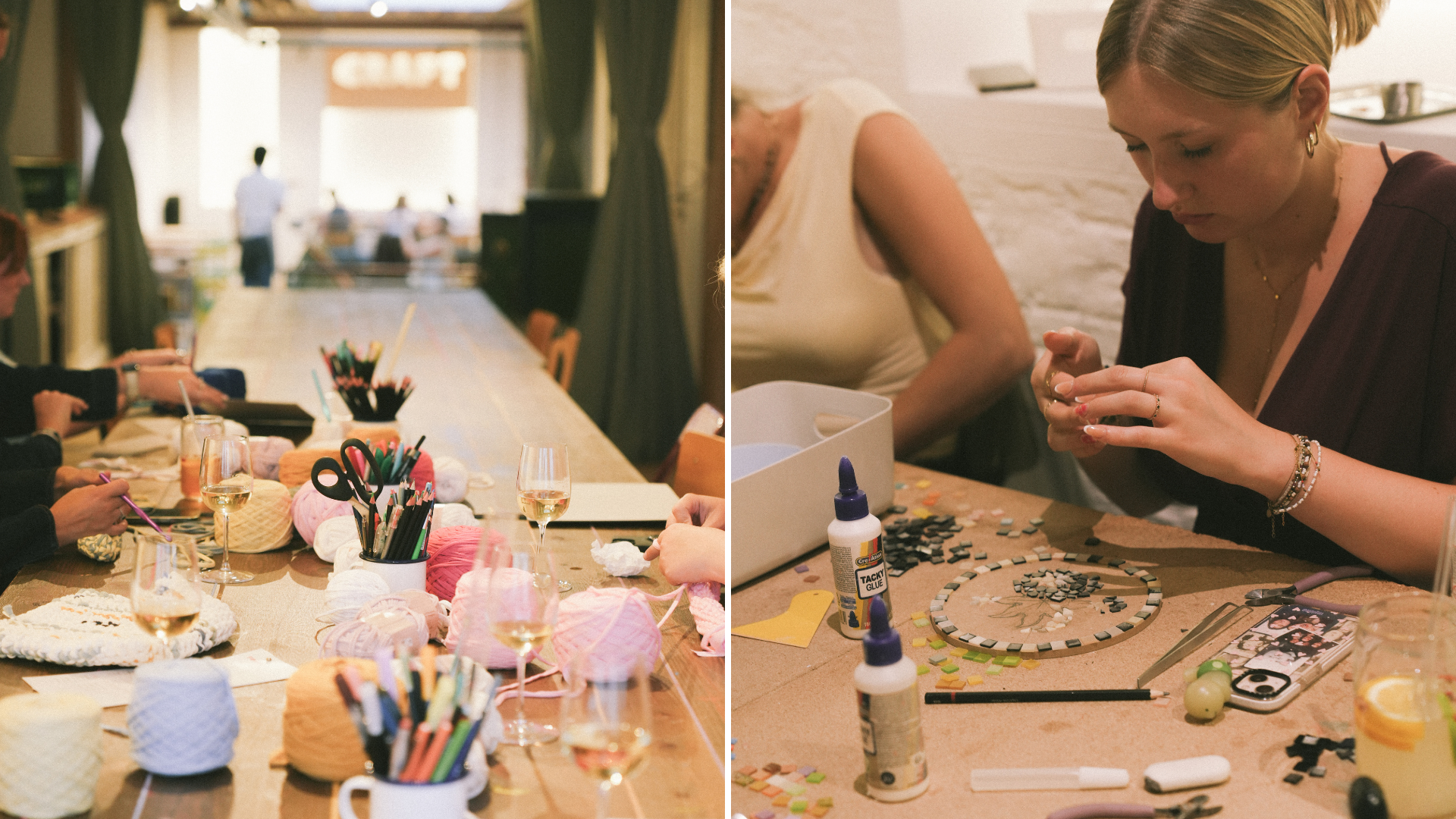
Craft
For €18–25 per two-hour session (free filter coffee, tea and water included), you choose a table and dive into a hands-on activity: watercolour, pastel, charcoal, collage, beadwork, embroidery, mosaic or miniature painting (some materials carry a small supplement). Art students and teachers float around offering guidance when needed. You leave with your own handmade masterpiece.
Craft’s ethos is simple: disconnect from screens, reconnect with imagination. Saturday mornings feature “Crafty Kiddos” sessions for children, and private rooms can be booked for teambuilding, birthdays or hen/stag parties.
A chalkboard calendar at the entrance advertises themed workshops – from wine-tasting with label-design to paper-mâché, rope-weaving or “paint your date”. The concept has proved hugely popular – “people need to switch off more than ever,” says general manager Thelma, especially younger visitors. Craft offers hope: creativity isn’t lost, just waiting to be picked up again.
Craft - 66, Rue du Viaduc, 1050 Ixelles
Food
Foie gras de la Sauvenière
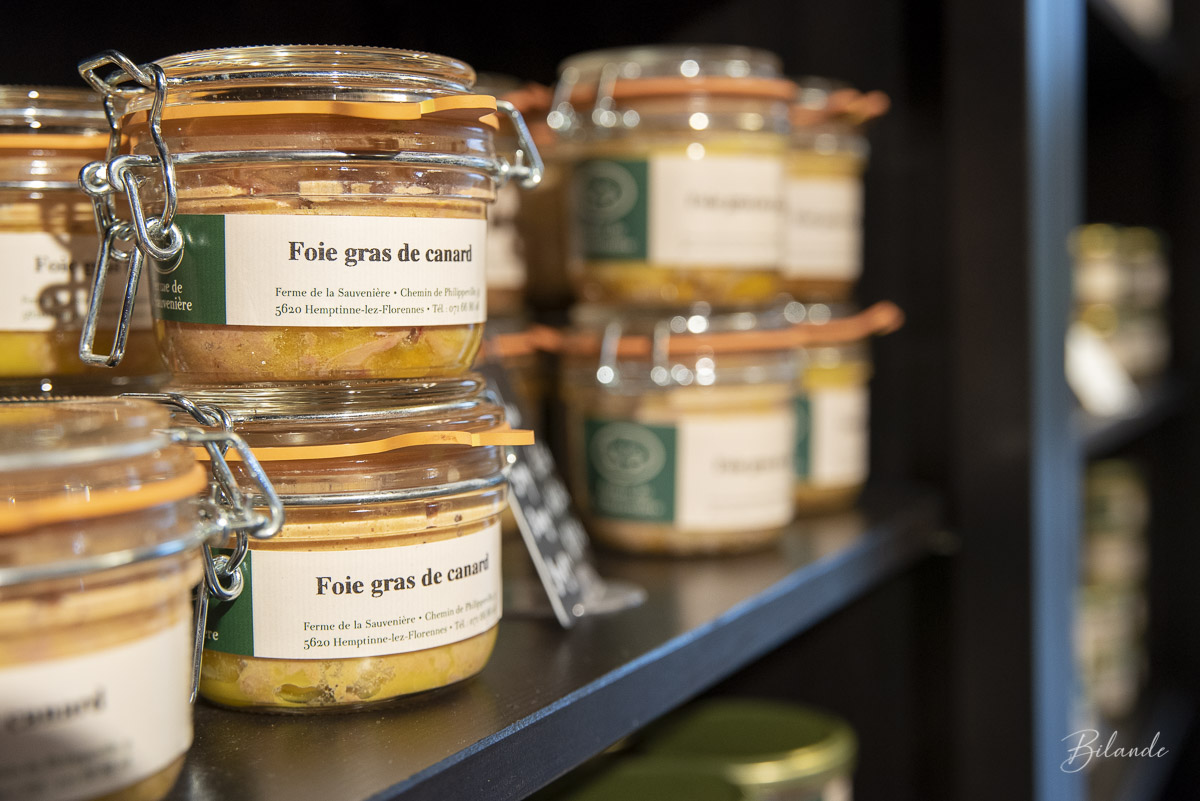
Foie gras de la Sauvenière
It's perhaps useful to start with a disclaimer: as a Frenchman, I've eaten foie gras (duck or goose liver pâté) all my life. It's considered a delicacy in France and in Belgium, and I've always sought the best quality, non-industrial ones.
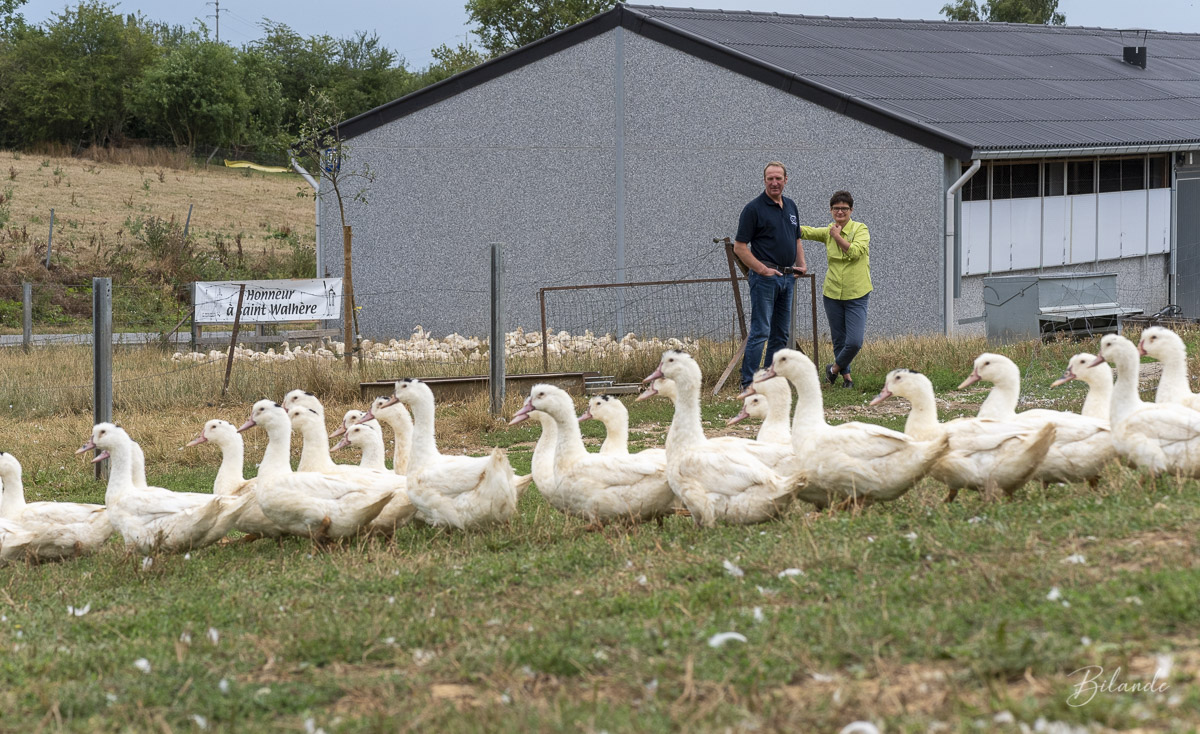
I found it at the Ferme de la Sauvenière, a duck farm near Philippeville, south-west of Wallonia. François Vandenbulcke and Valérie Van Wynsberghe started with 25 ducks 27 years ago; today they raise 12,000 annually. They buy day-old male ducklings from the Pays de Loire, then rear and slaughter them entirely on-site, ensuring control over welfare and feed. “A stressed duck doesn’t get fat,” Van Wynsberghe notes.
After two weeks indoors, the ducks spend ten weeks roaming outdoor fields until they reach 4–4.5kg. They then follow natural feeding rhythms to enlarge their crop – a food-storage pouch in the oesophagus – before a final 12-day indoor fattening period in low-stress group pens. Twice daily, whole corn kernels are gently delivered to the crop – a traditional method far less stressful than the industrial liquid force-feeding used elsewhere.
Foie gras de la Sauvenière
When the liver reaches 500–600g (up from 80–100g), slaughter takes place on site in modern, humane facilities. The resulting foie gras is rich and buttery, not diseased: the fat represents stored sugars rather than cirrhosis. The birds are only treated if ill. “Ducks are a rustic animal. They are rarely sick,” Van Wynsberghe says.
Beyond foie gras in jars, the farm offers a complete range of duck products: magrets, pâtés, confit and even cassoulet, made with authentic Tarbes beans. Demand remains strong despite tighter budgets and the growth of veganism – “Belgians love foie gras,” Van Wynsberghe smiles.
Products are sold at the farm and selected retailers, including Bees Coop, TAN, Comptoir belge (Saint-Gilles), Comptoir local (Linkebeek) and Carrefour stores in Brussels. Restaurants such as Le Tournant, Le Saint-Boniface and Hors-Champs also serve it. A premium local delicacy – perfect for special occasions.
