
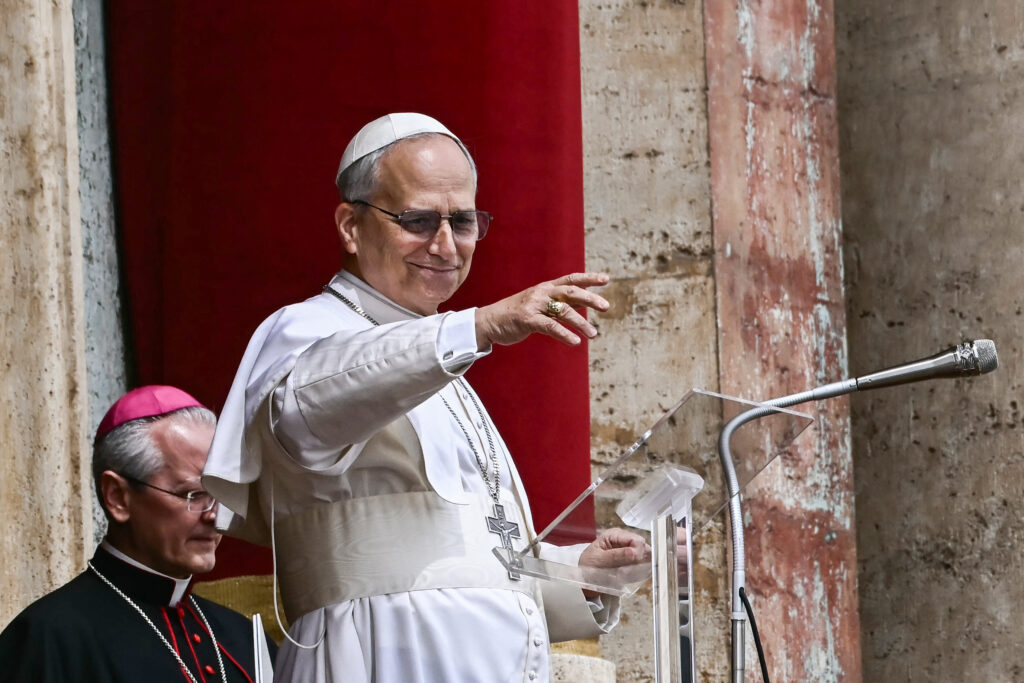
Pope Leo XIV has ruled out any doctrinal changes in the near future regarding the role of women or LGBTQ+ believers in the Church.
In his first major interview since his election, the American Pope expressed his desire to reassure believers who were unsettled by the more progressive approach of his predecessor, Francis. The interview is part of a book set to be released on Thursday in Peru.
Pope Leo, who lived and worked in Peru for nearly 20 years and holds Peruvian nationality, addressed the many challenges facing the Church today. His comments suggest he does not intend to enact any fundamental shifts in the Church’s direction.
His statements appear aimed at more conservative believers who criticised Pope Francis for modernising the Church too rapidly. While Francis stressed the need for openness, some of his decisions were met with resistance.
Regarding the ordination of women as deacons, Pope Leo stated he had “no intention in the short term to modify Church doctrine.” However, he emphasised his commitment to continuing Francis’s efforts by appointing women to leadership roles across various levels of the Church.
On the issue of welcoming LGBT+ believers, which he described as "very sensitive and polarising," Pope Leo reaffirmed his predecessor’s call for openness, saying the Church must accept "everyone, everyone, everyone."
Yet, he rejected doctrinal changes such as recognising same-sex marriage, asserting that "the teaching of the Church will remain unchanged."
“Everyone is invited, but I do not invite anyone based on their specific identity,” Pope Leo stressed, adding that he seeks to avoid encouraging further divisions within the Church.
The Pope also highlighted the importance of recognising and strengthening the traditional family, which he defined as composed of a father, mother, and children.
The interview also touched on the issue of sexual abuse within the Church. Pope Leo called for providing “authentic and deep compassion” for victims. However, he warned against making the issue "the Church’s priority," citing concerns over "proven cases of false accusations."
He claimed that 10% of accusations are false and emphasised the need to protect the rights of the accused, including priests.
