
US intelligence agencies have reportedly alerted several European governments to a potential escalation in Russian sabotage operations, specifically targeting Southern European nations with direct drone strikes launched from civilian vessels.
According to a report by Spanish daily El Mundo, the CIA has shared precise intelligence indicating that Spain, France, and Italy could be the targets of these maritime drone operations, mirroring the famous Ukrainian operation "Spiderweb" against Russia.
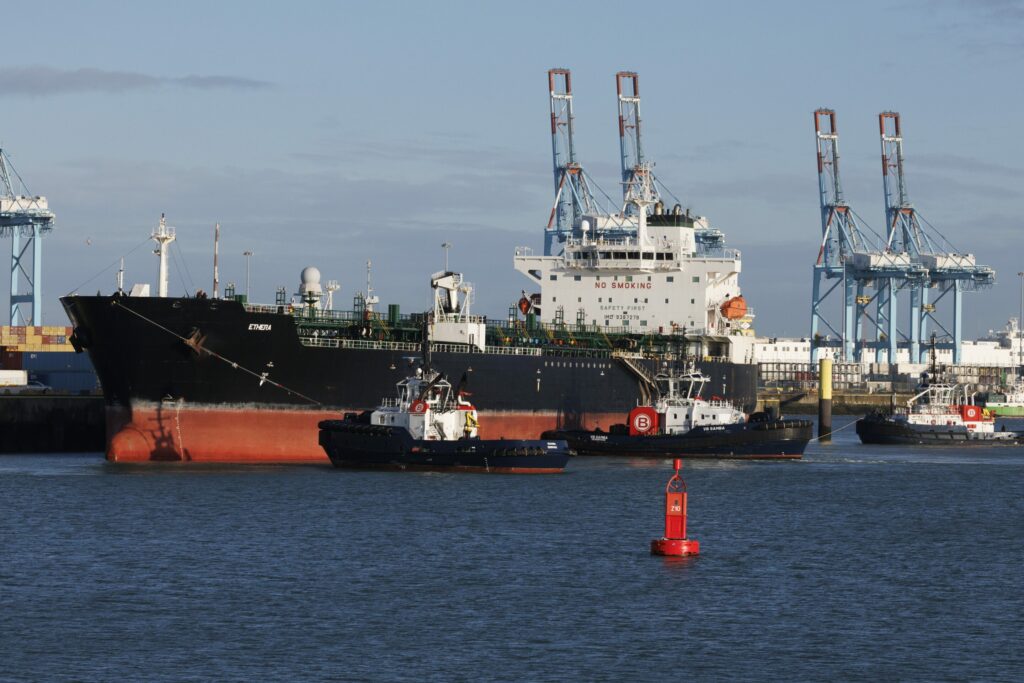
The intelligence suggests Moscow could deploy "Gerbera" drones hidden inside standard shipping containers on merchant ships navigating the Mediterranean.
By launching from international waters, approximately 200 to 300 kilometres off the European coast, the drones would be capable of reaching domestic infrastructure within one to two hours.
Related News
- Thousands of Belgian military personnel share sensitive data via running app Strava
- NATO launches first resilience course as crisis preparedness takes centre stage
- EU maritime surveillance test links NATO and nations in real-time breakthrough
The Gerbera drone, which measures around two metres in length with a 2.5-metre wingspan and a maximum range of 600 kilometres, is considerably smaller and easier to catapult from a ship's deck than the larger Shahed drones used extensively in Ukraine.
While its explosive payload is relatively light, estimated at 4-5 kg, security assessments warn that the goal of such an attack would not be massive structural destruction.
Instead, the strikes would be designed to inflict maximum political and economic disruption, such as forcing the temporary closure of a major commercial airport, damaging industrial equipment, or igniting fires at critical coastal facilities.
Spain, France, or Italy are speculated to be chosen as they face crucial elections in 2027, having domestic political factions that could capitalise on public fatigue regarding the ongoing war in Ukraine.
A successful strike could demonstrate Moscow's ability to reach deep into Western European territory, bypassing the heavily fortified Eastern flank of NATO to strike regions where air defence systems might be less prepared.
CIA Director John Ratcliffe also reportedly warned the Kremlin against provoking NATO during his latest extraordinary visit to Moscow.
However, in an interview aired on broadcasters France 2 and TF1, French President Emmanuel Macron denied being warned by the CIA. "We can deny this piece of information; the CIA did not inform France of this information," he said.
Italian Defence Minister Guido Crosetto held a similar position, posting on X that "the alarm raised this morning by a Spanish newspaper that hypothesises possible attacks on Italy, Spain, and France by Russian ships and drones serves no one and is not confirmed."
The alleged maritime plans would represent a significant escalation in Russia's ongoing shadow campaign against countries supporting Ukraine.
Until now, Moscow has largely operated below the threshold of open warfare, focusing on isolated acts of sabotage, airspace probing, and intelligence-gathering flights.
Similar maritime launch experiments and drone interceptions have already caused alarm in the Baltic Sea earlier this year. Russia is already speculated to launch drones into European airspace from its affiliated "Shadow fleet" ships.
However, utilising the Mediterranean Sea and disguised merchant vessels as launch platforms would mark a bold, unpredictable phase in the conflict's spillover into the European Union.
