
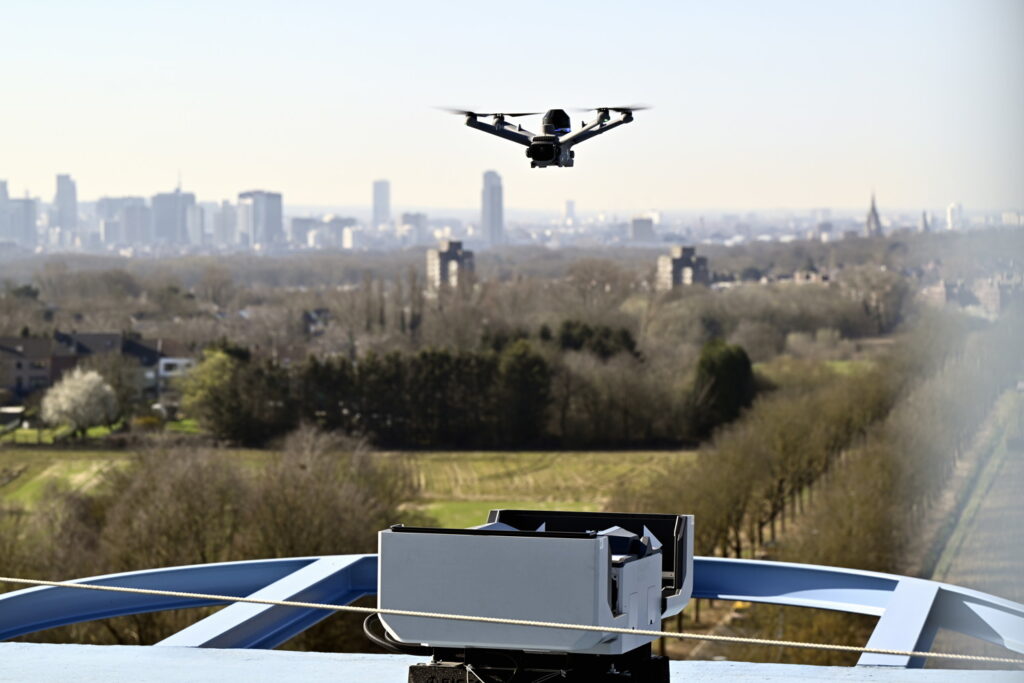
The European Commission wants a European defence system against Russian drones, fully operational by the end of 2027, according to a road map for the development of European defence by 2030 that was presented on Thursday.
The drone wall, officially called the 'European Drone Defence Initiative', is one of four major cross-border armament projects put forward by the Commission in its road map.
Eastern border protection, the development of an air defence system, and a space shield are the other major projects.
Against the backdrop of recent Russian violations of European airspace, the Commission is particularly keen to make rapid progress on the drone defence system.
Changing warfare
It aims for the detection system to be operational by the end of 2026, and the entire drone interception system by the end of 2027. This should primarily benefit the other priority project: the surveillance of the eastern border.
"Drones are already changing warfare. Defending against drones is no longer optional for anyone," said High Representative for Foreign Policy Kaja Kallas at the presentation of the road map.
She pointed out that work has already begun: a meeting led by the Netherlands and Latvia took place this week. Europe also boasts Ukraine, which now has extensive expertise with drones.
The road map is not limited to the four major projects. The Commission is calling on the Member States to form various coalitions by next spring to close the vulnerabilities in Europe's defence wall by 2030.
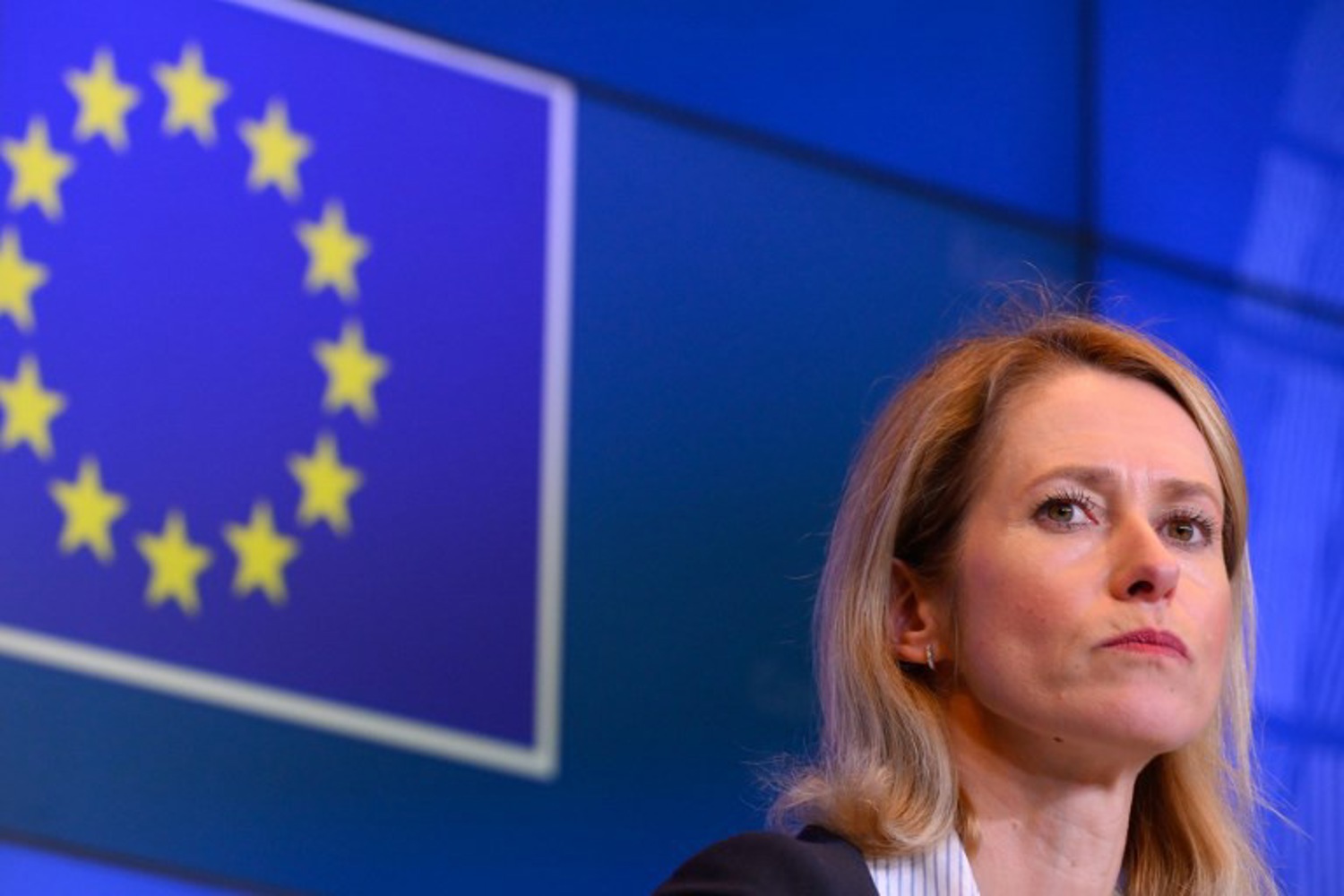
EU High Representative and Vice-President for Foreign Affairs and Security Policy Kaja Kallas. Credit: Belga / AFP
These include ammunition and missiles, artillery systems, maritime capabilities, AI, and military mobility – capabilities that all align with the objectives set by NATO.
The heads of state and government of the 27 Member States will discuss the road map next week at a summit in Brussels. The EU is increasingly entering the defence domain, but it remains primarily a national competence, and Kallas also acknowledged that Member States will remain in control.
"They decide what is purchased, what is developed, when, and from whom."
The Commission argues that the mistakes of the past must be avoided, with often national investments leading to fragmentation, unnecessarily rising costs, and equipment that is not interoperable.
It hopes that by the end of 2027, at least 40% of purchases will be made through joint contracts. Currently, that figure is less than 20%.
Preparing for future
The Commission also wants at least 60% of purchases to be made from European and Ukrainian companies by 2030.
The Russian invasion of Ukraine and the uncertainty surrounding US military support for American President Donald Trump have prompted European countries to invest massively in defence.
"Russia does not currently have the capabilities to attack the European Union, but it can prepare in the coming years. The danger will not disappear, even if the war in Ukraine were to end," Kallas said.
Earlier this year, the Commission presented a plan to mobilise at least €800 billion to ensure the continent has a credible defence by the end of the decade.
The Commission is offering €150 billion in favourable loans, but most of the money will have to come from national budgets. The Commission is granting Member States special budgetary leeway for this through so-called escape clauses.
